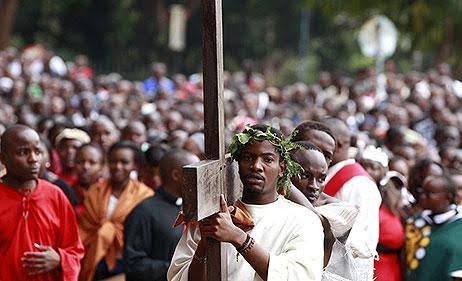
Easter 2026, marked by Good Friday on Friday, April 3, Easter Sunday on Sunday, April 5, and Easter Monday on Monday, April 6, provides a significant opportunity to examine how nations around the world observe this foundational Christian festival. While Easter is universally celebrated within Christian communities for its spiritual importance, the degree of formal recognition varies widely.
Some nations grant statutory public holidays for all three days, others recognize one or two, and in many countries Easter remains a cultural observance rather than a legally mandated holiday. This article explores where Easter 2026 is officially observed, where it is not, and what these variations mean socially, economically, and culturally.
Nigeria’s Official Easter Public Holidays — What Was Declared for 2026
In Nigeria, the Federal Government formally declares specific days as public holidays for Easter each year, and this process is done through official statements issued by the Ministry of Interior on behalf of the government. For 2026, the government declared Friday, April 3, 2026 (Good Friday) and Monday, April 6, 2026 (Easter Monday) as national public holidays to mark the Easter celebration, meaning these days are legally recognised non‑working days across the country.
• Good Friday (April 3, 2026) was officially designated a public holiday nationwide, with schools, government offices, banks and many private businesses closed to allow citizens to participate in religious services and family observance.
• Easter Monday (April 6, 2026) was also recognised as a public holiday across Nigeria, giving people an extended Easter weekend and allowing additional time for community, family and worship activities.
. Easter Sunday itself (April 5, 2026) is widely observed culturally and religiously, but it is not officially a national public holiday in Nigeria because it falls on a regular Sunday, when many businesses and institutions are already closed.
The annual declaration is consistent with how the Nigerian government handles movable religious holidays, where designated days around key festivals are officially gazetted so that public sector employees and many private-sector workers have statutory time off.
This public holiday designation underscores Easter’s place in Nigeria’s official calendar, balancing legal recognition with cultural and religious practices observed by millions across the country.
Good Friday 2026: A Widely Recognized Public Holiday
Good Friday, observed on April 3, 2026, commemorates the crucifixion of Jesus Christ and his ultimate sacrifice, forming the foundation of Easter celebrations. Across many countries, this day is treated as a statutory public holiday, enabling citizens to participate in religious observances and family-centered activities. While traditions vary by region, the legal recognition of Good Friday underscores its enduring religious and social significance.
- In Australia, Good Friday is recognized nationwide, with schools, banks, and businesses closed to allow participation in church services and family activities
- Canada observes Good Friday in most provinces, though Quebec designates it as optional, and federal employees enjoy statutory leave
- The United Kingdom treats Good Friday as a public holiday, with schools and workplaces closed in England, Wales, and Northern Ireland, while Scotland observes it differently
- European nations such as Germany, Finland, Denmark, and Austria recognize Good Friday as a solemn statutory holiday, supporting religious and communal practices
- In South Africa, Good Friday forms part of the long Easter weekend, creating time for both spiritual reflection and social gatherings
Good Friday is more than a legal holiday. Communities organize church services, processions, and charitable outreach programs, while families gather for shared meals and cultural observances. Its recognition across multiple continents reflects the enduring integration of Christian traditions into public life.
Easter Sunday 2026: The Spiritual Core of the Celebration
Easter Sunday, falling on April 5, 2026, is the most significant day in the Christian calendar, celebrating the resurrection of Jesus Christ. Despite its importance, Easter Sunday is not always designated as a statutory holiday. The reasoning often lies in the fact that it already coincides with the weekly Sunday rest day, and legal systems aim to avoid overlapping holidays.
Countries where Easter Sunday is officially recognized include Australia, Italy, Germany, Lithuania, Namibia, Poland, Portugal, Sweden, Vatican City, and Zimbabwe
Regional territories such as Åland and Curaçao also treat Easter Sunday as a statutory holiday
Religious communities use this day for special church services, family gatherings, and cultural activities including parades, music performances, and Easter egg hunts
Attendance in churches typically peaks on Easter Sunday, with celebrations often extending into the afternoon and evening
Even in countries where Easter Sunday is not a statutory holiday, communities continue cultural celebrations that maintain the spiritual essence of the festival
Legal recognition of Easter Sunday ensures that citizens can fully engage in spiritual reflection and cultural traditions, while countries that do not designate it as a public holiday still see widespread observance through family and community practices.
Easter Monday 2026: Extending the Observance
Easter Monday, observed on April 6, 2026, provides additional statutory recognition and extends the Easter weekend, allowing citizens to engage in reflection, community activities, and social leisure. Many countries treat this day as a public holiday to give people more time for family gatherings, religious participation, and cultural festivities.
Countries observing Easter Monday include the United Kingdom, Australia, Germany, Ireland, Italy, Netherlands, Nigeria, Poland, South Africa, Spain, and Sweden
In Nigeria, Easter Monday is recognized nationally, allowing citizens to participate fully in religious and cultural events
The United Kingdom recognizes Easter Monday as a bank holiday in England, Wales, and Northern Ireland, while Scotland has different regional practices
Governments, schools, and businesses remain closed, facilitating participation in community outreach, family reunions, and cultural festivals
Extended weekends, combining Good Friday and Easter Monday, support economic sectors such as tourism, hospitality, and retail, which adjust operations to the holiday period
The extension provided by Easter Monday reflects the social and cultural importance of the Easter period, blending religious observance with practical time for family and community engagement.
Countries That Do Not Officially Observe Easter
Many countries, even with Christian populations, do not recognize Easter as a statutory holiday. This does not mean that communities do not celebrate Easter culturally or religiously; rather, citizens may not receive a government-mandated day off for participation.
- The United States does not designate Easter Sunday, Good Friday, or Easter Monday as federal holidays, although some states observe Good Friday
- India grants Good Friday as a gazetted holiday, but Easter Sunday is not recognized nationally, and Easter Monday has limited local observance
- France culturally observes Easter Sunday but does not provide official public holidays, although certain regions may have local recognition
- The Czech Republic treats Easter Monday as a public holiday, while Easter Sunday itself is not formally recognized
- Many Muslim-majority countries, including Saudi Arabia, Kuwait, the United Arab Emirates, and Oman, do not include Easter in official public holiday calendars
Even without legal recognition, cultural celebrations, church services, and family traditions continue to thrive. This demonstrates the distinction between religious observance and statutory holiday designation, showing how cultural practices can remain vibrant regardless of legal acknowledgment.
Regional and Global Variations
The observance of Easter 2026 varies widely, reflecting historical, cultural, and legal differences. While some countries provide statutory recognition for all three days of the Easter period, others selectively observe one or two days.
- Australia and Italy recognize Good Friday, Easter Sunday, and Easter Monday, providing full statutory coverage
- The United Kingdom observes Good Friday and Easter Monday, with Easter Sunday falling within the regular weekend
- Canada treats Good Friday as statutory in most provinces, Easter Monday variably, and Easter Sunday is not officially recognized
- Nigeria observes Easter Friday nationally while Easter Monday is celebrated culturally and religiously
- Extended weekends, combining Good Friday and Easter Monday, support social, cultural, and economic activities while allowing for personal reflection
Global patterns reflect a balance between religious observance and practical considerations, avoiding redundancy with weekly rest days, and accommodating regional populations with optional or local holidays.
Leaving With This
Easter 2026 demonstrates the complexity and diversity of public holiday observance worldwide. Statutory recognition of Good Friday, Easter Sunday, and Easter Monday varies based on religion, culture, and governance, while cultural celebration remains widespread even where legal holidays do not exist. Countries such as Australia, Italy, and Nigeria exemplify comprehensive holiday recognition, whereas countries such as the United States and France show selective or limited acknowledgment.
Understanding the global landscape of Easter 2026 reveals how governments, communities, and individuals balance religious observance with economic, social, and legal considerations. The Easter period continues to serve as a time for spiritual reflection, family cohesion, and cultural celebration, highlighting the enduring significance of this festival in societies around the world.