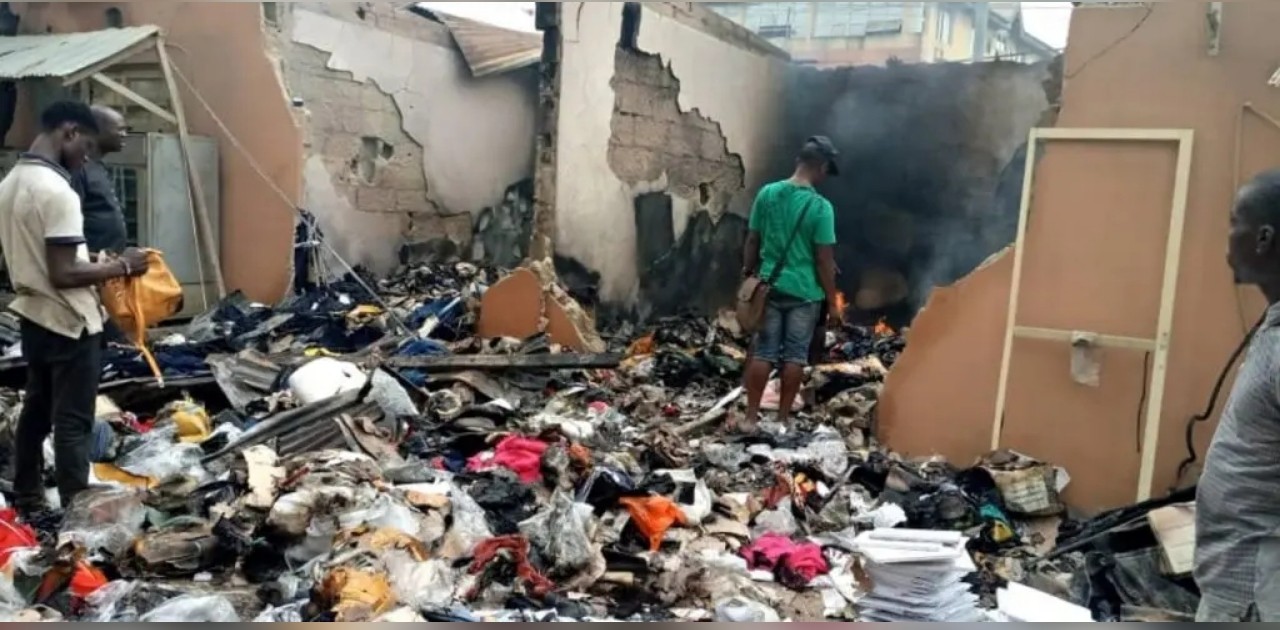
Recent security developments in Borno State have renewed focus on Nigeria’s counter-insurgency approach following a series of attacks linked to Boko Haram and its splinter groups.
A viral video showing troops being addressed before deployment has drawn attention to concerns about morale within sections of the military.
Within a short period, multiple commanding officers have been lost in separate incidents, raising questions about operational challenges on the battlefield.
Available data indicated that substantial funds have been deployed to support military operations across the country in the past year.
Despite this level of expenditure, public debate continues over whether the outcomes reflect the scale of resources committed.
For several years, Maiduguri experienced a level of calm compared to earlier phases of the insurgency.
This relative stability followed coordinated military actions, improved intelligence gathering, and adjustments in operational structure.
Although insurgent groups attempted incursions into the city, most were contained at the outskirts by security forces.
As a result, their activities shifted largely to rural locations, including areas around the Sambisa forest and the Lake Chad Basin.
However, recent explosions in Maiduguri have altered the security outlook, with casualties reported and concerns raised about renewed urban threats.
The incident has been viewed as a setback in efforts to secure the state capital and surrounding communities.
Observers note that the development did not occur without warning, as previous attacks had indicated growing insurgent activity.
In the months leading up to the incident, several military formations came under attack in different parts of Borno State.
Reports indicate that some of these attacks involved the destruction of facilities and the seizure of equipment by insurgents.
There have also been recorded casualties among military personnel during these engagements.
In one instance, a senior officer was killed during an ambush on a convoy transporting equipment.
The incident involved an exchange of fire between troops and insurgents along a major route in the state.
Subsequent reports indicated that insurgent groups publicised aspects of the attack through their communication channels.
In another case, a military patrol came under attack, leading to casualties and temporary loss of contact with some personnel.
Although some soldiers later regrouped, the incident highlighted operational risks in remote areas.
Additional attacks were recorded in different local government areas, affecting both personnel and infrastructure.
These developments have contributed to growing concerns about the frequency and scale of insurgent operations.
Security analysts have linked the pattern to a combination of factors affecting field operations.
Among the issues identified are limitations in equipment, challenges in logistics, and the complexity of operating across multiple regions.
Concerns have also been raised about troop welfare and the demands placed on personnel involved in extended deployments.
Some analysts point to the need for sustained air support and improved coordination during operations.
There are also discussions around internal security processes and the need for tighter operational controls.
The recent attack in Maiduguri has further heightened concerns about the direction of the conflict.
Authorities have warned of possible additional threats, particularly in crowded locations within the city.
The federal government has responded by directing security leadership to focus attention on the affected area.
President Bola Tinubu has instructed security chiefs to relocate to Maiduguri as part of efforts to address the situation.
Political reactions to the development have varied, with different groups offering differing perspectives on responsibility.
Some opposition parties have called for increased action, while government officials maintain that resources have been made available.
A senior official stated that operational funding has been consistently provided to support military activities.
“There is nothing the military has asked for that the president has not provided,” the official said.
Sources within the system indicate that funding processes have been structured to minimise delays in disbursement.
However, operational effectiveness on the ground remains a key area of focus for stakeholders.
The scale of military engagement across multiple regions has also been identified as a factor affecting performance.
Experts note that simultaneous operations in different parts of the country may stretch available resources.
This situation may influence response capacity and operational outcomes in specific locations.
Some analysts suggest that international cooperation could contribute to strengthening security efforts.
Others emphasise the importance of internal reforms within the military structure.
The issue of troop morale has also emerged as a critical factor in ongoing discussions.
Observers note that confidence levels among personnel can influence operational effectiveness during deployments.
Efforts to address welfare, training, and support systems have been highlighted as possible areas for improvement.
As security challenges evolve, attention remains focused on strategies that can sustain earlier gains while addressing emerging threats.
The situation in Borno State reflects broader questions about balancing resources, strategy, and execution in counter-insurgency operations.