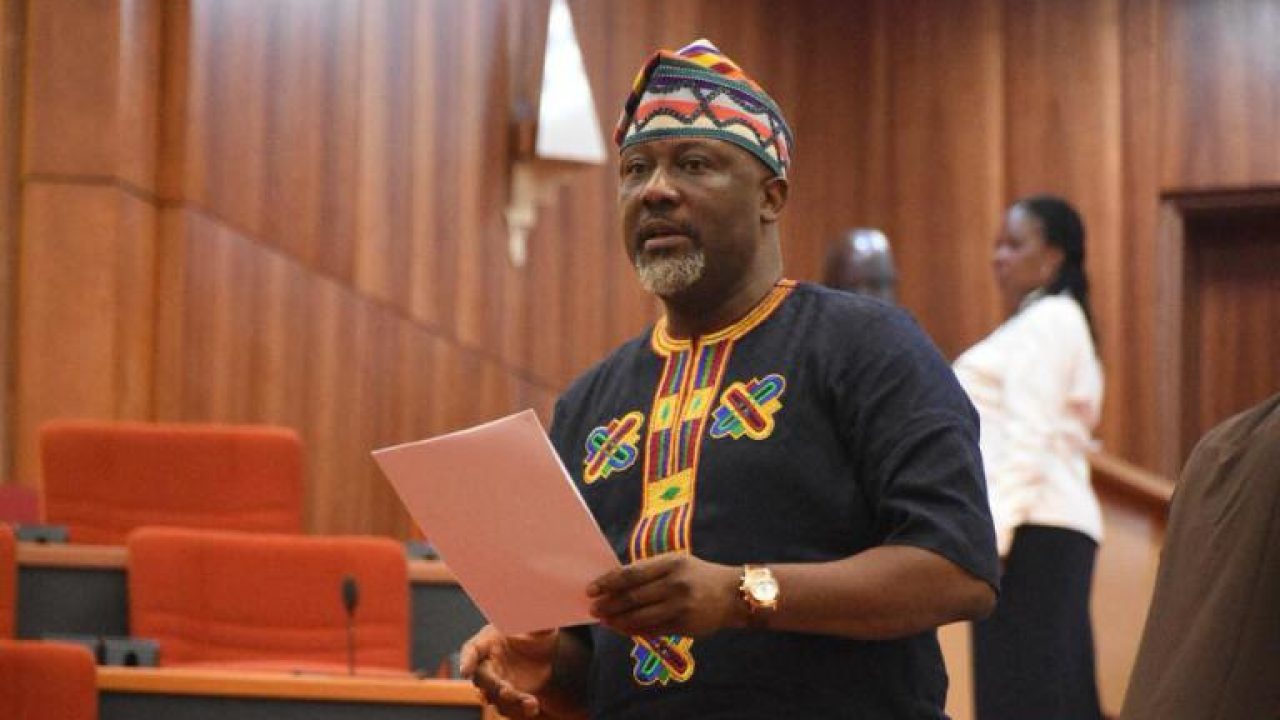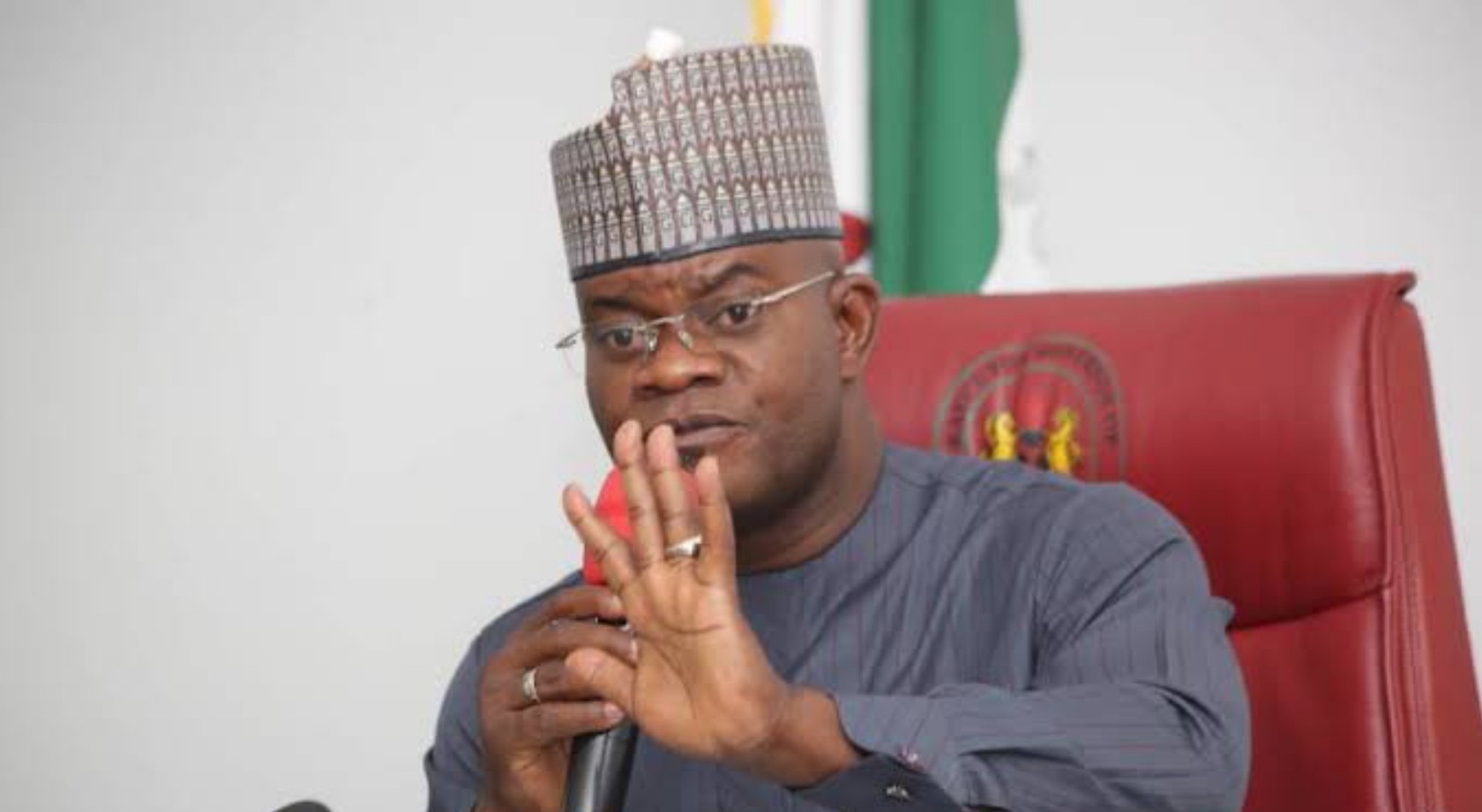
Delta North is no longer the political landscape it used to be. The sweeping defections of key leaders, most notably former Governor Ifeanyi Okowa and sitting Governor Sheriff Oborevwori, from the Peoples Democratic Party to the All Progressives Congress, have flipped the state’s political equation on its head. Adding another layer of intrigue is Senator Ned Nwoko, the current incumbent representing Delta North since 2023, who is now facing a dramatically changed environment within his own party. What was once a predictable PDP stronghold is now a battlefield where incumbency, influence, and political legacy collide.
As the 2027 Senate elections approach, the district faces a tense question: who will emerge as the dominant force when two of Delta’s most influential figures, Okowa and Nwoko, now in the same party, set their sights on the same coveted seat? The answer remains uncertain, and every move, alliance, and strategy from now until the primaries will be watched closely because in Delta North, politics has just become intensely personal.
Political Background: Major Realignment in Delta State
The political realignment in Delta State cannot be overstated. For decades, Delta North and the state at large were considered strongholds of the PDP, with a deeply entrenched party machinery that ensured consistent electoral victories. From 2015 to 2023, Ifeanyi Okowa held the governorship and established networks that intertwined party structures with local governance, traditional councils, and grassroots political movements. His leadership cemented PDP dominance across local government areas and wards, shaping voter loyalty for years.
However, the landscape changed dramatically in April 2025 when Governor Sheriff Oborevwori defected to the APC, citing ideological alignment with the ruling party and the need for political unity at the state and national levels. The move was strategically orchestrated, with Oborevwori ensuring that key PDP officials, legislators, and influential grassroots leaders followed suit. This included party chairpersons at the local government level, assembly members, and political influencers who historically guaranteed PDP victories in Delta North. The defection was not isolated; it represented a sweeping migration of political influence and resources from PDP to APC.
Senator Ifeanyi Okowa’s decision to join APC shortly after Oborevwori reinforced this trend. Okowa’s political career is marked by significant milestones, including his tenure as Delta State Governor from 2015 to 2023, his prior service as Delta North Senator, and his deep-rooted connection with the electorate across all local government areas. His migration to APC brought not just name recognition but the transfer of loyalist networks and strategic electoral assets. The APC, once a minor player in Delta politics, suddenly gained executive control and a robust claim over the party machinery, reshaping both intra-party and inter-party dynamics. This political realignment means that the 2027 Senate elections in Delta North are no longer about PDP versus APC in the traditional sense; they are about how the APC consolidates its dominance internally while navigating the expectations of voters accustomed to decades of PDP rule.
Key Contenders: The Battle Within APC
Senator Ned Nwoko: Incumbent Advantage
Ned Nwoko has served as the Delta North Senator since 2023, initially elected under the PDP platform before switching to APC alongside other party elites. Nwoko’s incumbency gives him significant advantages. He has direct visibility in the Senate, access to federal resources, and established relationships with political actors both in Delta State and at the national level. His tenure has allowed him to address constituency needs, leverage local projects, and strengthen loyalty among influential figures in the region. The name recognition he commands is formidable, providing a psychological advantage over newcomers or defectors despite their past prominence.
Yet, Nwoko faces challenges that could impact his reelection bid. The primary concern is the potential contest within APC, where his party now hosts powerful figures like Ifeanyi Okowa. Internal party primaries can become intense, especially when prominent political veterans seek the same seat, creating scenarios of high-stakes negotiation, coalition-building, and even behind-the-scenes alliances that can redefine electoral outcomes. While incumbency is an asset, it is not invincible in a transformed political ecosystem where party loyalty is fluid and voter expectations have evolved.
Ifeanyi Okowa: Political Heavyweight Returns
Ifeanyi Okowa’s profile makes him an exceptional contender in this race. Having served as Delta State Governor for eight years, his influence extends across multiple local government areas and demographic groups. Okowa’s recognition is both historical and contemporary, with past governance performance and personal charisma contributing to sustained support. His decision to join APC has fueled speculation about a potential return to the Senate, particularly representing Delta North, a seat he is intimately familiar with.
Okowa’s advantages include his political pedigree, grassroots networks, and the symbolic weight of his previous leadership. His presence in the APC adds gravitas to the party’s appeal in Delta North, potentially attracting undecided voters and consolidating defected PDP loyalists under one banner. However, Okowa will need to navigate the complexities of intra-party politics, particularly in the primary phase, where he may face resistance from established APC figures or local leaders loyal to incumbents like Ned Nwoko. Winning the APC nomination will require strategic coalition-building, negotiation with power brokers, and targeted grassroots campaigns that demonstrate his continued relevance to the electorate.
Other Potential APC Contenders
While Nwoko and Okowa dominate headlines, the possibility of additional APC candidates emerging cannot be dismissed. The party’s current dominance may attract ambitious politicians seeking opportunity, especially if internal alliances shift or if disagreements arise within the primary framework. These emerging figures could influence the dynamics of delegate selection, local endorsements, and campaign strategy, potentially fragmenting support or forcing major contenders to broaden their appeal across various constituencies. However, at this stage, serious competition is expected primarily within APC, given the weakened state of PDP structures in Delta North.
PDP’s Diminished Role: Historical Power vs Contemporary Weakness
The PDP, historically a powerful force in Delta State, faces a significantly weakened position in the lead-up to 2027. With senior leaders including Ifeanyi Okowa and Sheriff Oborevwori now part of APC, the party has lost both structural and symbolic authority. Local councils, assembly members, and grassroots networks that once mobilized support for PDP candidates are now either inactive, fragmented, or aligned with APC.
PDP’s ability to field a competitive Senate candidate is therefore constrained. Any candidate emerging from PDP would need to rebuild local alliances, secure funding, and re-establish credibility in a state that increasingly perceives the party as diminished. This reduced influence suggests that the primary battle for Delta North will remain within APC, with PDP playing a marginal role unless it undertakes a dramatic resurgence or capitalizes on intra-party conflicts. The challenge for PDP is not just electoral but existential; without influential leadership, coherent strategy, and grassroots backing, the party may struggle to remain relevant in Delta North.
Intra-Party Dynamics: The Real Battle
The defining feature of Delta North 2027 is that the principal contest has shifted from inter-party rivalry to intra-party competition. Both Ned Nwoko and Ifeanyi Okowa are now part of APC, and the critical question is who can secure the party nomination. The APC primary will be a decisive battlefield where delegate alignment, local endorsements, and negotiation with influential leaders will determine the candidate.
Grassroots politics is central to this process. Candidates must engage ward leaders, local council executives, and youth movements to secure support, as party nomination delegates are often influenced by these local actors. Traditional leaders also play a subtle yet impactful role, guiding community sentiment and mediating disputes between competing factions. The APC primary is likely to be intense, drawing on decades of political networks, campaign experience, and strategic maneuvering. This is not a simple contest of popularity; it is a test of political acumen, coalition-building skills, and the ability to adapt to rapidly shifting alliances.
Local Engagement Matters
Delta North is a diverse and complex constituency, comprising urban centers, semi-urban communities, and rural wards. Political campaigns must address not only the high-profile personas of Nwoko and Okowa but also the expectations of everyday voters who are influenced by tangible governance outcomes such as infrastructure, health initiatives, education, and local economic opportunities.
Grassroots engagement goes beyond mere presence; it involves understanding local power dynamics, addressing community-specific issues, and building trust through consistent interaction. Both candidates will need to demonstrate that they are not just political figures but advocates capable of translating party dominance into meaningful local development. Traditional councils, community leaders, and civil society groups will act as intermediaries, bridging candidates and constituents, making grassroots politics a critical determinant of electoral success.
Electoral Implications: APC Dominance and the 2027 General Election
The consolidation of former PDP leaders into APC sets a precedent not only for Delta North but also for broader political contests nationwide. The party now holds a numerical advantage, commanding both executive offices and significant legislative influence across multiple states. This trend suggests that APC candidates, if effectively unified, are positioned to dominate 2027 elections across federal constituencies, including Senate seats.
However, dominance does not guarantee victory. Internal divisions, primary disputes, or dissatisfaction among defectors and grassroots actors could create openings for opposition parties or minor political forces. Therefore, while APC currently enjoys a numerical and structural advantage, political skill, strategy, and voter engagement will ultimately determine outcomes. Delta North’s race will be a microcosm of APC’s broader strategic positioning and adaptability heading into 2027.
Predicted Outcomes and Strategic Considerations
Based on the current landscape, the most plausible scenario for Delta North involves a fierce APC primary where Nwoko and Okowa emerge as leading contenders. This contest will test both their organizational strength and their ability to reconcile competing interests within the party. Success in the primary is likely to translate into dominance in the general election, given PDP’s weakened position and limited capacity to mobilize voters.
Secondary factors, including the emergence of smaller APC aspirants, the influence of traditional leaders, and voter sentiment in urban versus rural areas, will shape nuances of the contest. Additionally, the ability of candidates to articulate visions for local development and national representation will matter; Delta North voters are historically politically aware and responsive to performance as much as to party affiliation.
Final Thoughts
The 2027 Senate elections in Delta North mark a watershed moment in Nigerian politics. With former PDP stalwarts like Ifeanyi Okowa and Sheriff Oborevwori joining APC, and incumbents like Ned Nwoko seeking reelection, the political landscape has shifted from inter-party competition to an intricate intra-party contest. APC now dominates the state politically, leaving PDP with diminished influence and limited prospects. The race will hinge on internal party primaries, grassroots engagement, coalition-building, and strategic navigation of local and traditional power structures.
Voters in Delta North face an election that tests their perception of leadership, governance, and political loyalty. Candidates must balance historical influence, executive experience, and personal charisma with practical solutions for local development. In the end, the battle for Delta North’s Senate seat in 2027 will not just determine a single officeholder but will symbolize the transformative evolution of Delta State politics in the era of mass party realignments and shifting political paradigms.
The implications extend beyond Delta State; they reflect the broader trend of APC consolidation across Nigeria, challenging traditional strongholds, reshaping party competition, and redefining electoral strategies nationwide. Delta North, with its unique history, strategic significance, and politically engaged populace, is now the epicenter of one of Nigeria’s most compelling political narratives heading into 2027.