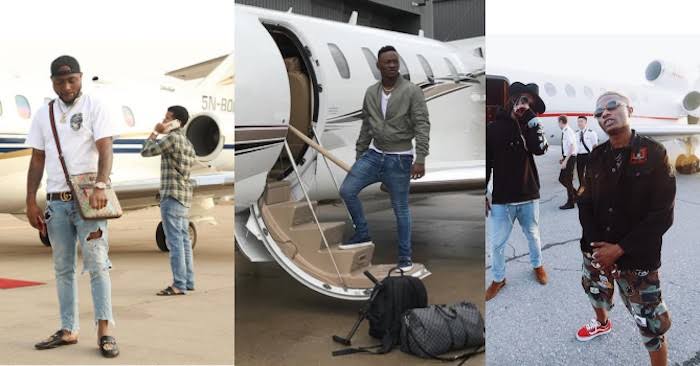
Spontaneous private jet rentals by Nigerian celebrities are often perceived as acts of luxury. The reality involves a complex network of aviation regulations, operational protocols, and coordination across multiple service providers. A one-day jet hire on short notice requires synchronization between the star’s team, the aviation company, airport authorities, ground handlers, catering services, and security personnel.
The process is tightly regulated. Aircraft availability, crew scheduling, airspace clearance, and fuel logistics must all be executed within strict timelines. Despite public perception of spontaneity, each successful flight depends on methodical, pre-planned steps and adherence to aviation safety standards.
This documentation details the sequential operations involved in such a one-day jet rental, reflecting both the challenges and procedural requirements of executing a same-day private flight in Lagos. All steps are based on standard practices observed in Nigerian private aviation.
Request and Initial Confirmation
The process begins when the celebrity’s team contacts the aviation operator to request a same-day flight. The operator immediately checks aircraft availability, verifying the type, seating capacity, range, and readiness. Turboprop or light jet models are typically preferred for short-notice rentals due to their rapid pre-flight preparation.
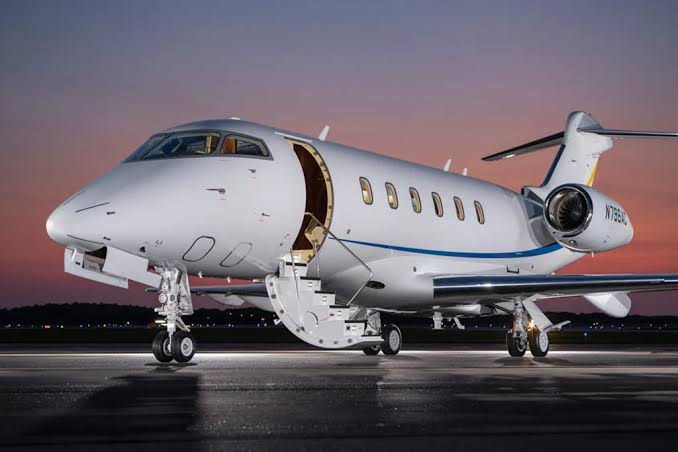
Passenger details, including names, departure and destination airports, estimated boarding time, and any specific requirements, are submitted to the operations manager. These details trigger verification of the airframe, the assigned crew, and regulatory compliance checks. Nigerian Civil Aviation Authority rules require confirmation of passenger identification, valid airworthiness certificates, and coordination with the airport authority for tarmac access.
Once the operator confirms availability, preliminary security arrangements are initiated. At this stage, the flight request enters a structured operational workflow. The celebrity’s team begins internal preparations, reviewing meetings, travel documents, and wardrobe considerations to ensure the flight proceeds without delay.
The combination of regulatory compliance, operational checks, and team coordination transforms the seemingly impulsive request into a carefully documented procedure. Each decision is logged and cross-verified to maintain accountability.
Operational Coordination
After initial confirmation, flight operations managers coordinate multiple departments to prepare the flight. Pilots and cabin crew receive schedules, passenger information, and safety protocols. Air traffic control is notified of the proposed flight path, altitude, and alternate airports, with expedited approval processes for same-day departures.
Ground technicians perform fuel and maintenance checks, verifying engine performance, hydraulic systems, and avionics. Any discrepancies are addressed immediately. Catering services prepare and deliver pre-ordered meals, and cabin interiors are cleaned and configured to meet passenger specifications.
Coordination occurs in parallel across all departments. Operations control monitors real-time updates, adjusting timing, weight distribution, or security measures as needed. Every modification is recorded to ensure compliance with safety and regulatory standards.
By the conclusion of this stage, preliminary flight readiness is achieved. Operational procedures, regulatory compliance, and passenger requirements are fully documented and cross-verified, reducing the risk of last-minute issues.
Ground Crew Deployment
With operational coordination complete, the ground crew is deployed to the tarmac. Luggage handling, fuel truck positioning, and security sweeps are conducted according to airport regulations. The crew cross-checks passenger manifests and verifies documentation while performing boarding preparations. Fuel loads are confirmed, and contingency reserves are calculated to meet aviation standards.
Security personnel ensure restricted access to the aircraft, monitoring the perimeter until boarding is complete. Maintenance engineers conduct final pre-flight inspections, verifying mechanical, electrical, and safety systems. Operations control remains in continuous communication with both ground and flight teams to ensure alignment with projected departure schedules.
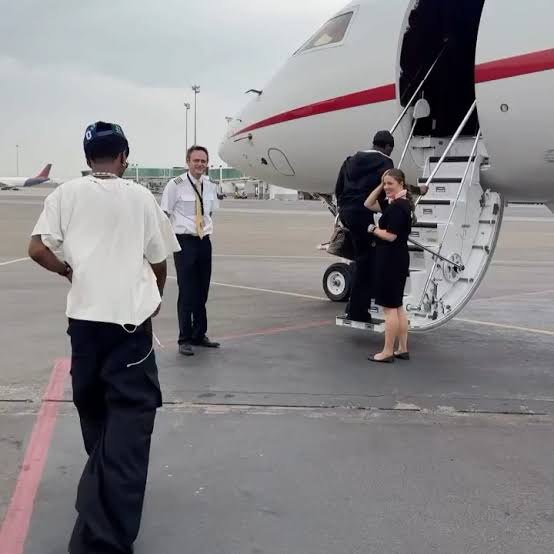
The celebrity’s team simultaneously verifies luggage, confirms special in-flight requirements, and ensures that all travel documents are accounted for. Coordination between personal assistants and ground staff prevents delays during the boarding process.
By the end of this stage, all physical and procedural requirements for departure are confirmed. The aircraft is staged and ready to receive passengers once pre-boarding verification is complete.
Passenger Preparation and Pre-Boarding
As the celebrity and their team arrive at the private terminal, airport personnel conduct security screenings, including identification and boarding verification. Luggage is weighed and inspected for compliance with aviation regulations. Cabin crew perform interior checks, confirming seating arrangements, safety equipment readiness, and cabin environment adjustments.
Final catering deliveries are verified, and any additional passenger preferences are implemented. Pilots review flight paths, weather reports, and air traffic updates, testing communication channels with the operations center. Boarding is coordinated to minimize delays and ensure that all documentation is properly verified before departure.
Cabin crew conduct last-minute safety and comfort checks, and operations management monitors timing to align with airspace clearance and ground traffic conditions. The structured approach ensures that even a short-notice flight adheres fully to regulatory standards and operational protocols.
Boarding and Pre-Takeoff
Once pre-boarding verification is complete, the celebrity and accompanying team proceed onto the aircraft. For high-profile clients such as Burna Boy, Tiwa Savage, or Nollywood stars, security protocols are heightened to maintain discretion and safety. Airport security personnel coordinate with private security details to ensure that the boarding process remains uninterrupted, managing access to the aircraft and surrounding areas.
Cabin crew conduct final checks inside the aircraft, confirming the proper functioning of safety equipment, seating adjustments, and the operation of entertainment systems. Catering deliveries, which may include personalized meals or beverages requested by the celebrity, are securely stowed. Pilots verify all operational details, reviewing flight plans, weight and balance calculations, and fuel loads. For celebrities traveling on short notice, flight plans are often filed with expedited approvals to accommodate same-day departures.
Meanwhile, the celebrity’s team verifies personal items, ensuring that luggage and equipment such as instruments, recording gear, or media kits are properly secured. Tiwa Savage’s team, for instance, often coordinates instruments and backup equipment when traveling between cities for performances, requiring meticulous handling to avoid damage. Burna Boy’s assistants may confirm wardrobe changes or stage props for immediate post-landing events, integrating logistics with ongoing performance schedules.
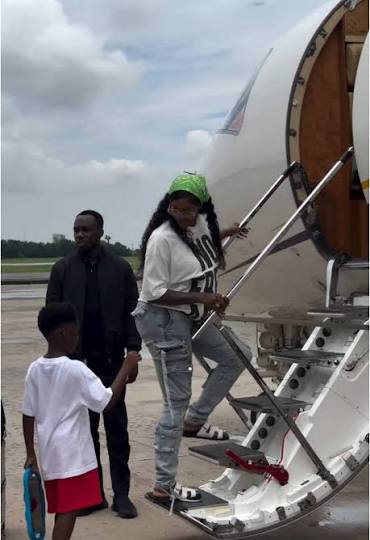
The operations control center maintains continuous communication with both the cockpit and ground crew. Adjustments to timing, taxiway access, or last-minute clearance requests are transmitted in real time to ensure synchronization. By the end of this stage, the aircraft is fully ready, and the boarding process is completed with both passenger comfort and regulatory compliance secured.
Takeoff Procedures and Airspace Coordination
Once the aircraft doors are closed and all final checks completed, pilots taxi to the designated runway under the guidance of airport control. For Nigerian private flights, coordination with Lagos or Abuja Airport authorities is critical to ensure priority access to the runway without interfering with commercial operations. Celebrities such as Wizkid, who frequently travel for international shows, rely on operators experienced in handling last-minute clearance requests.
Before takeoff, pilots conduct comprehensive system checks, including engine performance, avionics functionality, and fuel systems verification. Air traffic control monitors the aircraft’s trajectory, providing clearance for takeoff and routing instructions for initial altitude and speed. For same-day private flights, these approvals must be coordinated quickly to avoid congestion in busy airspaces.
Cabin crew brief passengers on safety procedures, including emergency exits, seatbelt operation, and in-flight protocols. Celebrities often receive additional briefings to accommodate their unique needs, such as media or press obligations upon arrival, or travel with large entourages. Davido, for example, may travel with an expanded team including stylist, manager, and security personnel, all of whom are included in the boarding and safety process.
Once cleared, the aircraft proceeds with takeoff, and pilots follow pre-approved routes to ensure efficient navigation and adherence to aviation standards. The operations control center continues to monitor the flight, providing real-time updates to ground personnel at the destination airport to coordinate landing procedures and immediate ground handling.
In-Flight Operations
During the flight, cabin crew maintain passenger comfort while monitoring cabin conditions, including air temperature, oxygen levels, and seating adjustments. For longer routes, celebrities mostly musicians may engage in meetings, recording sessions, or media interactions onboard, which requires additional logistical preparation prior to departure.
Pilots maintain constant communication with air traffic control, adjusting flight paths if weather or airspace conditions change. For short-notice flights, alternative airports are pre-identified in case of unexpected events. Private operators prioritize flexibility and contingency planning, particularly when transporting high-profile passengers whose schedules are tightly constrained.
The flight team manages both operational requirements and passenger-specific considerations. Personalized meals are served according to pre-stated preferences, entertainment systems are prepared for presentations or relaxation, and any sensitive equipment or instruments are secured. Celebrities like Wizkid traveling for performances often require instrument storage or portable recording equipment to remain functional in transit.
Throughout the journey, the operations control center tracks the aircraft’s position, fuel consumption, and estimated arrival time. This information is continuously relayed to destination ground teams to ensure smooth disembarkation and prompt ground handling upon arrival.
Landing Procedures and Ground Coordination
As the aircraft approaches its destination, the pilots communicate continuously with air traffic control to confirm approach routes, runway assignment, and taxiing instructions. Airports hosting private flights, whether in Abuja, Lagos, or Port Harcourt, maintain dedicated zones for executive aviation, minimizing interference with commercial traffic. For celebrities such as Burna Boy or Timaya, this coordination also ensures that security and logistics teams are positioned for immediate reception upon landing.
Cabin crew prepare passengers for arrival, confirming seatbelts, securing loose items, and briefing them on disembarkation procedures. High-profile travelers often require additional discretion, with private ground entrances, exclusive waiting areas, and controlled access to vehicles or buses that will transport them directly to their next destination. For instance, frequently coordinates with event organizers or media representatives to manage arrival schedules seamlessly, avoiding public exposure until planned engagements are completed.
Ground handling teams, already in position prior to landing, ensure that baggage is unloaded efficiently and securely. Any sensitive equipment, musical instruments, or media gear carried by Kizz Daniel or Olamide is carefully supervised by dedicated personnel. Fuel trucks, maintenance crews, and cleaning staff prepare the aircraft for potential follow-up flights, minimizing downtime and ensuring regulatory compliance for the next operation.
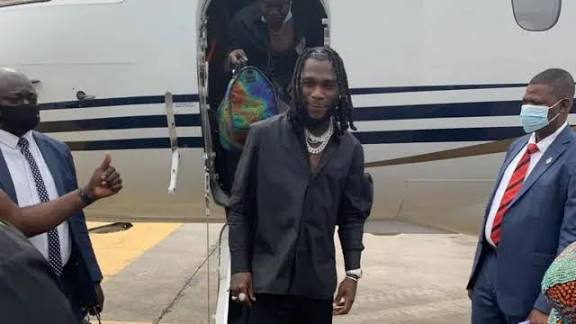
The operations control center oversees all landing procedures, verifying that runway clearance, taxi instructions, and security protocols are executed according to plan. For same-day flights, immediate coordination with local transport teams ensures that the celebrity can depart the airport without delay, maintaining both schedule adherence and privacy.
Post-Flight Handling and Documentation
After disembarkation, the aircraft undergoes post-flight checks conducted by maintenance engineers. These inspections include reviewing engine performance, hydraulic systems, avionics diagnostics, and safety equipment. Any irregularities are logged and addressed before the aircraft is cleared for its next flight. Catering leftovers are removed, interior cleaning is performed, and cabin readiness for subsequent flights is confirmed.
Simultaneously, the celebrity’s team verifies that all luggage, equipment, and personal items have been accounted for. Managers often coordinate with venue teams, media representatives, or event organizers to confirm arrival schedules, while security personnel ensure safe transfer to waiting vehicles. Wizkid, for example, may require simultaneous coordination with recording studios, performance venues, or promotional appearances, integrating air travel into an ongoing operational timeline.
Administrative documentation is completed to ensure regulatory compliance. Flight logs, passenger manifests, and operational checklists are filed with the aviation operator and, if required, submitted to the Nigerian Civil Aviation Authority. Fuel consumption, flight duration, and operational observations are recorded for both accountability and future planning, particularly for same-day flights where turnaround time is critical.
Finally, post-flight debriefs occur between pilots, cabin crew, ground handlers, and operations management. Any challenges encountered during the day—ranging from minor delays to operational adjustments—are discussed and logged. This ensures that future flights, whether for the same celebrity or other high-profile clients, can be executed with greater efficiency and reliability.
Closing Reflection: The Infrastructure Behind Impulse
What appears to the public as a single moment of luxury—a celebrity stepping onto a private jet and disappearing into the sky—is in fact the result of a highly coordinated, procedural operation. Every detail, from initial request to post-flight documentation, relies on regulatory compliance, logistical expertise, and precise communication across multiple teams.
For Nigerian celebrities, spontaneous flights are not purely indulgent. They are carefully orchestrated operations designed to maintain schedules, protect assets, and ensure safety. The day-long orchestration of a one-day rental illustrates the complex interplay between personal ambition and professional aviation infrastructure.
Even when executed “on a whim,” these flights are meticulously planned, relying on the coordination of pilots, ground crews, catering services, security personnel, and operations managers. Each element is essential to transforming a moment of impulsive decision into a seamless, verifiable, and safe journey for public figures.

Ultimately, the logistics of a one-day jet rental in Nigeria reflect both the possibilities afforded by modern private aviation and the invisible labor that ensures each flight is executed to the highest standards of operational excellence. The luxury, while visible, is built on a foundation of precise documentation, coordination, and expertise.