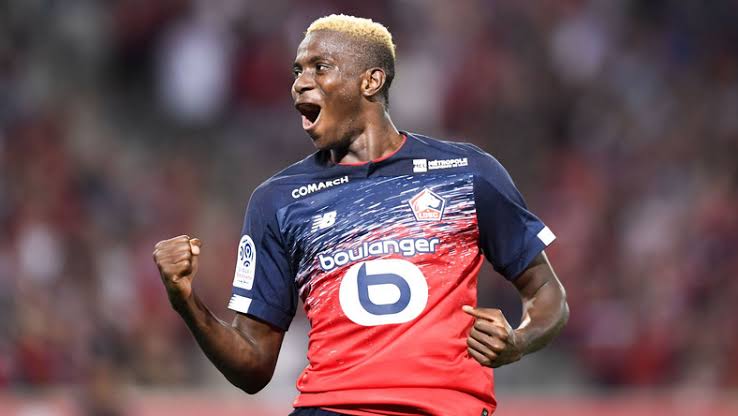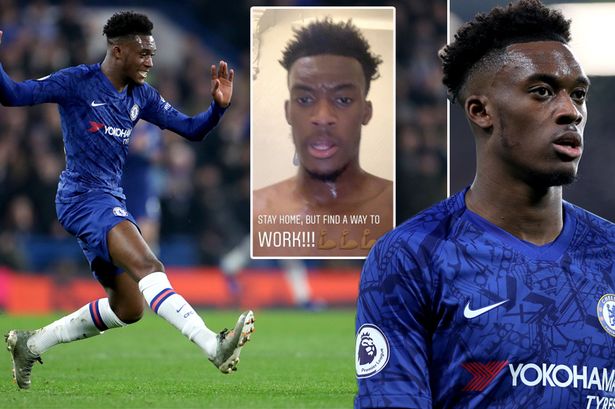
Modern football is built around patterns. Players are developed to fit positional templates, teams rehearse passing sequences until they become instinctive, and opposition analysts model behaviour down to pressing triggers and recovery runs. Yet within this increasingly standardised environment, certain players continue to operate outside familiar shapes. They dribble when circulation is expected, drop into spaces usually left vacant, strike the ball from angles most forwards avoid, or take responsibility from positions traditionally defined by restraint. These are the footballers with the most unorthodox playing styles, and their impact is felt not in isolated moments of flair, but in how they quietly reshape defensive decisions, team structure, and match outcomes.
What makes this subject important is that these deviations are rarely cosmetic. When an unconventional movement or technique becomes repeatable, it changes how teams recruit, how coaches build systems, and how careers unfold. A striker who reorganises midfield lines alters squad balance. A goalkeeper who participates in buildup affects defensive height and pressing schemes. A winger who insists on direct confrontation forces additional cover, opening space elsewhere. Over time, these behaviours influence development pathways, determine which profiles clubs prioritise, and create advantages that opponents must actively plan around. In a game now driven by data models and tactical predictability, the players who fall outside those models often introduce the kind of uncertainty that still decides high level matches.
The central thread running through these examples is not eccentricity for its own sake, but structure. Unorthodox football only works when it is supported by positioning around it, rehearsed in training, and integrated into collective play. Some styles endure because teammates fill the spaces they leave behind. Others succeed because coaches design systems that absorb their risk while amplifying their strengths. And when these conditions are met, what looks unusual on the surface becomes a consistent source of pressure on opponents, forcing defenders into unfamiliar choices and reshaping how space is defended.
Understanding why certain unconventional approaches succeed while others fade offers insight into how modern teams evolve, how recruitment decisions are made, and how tactical ideas travel from one league to another. From space interpreting attackers to deep playmaking midfielders, expressive wingers, and adventurous goalkeepers, the patterns behind these careers reveal as much about contemporary football structures as they do about individual talent.
Defining Unorthodox in Football Terms and Why it Matters
Unorthodox playing styles are not simply flashy dribbles or eccentric celebrations. In football terms, an unorthodox style is any consistent way of playing that departs meaningfully from positional prototypes or role expectations yet produces repeatable team benefit. That can look like a striker who spends most of a match operating between midfield lines, a goalkeeper who regularly takes free kicks and penalties, a deep lying playmaker who converts a defensive third into an attacking platform, or a winger whose first instinct is not to hug the touchline but to drift centrally and carry the ball into heavy traffic.
What makes these behaviors unorthodox is less their novelty and more the fact that they force opponents and teammates to reinterpret standard cues. Defenders trained to mark size will suddenly face aerial tricks. Midfielders accustomed to a classical number six will be drawn into space by a number nine who drops deep. Coaches expecting a predictable left winger must now plan for someone who inverts, dribbles, and finishes.
Understanding unorthodox players matters because modern football is both more analytic and more adaptive than ever. Clubs have resources to model expected goals, pressing maps and passing sequences, but those models assume prototypical behaviours. When a player consistently behaves outside those expectations and still delivers outcomes, it exposes gaps in scouting, coaching and opponent preparation.
The presence of an unorthodox performer changes development pathways for younger players, because academies must decide whether to suppress eccentric traits or cultivate them. It changes competitive balance, because teams that can integrate or neutralise oddities gain advantage. It affects careers, because some unorthodox players enjoy longer windows of value precisely because their methods are hard to replicate. And it forces clubs to rethink recruitment and coaching: how do you sign and then refine someone whose value comes from doing the unexpected on purpose? The question is not novelty for novelty sake. The question is how repeatable deviation becomes tactical leverage when supported by team structure and coaching.
At a high level the mechanisms are straightforward to describe even if the execution is messy. Unorthodox styles work through deception and disguise, by remapping space, by hybridising roles so opponents cannot mark using standard templates, or by exploiting cognitive mismatches where human defenders continue to rely on conventional cues. In many cases the unorthodox action is not inherently superior to the orthodox one; it is superior because it is less anticipated. Repeatability then matters. A trick that works once is a novelty. One that works hundreds of times becomes a technique worth coaching.
How to Tell When an Unorthodox Style Actually Works
Not every unusual way of playing deserves attention. Football is full of eccentric moments, awkward techniques, and one season wonders that look striking on highlights but disappear once opponents adjust. The difference between curiosity and tactical value is consistency, and that is where evaluation really begins.
The first thing to look for is whether the behaviour repeats itself across matches and contexts. A striker who produces one season of improbable finishes or a winger who strings together a few spectacular dribbles does not yet tell a story. What matters is whether the same patterns appear week after week, against different opponents, inside different game states. If a player continues to arrive in the same spaces, execute the same movements, or influence play in the same unconventional way even after teams have had time to prepare, that is usually the first sign the style has substance.
From there, the question becomes impact. Modern football offers enough data to move beyond vague impressions. Goals and assists still matter, but so do the quieter indicators: how often a player’s movement creates chances for others, how frequently their positioning draws defenders out of shape, or how their involvement changes the quality of shots taken by teammates. An unorthodox goalkeeper who scores free kicks, for example, does not only add goals directly. He changes how opponents organise walls, where rebounds fall, and how defensive resources are allocated on set pieces. Those secondary effects are often where the real value lies. If an unusual action does not leave any measurable footprint on team output, it may be entertaining, but it is unlikely to be strategically important.
Just as crucial is whether the team is built to support the deviation. Unorthodox football rarely succeeds in isolation. It needs structure around it. A forward who drops into midfield requires runners ahead of him. A deep playmaker needs protection behind. A roaming winger needs positional discipline elsewhere. Coaches who succeed with unconventional players usually design training patterns, pressing triggers, and positional rotations specifically to preserve what makes that player different while maintaining collective balance. Without that support, individuality quickly becomes exposed.
Finally, every unorthodox style carries trade offs, and recognising them is part of serious analysis. A striker who vacates the box to create overloads can leave his team vulnerable on second balls. A goalkeeper who steps high may expose space behind the defence. A dribbler who attacks relentlessly can destabilise counterpressing if possession is lost. These failure modes do not invalidate the style, but they explain why certain players thrive only under particular managers or within specific tactical frameworks.
When these elements come together, repetition, measurable influence, structural backing, and clearly defined risks, it becomes easier to separate genuine tactical innovation from simple oddity. The players worth studying are not just the ones who look different. They are the ones whose differences persist, shape how opponents defend, and force teams to organise around them.
Taxonomy of Unorthodox Types
To make sense of the many ways players deviate from orthodox roles, it helps to classify unorthodox styles into practical categories. The taxonomy below is functional: each type describes a broad family of behaviours and points to the tactical logic that explains why the behaviour can be effective.
Role hybridisers
These players blend nominal positions in ways that confuse simple marking templates. Examples are strikers who habitually drop into midfield and act as secondary playmakers, or midfielders who regularly invert into full back channels. The tactical logic is that hybridisation forces opponents to make uncomfortable decisions about who follows and who stays. If a central defender steps up to follow a dropping striker, space opens behind for runners. Hybridisers rely on timing, positional intelligence and team members willing to cover altered responsibilities.
Spatial interpreters
Some players reinterpret zones on the pitch rather than simply occupying them. The Raumdeuter idea is part of this category but it extends beyond a single German concept. Spatial interpreters identify and attack pockets of weak coverage that are not traditional zones, such as the half space between a left back and a left centre back when a full back inverts. Their value is in occupying and timing runs into those pockets, which creates high quality chance profiles because opponents rarely train specifically for those micro spaces.
Technical oddities
This category covers unconventional technical specialisms that are still reliable. It includes goalkeepers who take free kicks and penalties, outfield players with idiosyncratic set piece routines, or attackers who finish predominantly with the outside of their boot in situations where other players would not. The success mechanism is technical proficiency combined with opponent surprise. If the technique can be practised until repeatable under pressure, it turns a novelty into a weapon.
Body mechanics and physical mismatches
Some players exploit physical profiles in unexpected ways: a very tall player with delicate first touch and passing range, or a short player who plays at a surprisingly languid tempo but wins more duels than expected. These mismatches matter because they create problems for opposition coaches who prepare personnel around size or speed expectations. Tactical systems that use a physical outlier as a fulcrum can unsettle marking schemes that are normally based on averages.
Psychological specialists
A smaller but potent category includes players who deliberately manipulate tempo, provoke opponents, or use ritualised actions to influence referees and defenders. Their unorthodoxy is behavioural rather than purely technical. When properly controlled these behaviours can tilt micro decisions in favour of the unorthodox player’s team, for instance by drawing fouls in specific areas or disrupting an opponent’s rhythm.
Role expanders
These are players who take on responsibilities usually outside their position, such as a defender who becomes a primary playmaker in build up, or a midfielder who assumes the role of designated set piece taker despite being nominally defensive. The tactical value is multiplicative because it adds an extra functional layer to the team without necessarily requiring a substitution.
Disguised movement specialists
These players deliberately use false cues and body language to mislead defenders. The success of such deception depends on perceptual research showing that opponents use early kinematic and contextual cues to predict action. If a player can mask these cues consistently, they create split second advantage that translates into higher probability chances.
This taxonomy is not rigid. Many players occupy multiple categories and may evolve from one type to another as coaches refine their role. What ties them together is the same core pattern: they deviate from prototype expectations but do so in ways that can be learned, repeated and supported by team design.
12 Footballers With the Most Unorthodox Playing Styles
These profiles focus on players whose ways of playing repeatedly change how matches unfold. Each subheading explains what makes the style unusual, how it functions inside a team, and the practical consequences opponents face when they meet it. The aim is not to glorify novelty, but to show why certain deviations from positional prototypes are not occasional tricks but sustainable tactical assets.
-
Thomas Müller

Thomas Müller’s value has always been easy to miss for anyone expecting a textbook forward. He rarely produces long solo runs or mesmerising dribbles, and he does not dominate defenders physically. Instead, his entire game revolves around reading defensive attention and timing his movement into spaces that appear only briefly during attacking sequences.
Bayern’s attacking structure is crucial to understanding Müller. Their wide players hold width, fullbacks overlap aggressively, and midfielders circulate the ball at speed. This horizontal stretching forces defensive lines to slide constantly. Müller positions himself between these shifts. He drifts into the narrow corridors between centre back and fullback, arrives late at the penalty spot after defenders have already committed elsewhere, or pulls into half spaces that are momentarily unoccupied.
What makes this unorthodox is that Müller does not claim territory early. He waits. He allows the defence to organise itself around the ball, then attacks the space that organisation leaves behind. If a centre back steps out to follow him, Bayern exploit the channel behind with runners. If midfielders track him instead, Bayern gain central overloads. Either way, the defensive structure is forced into compromise.
Over multiple seasons, this pattern has produced consistent goal and assist numbers despite Müller often having fewer touches than other attackers. His influence comes from arriving, not carrying. Analysts who track arrival zones and expected goal contributions regularly highlight Müller’s ability to generate high quality chances from late movement rather than prolonged possession. His game demonstrates that positional intelligence can replace traditional attacking attributes when embedded inside a well rehearsed system.
-
Andrea Pirlo
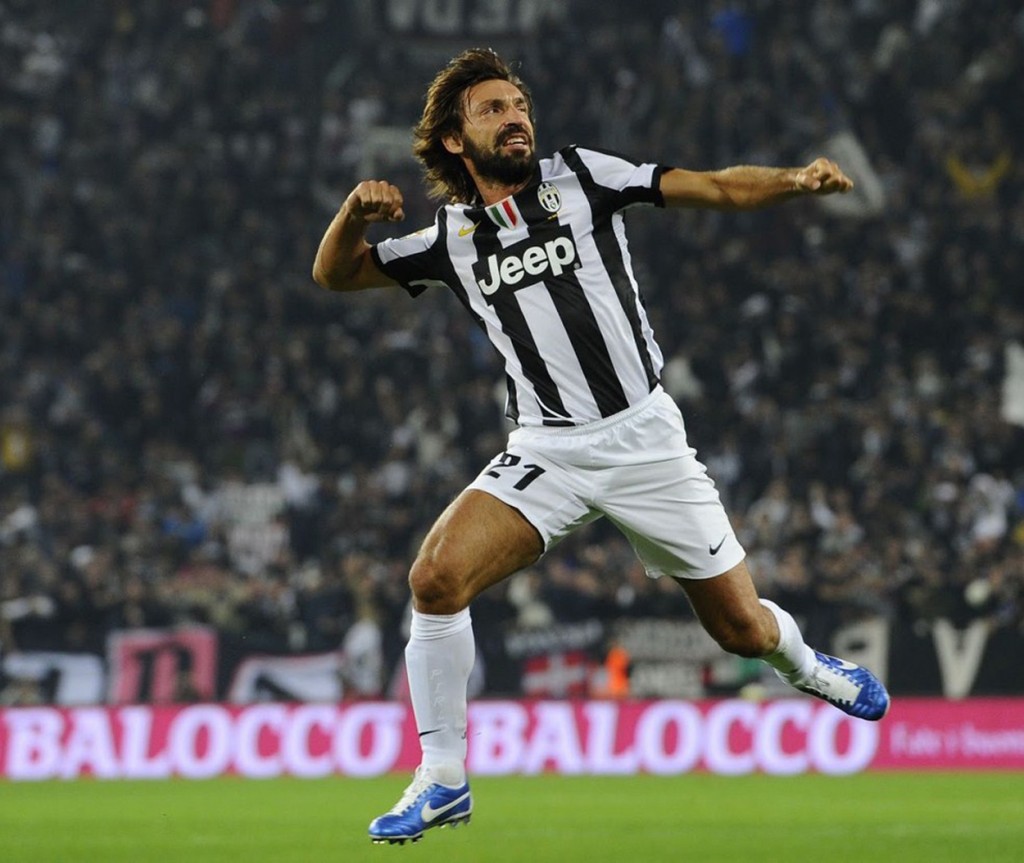
Andrea Pirlo changed how creativity could be organised on the pitch by operating far deeper than traditional playmakers. Instead of receiving between opposition lines, Pirlo positioned himself in front of his own defence, often collecting the ball under pressure and using that pressure as a trigger to accelerate play forward.
This was unorthodox because creative players were normally placed higher up the pitch, closer to goal. Pirlo traded proximity for visibility. From deeper areas, he could see the entire shape of the opposition, allowing him to choose between diagonal switches, vertical passes, or controlled recycling depending on how defenders stepped.
His success depended on structural balance. At AC Milan, Pirlo was paired with energetic midfielders who covered ground and absorbed defensive responsibility. Centre backs were comfortable stepping forward with the ball, and fullbacks provided width early. This allowed Pirlo to dictate tempo without exposing the team in transition.
Opponents faced a dilemma. Press him aggressively and risk leaving space behind. Sit off and allow him time to orchestrate. Either option carried cost. Pirlo’s passing range meant he could bypass entire pressing lines with a single ball, turning defensive possession into immediate attacking opportunity.
His influence did not end with his own career. The regista role that followed is directly shaped by Pirlo’s example. Modern deep playmakers are judged not just on defensive discipline but on their ability to control matches from deep, a standard Pirlo helped establish.
-
Peter Crouch
Peter Crouch initially looks like a conventional target man. Tall, long limbed, dominant in the air. But the unorthodox element of his game was how comfortably he combined that physical profile with genuine technical ability.
Crouch did not merely contest aerial balls. He controlled them, flicked them into channels, and linked play under pressure. Defenders prepared for headers but often underestimated his first touch and spatial awareness. When long balls were played into him, he regularly redirected possession rather than simply competing for territory.
This created second phase problems for opponents. Teams that focused on winning the initial aerial duel found themselves vulnerable to knock downs and quick combinations. Midfielders were drawn toward Crouch, opening space elsewhere. Fullbacks were forced to collapse inward, freeing wide areas.
His goal record reflects this dual threat. A high proportion came from headers, but many originated from sequences where his touch or movement initiated the attack. Over time, defenders were forced to choose between contesting the first ball or preparing for what followed. That hesitation repeatedly benefited teams built around his unusual blend of height and technique.
-
Zlatan Ibrahimović
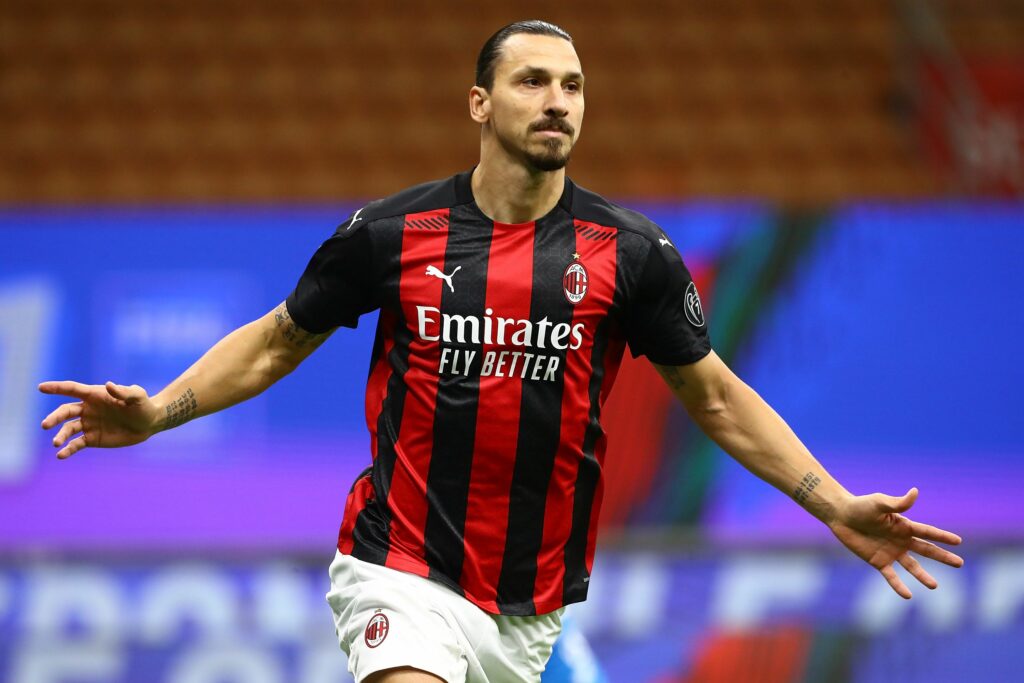
Zlatan Ibrahimović’s unorthodoxy lies in how he combines physical dominance with unconventional finishing. His goals often come from angles and body positions that defenders do not expect: spinning volleys, backheels, acrobatic strikes, and shots taken with minimal preparation.
This is not random flair. Zlatan rehearsed these techniques relentlessly. His teams structured attacks to feed him in areas where he could use his body to shield the ball and create shooting opportunities from awkward positions. Wingers were instructed to play into his feet. Midfielders anticipated second balls. Fullbacks provided width while he occupied central defenders.
The tactical consequence is persistent uncertainty. Defenders cannot rely on standard blocking shapes because Zlatan can shoot early, shoot late, or strike across his body. Goalkeepers struggle to read his intent. That delay creates marginal advantages that accumulate over ninety minutes.
His presence also reshaped defensive lines. Centre backs were forced to stay tight, opening space for runners. Opponents committed additional markers, creating overloads elsewhere. Zlatan’s improvisation worked because it was integrated into collective movement, turning individual unpredictability into repeatable team benefit.
-
Jorge Campos
Jorge Campos blurred positional boundaries long before modern sweeping goalkeepers became fashionable. He regularly rushed off his line to intercept through balls, acted as an auxiliary defender, and at times even played as a winger or striker at club level.
This was not theatrical excess. Campos’s mobility and ball control allowed his teams to hold higher defensive lines and compress space more aggressively. Counterattacks were riskier for opponents because Campos often arrived early to shut them down. In possession, his comfort with the ball gave his team an extra passing option during buildup.
Opponents faced two problems. They had to account for a goalkeeper who might leave his area during transitions, and they could not assume that winning possession would lead to immediate territorial gain. Campos turned the goalkeeper position into an active part of team shape, forcing tactical recalibration from opponents.
-
Rogério Ceni
Rogério Ceni represents one of football’s most extreme examples of role expansion. Over his career at São Paulo, he scored more than one hundred goals from penalties and free kicks while remaining first choice goalkeeper.
This changed how matches unfolded. Opponents had to build defensive walls knowing the shooter was also the goalkeeper. Marker assignments shifted. Rebound positioning altered. Psychological dynamics changed because conceding fouls around the box now carried different risks.
Beyond scoring, Ceni’s technical comfort in possession allowed São Paulo to build from the back with confidence. His presence enabled higher defensive lines and cleaner circulation under pressure. His goals were not novelty moments. They were integrated into São Paulo’s tactical planning, adding a layer of attacking value without sacrificing defensive structure.
-
Jorginho
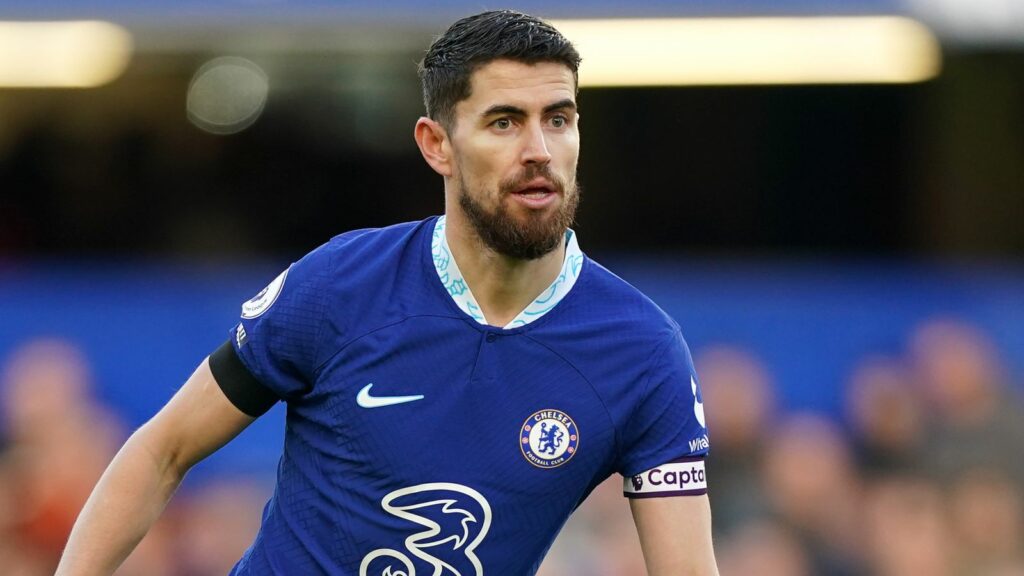
Jorginho’s unorthodoxy is subtle. He controls matches through body orientation, scanning habits, and passing rhythm rather than through athletic dominance. His game revolves around provoking pressure, then exploiting the space that pressure creates.
In possession, he constantly opens his body before receiving, already preparing the next pass. Pressing midfielders are drawn toward him, and the ball moves immediately into the space they vacate. This creates small but persistent advantages that allow his teams to progress cleanly.
His penalty routine reflects the same logic. The hop delays the strike just long enough to force goalkeepers into early movement. It is psychological as much as technical, designed to extract information before committing to placement. This repeatable oddity has produced a high conversion rate because it exploits human reaction patterns.
Jorginho’s influence lies in how he shapes opponent decisions. He does not overpower teams. He nudges them out of alignment.
-
Khvicha Kvaratskhelia
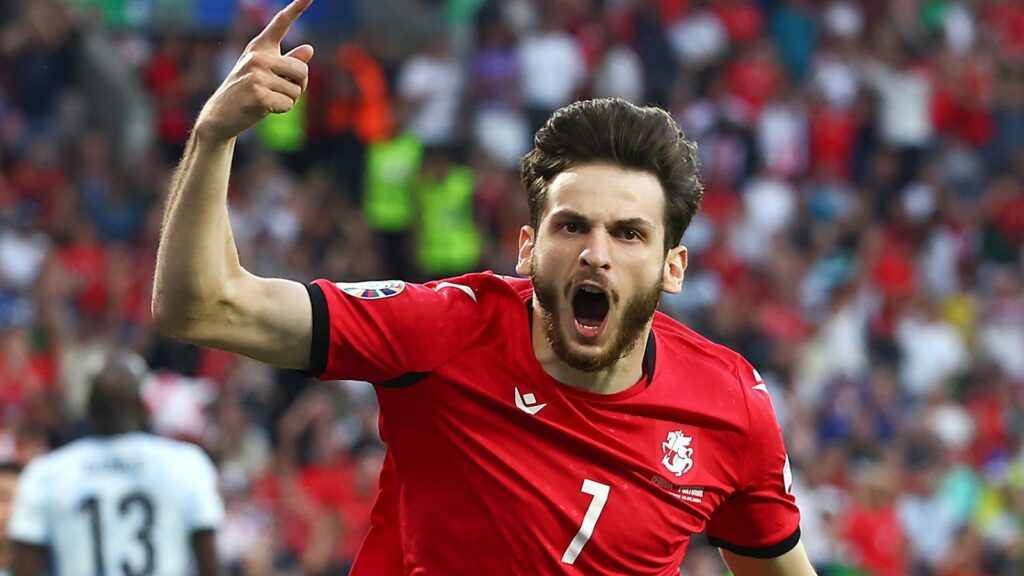
Khvicha Kvaratskhelia brings direct dribbling into systems built around structure. His instinct is to attack defenders one on one, cut inside, and finish moves himself.
At Napoli, this worked because the team was organised to support his risk. The opposite winger held width. Midfielders positioned themselves for second balls. Counterpressing activated immediately after turnovers. This allowed Kvaratskhelia to attempt high risk actions without destabilising the team.
At Paris Saint Germain, his integration followed the same pattern. When surrounded by disciplined positional players, his individualism became an asset rather than a liability. Defenders were forced to commit multiple players, opening space elsewhere. His style shows that expressive wing play can still succeed when embedded inside collective organisation.
-
Harry Kane

Harry Kane has transformed the striker role by combining midfield distribution with elite finishing. He drops into deeper zones to receive possession, plays forward passes into runners, then arrives late in the box to complete moves.
This creates constant defensive uncertainty. Follow him and expose space behind. Hold the line and allow him time on the ball. Bayern’s use of Kane illustrates how a forward can become both organiser and finisher without reducing goal threat.
His movement is not random. Kane varies his positioning based on pressing behaviour, deliberately choosing moments to drop or stay high. This tactical awareness allows his teams to overload midfield while maintaining box presence. Kane’s style shows that positional flexibility, when paired with technical clarity, multiplies attacking options rather than diluting them.
-
George Best
George Best’s career is shorthand for two connected truths about genius in football: first, that rare technical gifts can change the outcome of matches on the spot; second, that high talent and self-destruction sometimes ran on parallel tracks in the 1960s and 70s. Best arrived at Manchester United as a teenager and became a defining figure of the club’s recovery and rise under Matt Busby. He combined pace, feints, two-footedness, instincts for goal and a balance so good that defenders could not unsettle him easily; those qualities made him a match winner in tight games and a constant threat in open play. He was Ballon d’Or winner in 1968 and a key member of United’s European Cup winning squad that same year, milestones that underline how elite his peak was.
Tactically, Best was the archetypal attacking winger of his era who also scored like a forward. He offered width, but unlike orthodox touchline wingers he often attacked down channels and cut inside to shoot, creating overloads because fullbacks were forced into decisions they could not always make cleanly. Match footage and statistical reconstructions of his best seasons show high goal involvement from the left side combined with dribbling runs that destabilised zonal and man marking alike. His ability to change pace and to manipulate body shape made him especially effective in one-on-one situations; defenders who attempted physical containment often found themselves outmuscled technically rather than physically.
Off the pitch, the story is well known and directly relevant to his career arc. Best’s nightlife and alcohol problems progressively shortened his time at the very top; after leaving Manchester United in 1974 he became a high-profile journeyman across clubs and continents before formally retiring. He died in 2005, yet the way pundits and peers still invoke him, Pelé once called him “the best I have ever seen”.
-
Garrincha
Garrincha’s name is the cleanest example of how pure dribbling can alter entire games and tournaments. Playing primarily for Botafogo and Brazil in the 1950s and 60s, he combined explosive acceleration, a low centre of gravity and an arsenal of feints and body tricks that made marking him a near-impossible, sometimes humiliating task for defenders. He was not simply showy: Garrincha’s dribbles regularly created high-probability chances, either by drawing multiple defenders and releasing a strike or by creating crossing opportunities from acute angles. Contemporary match reports and later tactical analyses credit him as the player who effectively reintroduced improvisational one-on-one attack as a match-winning tool for Brazil, especially in the 1958 and 1962 World Cups where he was decisive.
In the 1962 World Cup, when Pelé was injured, Garrincha carried Brazil through the knockout rounds, scoring critical goals against England and Chile and providing the creative engine for their title run. At club level his long tenure with Botafogo produced hundreds of matches and goals and helped make the club a domestic power. His dribbling produced tactical consequences beyond single actions: coaches had to decide whether to double mark him, inviting overloads elsewhere, or give him space and hope collective defence could cover. Neither choice was ideal for the opponent.
Garrincha’s personal life and later decline are part of his story: injuries, alcoholism and poor post-career support curtailed his later performances and life. But tactically his legacy is clear. He made defenders’ job descriptions more complicated, forced teams to rethink wide defensive duties, and demonstrated how individual improvisation can do systematic work in a team’s attacking structure.
-
René Higuita
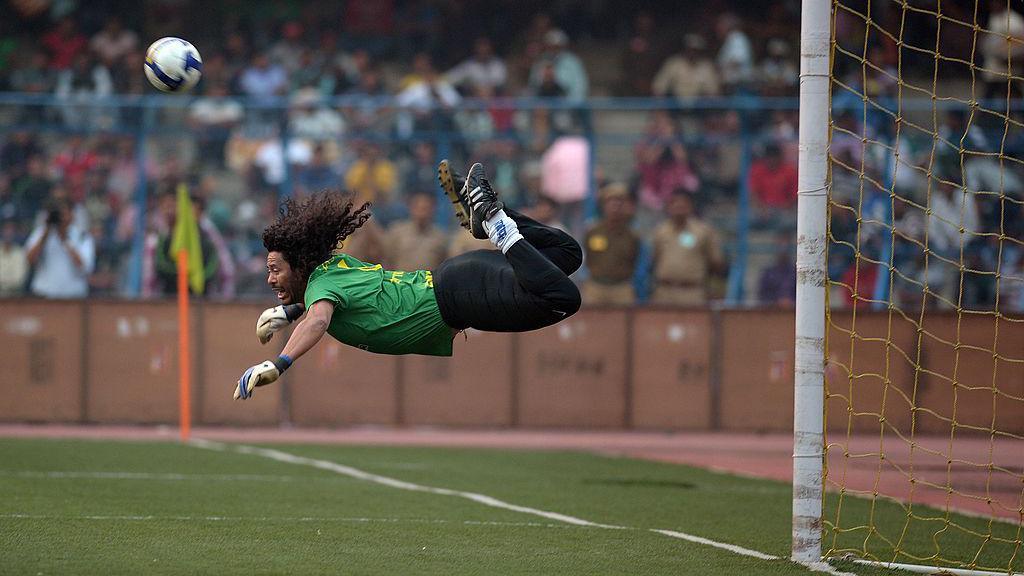
René Higuita’s career sits at the intersection of flamboyance and structural innovation. As Colombia’s goalkeeper in the late 1980s and 1990s, he pioneered what would later be called sweeper-keeper play: frequently leaving his area to intercept through balls, acting as an extra outfield passer, and even taking free kicks and penalties. He embodied a different risk calculus, by accepting positional exposure he granted his team numerical superiority higher up the field and the ability to play a high line confidently. That tactical trade off had real rewards and real costs.
The match that most people still talk about is not a goal he conceded but the showpiece that made his persona global: the scorpion kick at Wembley in 1995, a heel-first clearance executed by launching his legs over his head to flick the ball away. It was theatrical and dangerous, but it was also a deliberate statement about the latitude he took on the pitch. The scorpion is a symbol of his career, audacious, rehearsed, and disruptive to the opponent’s expectation.
Higuita’s risk-heavy approach had immediate tactical downsides, most famously at the 1990 World Cup where his attempt to dribble past Roger Milla of Cameroon ended disastrously and Colombia were eliminated. That mistake is often cited as the clearest example of the downside of extreme outfield involvement by a keeper. Yet the broader tactical genealogy is important: Higuita prefigured the modern expectation that keepers can contribute to build up and that they must be comfortable with feet as well as hands. Modern keepers who play higher lines or step into midfield owe at least part of that evolution to players like Higuita.
Off the pitch, Higuita’s life intersected with Colombia’s fraught 1990s context. He served time in 1993 after acting as an intermediary in a kidnapping case linked to cartel networks, an episode that removed him from international contention and complicated his career. Later he scored a notable number of goals for a goalkeeper and remained a media figure and ambassador for a freer, more creative interpretation of the role. Recent retrospectives around the scorpion kick’s 30th anniversary reinforced his place in goalkeeper folklore while also reexamining the risks he took.
Each of these cases reinforces the same truth: unorthodox football becomes powerful only when it is repeatable and supported by structure. Individual oddity alone rarely wins matches. Oddity embedded into team shape, training patterns, and positional cover becomes something opponents must actively prepare for. Where clubs do that well, unconventional players change games. Where they do not, the same behaviours look like indulgence.
The Common Mechanisms That Make Unorthodox Styles Succeed
Unorthodox football only works when it produces repeatable advantage rather than isolated surprise. At elite level, defenders adapt quickly and coaching staffs catalogue unusual behaviour within weeks. What keeps certain unconventional players effective is not novelty but how their actions reshape opponent decision making and team structure over time. Across very different profiles, from roaming forwards to adventurous goalkeepers, the same patterns emerge in how these styles disturb defensive organisation and create sustainable edges.
Deception and disguise in movement or technique
Most defensive reactions are built on recognition. Players are trained to read body orientation before a pass, stride pattern before a shot, and habitual positioning when tracking runners. Unorthodox players interfere with that recognition.
Thomas Müller delays his runs until defenders have already committed. Kane drops when centre backs expect him to stay high. Jorginho pauses fractionally before releasing the ball. These behaviours force defenders to process information twice instead of once. Sport perception research consistently shows that even small disruptions in expected movement increase reaction time, and at elite pace that delay translates directly into space.
What makes this effective is timing rather than spectacle. Zlatan’s awkward finishing angles, Garrincha’s exaggerated feints, and Higuita’s sweeping advances all arrive outside conventional cues. Defenders hesitate because the usual signals are missing, and structure breaks down in those moments.
Role masking through teammates and system design
No unorthodox style survives on individuality alone. Coaches build systems that absorb risk and redirect benefit.
When Müller vacates central zones, Bayern’s wide players stretch the back line. When Pirlo operated deep, Milan surrounded him with runners who protected transitions. When Kane drops, Bayern’s wingers attack the space behind him. These adjustments are not spontaneous. They are rehearsed positional compensations that allow unusual behaviour to exist inside stable shape.
In practice, this means teammates are deliberately routed into complementary channels so the unconventional action never stands alone. What looks like freedom is usually collective choreography. Without that masking, the same movements would expose structural gaps rather than create advantage.
Cognitive mismatch and statistical leverage
Defensive systems depend on predictability. Fullbacks expect wingers to hold width. Centre backs expect strikers to stay high. Midfielders expect creators to receive between lines. Unorthodox players violate these assumptions repeatedly.
This creates cognitive mismatch. Opponents must decide whether to follow movement or hold shape, and that hesitation opens passing lanes or shooting windows. Kane receiving near the centre circle, Müller arriving from blind zones, or Ceni stepping forward to take free kicks all force defenders into unfamiliar choices.
There is also a statistical dimension. Modern football models expected actions: where shots usually come from, how presses typically unfold, how possession progresses. Unorthodox behaviours often sit outside these assumptions. A goalkeeper taking set pieces or a striker acting as a playmaker introduces variables opponents do not always simulate well. Over many matches, these small deviations increase chance quality or disrupt pressing patterns just enough to matter.
Once these behaviours are rehearsed and repeated, they stop being random. Zlatan’s finishing mechanics, Kane’s dropping patterns, Müller’s arrivals, and Jorginho’s penalty routine all become trained habits. That repetition turns oddity into method.
Systemic Dependencies and Failure Modes
Unorthodox styles are powerful but fragile. They rely heavily on context, physical condition, and tactical support. When any of these erode, the same behaviours that once created advantage can quickly become liabilities.
Where unorthodox styles break down
The most common failure point is against compact low blocks that remove space. Müller’s late arrivals become easier to track. Kane’s drops lose impact when defenders refuse to follow. Dribblers like Kvaratskhelia face immediate double coverage without recovery lanes.
Physical decline matters too. Zlatan’s improvisation depended on mobility and strength. Higuita’s sweeping required explosive acceleration. As those margins shrink, risk rises.
Recruitment mistakes accelerate collapse. A striker who drops needs runners. A deep playmaker needs protection. An expressive winger needs recovery structure behind him. Without compatible profiles, individuality becomes isolation.
How opposition scouting neutralises oddities
Modern opposition analysis shortens novelty. Video breakdowns map movement patterns. Data models identify preferred triggers. Pressing schemes are adjusted. Man marking assignments change.
Centre backs are instructed not to follow Kane. Midfielders are told to block Pirlo’s passing lanes. Goalkeepers study Jorginho’s penalty timing frame by frame. What was once surprising became anticipated.
This is why unorthodox football must evolve continuously. Without variation and structural support, it becomes predictable. With adaptation, it continues to distort defensive expectations and reshape matches.
Conclusion
Unorthodox footballers are not successful because they are different. They succeed because their differences are organised. Every example in this piece points back to the same reality: unusual movement, unconventional technique, or role-breaking positioning only become assets when they are repeated, supported by structure, and understood by teammates. Left on their own, these traits look like risk. Embedded inside coherent systems, they become leverage.
What stands out is how often these players force opponents into uncomfortable choices. Defenders hesitate. Pressing schemes lose clarity. Marking responsibilities blur. Over time, those small disruptions reshape matches more than any single moment of brilliance. Whether it is Müller arriving unseen, Kane reorganising midfield lines, Pirlo dictating play from deep, or goalkeepers stepping beyond traditional limits, the impact is cumulative. These styles alter how space is defended and how decisions are made.
For clubs and coaches, the lesson is straightforward. Recruiting an unorthodox player without designing the team around them usually fails. But when individuality is paired with positional discipline, compatible profiles, and clear tactical intent, it opens avenues that conventional models struggle to contain. Football keeps evolving, but it does not move forward only through new formations or data models. It also moves through players who refuse to fit cleanly into existing categories, and through teams willing to build around that refusal.
In a game increasingly shaped by metrics and predictability, the real edge often lies in what opponents cannot fully standardise. Unorthodox football, when treated seriously and developed properly, remains one of the few ways to keep forcing those uncomfortable questions on the pitch.