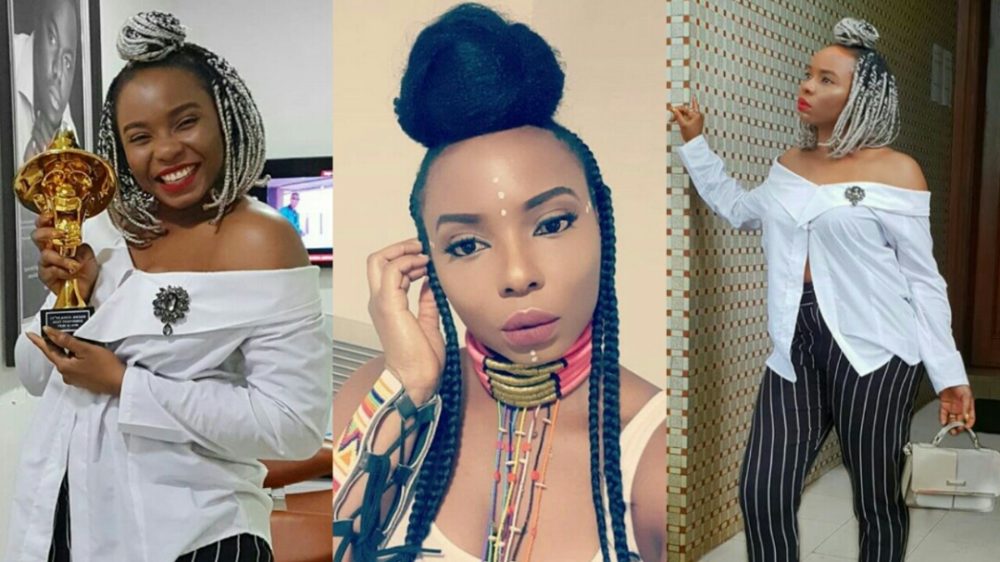
A fresh controversy has erupted in Nollywood, putting Toyin Abraham and her former protégé Abike Shuga in the spotlight.
What started as a mentor–protégé relationship has now turned into a public dispute involving ₦50,000 payment claims, alleged betrayal, and deleted movie scenes. The issue gained attention after Abike shared her experience in a viral video, prompting a response from Toyin.
But beyond the headlines, the situation raises a bigger question: Was this a case of exploitation, misunderstanding, or broken expectations?
Background: How the Rift Began

Before the controversy erupted into public view, Abike Shuga, born Pelumi Olawuni, was widely regarded as part of Toyin Abraham’s creative circle, a rising talent whose early visibility was closely tied to the actress’s platform. She appeared in projects linked to Toyin and often expressed appreciation for the opportunities that helped shape her entry into the industry. At the time, their association projected a mentor-protégé dynamic that many observers saw as mutually beneficial.
Then suddenly, the duo seemed to keep their distance and fans started picking up on subtle but telling changes in their interactions.
By late 2023, speculation had already begun to build. Netizens noticed that both parties had unfollowed each other on Instagram, a move that quickly fuelled assumptions of a breakdown in their relationship. Rumours that they blocked each other on social media as well further deepened the intrigue, although neither side publicly addressed the situation.
The conversation intensified around Abike’s perceived lack of promotion for Malaika, a film in which she played a prominent role. Online narratives began to frame her silence as ingratitude, especially given her earlier association with Toyin’s brand. The situation took another turn when she was seen promoting A Tribe Called Judah, a project by Funke Akindele, during the same period Malaika was still in its promotional cycle. For many fans, this move crossed an unspoken line, particularly against the backdrop of the long-assumed rivalry between the two Nollywood heavyweights.
Her absence from key promotional events linked to Toyin’s projects only added to the speculation. What began observations from their fans soon transformed into a dominant narrative of a strained relationship, setting the stage for the more direct and explosive claims that would eventually follow.
Abike Shuga’s Claims: ₦50K, Cut Scenes & Betrayal

In April 2026, Abike Shuga, born Pelumi Olawuni, released a viral video detailing what she described as a painful breakdown in her relationship with Toyin Abraham, shifting the conversation from speculation to direct allegations of exploitation, control, and betrayal.
She traced the final fallout to her decision to accept a PR package from Funke Akindele for A Tribe Called Judah. According to her, she informed Toyin beforehand and received approval to share an unboxing video. She claimed the situation changed afterwards, alleging that Toyin called her, insulted her, and demanded she take down content related to Malaika, a film they had worked on together.
Beyond the immediate dispute, Abike challenged long-standing narratives about her earnings. She stated she was paid ₦50,000 for two scenes in Ijakumo and ₦500,000 for her role in Malaika, contradicting claims that she earned millions. She compared this to jobs tied to Funke Akindele’s projects, where she said she earned between $600 and $800 for promotional roles in projects like She Must Be Obeyed.
One of her most emotional claims centred on Ijakumo, where she said her scenes were completely removed from the final cut without notice. She explained that she had committed to the project, even turning down a better-paying opportunity, and only discovered her absence after the film’s release, despite promoting it and inviting people to watch what she believed would be her cinema debut. She described the experience as deeply hurtful, noting she chose to cry privately rather than confront the issue at the time.
Abike also accused Toyin of intimidation, alleging she received aggressive voice notes and that attempts were made to discourage other producers from working with her. She dismissed the popular story that Toyin bought her a sewing machine, clarifying that she purchased it herself and only received ₦50,000 in support after her post gained attention online.
Providing context to their earlier relationship, Abike said she had worked as a TV presenter, sold thrift clothing, and learned fashion design before gaining visibility online. She said Toyin reached out after seeing her post, and they first met physically in March 2021 during an audition linked to a production platform associated with Funke Akindele. She went on to secure roles in projects including Ago Alagoand appearances connected to that platform, describing the period as a turning point in her career.
She added that her role in Ago Alago lasted about two weeks and earned her ₦50,000, the same amount she said she received for her Ijakumo scenes. She added that she was grateful for the amount at the time, because she needed it. Not too long after, she began building independent income through content creation and brand promotions, which she described as financially more rewarding.
According to her account, the relationship began to break down during the promotion of Malaika, where she said she played a supporting role and contributed heavily to publicity efforts, including appearing in over 100 promotional videos. She maintained that tensions escalated after the PR box incident, which she said was interpreted as disloyalty despite prior communication.
Abike said attempts to resolve the situation were unsuccessful. She revealed that there were indirect efforts at reconciliation through intermediaries, including skit maker Kamo State, who allegedly suggested she make a TikTok video to signal that things were fine. She declined, stating she chose peace over prolonging the conflict.
Framed as her personal account, the video has since generated widespread engagement, adding a new layer of detail to a dispute that had long been shaped by rumours and online speculation.
Toyin Abraham Responds: Clarifications & Counterclaims

Following the viral claims, Toyin Abraham publicly addressed the controversy, offering a counter-narrative that sought to clarify key points and push back against allegations made by Abike Shuga.
In her response, Toyin confirmed that ₦50,000 was paid for two scenes in Ijakumo, but maintained that the scenes were ultimately removed by the director during the editing process, describing it as a creative decision rather than a personal one. She stressed that the outcome was not intended to undermine Abike’s role in the project.
She also highlighted that Abike was paid ₦500,000 for her role in Malaika, a figure she described as substantial for an emerging actress. According to Toyin, the payments reflected fairness and industry standards, countering claims that Abike had been underpaid.
Beyond the figures, Toyin framed their past relationship as one that extended beyond professional dealings. She stated that she had supported Abike in a mentor-like capacity, at one point describing her as “like a daughter,” and noted that her involvement included personal assistance outside of film projects.
Addressing the wider narrative, Toyin suggested that details circulating online had been misrepresented, contributing to a distorted public perception of events. Her management team echoed this position in a statement, describing the claims as misleading and insisting that all professional obligations had been fulfilled.
Despite the back-and-forth, Toyin signalled a reluctance to escalate the situation further. In posts shared on social media, she indicated that she would not engage in prolonged public exchanges, instead expressing a preference for peace over continued controversy.
Her response added a competing layer to the unfolding story, leaving netizens to weigh two sharply different accounts of the same relationship and its eventual breakdown.
Conclusion: So, Who Betrayed Who?

The Toyin Abraham–Abike Shuga fallout is not a simple case of right or wrong.
From Abike Shuga’s perspective, the issue centres on disappointment and unmet expectations. Her claims focus on the emotional impact of having her scenes removed without prior notice, alongside concerns visibility, and the recognition she believed her efforts deserved after contributing to both filming and promotion.
On the other hand, Toyin Abraham’s response frames the situation within industry norms. She points to editing as a routine creative process that can alter final outcomes regardless of an actor’s involvement, while also maintaining that she fulfilled her financial obligations and extended support beyond the professional scope.
In the end, the situation appears to be a mix of miscommunication, differing expectations, and the realities of the entertainment industry.