Ibadan did not whisper in April 2026, it spoke with weight, rhythm, memory. The Ibadan Cultural Festival returned with a force that felt less like an annual gathering and more like a declaration of identity rooted in history. Between April 10 and April 17 2026, the city transformed into a living canvas where culture stepped forward without apology. Streets carried color, drums echoed across districts, and people arrived not just to watch but to belong. What unfolded was not designed for spectacle alone, it carried intention shaped by heritage, pride, and a quiet understanding that culture survives when it is lived in real time.
This edition drew attention for reasons that went beyond tradition. Something shifted in the atmosphere, something that could not be scripted or packaged. Nollywood figures appeared within the cultural space, not as distant celebrities but as visible participants. Their presence did not disrupt the rhythm of the festival, instead it blended into it. That blend became the spark that pushed the event into wider conversations across Nigeria. Social media clips did not create the story, they simply amplified what was already happening on ground.
Ibadan has always held a unique position in Yoruba history, a city that carries both the weight of its past and the urgency of its present. The festival became a bridge between those two realities. While cultural displays remained central, the visibility of familiar faces from the film industry added a layer that caught public attention. It was not about glamour, it was about presence. That distinction shaped the tone of everything that followed.
The Festival Core: Identity Culture As Living Practice
The Ibadan Cultural Festival is not built around entertainment alone, it operates as a layered platform where tradition, governance, tourism, and identity intersect. The 2026 edition stayed true to that structure. Cultural institutions within Oyo State supported the event, ensuring that the festival reflected authentic Yoruba heritage rather than diluted performances created for quick applause. Every segment carried meaning that connected back to history, belief systems, and communal values.
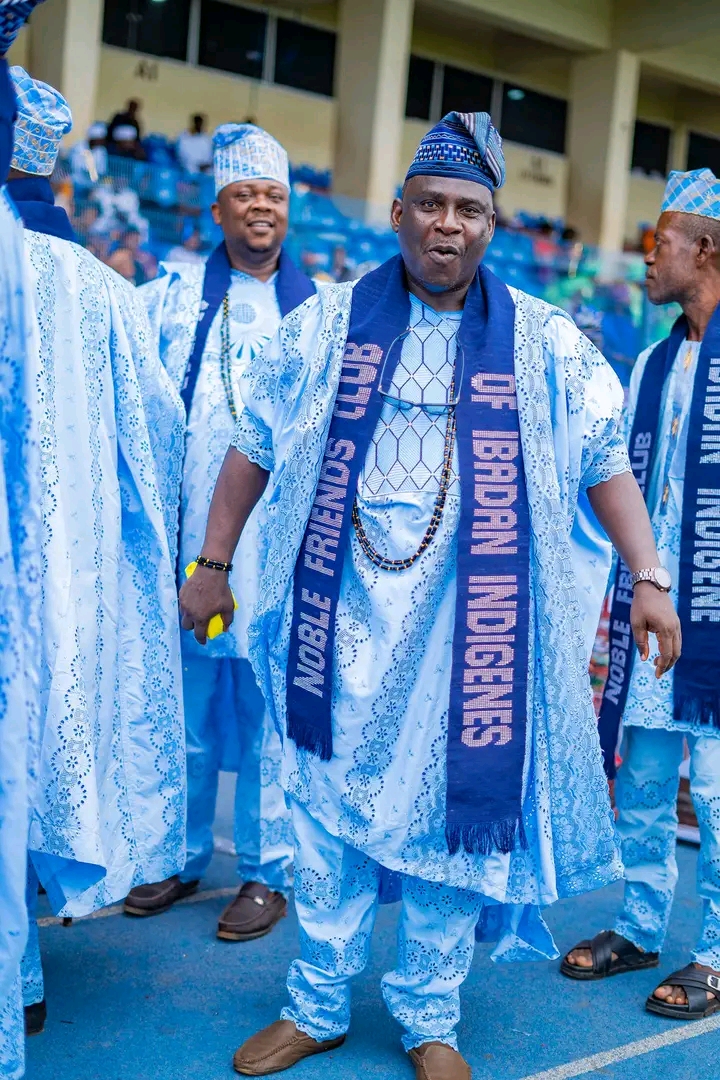
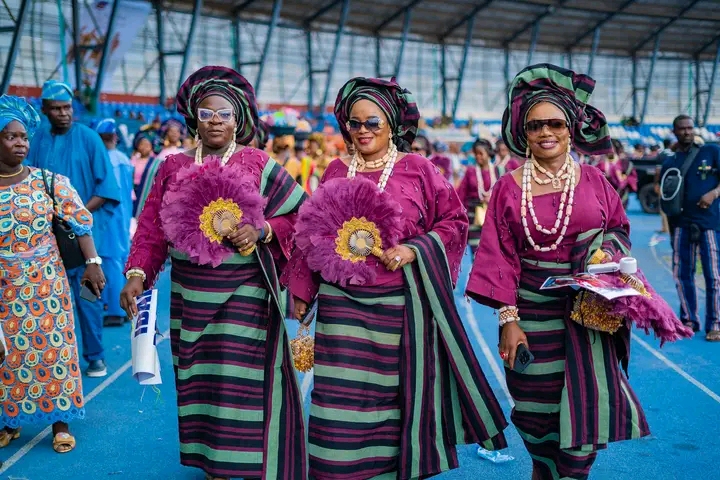
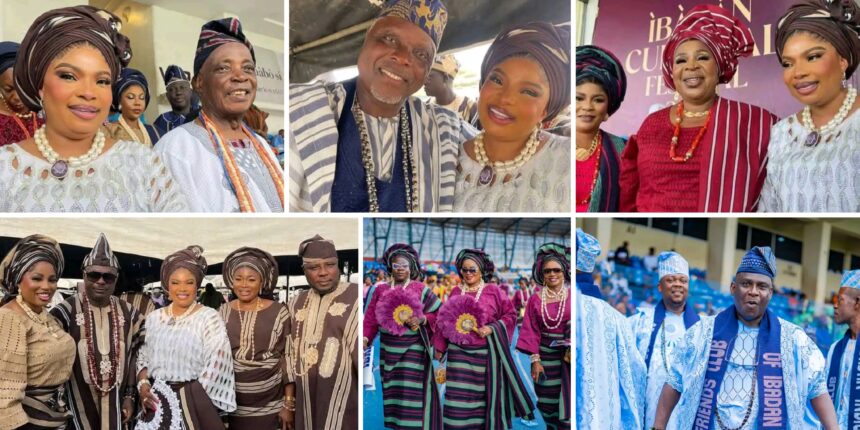
Traditional music formed a strong backbone throughout the festival period. Bata drums and talking drums did more than create rhythm, they communicated stories that many elders could interpret without translation. Dance troupes performed with precision that reflected years of practice rooted in cultural discipline. Attire spoke its own language, with Aso Oke fabrics and carefully styled Agbada outfits turning the festival grounds into a moving exhibition of identity. Each outfit carried subtle signals about status, origin, or cultural alignment.
Storytelling emerged through stage performances that revisited historical moments within Yoruba history. These were not casual reenactments, they carried emotional weight and cultural instruction. Younger attendees were not just entertained, they were exposed to narratives that shaped their lineage. The presence of masquerades added another dimension, one tied deeply to spiritual symbolism. Egungun appearances were treated with respect, reminding everyone that certain aspects of culture exist beyond physical explanation.
Timeline Structure: Events Across Days
The festival did not unfold as a single day event, it followed a structured timeline that allowed different elements to breathe. Activities began around April 10 2026 with smaller community based events that set the tone. Cultural exhibitions, local performances, and youth engagement programs created early momentum. These early days were essential in grounding the festival within the community before larger crowds arrived.
By mid week, attention shifted toward more centralized activities across major cultural grounds within Ibadan. Historical site visits became part of the experience, allowing participants to connect physically with locations that shaped the city’s legacy. These visits added depth to the festival, moving it beyond performance into lived history. Attendees were not just watching culture, they were walking through it.
The final stretch between April 15 and April 17 2026 carried the highest level of visibility. The grand finale drew large crowds to major venues including Lekan Salami Stadium. This phase concentrated performances, appearances, and ceremonial moments into a single peak period. It was within this window that Nollywood presence became clearly visible. Videos that later circulated widely were largely captured during these closing days.
Nollywood Entry
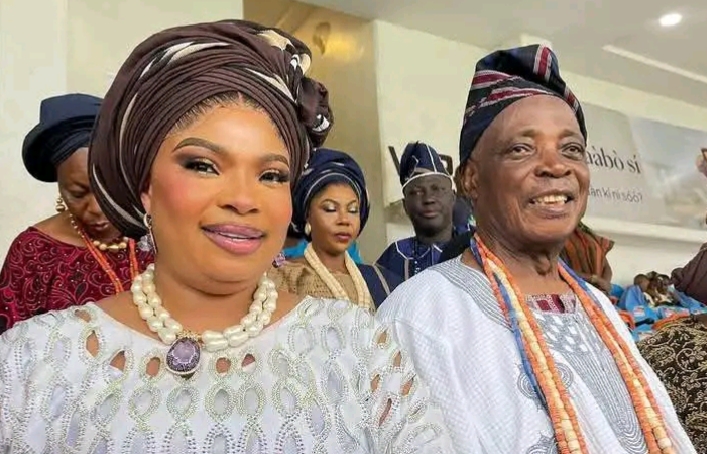
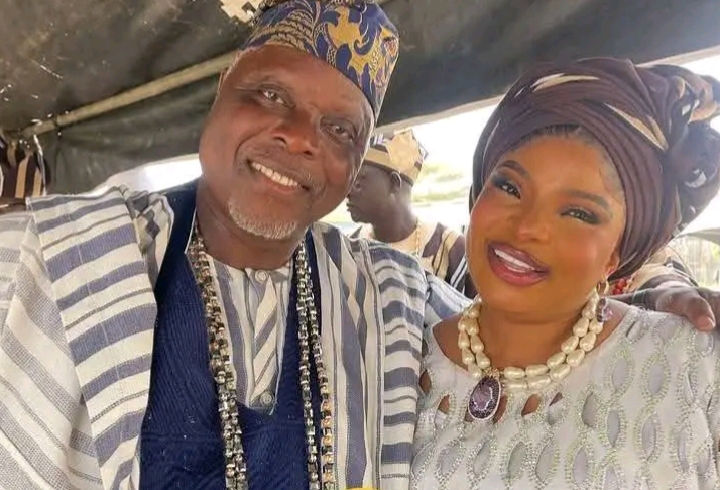
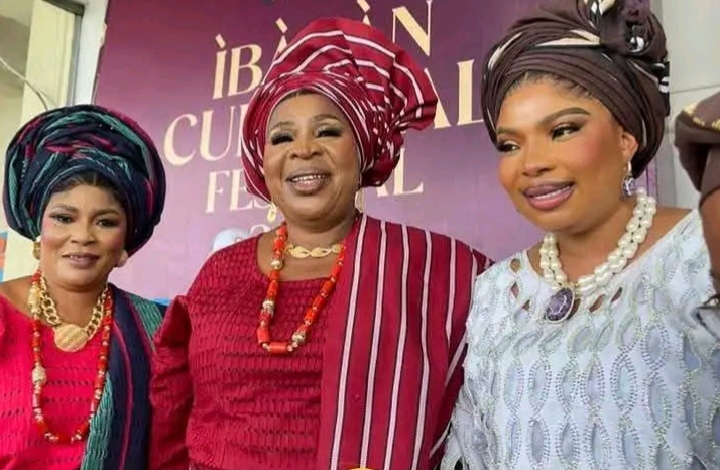
No official announcement introduced Nollywood into the festival, there was no press release outlining celebrity attendance. Yet visual evidence confirmed that actors were present within the cultural space. Laide Bakare appeared at the grand finale, sharing moments that clearly placed her within the event. Kunle Afod was seen interacting within the venue, captured in clips that spread across digital platforms. Dele Odule and Madam Saje, veteran figures respected for their contributions to Yoruba cinema, also appeared within the festival environment.
These appearances did not follow a scripted pattern. There were no red carpets, no structured meet and greet sessions, no staged performances tied to film promotion. Actors moved within the crowd, interacted with attendees, and aligned themselves with the cultural flow of the event. Their presence felt organic rather than orchestrated. That organic nature became part of the reason the moment resonated with audiences.
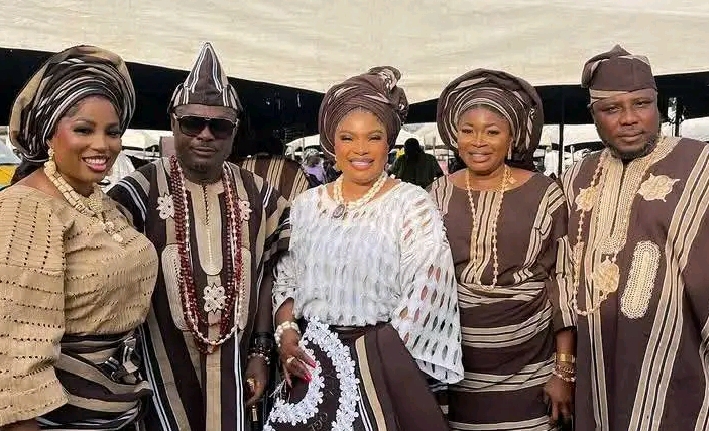
Other actors were spotted in group videos, though not all identities were confirmed. This added a layer of curiosity without distorting the facts. The key point remained clear, Nollywood was present within the festival, and that presence was visible enough to shift attention. It was not about quantity, it was about impact created through authenticity.
Cultural Participation Over Performance
Actors did not attend as performers, they participated as cultural figures within a shared space. Footage showed them dressed in traditional Yoruba attire, blending seamlessly with the environment. Conversations with attendees appeared relaxed, without the distance that often exists between celebrities and the public. This created a sense of accessibility that resonated strongly with those present.
Participation extended beyond appearance. Being present within a cultural festival carries its own significance, especially within a context that values heritage. Their attendance signaled alignment with tradition rather than detachment from it. This alignment is important within an industry that often navigates between global influence and local identity.
Moments captured on video showed actors observing performances, engaging with cultural displays, and positioning themselves within the festival rather than above it. That positioning mattered. It reinforced the idea that Nollywood figures are not separate from the communities that shape their stories. Instead they remain part of the cultural ecosystem that continues to evolve.
Why The Moment Traveled Fast
The digital spread of the festival was not accidental, it was driven by a combination of visual appeal and unexpected crossover. Videos captured rich colors, traditional attire, and the presence of recognizable faces within a non film setting. This combination created content that felt both familiar and fresh. Viewers who were used to seeing actors on screen encountered them within cultural spaces, which sparked curiosity.
Short video formats played a significant role in amplifying the moment. Clips that showed clusters of actors within the festival environment created a sense of scale that extended beyond individual appearances. The cluster effect suggested intention even when none was officially stated. This perception fueled further sharing and discussion.
Social media platforms became extensions of the festival itself. Conversations moved quickly, with users interpreting the presence of actors in different ways. Some viewed it as a cultural statement, others saw it as a subtle industry shift. Regardless of interpretation, the visibility remained consistent. The festival moved from a local event into a national talking point within days.
Misinterpretations – Clearing The Noise
With visibility came assumptions that required correction. Claims of an official Nollywood delegation were not supported by evidence. There was no verified sponsorship linking the film industry to the festival in a formal capacity. No complete list of attending actors was released, and no structured collaboration was announced.
These clarifications are important in maintaining factual accuracy. The power of the moment did not depend on organized involvement, it came from spontaneous presence. Overstating the connection would dilute the authenticity that made the event stand out. The absence of formal structure actually strengthened the narrative, as it highlighted genuine engagement rather than curated appearances.
Understanding this distinction allows for a clearer reading of the event. Nollywood did not take over the festival, it entered it quietly. That quiet entry created a ripple that expanded naturally rather than through planned promotion.
Cultural Roots: Ibadan As Historical Anchor
Ibadan holds deep cultural significance within Yoruba history. Established as a war camp that evolved into a major urban center, the city carries layers of identity shaped by conflict, resilience, and growth. Its role within early Yoruba theatre and storytelling traditions positions it as a natural meeting point for culture and performance.
The connection between Ibadan and Nollywood is not accidental. Yoruba cinema draws heavily from traditional storytelling methods that have long existed within the region. Themes, language, and narrative structures often trace back to cultural practices rooted in cities like Ibadan. This connection creates a foundation that makes the presence of actors within the festival feel less surprising when viewed through a historical lens.
Recognizing this link shifts the narrative from coincidence to continuity. What appeared as a sudden crossover is actually part of a longer relationship between culture and cinema. The festival simply made that relationship visible in a way that could be easily observed and shared.
Power Structure: Traditional Authority and Political Presence
The festival operates within a framework that includes traditional authority and political engagement. The Olubadan of Ibadanland represents a key cultural figure whose presence reinforces the legitimacy of the event. Traditional leadership provides a sense of continuity that connects modern celebrations to ancestral roots.
Political figures also play a role, reflecting the festival’s position within broader state objectives. Cultural events of this scale often align with tourism strategies and economic planning. Visibility generated by the festival can attract attention beyond the state, creating opportunities for investment and cultural exchange.
This intersection of culture and governance adds complexity to the event. It is not simply a celebration, it is also a platform where influence is displayed and reinforced. The presence of Nollywood figures within this space introduces another layer, where entertainment intersects with both tradition and authority.
Economic Layer
The economic implications of the festival extend beyond immediate spending. Cultural tourism has become an important area for regional development, and events like this contribute to that growth. Visitors who attend the festival engage with local businesses, hospitality services, and cultural products.
The 2026 edition showed signs of increased branding, with efforts to position the festival as a destination rather than a local gathering. Digital visibility played a role in this shift, as online content reached audiences who may consider attending future editions. Nollywood presence indirectly supported this visibility by drawing attention from entertainment focused audiences.
Identity also plays a role within this economic layer. Cultural pride can translate into sustained engagement, both locally and globally. When individuals see their heritage presented with confidence, it strengthens connection and encourages participation. This dynamic contributes to the long term viability of the festival.
Final Reflection
The Ibadan Cultural Festival 2026 did not rely on controversy to capture attention. Its impact came from alignment, timing, and authenticity. Nollywood figures stepped into a space that already carried meaning, and their presence added a layer that expanded the conversation. No script guided that moment, no coordinated rollout defined it.
What remains clear is that culture continues to evolve while holding onto its roots. Nollywood, as an industry, reflects that evolution. Its connection to traditional spaces reminds observers that storytelling does not begin on screen, it begins within communities that carry history forward. The festival became a stage where that connection was visible without being forced.
Ibadan did more than host an event, it reinforced its position as a cultural anchor within Yoruba identity. The festival showed that relevance does not require reinvention alone, it requires continuity shaped by intention. As conversations around the event continue, the underlying message remains steady. Culture, when lived with purpose, does not fade. It adapts, it expands, and at moments like this, it quietly takes center stage.
SEE PHOTOS FROM THE EVENT BELOW