There are moments in public life when a single statement does not just land as a comment but begins to stretch into a wider conversation that refuses to settle. The recent wave of attention around Nigerian singer Spyro calling for major Afrobeats figures to speak on insecurity has done exactly that, pulling attention back to voices that usually hover at the edge of political conversation. The names involved are not new to influence, yet the expectation being placed on them feels heavier each time the country experiences another moment of crisis that spreads across timelines and conversations.
What makes this moment different is not only what was said but what it is pointing toward without directly stating it. It raises questions about presence, responsibility, visibility, and the quiet space between fame and civic voice in Nigeria’s entertainment culture. As discussions unfold, attention naturally shifts toward how the biggest names in Afrobeats have historically behaved when national tension rises, and why their responses never seem to follow one fixed pattern.
The conversation now sits at a familiar intersection where music, influence, and national expectation meet, creating a pressure point that reappears every time insecurity or governance concerns dominate public attention. Spyro’s remarks simply reopened a door that has never fully closed since the country entered its modern era of digital activism and celebrity involvement in civic discourse.
Spyro Call Out Context, Rising National Tension

The renewed discussion began in a climate already charged by reports of insecurity affecting several regions across the country, with viral content from incidents in Oyo State adding emotional weight to public reaction. The circulation of distressing footage involving abducted school staff speaking under duress created a wave of concern that spread quickly across platforms, intensifying already existing anxiety within public conversation.
It was within this atmosphere that Spyro, known for his presence in Nigeria’s contemporary music scene, issued remarks urging top Afrobeats figures such as Wizkid, Davido, and Burna Boy to lend their voices to national insecurity discussions. The message was not framed as a demand for political alignment but as a call for visibility from figures whose global reach extends far beyond entertainment.
Spyro’s framing placed emphasis on influence rather than obligation, suggesting that silence from such prominent voices creates a gap in public pressure at moments when national attention is already fragmented. The timing of the call aligned with heightened emotional response from citizens reacting to reports of abductions and security concerns, creating a moment where entertainment and civic expectation overlapped more sharply than usual.
The discussion did not emerge in isolation. It sits within a longer pattern where Nigerian audiences increasingly look toward celebrities as amplifiers of national issues, especially when traditional communication channels feel distant or slow. That expectation has been shaped over time by past moments where musicians played visible roles in public discourse.
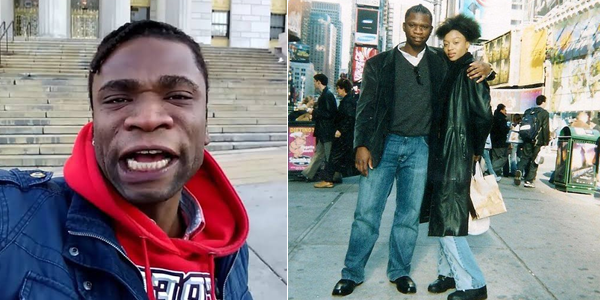
“This video is to beg all well-meaning Nigerians. Our voices are not loud enough. I saw the video of the teachers yesterday, and my heart broke. I wish there was something I could do. If there is anyone who knows what I can do, personally. Please, I am begging every single Nigerian,” he said.
“I am begging you, Wizkid, a tweet would go a long way. I am begging you, Burna Boy, I am begging you, Davido, I am begging every influential person. It can’t just be business as usual. Lend your voice to this cause.
“Let’s speak up. These children can be killed at any moment from now. I have cried, made calls, and I don’t know what else to do other than to call everybody out to speak now.”
Afrobeats Influence Map and Public Expectation Pressure
The influence structure within Afrobeats today is not simply about music charts or streaming dominance but about cultural visibility that crosses borders. The global reach of Nigerian music has expanded significantly since the late 2010s, placing artists in positions where their silence or voice carries symbolic meaning beyond entertainment consumption.
Within this structure, the three names most frequently referenced in civic discussions occupy distinct but overlapping spaces. Wizkid is often viewed as the most selective in public commentary, Davido is seen as the most consistently responsive to social conversation, while Burna Boy occupies a space associated with politically charged expression and international commentary.
This positioning did not emerge overnight. It has been shaped by years of public appearances, interviews, performances, and reactions to major national events such as the #EndSARS movement in October 2020. That period marked a turning point where entertainment figures were visibly drawn into national discourse on policing, governance, and youth protest.
Since that time, expectations have not reset. Instead, they have become more sensitive to moments of silence or response, especially when new incidents of insecurity gain traction online. Spyro’s call therefore taps into a pre existing framework where celebrity involvement is no longer viewed as optional by parts of the audience but as part of cultural responsibility.
Wizkid Response Pattern – Selective Visibility Cycle
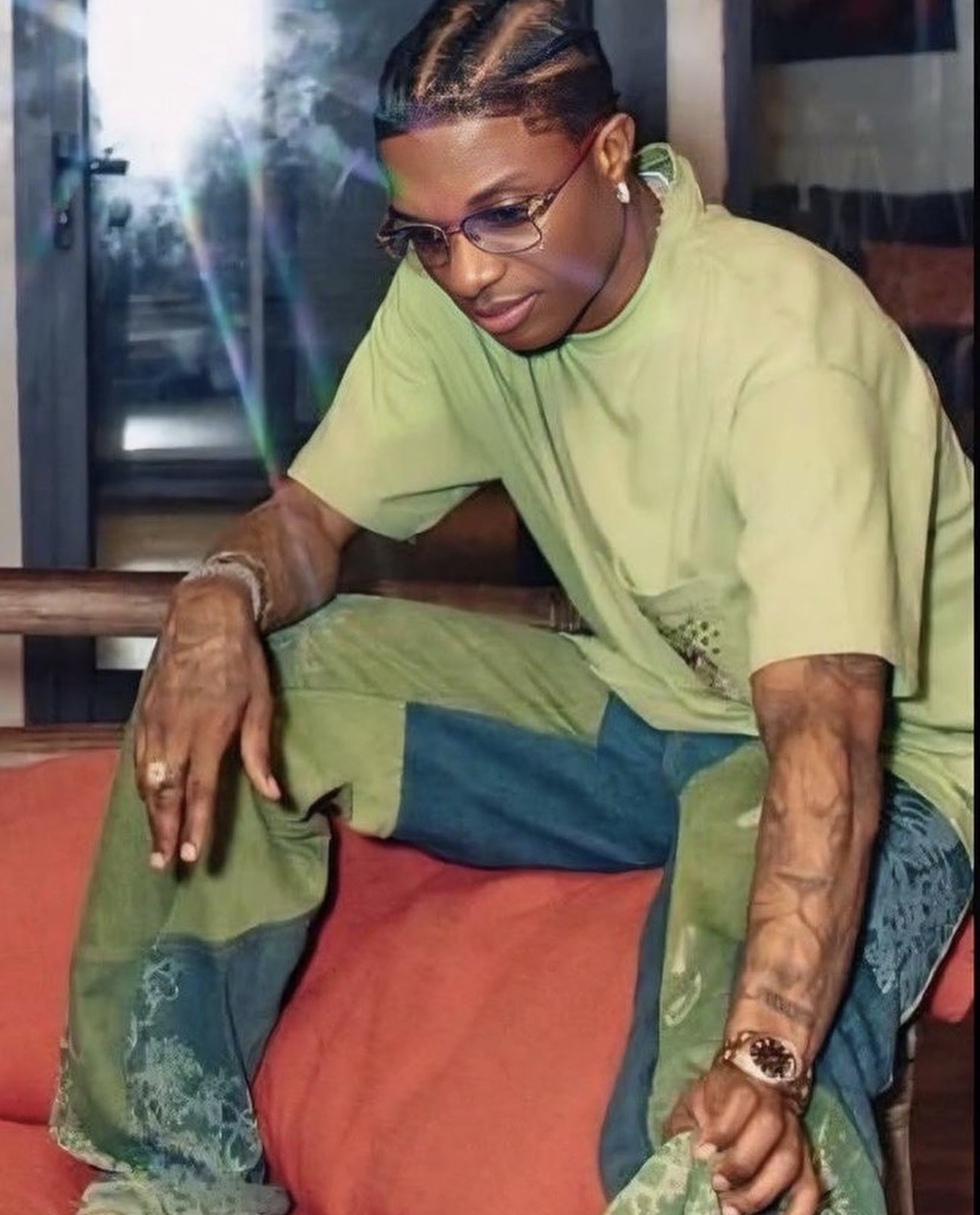
The response pattern associated with Wizkid has consistently been shaped by selectivity rather than frequency. Across major national conversations, his public engagement tends to appear in short, high impact moments rather than continuous commentary. This approach has created a reputation for silence that is occasionally broken by statements that immediately draw attention due to their rarity.
During the #EndSARS period in October 2020, Wizkid publicly engaged with the protests through social media commentary and symbolic actions that aligned with youth led calls for police reform. That moment remains one of his most visible civic interventions, often referenced when discussions about celebrity responsibility arise in Nigeria.
Outside of such moments, his public communication typically remains focused on music releases, performances, and international engagements. Interviews and long form political commentary are not a consistent feature of his public profile, which contributes to the perception of distance from ongoing national debates.
However, the impact of his rare interventions tends to be amplified precisely because of their scarcity. When he does engage, the reaction is often immediate and widespread, suggesting that his influence operates less through frequency and more through intensity of attention when activated.
This pattern is central to understanding why Spyro’s call includes him specifically. It is not about constant engagement but about the symbolic weight carried when a figure with global reach chooses to speak on national issues.
Davido Response Pattern – Immediate Civic Engagement Flow
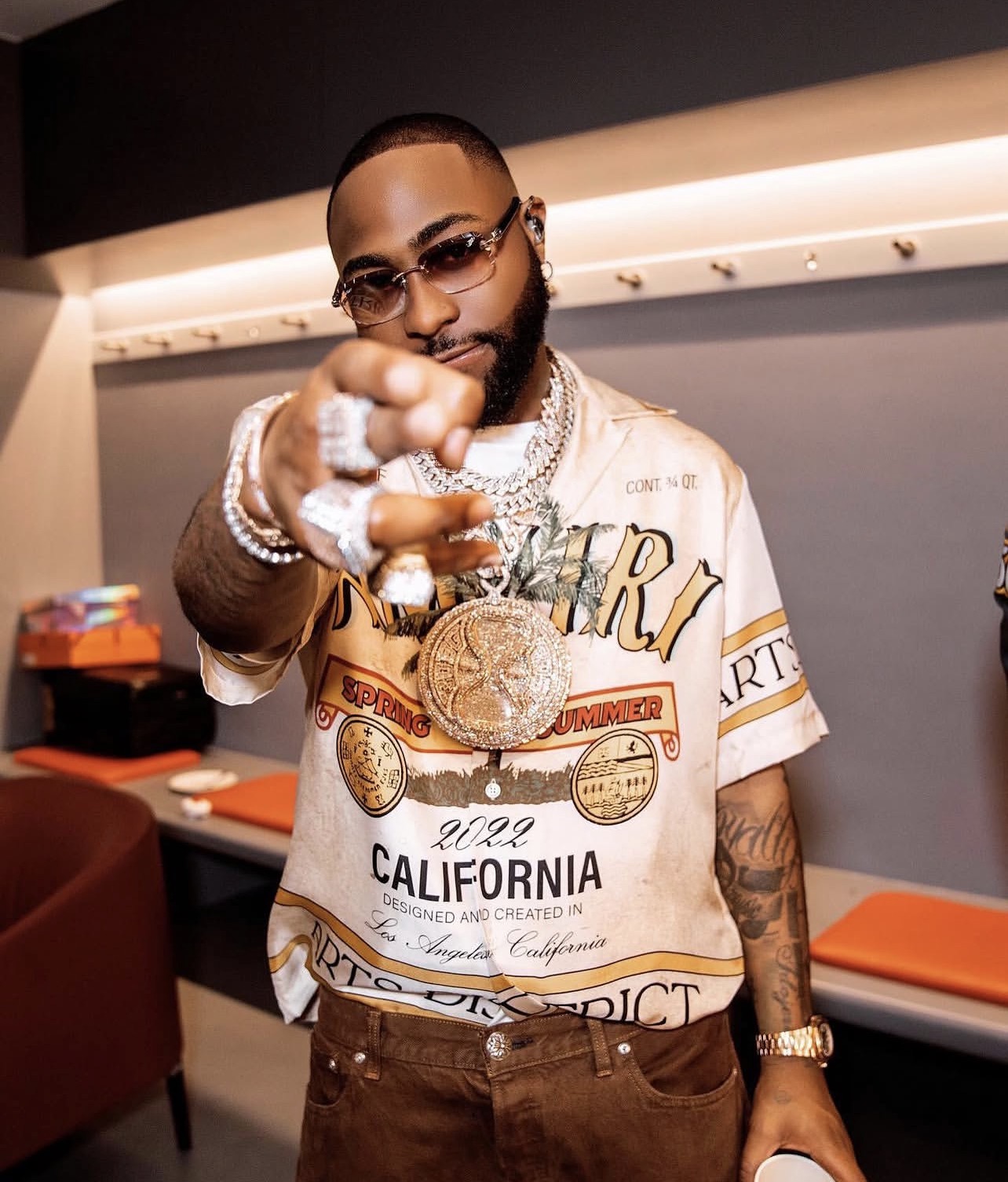
The public communication style associated with Davido is notably different, built around immediacy and emotional responsiveness. Across multiple national conversations, his reactions tend to appear quickly after issues surface, especially when they gain traction across social platforms.
During the October 2020 #EndSARS movement, Davido’s presence was visible both online and physically, including participation in protest spaces and amplification of youth demands. That period reinforced his image as one of the most openly responsive entertainment figures during civic unrest in Nigeria’s recent history.
Beyond protest movements, his engagement pattern has extended to election related discourse, public welfare conversations, and instances where individuals affected by national crises require attention. His responses often blend personal emotion with public visibility, creating a communication style that feels immediate rather than filtered.
This responsiveness has placed him in a category where silence is less commonly associated with disengagement and more with timing or absence from specific moments. His visibility during national issues has contributed to an expectation that he will react when major conversations emerge.
Spyro’s reference to Davido within this context aligns with that established pattern, where public expectation is shaped by previous instances of rapid engagement during national attention spikes.
Amid Spyro’s call-out , Davido via his official page, stated that the entertainers, including himself, have not done enough to speak on issues affecting Nigerians.
“I can’t lie, we entertainers… we dey fuck up, I won’t lie, including me. We need to speak up. It’s too much injustice going on. Our country don go,” Davido wrote.
Burna Boy Response Pattern – Critical Global Voice Frame
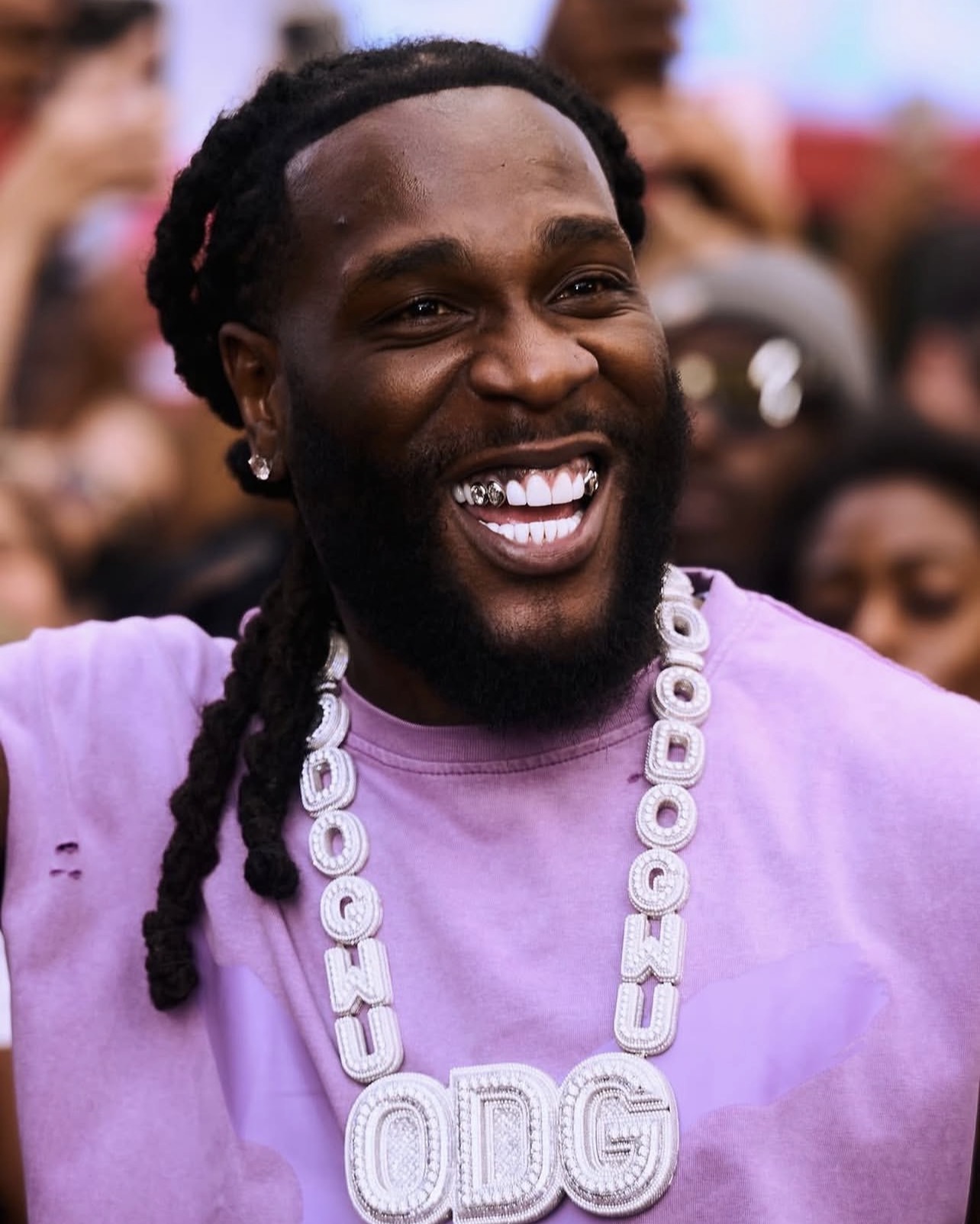
The communication approach associated with Burna Boy is shaped by a more confrontational and globally oriented tone. His engagement with national issues often appears through interviews, performances, or statements that frame problems within broader systemic discussions rather than isolated events.
During the October 2020 #EndSARS period, Burna Boy’s voice became part of international amplification of the protests, with commentary that extended beyond local audiences to global platforms. His framing of issues often emphasizes structural governance concerns, positioning national problems within wider discussions about leadership and accountability.
Unlike Davido’s immediate social responsiveness or Wizkid’s selective visibility, Burna Boy’s engagement tends to appear less frequently but with stronger thematic focus when it occurs. Interviews outside Nigeria have often served as key moments where he addresses governance related topics, creating a pattern of external platform engagement.
This global facing communication style contributes to his perception as a voice that operates beyond domestic cycles of commentary. It also explains why discussions about his silence or participation tend to arise during moments of heightened national tension, especially when international visibility is expected to contribute to pressure narratives.
Spyro’s inclusion of Burna Boy in the call for voices is therefore tied to this established pattern of external amplification during major national conversations.
#EndSARS Reference Point: October 2020 Turning Stage
The October 2020 #EndSARS movement remains a foundational reference point in understanding celebrity engagement with national issues in Nigeria. It represented a moment where youth led protest activity intersected with digital amplification, creating one of the most visible civic movements in recent Nigerian history.
During that period, multiple entertainment figures including Wizkid, Davido, and Burna Boy played varying roles in amplifying attention toward the protests. Social media became a primary channel of visibility, and international media coverage further expanded the reach of local demands.
That moment established a precedent that continues to influence expectations in 2026. It created a benchmark for what public engagement from celebrities can look like during national crises, even though the context of each subsequent issue differs significantly.
Since that period, every major insecurity related incident tends to revive comparisons with that era, particularly regarding who speaks, how quickly they respond, and what form their engagement takes. Spyro’s recent remarks sit directly within that inherited expectation structure.
Spyro Call Impact: Influence Expectation Loop
The broader impact of Spyro’s statement is not limited to the individuals mentioned but extends to the ongoing conversation about influence responsibility in Nigerian entertainment culture. It highlights a recurring loop where national crises generate public expectation, celebrity silence or response becomes a topic of discussion, and the cycle repeats with each new incident.
This loop is sustained by the visibility of artists whose platforms extend beyond Nigeria into global music markets. Their influence creates a perception that their voices carry weight not only culturally but symbolically in shaping attention toward national issues.
However, the reality of engagement remains uneven, shaped by personal preference, career positioning, and the unpredictable nature of public reaction. Some figures choose selective visibility, others prioritize immediate response, while some operate through external platforms rather than domestic commentary channels.
Spyro’s intervention does not fundamentally change this structure, but it intensifies awareness of it. It brings attention back to the question of whether influence carries implicit responsibility during moments of national distress, or whether that expectation is entirely external.
Closing Sequence: Attention That Keeps Returning
The conversation sparked by Spyro continues to circulate because it connects directly to unresolved expectations within Nigerian public life. Each new incident of insecurity or governance concern reopens the same discussion about visibility, silence, and influence among cultural figures who occupy global platforms.
What remains consistent is not agreement but repetition of the question itself. The names may change in headlines, the incidents may differ in detail, but the underlying tension between fame and civic voice continues to reappear whenever national attention is tested.
As long as that tension remains unresolved, discussions around Wizkid, Davido, and Burna Boy will continue to surface whenever moments of national concern arise, not because of a single statement but because of the positions they occupy within the cultural and symbolic structure of modern Afrobeats influence.