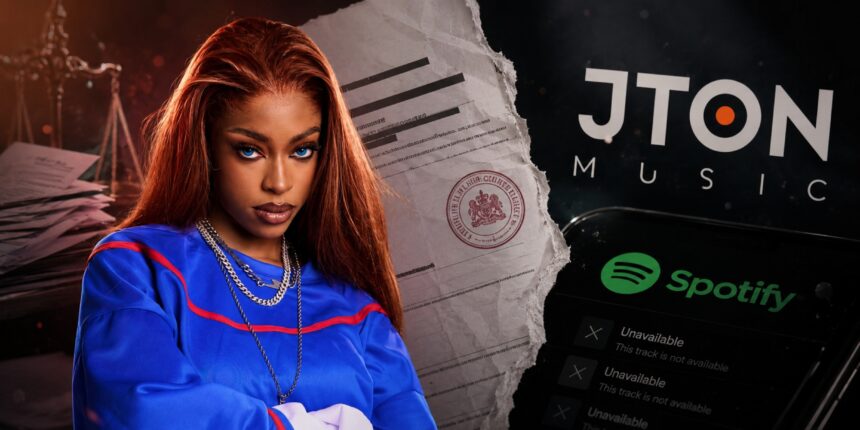
Just a few years ago, Qing Madi was a teenager from Benin City with a dream and a viral song. Her breakout hit, See Finish, introduced her to a new generation of Afrobeats listeners, while Ole featuring BNXN cemented her status as one of Nigeria’s most exciting young stars. By 19, she had earned millions of streams, industry recognition and a growing fanbase across Africa and beyond.
Today, however, conversations about Qing Madi extend beyond her music.
The singer has found herself at the centre of a bitter and increasingly public dispute involving her former label, JTON Music, and its founder, Joy Tongo. What began as a disagreement over contracts has spiralled into a complex battle involving court proceedings, copyright claims, Spotify takedowns, and allegations of forgery, theft and career sabotage.
With both sides claiming victory from the same court ruling and the substantive case yet to go to trial, the controversy has evolved into one of the most closely watched artist-label disputes recently.
The Rise of Qing Madi

Before court cases and public accusations dominated headlines, Qing Madi was one of the brightest young talents in Nigerian music.
Born Chimamanda Pearl Chukwuma on July 1, 2006, she was raised in Benin City, Edo State, though she hails from Delta State. Her passion for music developed early through church performances and school talent shows.
Her breakthrough arrived in October 2022 when See Finish exploded on TikTok. The song quickly became one of the most talked-about records by a new Nigerian artist and opened doors that had previously seemed out of reach.
The momentum continued in 2023 with Ole, her collaboration with BNXN. The song charted across multiple platforms and helped establish Qing Madi as one of Afrobeats’ most promising new voices.
The same year, Spotify named her its Equal Africa Ambassador for June. In November, she released her self-titled debut EP, Qing Madi, further solidifying her status as a rising star.
By 2024, Apple Music had included her in its prestigious Rising Class of 2024 alongside some of Africa’s most exciting emerging talents.
In 2025, she won Songwriter of the Year at The Headies for Vision and released I Am The Blueprint, continuing a rise that appeared unstoppable. Behind the scenes, however, tensions were already brewing.
How Qing Madi Joined JTON Music
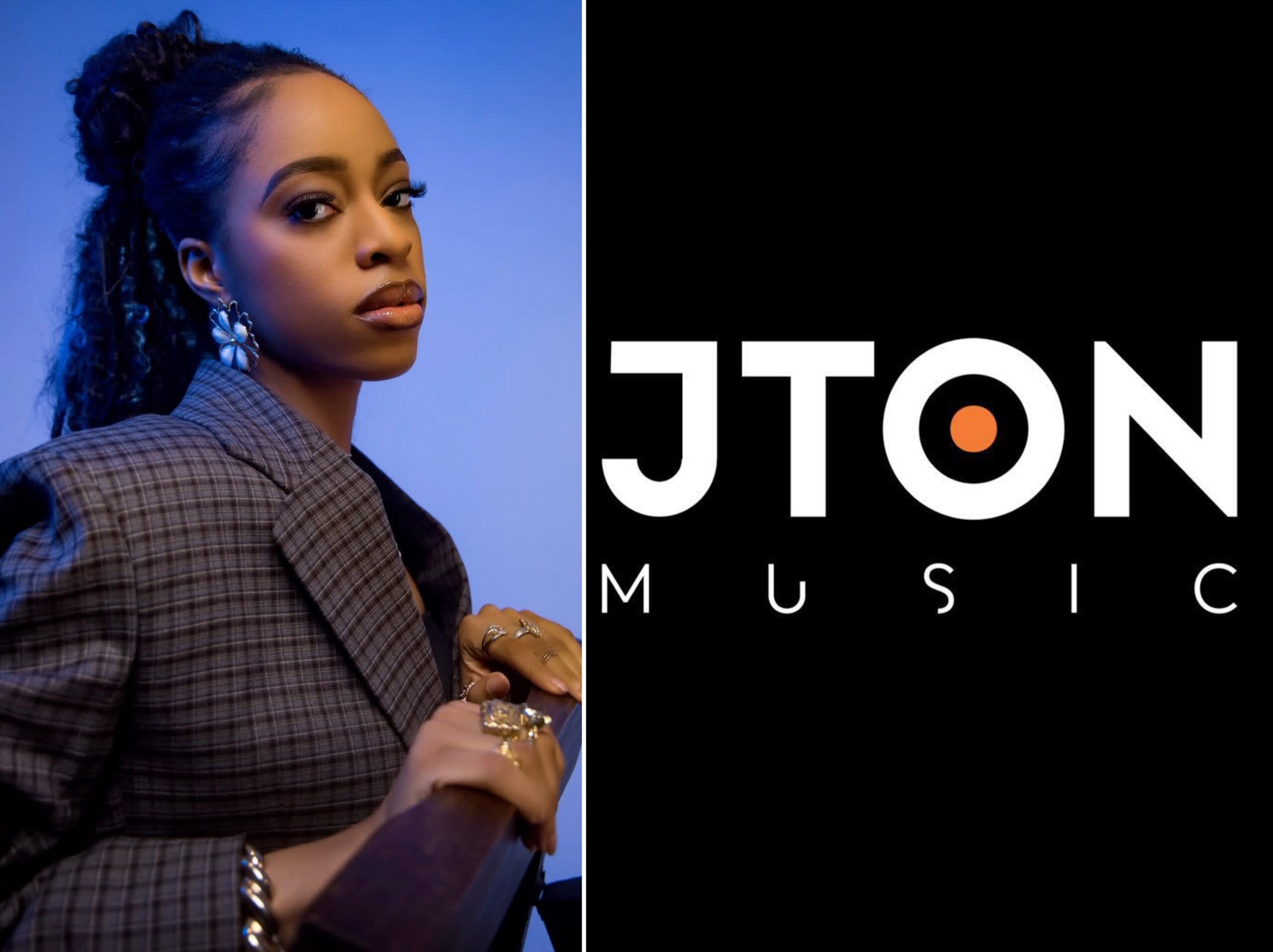
The roots of today’s dispute stretch back to 2022. Before becoming widely known as Qing Madi, the singer performed under the name “Madi Kid” and had reportedly signed an earlier developmental agreement with RichieMusicEmpire in 2021. Everything changed when See Finish went viral.
The song caught the attention of music executive Joy Tongo, founder of JTON Music. At the time, Qing Madi was only 16 years old. Because she was a minor, her mother reportedly signed the relevant agreements on her behalf as her legal guardian. The partnership initially appeared successful.
Under JTON Music, Qing Madi’s career expanded rapidly. The label helped facilitate industry partnerships, including arrangements involving Bu Vision and Sony Music’s Columbia Records, providing global distribution opportunities that significantly increased her reach.
Within a short period, Qing Madi had gone from a viral sensation to an internationally recognised emerging artist. For several years, the relationship appeared beneficial for both sides.
That changed in 2026.
The Breakup That Started the War

The conflict became public in early 2026 when Qing Madi parted ways with JTON Music and began operating under her new representatives, KFMD. The separation immediately triggered a legal dispute.
JTON filed a lawsuit reportedly seeking $2 million in damages over an alleged breach of contract.
At the heart of the disagreement is a simple but highly consequential question: Can contracts signed when Qing Madi was 16 still bind her after she became an adult? KFMD argues that the agreements were infancy contracts and that Qing Madi lawfully repudiated them upon turning 18.
JTON argues that the agreements remain enforceable and that the investments made into her development cannot simply be disregarded. That disagreement would soon move beyond the courtroom.
Court Cases, Spotify Takedowns and the Fight for Her Music

The first public sign of trouble emerged on April 23, 2026, when Pepper Me, Qing Madi’s collaboration with Zinoleesky, disappeared from Spotify.
The song was eventually restored, but the incident raised questions about who controlled the rights to her music. Then came Barely Legal.
Released in May 2026 amid the ongoing legal dispute, the EP’s title was widely interpreted as a reference to Qing Madi’s claim that key agreements were signed while she was still underage.
The situation escalated dramatically on June 3, 2026, as five of the EP’s seven songs disappeared from Spotify:
- Lady featuring Tiwa Savage and Flavour
- 10 Over 10 featuring Wande Coal
- 1 or 2 featuring Zlatan and Eemoh
- Jowo
- Adding Up featuring Rotimi
Only Come Slide and the restored Pepper Me remained available. This made fans immediately demand answers.
JTON maintained that its actions were tied to contractual rights and existing agreements. The label argued that it was simply protecting investments and intellectual property rights pending the outcome of litigation.
KFMD accused the label of improperly using copyright processes to interfere with the singer’s releases. The battle had officially moved from the courtroom to streaming platforms.
The Sabotage Claims and Emotional TikTok Live

Following the disappearance of the songs, Qing Madi went live on TikTok and made some of her most serious allegations yet.
“She stole from me. She did a bunch of weird things, forging my signature,” the singer alleged while discussing Joy Tongo. She also accused her former label of repeatedly targeting her releases.
“You took down ‘Pepper Me’, I said alright, bet. After we proved it was an illegal takedown, they went through the corners to take down this project. What in the world is the problem? How are you fighting with a kid?”
Weeks earlier in April, she had also drawn comparisons with Cynthia Morgan.
“My ex label, the same people that tried to destroy Cynthia Morgan, are trying to do the same to me.”
Joy Tongo strongly denied the allegations.
“Stealing and forgery are not things I take lightly,” she wrote in response.
“If you use social media to spread false claims because you have fans and following to damage my reputation, I will pursue all available legal remedies.”
Tongo also challenged Qing Madi’s claim that she had won the case.
“What case have you won? Because last time I checked, the case still hasn’t gotten to trial.”
The dispute had now become both a legal battle and a public relations war.
Two Sides, One Court Ruling

As public interest intensified, both camps released detailed statements explaining why they believed a recent Lagos court ruling favoured them.
JTON said the court granted part of its application for an interlocutory injunction restraining Qing Madi from commercially exploiting recordings produced under its agreements pending the determination of the substantive suit.
The label also pointed to existing recording and distribution agreements involving Sony Music and Bu Vision.
KFMD, however, argued that the court recognised the contracts as agreements signed while Qing Madi was a minor and affirmed her right to choose new management and pursue her career independently.
The management company further accused JTON of lacking transparency regarding finances, challenged aspects of the contractual arrangements made during Qing Madi’s minority, and alleged that copyright notices had been used to target her releases and performances. JTON rejected those claims.
As things stand, both sides continue to rely on different interpretations of the same ruling while awaiting the substantive hearing of the case.
What the Qing Madi Case Means for Young Artists

Beyond the personalities involved, the dispute has reignited important conversations across the music industry.
It raises questions about contracts signed by minors, financial transparency, artist development, ownership rights and the balance of power between artists and labels.
The case also highlights how modern music disputes now play out in real time on social media and streaming platforms, where legal disagreements can instantly affect an artist’s visibility and earnings.
Regardless of the eventual outcome, the controversy has already become a significant case study for artists, managers and record labels alike.
Conclusion
Just a few years after breaking through with See Finish, Qing Madi has become the central figure in one of the most closely watched legal disputes in Nigerian music.
What started as a contractual disagreement has evolved into a battle involving court cases, copyright claims, Spotify takedowns and allegations of sabotage.
The courts will ultimately determine who is right on the legal questions. But whatever the verdict, the Qing Madi saga has already sparked a broader conversation about artist rights, label power and the challenges facing young talents navigating the music business.