Traditional authority in Nigeria often operates through quiet structures of consultation, cultural responsibility, plus spiritual oversight that rarely becomes public discussion until a moment brings those worlds into open view. When news began circulating in June 2026 about a summons issued from the Benin Palace involving native doctors, traditional priests, plus priestesses, attention quickly spread beyond Edo State into national conversation.
The development drew curiosity not only because of who was summoned but also because of the setting from which the invitation emerged, a royal institution that has long held deep influence over cultural identity, spiritual order, plus community governance within the Benin Kingdom.
Palace Directive Sequence: Formal Cultural Call
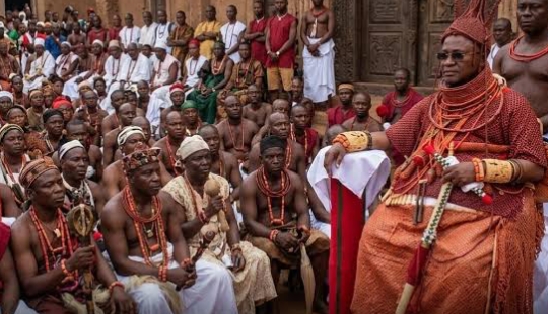
In June 2026, reports confirmed that the Benin Traditional Council under Oba Ewuare II issued a formal directive requesting the presence of native doctors, traditional priests, plus priestesses at the Oba’s Palace in Benin City. The meeting was scheduled around June 23, 2026 at approximately 12 p.m. according to official communication attributed to Chief Victor Nosakhare on behalf of the palace secretary Frank Irabor.
The announcement placed emphasis on structured engagement rather than informal consultation. The invitation extended across multiple categories of traditional spiritual practitioners, signaling a broad gathering rather than a selective discussion. This scale immediately positioned the meeting as a significant cultural event within the Benin Kingdom hierarchy.
The Benin Palace operates within a deeply structured traditional system where summons from the Oba carry both cultural weight plus institutional authority. Attendance is typically expected when such directives are issued, reflecting the role of the monarchy as custodian of heritage, spiritual balance, plus communal order.
Security Context – Rising Pressure Environment
One of the central reasons linked to the summons is the growing concern around security challenges within Edo State plus surrounding regions. Reports in 2026 highlighted rising cases of kidnapping networks operating across parts of southern Nigeria, alongside recurring incidents of cult related violence that have drawn both public concern plus governmental attention.
Within this environment, traditional institutions have increasingly become part of broader conversations about community security. The Benin Palace, as a central authority within the region, has historically played a stabilising role during periods of social tension, often engaging with various community actors to reinforce moral order plus cultural discipline.
The inclusion of native doctors, priests, plus priestesses in the discussion reflects an acknowledgment of their perceived influence within community belief systems. While their roles differ widely, they are often viewed as custodians of spiritual practices that intersect with social behaviour, moral interpretation, plus community trust structures.
Cultural Regulation Framework
Beyond security concerns, the summons is also connected to ongoing conversations around cultural regulation within Nigeria. In recent years, public discourse has increasingly focused on the role of traditional spiritual practitioners in narratives surrounding ritual practices, particularly those linked in media reports to wealth seeking behaviour or so called money ritual allegations.
The Benin Traditional Council has consistently maintained interest in preserving the integrity of indigenous spiritual systems while distancing them from practices perceived as harmful or misrepresented. The June 2026 meeting is understood within this context as an opportunity to reinforce ethical boundaries within traditional practice systems.
By engaging directly with practitioners, the palace creates a structured platform for dialogue that allows clarification of roles, responsibilities, plus expectations within the cultural framework of the kingdom. This form of engagement reflects an attempt to preserve tradition while addressing modern social concerns.
Authority Structure: Benin Kingdom Governance System
The Oba of Benin occupies a central position within one of the most historically significant traditional institutions in West Africa. As the highest cultural authority in the Benin Kingdom, the Oba serves not only as a symbolic leader but also as a custodian of spiritual heritage, customary law, plus cultural identity.
Within this structure, the Oba has the authority to summon chiefs, guilds, priests, plus custodians of tradition whenever matters of cultural importance arise. These summons are part of established governance practices that have existed for generations, reflecting continuity within the kingdom’s institutional framework.
The June 2026 summons therefore falls within a recognised pattern of traditional governance engagement. However, the scale plus subject matter of the meeting distinguish it from routine palace consultations, making it a notable event within contemporary cultural administration.
Rising Public Sensitivity
The announcement of the summons quickly generated widespread attention due to its connection with sensitive social narratives. In Nigeria, discussions surrounding native doctors plus traditional spiritual practices often intersect with broader debates about morality, security, plus religious interpretation.
Public sensitivity around these topics has increased in recent years due to heightened media coverage of alleged ritual related crimes, as well as growing online discourse linking spiritual practices with criminal activity. These narratives, whether verified or speculative, have contributed to heightened public scrutiny of traditional practitioners.
As a result, any formal engagement involving these groups tends to attract significant attention, often amplified by social media interpretation before official clarifications are fully understood.
Government Interaction
The June 2026 meeting also reflects a broader trend of increasing interaction between government structures plus traditional institutions in addressing security challenges. Across various Nigerian states, traditional rulers have been drawn into advisory or consultative roles aimed at supporting community level stability.
This collaboration often involves dialogue between security agencies, local leaders, plus cultural authorities, particularly in regions experiencing rising insecurity concerns. The inclusion of traditional spiritual practitioners in such discussions adds another layer to this coordination framework, reflecting recognition of their influence within community belief systems.
The Benin Palace, given its historical authority, often serves as a bridge between modern governance structures plus traditional community systems, making it a central point for such engagements.
Clarification Framework: Official Position Definition
Despite widespread speculation online, official explanations clarify that the summons is not associated with punitive action, arrests, or prohibition of traditional practices. It is also not a declaration against indigenous religion or spiritual systems.
Instead, it is defined as a structured consultation aimed at fostering dialogue around cultural responsibility, ethical practice, plus community security concerns. The emphasis remains on engagement rather than enforcement, with the palace positioning the meeting as a regulatory conversation rather than disciplinary action.
This distinction is important in understanding the intent behind the invitation, as it separates institutional consultation from misinterpretations that often circulate in informal discussions.
Misinterpretation Cycle: Online Narrative Amplification
One of the challenges surrounding the announcement has been the speed at which interpretations spread across digital platforms. Cultural topics involving spirituality often attract heightened emotional responses, which can lead to exaggerated framing of official actions.
In this case, early reports were sometimes interpreted as enforcement actions or restrictive measures against traditional practitioners. However, verified information indicates a consultative meeting focused on dialogue plus coordination.
The difference between official intent plus public interpretation highlights the broader issue of information distortion in sensitive cultural matters, particularly when traditional authority structures intersect with modern communication channels.
Social Reaction: Cultural Identity Debate
The summons has also triggered broader reflection on the role of traditional spiritual practitioners within contemporary Nigerian society. For some observers, the meeting represents a necessary step toward clarifying responsibilities within indigenous systems. For others, it raises questions about how traditional practices are perceived within modern governance discussions.
These reactions reflect deeper conversations about cultural identity, religious interpretation, plus the place of indigenous systems within a rapidly evolving social landscape. The Benin Palace, as a historical institution, sits at the center of these discussions due to its enduring influence across generations.
Broader Implications: Institutional Cultural Balance
The June 2026 summons illustrates the ongoing effort to balance cultural preservation with modern societal challenges. Traditional institutions continue to adapt their roles in response to changing security environments, public expectations, plus governance structures.
By bringing together native doctors, priests, plus priestesses, the Benin Traditional Council signals an intention to engage directly with key custodians of indigenous knowledge systems. This approach reflects recognition that cultural authority still plays a significant role in shaping community behaviour plus social stability.
Closing Perspective on Cultural Governance Moment
The events surrounding the Oba of Benin’s June 2026 summons represent a significant moment in the interaction between tradition, governance, plus modern social concerns. While the meeting itself is structured as a consultation, its implications extend into broader conversations about security, cultural responsibility, plus institutional authority within Nigeria.
As the scheduled meeting approaches, attention remains focused on how dialogue within the palace will contribute to ongoing efforts aimed at strengthening cultural understanding while addressing contemporary challenges affecting communities across the region.