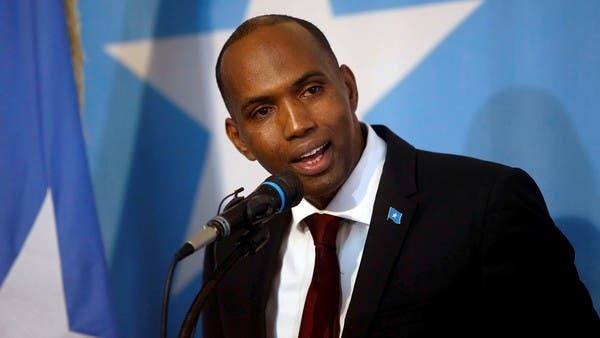
Britain’s immigration debate has entered another defining moment as questions around who gets to build a permanent future in the country become increasingly central to political conversations. For thousands of migrants who have travelled to the United Kingdom chasing better opportunities, stable careers, education, and a chance to create a new life, the rules surrounding settlement have always represented a major milestone. That journey, however, is now facing renewed attention as Conservative Party leader Kemi Badenoch pushes for a stricter approach that could reshape expectations around long term residency, citizenship, and the responsibilities attached to staying in Britain.
From Nigerian healthcare workers supporting the National Health Service, skilled professionals filling vacancies across different industries, international students hoping to transition into careers, to families building roots far away from home, many migrants are watching closely as the political conversation develops. Behind the policy discussions are real people whose future plans, career decisions, financial commitments, and family arrangements could depend on how immigration rules evolve in the coming years.
Badenoch’s position reflects a wider argument about the future direction of Britain’s immigration system, one that focuses on contribution, integration, public resources, border control, and the conditions migrants must meet before gaining permanent rights. Her proposals have placed renewed attention on a question that affects millions of people connected to the UK immigration system, especially those who entered Britain legally expecting a clear pathway toward settlement.
Kemi Badenoch’s Growing Focus on Immigration
Kemi Badenoch has become one of the strongest voices within the Conservative Party calling for a tougher immigration approach. Since becoming Conservative Party leader in November 2024, she has repeatedly argued that Britain needs an immigration system that places greater emphasis on control, contribution, and national interest.
Her position comes during a period when migration remains one of the most politically sensitive issues in the United Kingdom. Successive governments have faced pressure over rising migration figures, housing demand, public service capacity, border security, and the economic impact of immigration.
Badenoch’s argument is that moving to Britain should not automatically create an expectation of permanent settlement. According to her approach, migrants who want to remain permanently should demonstrate that they have contributed positively to British society, followed the rules, supported themselves financially, and become properly integrated before receiving stronger immigration rights.
The idea behind her proposal is that permanent residency should represent a significant achievement rather than simply the result of spending a certain number of years in the country.
The Current Settlement System
Under existing UK immigration rules, many migrants on eligible visa routes can apply for Indefinite Leave to Remain after 5 years of lawful residence. The exact requirements depend on the type of visa, personal circumstances, income requirements, English language ability, immigration history, and other eligibility conditions.
Indefinite Leave to Remain gives migrants the right to live and work in the UK without immigration restrictions. It is also an important stage for many people because it can eventually lead toward British citizenship if additional requirements are met.
For many Nigerians working in Britain, especially those who arrived through healthcare, skilled employment, education pathways, or family routes, the 5 year timeline has traditionally represented a clear goal.
Badenoch’s proposal challenges that expectation by arguing that the current system may allow people to settle permanently too quickly without enough emphasis on long term contribution.
The Proposal to Extend Settlement Waiting Period
One of Badenoch’s major immigration proposals involves extending the pathway to permanent residency from 5 years to 10 years.
Her argument is that permanent status should be earned through a longer period of commitment to Britain. She believes migrants should demonstrate sustained contribution before gaining the right to settle permanently.
The proposed change has attracted significant attention because the difference between 5 years and 10 years represents a major change for people planning their future around existing immigration timelines.
A migrant who arrives in the UK with the expectation of applying for settlement after 5 years could potentially face an additional 5 years of uncertainty if such a policy becomes law and applies to their situation.
That extended period could affect decisions around buying property, bringing family members to the UK, changing careers, or making long term financial commitments.
Why Settlement Rules Matter to Migrants
For many migrants, permanent residency is more than an immigration document. It represents security after years of adapting to a new country, working, paying taxes, building relationships, and contributing to communities.
A person who spends several years in Britain often makes major life decisions based on the expectation that they can eventually secure a more stable immigration status.
For Nigerian migrants, this issue carries particular importance because the UK remains one of the most popular destinations for Nigerians seeking international career opportunities.
Thousands of Nigerians work across sectors including healthcare, technology, education, finance, engineering, hospitality, and social care. Many have relocated with the intention of creating a permanent future rather than simply spending a short period abroad.
Changes to settlement rules could therefore influence how future migrants approach opportunities in Britain.
Tougher Pathway Toward British Citizenship
Beyond permanent residency, Badenoch has also argued that citizenship should require stronger evidence of commitment to the United Kingdom.
British citizenship is already a separate process from settlement, with applicants required to meet conditions including residency requirements, English language standards, knowledge of life in the UK, good character requirements, and other eligibility criteria.
Badenoch’s position suggests that the pathway could become more demanding, placing greater emphasis on integration and contribution before citizenship is granted.
The argument behind this approach is that citizenship represents the strongest connection between an individual and the country, meaning applicants should demonstrate a deeper commitment before receiving it.
For migrants who hope to eventually become British citizens, any increase in requirements could mean longer preparation periods and additional hurdles.
Benefits Restrictions Linked to Settlement
Another part of Badenoch’s immigration argument involves the relationship between welfare support and permanent residency.
She has argued that migrants who rely heavily on certain public benefits should face greater scrutiny when seeking settlement.
The principle behind the proposal is that people seeking permanent status should demonstrate financial independence and a record of contribution.
For migrants, this raises questions about how future immigration rules may treat periods of unemployment, illness, temporary financial difficulty, or changing personal circumstances.
Many migrants who work and contribute through taxes see settlement as recognition of their overall contribution, while policymakers continue debating how public support should factor into immigration decisions.
The Wider Fight Over UK Immigration
Badenoch’s immigration position comes during a wider political competition in Britain involving the Conservative Party, Labour Party, and Reform UK.
Migration has become one of the biggest issues influencing political discussions, particularly around housing pressure, public services, labour shortages, border control, and government spending.
The Conservative Party has faced pressure from voters who want stronger immigration controls, especially after years of debate over migration levels.
Badenoch’s approach attempts to present a system where Britain remains open to skilled workers while creating stricter conditions for permanent settlement.
The debate is not only about how many people enter the UK but also about what responsibilities should come with the opportunity to build a future there.
Why Nigerians in the UK Are Watching Closely
For many Nigerians living in Britain, immigration discussions are not simply political arguments happening in Westminster. They are decisions that could directly influence careers, families, finances, and long term plans. The United Kingdom has remained one of the most attractive destinations for Nigerians seeking professional opportunities, better working conditions, education, and international exposure.
Over the years, thousands of Nigerians have moved to the UK through different legal routes, including Skilled Worker visas, Health and Care Worker visas, student pathways, family visas, and other employment based options. Many of these migrants entered Britain with a clear understanding of the existing immigration system and structured their future around the possibility of eventually obtaining permanent residency.
The possibility of a longer settlement pathway has therefore created concern among migrants who are already planning their lives around current rules. For someone who relocated to Britain, spent years working, paid taxes, built professional experience, and supported family members, the difference between a 5 year pathway and a potential 10 year pathway represents a significant change.
The issue becomes even more important for Nigerian professionals working in sectors where Britain has actively recruited foreign workers due to labour shortages.
Health Workers Facing Future Uncertainty
Nigerian healthcare professionals represent one of the largest groups of foreign workers contributing to the UK health sector. Doctors, nurses, care workers, pharmacists, and other healthcare professionals have moved to Britain to fill important roles within the National Health Service and private care sectors.
The UK experienced major healthcare staffing challenges, particularly after the COVID 19 pandemic, leading to increased international recruitment efforts. Many Nigerian healthcare workers responded to these opportunities because Britain offered career development, better working conditions, and a clear immigration pathway.
For many of these workers, immigration decisions are closely connected to professional sacrifices. Relocating to another country often involves leaving behind family members, adjusting to a new environment, paying relocation costs, completing professional requirements, and adapting to different workplace systems.
A longer settlement route could mean healthcare workers remain on temporary immigration status for an extended period, creating additional uncertainty around their long term future.
Skilled Professionals Could Face New Calculations
Beyond healthcare, Nigerian professionals in technology, finance, engineering, education, construction, and other industries may also need to reconsider their plans if immigration rules become stricter.
Many migrants make decisions based on a combination of career opportunity and immigration stability. A job offer in Britain is not only about salary or professional growth. For many people, it represents a pathway toward creating a secure future.
Changes to settlement rules could influence how migrants evaluate opportunities because the journey toward permanent residency may become longer and require more evidence of financial stability, employment history, and integration.
Professionals who previously viewed Britain as a destination for long term settlement may begin considering other countries with different immigration structures.
Student Routes Could Become More Competitive
The UK remains one of the most popular destinations for Nigerian students seeking international education. Thousands of Nigerians enrol in British universities every year, hoping to gain qualifications that improve their career opportunities.
Many international students later transition into work routes after completing their studies. The student to work pathway has become an important route for migrants who want to establish themselves professionally in Britain.
However, stricter immigration policies could make the transition from temporary residence to permanent settlement more demanding.
Students may face greater pressure to secure qualifying employment, maintain income requirements, demonstrate compliance with immigration conditions, and build a stronger record before gaining long term status.
The result could be a more competitive environment where planning becomes essential from the beginning of a migrant’s journey.
Possible Changes to Requirements
Under Badenoch’s proposed approach, migrants seeking permanent residency could face stronger expectations around several areas.
Employment history could become increasingly important, with applicants potentially needing to demonstrate consistent participation in the workforce and economic contribution.
Income levels may also receive greater attention, as policymakers continue debating the role of financial independence in settlement decisions.
Criminal records and compliance with UK laws are already considered under existing immigration processes, but future reforms could place greater emphasis on personal conduct and responsibility.
English language ability and understanding of British society could also become more significant factors as discussions continue around integration.
For migrants, these requirements highlight the importance of maintaining accurate records, understanding immigration obligations, and preparing carefully for future applications.
Impact on UK Employers
Britain’s immigration debate also affects businesses that depend on overseas workers. Several industries have relied heavily on international recruitment because of shortages in available domestic workers.
Healthcare, social care, construction, hospitality, agriculture, and technology are among sectors that have historically recruited workers from outside the UK.
Employers argue that foreign workers play an important role in keeping essential services operating and supporting economic growth.
A stricter immigration system could create recruitment challenges if businesses struggle to fill vacancies or if potential workers become less interested in relocating to Britain.
For companies, the issue is not only about attracting workers but also retaining experienced employees who may reconsider their long term plans if settlement becomes more difficult.
Illegal Migration Forms Another Part of Badenoch’s Agenda
While much of the discussion around Badenoch’s proposals focuses on legal migrants, her wider immigration position also includes stronger action against illegal migration.
She has supported tougher border controls, faster removal processes, and changes to asylum procedures.
The Conservative Party has previously proposed measures aimed at reducing illegal crossings, particularly through the English Channel, where migrants attempt to enter the UK through irregular routes.
The argument behind these policies is that Britain needs stronger control over who enters the country and through which channels.
Supporters of stricter border measures believe legal immigration becomes harder to manage when illegal routes remain active.
Legal Migrants Versus Illegal Entry Debate
A major part of the immigration discussion involves separating people who follow official routes from those who enter the country illegally.
Many legal migrants argue that they should not face consequences for broader concerns around illegal migration because they followed established procedures, obtained visas, met requirements, and contributed to British society.
This distinction is particularly important for Nigerians and other international workers who entered through approved immigration pathways.
The concern among many legal migrants is that broad immigration reforms could affect people who have complied with the system while attempting to address challenges created by irregular migration.
Is Badenoch’s Proposal Already UK Law?
At present, Badenoch’s proposals represent a political position rather than a confirmed immigration rule change.
A political leader can campaign for policy changes, but those proposals must go through government processes before becoming official law.
Immigration rules in the UK are controlled through legislation, government decisions, and official updates issued through the immigration system.
Therefore, migrants currently living in Britain should continue following the existing rules that apply to their specific visa categories rather than assuming proposed changes have already taken effect.
However, immigration experts and migrants often pay close attention to political proposals because future governments can introduce reforms that change existing pathways.
The Question of Existing Migrants
One of the biggest concerns surrounding immigration reforms is whether future changes would affect new arrivals only or also people already living legally in the UK.
This issue is especially important for migrants who entered Britain under previous rules and have been working toward settlement based on the expectations created at the time they arrived.
Immigration changes can create uncertainty because people often make major personal decisions based on the rules that existed when they moved.
For Nigerian migrants who have already spent years building careers and families in Britain, the possibility of changing settlement timelines represents a major issue to monitor.
The Bigger Picture for Nigerians Planning UK Migration
For Nigerians considering moving to Britain in the future, Badenoch’s immigration proposals highlight the importance of understanding the changing nature of global migration policies.
The UK remains an attractive destination because of its universities, employment opportunities, international connections, and established Nigerian communities.
However, the immigration environment is becoming increasingly focused on skills, economic contribution, compliance, and long term planning.
Future migrants may need to pay closer attention to visa requirements, employment opportunities, settlement pathways, and possible policy changes before making relocation decisions.
The era where migration decisions were based only on getting a visa may become less common as countries increasingly evaluate who receives long term residency rights.
Britain’s Search for a New Immigration Balance
The debate surrounding Kemi Badenoch’s immigration proposals reflects a wider challenge facing the United Kingdom. The country is trying to balance the need for skilled workers with public concerns about migration levels, housing pressure, access to services, and the long term impact of population growth.
For years, Britain has depended on migrants to support important sectors of the economy. Foreign workers have contributed to hospitals, businesses, universities, technology companies, construction projects, and care services. At the same time, successive governments have faced political pressure from communities concerned about whether infrastructure and public services can keep pace with rising demand.
Badenoch’s argument is that immigration should be controlled through a system that places greater value on contribution rather than simply time spent in the country. Her approach suggests that permanent settlement should represent a deeper relationship between migrants and Britain, built through work, responsibility, integration, and commitment.
The discussion therefore goes beyond immigration numbers. It focuses on the type of relationship Britain wants to create between the country and the millions of people who choose to make it their home.
The Meaning of Permanent Residency
For migrants, permanent residency represents a major turning point. It removes the uncertainty associated with temporary visas and provides greater stability for families planning their future.
A person with permanent residency can generally live and work in the UK without the restrictions attached to temporary immigration status. It can also become an important step toward applying for British citizenship.
For many Nigerians, reaching this stage represents years of sacrifice. It may involve leaving behind relatives, adapting to a different culture, rebuilding professional networks, and managing the emotional challenges that come with relocating.
The possibility of a longer waiting period has therefore attracted attention because it changes the meaning of the immigration journey. A process once viewed as a 5 year pathway could potentially become a much longer commitment.
Financial Planning Challenges for Migrants
Immigration decisions are closely connected to financial planning. Many migrants save money before relocating, invest in education, pay visa fees, cover accommodation costs, support relatives, and build careers based on expectations about their future status.
A longer settlement period could affect these plans because temporary immigration status often comes with additional costs and restrictions.
Some migrants may delay major decisions such as purchasing property, starting businesses, or making larger investments because they remain uncertain about their long term position.
For Nigerians who often maintain strong family responsibilities both in Britain and back home, immigration uncertainty can influence not only personal decisions but also financial support systems involving relatives.
Family Considerations Under Stricter Rules
Immigration policies also affect families. Many migrants move to Britain hoping to eventually create a stable environment where spouses, children, or relatives can join them.
Changes to settlement requirements could influence family planning decisions because long term security plays an important role in deciding when families relocate or expand.
A migrant who is uncertain about their future status may approach family decisions differently compared with someone who knows they are on a clear pathway toward permanent residence.
This is one reason immigration debates often carry a strong human element beyond government statistics and political arguments.
The Role of Contribution in Badenoch’s Argument
A central theme in Badenoch’s immigration position is contribution. She argues that migrants who receive permanent rights should demonstrate that they have added value to British society.
This includes working, following laws, integrating into communities, and participating positively in the country’s economy.
The idea reflects a broader political argument that immigration should focus on quality rather than simply quantity.
Supporters of this approach believe a stricter pathway could encourage a system where those who contribute most are prioritised.
However, the practical details of measuring contribution remain a major part of the discussion because different migrants contribute in different ways.
A healthcare worker, entrepreneur, researcher, student, and skilled employee may all bring value through different forms of participation.
The Nigerian Community’s Role in Britain
Nigerians have become one of the most visible migrant communities in the United Kingdom. Across cities including London, Manchester, Birmingham, Glasgow, and other areas, Nigerians contribute to business, healthcare, education, entertainment, technology, and professional services.
Many Nigerian migrants have built successful careers while maintaining strong cultural connections through churches, businesses, community organisations, and family networks.
The growth of the Nigerian community has also strengthened links between Britain and Nigeria through trade, education, investment, and cultural exchange.
Any immigration policy affecting foreign workers therefore has a significant impact on a community that has become deeply connected to British society.
The Importance of Following Official Updates
With immigration debates often generating strong reactions online, migrants are encouraged to rely on official government information rather than rumours or social media claims.
Political proposals can change before becoming formal policies. Discussions within political parties do not automatically become immigration rules.
For Nigerians currently in the UK, the most important steps remain maintaining valid immigration status, meeting visa conditions, keeping accurate records, and understanding the requirements connected to their specific route.
Future reforms may create new requirements, but official announcements determine when and how changes actually take effect.
Why Immigration Remains a Major Election Issue
Migration has become one of the defining political topics in Britain because it connects to several issues voters care about, including housing availability, healthcare capacity, employment opportunities, border control, and government spending.
Political parties have used immigration policies to demonstrate their priorities and appeal to different groups of voters.
For the Conservative Party, tougher immigration controls have become a major part of its message as it attempts to respond to concerns about migration levels.
Badenoch’s position places her within a wider political contest where parties compete over how Britain should manage migration while maintaining economic growth.
The Future Direction of UK Immigration
The direction of Britain’s immigration system is likely to remain one of the country’s most debated issues. As governments review policies, migrants, employers, universities, and communities will continue watching for changes that could affect their futures.
For Nigerians already living in the UK, the key issue is understanding how any future reforms may apply to their circumstances.
For those planning to migrate, the changing environment highlights the importance of careful preparation, choosing suitable visa routes, and understanding that immigration systems are constantly evolving.
The United Kingdom remains a major destination for global talent, but the requirements attached to building a permanent future there may become increasingly demanding.
Final Thoughts
Kemi Badenoch’s push for tougher UK migrant rules has reopened a major conversation about the meaning of immigration, settlement, citizenship, and national identity. Her argument centres on the belief that permanent residency should be earned through long term contribution, commitment, and integration rather than simply completing a period of residence.
For Nigerian migrants, the discussion carries real consequences because many have built their careers, families, and future plans around opportunities in Britain. Healthcare workers, skilled professionals, students, and families who see the UK as a place to build a new chapter are paying close attention to how policies may develop.
The proposals are not currently law, but they represent a possible direction for future immigration debates. As Britain continues searching for the right balance between attracting talent and controlling migration, millions of migrants will be watching closely to understand how the next chapter unfolds.