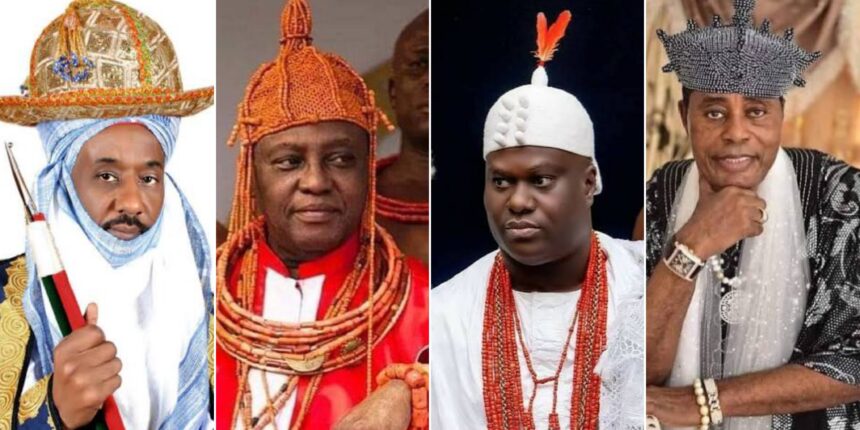
Nigeria’s traditional rulers have always represented history, identity and cultural authority, but a new reality is changing how the country views its royal institutions. Behind palace gates that once symbolised only heritage and customs, a different form of influence is emerging, one connected to business networks, international relationships, investment conversations and national development.
Across different regions of Nigeria, some monarchs are becoming more than custodians of ancient traditions. They are becoming personalities who attract investors, engage global communities, influence social conversations and serve as important bridges between communities, government officials and private sector leaders.
The throne has always carried respect, but modern Nigeria has added new dimensions to royal influence. Wealth, professional backgrounds, education, international exposure and strategic networking are reshaping the image of the Nigerian monarch.
From the historic palaces of Yoruba kingdoms to the ancient emirates of the North and the powerful royal institutions of Southern Nigeria, a new generation of traditional rulers is showing that influence is no longer measured only by political office or corporate ownership.
The question surrounding many Nigerian monarchs today is no longer simply about heritage or succession. It is about the wider influence attached to the crown and how traditional authority is adapting to a changing economy, a growing population and a more connected world.
The Changing Role Of Nigeria’s Traditional Institutions
Nigeria’s traditional rulers occupy a unique position within the country’s political and social structure. Unlike elected government officials, they do not control public budgets, create laws or run ministries, yet their influence remains deeply connected to everyday life across many communities.
The 1999 Constitution of Nigeria does not assign traditional rulers direct executive authority, but their relevance has continued because communities often view them as symbols of continuity, stability and local identity. Their roles frequently include settling disputes, preserving customs, supporting community initiatives and maintaining relationships between citizens and authorities.
Before colonial rule, many Nigerian kingdoms and emirates operated with significant political systems of their own. Monarchs controlled territories, managed local administration and played central roles in trade, security and cultural organisation. Colonial governance later changed these structures by redefining traditional rulers as part of indirect rule systems.
After independence in 1960, Nigeria moved toward a modern democratic system, reducing the formal political powers of traditional institutions. However, the social authority attached to royal positions remained strong.
Today, many monarchs operate in a space where history meets modern influence. They may not hold government positions, but their ability to connect with communities gives them a form of power that businesses, politicians and international organisations continue to recognise.
The Rise Of The Entrepreneurial Monarch
The image of the Nigerian monarch has gradually evolved. Traditionally, kingship was mainly associated with ancestry, royal lineage and cultural responsibility. However, some modern monarchs have added another layer to the institution through business experience, professional careers, education and international networks.
This has created a new type of royal figure, the entrepreneurial monarch.
These rulers combine traditional authority with economic understanding. They use their positions to promote tourism, encourage investment, support entrepreneurship and create partnerships that place their kingdoms on larger platforms.
The transformation is visible across different parts of Nigeria. Some monarchs became successful businessmen before ascending the throne, while others developed global relationships after becoming rulers.
Their influence comes from a combination of factors. A respected royal title creates access, while personal achievements create credibility among business leaders, investors and international partners.
This combination has changed how many Nigerians view traditional leadership. The palace is no longer seen only as a place where cultural ceremonies take place. For some monarchs, it has become a centre for dialogue, networking and economic engagement.
Ooni Of Ife, Culture Turned Into Global Influence
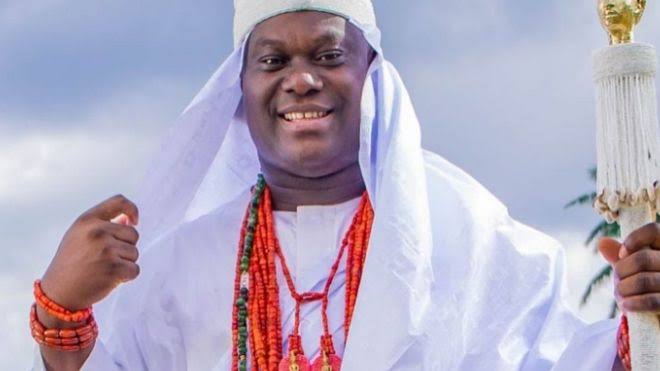
Oba Adeyeye Enitan Ogunwusi has become one of Nigeria’s most recognised examples of a modern monarch blending traditional authority with business experience and global engagement.
He became the Ooni of Ife in 2015, succeeding Oba Okunade Sijuwade, who passed away in 2015 after serving as monarch for over 30 years. Before becoming king, Ogunwusi was known as a businessman with interests connected to property development and investment.
His reign has focused heavily on expanding the visibility of Ile Ife, a city regarded by many Yoruba people as a major spiritual and historical centre.
The Ooni’s approach has placed strong attention on cultural diplomacy. Through royal events, international engagements and public initiatives, the palace has promoted Yoruba heritage beyond Nigeria’s borders.
Ile Ife has historically been associated with the origins of Yoruba civilisation, making the throne one of the most culturally significant royal positions in Nigeria. The Ooni’s strategy has been to transform that historical importance into a platform for tourism, cultural exchange and economic conversations.
The palace has hosted politicians, business leaders, entertainers, diplomats and international visitors, creating a meeting point where culture connects with modern influence.
His leadership style reflects a broader development among Nigerian monarchs. The modern throne is increasingly being used as a platform to promote identity while also attracting attention, partnerships and opportunities.
Oba Of Benin, Ancient Heritage With International Recognition
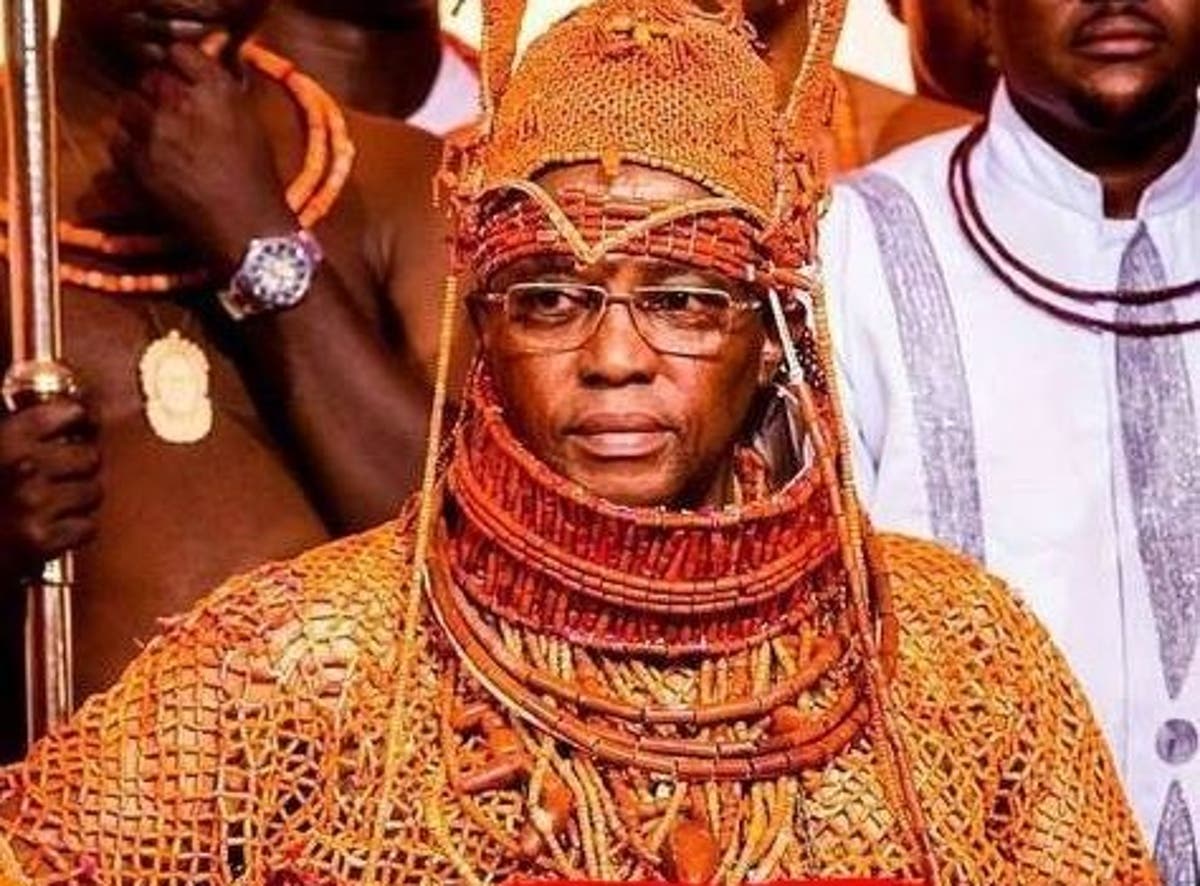
Oba Ewuare II represents one of Africa’s oldest royal institutions, with the Benin Kingdom carrying centuries of history and global recognition.
He became the Oba of Benin in 2016 following the passing of his father, Oba Erediauwa, who ruled from 1979 until 2016.
Before becoming king, Ewuare II had a diplomatic career. He served Nigeria in several diplomatic roles, including as Nigeria’s ambassador to countries such as Italy, Sweden, Angola and the Vatican.
That background gave the Benin Palace a different type of international connection. His reign has placed strong attention on heritage preservation, cultural diplomacy and global discussions surrounding Benin’s historical artefacts.
The Benin Bronzes remain one of the most recognised symbols of Nigeria’s cultural heritage. The artworks, many of which were taken from Benin City during the British expedition of 1897, have remained at the centre of international conversations about restitution and cultural ownership.
The Oba’s position gives him a unique voice in those discussions because the Benin monarchy remains directly connected to the history behind the artworks.
The influence of the Benin throne demonstrates another form of royal power. While some monarchs build influence through business, others draw strength from historical legitimacy and international cultural recognition.
The Benin Palace shows how heritage itself can become a form of influence in the modern world.
Emir Of Kano, Royal Authority Meets Economic Influence
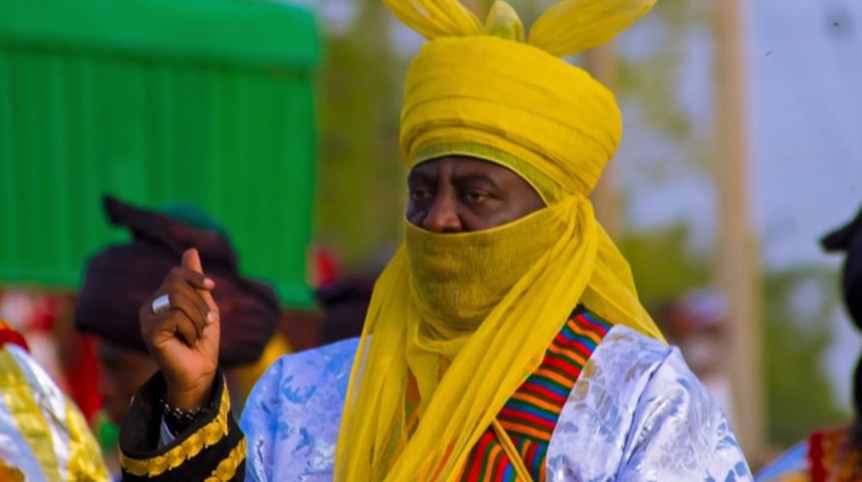
Few traditional institutions in Nigeria carry the level of historical, commercial and social importance associated with the Kano Emirate. Kano has remained one of Northern Nigeria’s most important economic centres for centuries, built around trade, agriculture, manufacturing and Islamic scholarship.
The emirate’s influence is connected to Kano’s position as a major commercial city with deep trading relationships across Nigeria and other parts of West Africa. Long before modern banking and corporate structures developed, Kano served as a major centre for merchants, textile production, leather industries and regional commerce.
The position of Emir of Kano therefore carries influence beyond the palace. It connects to a large network of communities, religious institutions, business leaders and traditional structures.
The most prominent example of a modern monarch combining professional expertise with royal authority is Muhammadu Sanusi II.
Before becoming Emir in 2014, Sanusi was already one of Nigeria’s most influential financial figures. He served as Governor of the Central Bank of Nigeria from 2009 to 2014 and previously built a career in banking, including his role as Chief Executive Officer of First Bank of Nigeria.
His appointment as Emir created a rare combination of financial knowledge, national recognition and traditional authority.
Sanusi used the platform of the emirate to speak on major national issues including poverty, education, economic inequality, governance and development. His speeches often attracted national attention because they came from someone who understood both traditional leadership and economic policy.
His reign also demonstrated how powerful traditional institutions can become when combined with personal expertise and public visibility.
However, the Kano Emirate also revealed the political sensitivity surrounding influential monarchs. In 2020, Sanusi was removed as Emir by the Kano State Government under Governor Abdullahi Ganduje after years of tension between the emirate and the state government.
The removal created national debate because many Nigerians viewed it as an example of the complicated relationship between traditional authority and political power.
In 2024, following political changes in Kano State, Sanusi was reinstated as Emir after the Kano State Government repealed the law that created multiple emirates in the state.
The Kano story shows that traditional institutions remain powerful enough to attract political attention. A monarch may not hold elected office, but the influence attached to the throne can become a major factor in national conversations.
The Billionaire Monarchs Changing The Royal Image
Nigeria’s traditional institutions have also produced monarchs whose influence comes from personal wealth built before or alongside their royal responsibilities.
The rise of wealthy monarchs has changed public perception of what a traditional ruler can represent. Some monarchs are no longer viewed only through ancestry and cultural history but also through their achievements in business, entrepreneurship and investment.
One of the most recognised examples is Frederick Obateru Akinruntan.
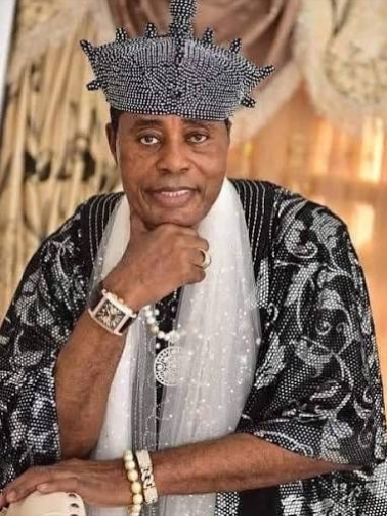
Akinruntan, the Olugbo of Ugbo Kingdom in Ondo State, built his reputation as a businessman before becoming a monarch. He founded Obat Oil and Petroleum Limited, a company involved in Nigeria’s downstream petroleum sector.
His business background placed him among Nigeria’s wealthiest traditional rulers and made him an example of a monarch whose economic influence existed beyond the crown.
The rise of business oriented monarchs reflects a wider pattern in Nigeria. Some individuals who enter traditional leadership already possess corporate networks, financial resources and connections that allow them to operate on a larger scale.
However, estimating the wealth of traditional rulers remains complicated. Royal assets, family holdings, inherited properties and personal businesses are often difficult to separate. Many public estimates of monarchs’ net worth are based on media reports rather than independently verified financial records.
The important point is not simply the size of their personal wealth but how economic strength changes the role of the monarchy.
A wealthy monarch can support community projects, attract investors, create partnerships and command attention in ways that traditional rulers without similar resources may find difficult.
The modern Nigerian palace is increasingly becoming a place where culture, influence and economic power meet.
Land, Communities, Investment Power
One of the most significant sources of traditional influence in Nigeria comes from land and community relationships.
Nigeria’s rapid population growth has increased demand for housing, commercial developments, industrial projects and agricultural expansion. Many large investments require cooperation from communities where traditional leaders hold strong social influence.
A company developing a major project may need government approvals, regulatory clearance and community acceptance. While government agencies provide official permission, traditional leaders often help shape community attitudes toward projects.
This makes monarchs important figures in negotiations involving land access and local relationships.
Real estate developers, agricultural companies, mining operators and energy firms often operate in communities where traditional structures remain influential.
A respected monarch can help create trust between investors and residents by providing reassurance that projects will respect local interests.
This role has become increasingly important as Nigeria searches for more private sector investment. Businesses need stable relationships with communities, especially in areas where development projects involve large amounts of land.
Traditional rulers therefore function as social connectors.
Their influence is not based on controlling companies or government institutions but on their ability to bring different groups together.
A monarch who understands community needs, maintains strong relationships and attracts external partnerships can become an important development figure within the region.
Nigeria’s Business Elite, Royal Connections
Nigeria’s wealthiest business figures understand the importance of relationships. Beyond financial capital, successful businesses often depend on social trust, local acceptance and strong networks.
This explains why many Nigerian business leaders maintain relationships with traditional institutions.
For investors entering new communities, the support of respected local leaders can be valuable. This is especially true in sectors such as agriculture, real estate, manufacturing, mining and energy.
Traditional rulers often provide access to community structures that formal government systems may not easily reach.
For example, a large agricultural project may require cooperation from local landowners and residents. A mining operation may need community support to avoid conflict. A housing development may depend on local acceptance.
The monarch becomes a bridge between economic interests and community expectations.
This relationship does not mean traditional rulers control investment decisions, but their influence can affect how smoothly projects operate.
As Nigeria continues to attract investment, the role of respected community leaders is becoming increasingly important.
The relationship between business leaders and monarchs shows that influence in modern Nigeria is built through different forms of power.
Money creates opportunities, government creates authority, but social trust creates access.
Political Influence Without Political Office
Traditional rulers occupy an unusual position in Nigerian politics. They do not contest elections, belong to political parties officially or hold government positions, yet politicians continue to seek their support and engagement.
Presidents, governors and lawmakers regularly visit royal palaces because traditional rulers remain important figures within their communities.
A monarch’s influence often comes from respect, history and the ability to communicate with large groups of people.
During major national discussions, traditional rulers are frequently consulted because they represent communities with millions of citizens.
Their influence can be seen during periods of conflict resolution, public campaigns and development initiatives.
However, their relationship with politics can also create challenges. Because state governments have significant influence over traditional institutions, including recognition and appointment processes, monarchs often operate within a delicate environment.
The balance between independence and government relations remains one of the biggest issues facing traditional institutions in Nigeria.
A powerful monarch must maintain cultural authority while navigating relationships with elected officials who control state resources and policies.
This delicate position explains why traditional rulers remain some of the country’s most interesting figures.
They stand outside formal politics but remain deeply connected to political realities.
Royal Branding, Turning History Into Influence
Modern Nigerian monarchies are increasingly becoming brands. Beyond ceremonies, traditional rulers are finding new ways to present their kingdoms, cultures and institutions to a wider audience.
The traditional palace is no longer limited to local gatherings or historical celebrations. Many royal institutions now use media platforms, public events, international relationships and foundations to expand their reach.
This development reflects a changing understanding of influence. In the digital age, visibility matters. A monarch who can communicate effectively with younger generations, attract global attention and promote cultural identity can increase the relevance of the institution.
The strategy is straightforward. History creates recognition, but modern communication turns recognition into influence.
Different royal institutions are building their identities around what makes them unique.
Ile Ife represents Yoruba history, spirituality and cultural heritage. The Benin Kingdom represents ancient civilisation, artistic achievement and global heritage conversations. Kano represents commerce, scholarship and northern regional influence.
Each throne carries a different form of influence based on history, geography and social connections.
The growth of royal branding has also changed how younger Nigerians interact with traditional institutions. Social media has allowed monarchs to communicate directly with millions of people, creating a more public image of royalty.
A monarch’s influence is no longer measured only by palace visits or traditional ceremonies. It is increasingly connected to public engagement, digital visibility and the ability to tell a compelling story about a kingdom.
Lagos Traditional Institutions, Influence In Nigeria’s Commercial Capital
Lagos presents a different example of traditional influence because of its position as Nigeria’s economic centre.
The city is home to powerful traditional institutions that have historically played important roles in land ownership, culture and community identity.
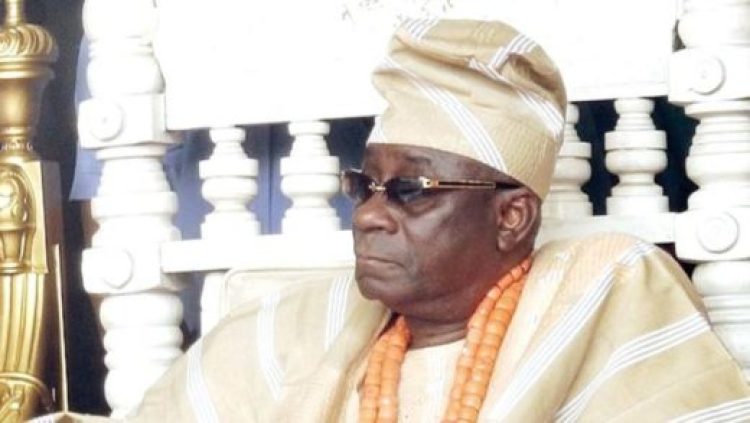
The Oba Rilwan Akiolu has occupied the Lagos throne since 2003, representing one of the country’s most visible traditional positions.
The Lagos monarchy operates in a city that contains Nigeria’s largest concentration of businesses, financial institutions, wealthy individuals and international companies.
Because Lagos is Nigeria’s commercial capital, traditional institutions in the city are connected to conversations around real estate, development, culture and community relations.
Land remains one of the biggest areas where traditional influence intersects with economic activity in Lagos.
The city’s rapid expansion has created huge demand for residential developments, commercial properties and infrastructure projects. Historical land relationships and community structures remain important parts of these discussions.
Beyond land, Lagos traditional institutions also serve as cultural representatives of communities that have experienced rapid urban transformation.
The challenge for monarchs in Lagos is balancing tradition with the realities of a modern megacity.
They must preserve cultural identity while engaging with a city driven by technology, finance, entertainment and international business.
This represents the broader challenge facing many Nigerian monarchs today.
They are guardians of the past operating within a fast changing economy.
The Constitutional Debate Around Traditional Power
The growing influence of Nigerian monarchs has renewed discussions about whether traditional rulers should receive a more formal role within Nigeria’s governance system.
For many years, there have been calls for stronger recognition of traditional institutions because of their grassroots connection and ability to influence communities.
Those pushing for greater recognition argue that monarchs can contribute to areas such as conflict resolution, community security, rural development and cultural preservation.
Nigeria faces challenges that often require local understanding. Traditional rulers frequently have relationships with communities that government officials may struggle to build quickly.
Their knowledge of local customs, history and social structures can make them valuable partners in development efforts.
However, the debate remains complicated because Nigeria operates under a democratic system where elected officials are responsible for governance.
The central question is how traditional authority can complement democracy without creating competing centres of power.
Nigeria’s history shows that traditional institutions have always adapted to changing political systems. Before colonial rule, many kingdoms had direct governing authority. During colonial administration, their roles changed. After independence, they became mainly cultural and advisory institutions.
The current debate represents another stage in that evolution. As Nigeria grows economically and socially, the role of traditional rulers will continue to attract attention.
Wealth, Access, Influence, The New Royal Equation
The modern Nigerian monarch operates within a different environment from previous generations.
Royal legitimacy remains the foundation, but additional forms of influence have become increasingly important.
A monarch with business experience, international connections, media visibility and strong community relationships can operate at a much higher level of influence.
This does not mean every traditional ruler has similar power. Nigerian monarchies differ widely depending on history, location, population, economic importance and personal leadership style.
A village traditional ruler and the head of a historically significant kingdom may occupy completely different levels of influence.
However, the broader trend is clear. Some Nigerian monarchs are becoming important figures in conversations involving investment, diplomacy, culture and development.
Their influence comes from combining old institutions with modern tools.
The throne provides historical legitimacy. Business networks provide economic access. Global connections provide visibility.
Together, these factors have created a new model of Nigerian royalty.
The Future Of Nigeria’s Traditional Power Centres
Nigeria’s future influence structure is likely to involve a combination of political leaders, business executives and traditional authorities.
Political leaders control government decisions and public resources. Business leaders control investment, industries and economic opportunities. Traditional rulers control cultural legitimacy, community relationships and social influence.
The most influential individuals may increasingly be those who understand how these different worlds connect.
A governor may need investors to create jobs. Investors may need community acceptance to complete projects. Communities may look toward traditional rulers for guidance and representation.
This creates a network where different forms of power interact. Nigeria’s traditional institutions have survived because they continue to adapt. Their survival has never depended only on history but on their ability to remain relevant as society changes.
The modern monarch is no longer defined only by the crown, palace or ceremony.
The emerging model is built around ancient legitimacy combined with modern wealth, strategic relationships and global awareness.
Across Nigeria, the throne is becoming more than a symbol of the past. For some monarchs, it has become a platform for influence in the present and a tool for shaping conversations about the future.
The growing power of wealthy Nigerian monarchs reflects a wider transformation in how influence works in the country.
Power is no longer found in one place alone. It exists in government offices, corporate boardrooms, investment networks and increasingly, within royal palaces that have learned how to adapt to a new Nigeria.