A fresh political celebrity dispute has placed Davido at the centre of another controversy, this time involving Edo State Governor Monday Okpebholo and a declaration that has quickly attracted attention across Nigeria. What began around a political campaign in Osun State has developed into a much bigger confrontation involving public statements, a disputed academic document, a refusal to apologise, a warning directed at the singer, and a strong response from someone within Davido’s close circle.
The latest development has raised an obvious question for many people following the story, but the circumstances surrounding that claim require the events to be followed carefully, because the declaration did not appear out of nowhere and the people involved have very different positions on what happened.
How the Edo dispute began
The chain of events can be traced back to the political atmosphere surrounding the August 15, 2026 Osun State governorship election, where Governor Monday Okpebholo of Edo State became involved in campaigning for the All Progressives Congress candidate, Bola Oyebamiji. The political contest was particularly sensitive for Davido because the incumbent Osun State Governor, Ademola Adeleke, is his uncle, and the singer had openly shown his support for Adeleke during the election period. That meant the campaign was not simply another political outing for Davido to observe from a distance, because comments directed at his uncle quickly became a matter he was prepared to answer publicly.
Okpebholo’s campaign activities in Osun placed him on the opposite side of a political contest involving Adeleke, and his comments about the Osun governor became one of the major triggers for the dispute that followed. While addressing the campaign crowd, Okpebholo mocked Adeleke’s well known habit of dancing at public events and questioned whether the governor was taking his responsibilities seriously enough. His words were direct and deliberately personal, giving the political disagreement a more confrontational tone and creating the opening for Davido to respond.
Okpebholo’s comment about Adeleke
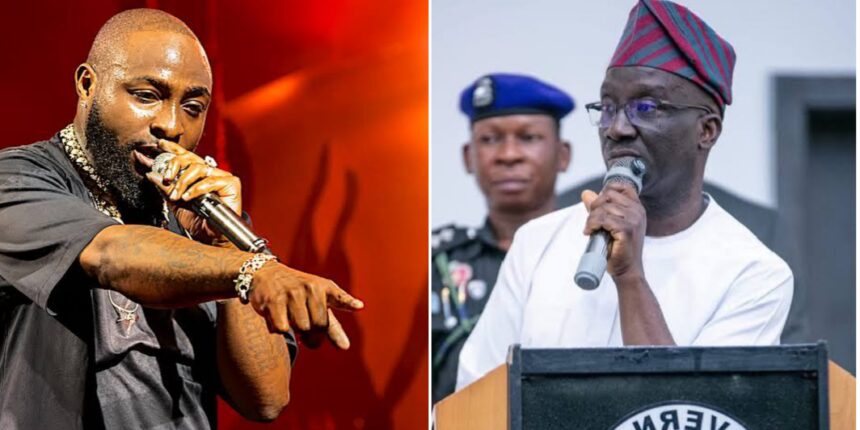
During the campaign, Okpebholo said, “Before somebody signs paper, he will dance. Are you not tired? For four years, this man has been dancing. Before he takes breakfast, before he drinks tea, he will dance.”
The statement immediately connected the political campaign to a familiar part of Adeleke’s public image, but it also created another problem because Adeleke’s relationship with Davido meant that the singer was not a detached observer of the political exchange. Davido had already been active around the Osun election, and his public support for his uncle was well known. Once the Edo governor directed his attention towards Adeleke in such a pointed manner, the dispute moved beyond a normal campaign argument and opened the door for Davido to respond in his own way.
Davido’s response would become one of the most important parts of the story because instead of limiting his reaction to a political argument about Adeleke’s record, he turned attention towards Okpebholo himself. The singer shared what appeared to be the governor’s WAEC result on his Instagram Story, presenting the document as a response to the criticism coming from the Edo governor. The document showed several poor grades, but its authenticity was not independently verified, leaving an important question surrounding the material that Davido chose to publish.
The WAEC result becomes central
The alleged WAEC result quickly became a major part of the confrontation because it changed the nature of the exchange between Davido and Okpebholo. What had started with a governor mocking another governor’s public conduct during an election campaign had now become a personal exchange involving the academic record of the governor making the criticism. Davido’s decision to publish the document placed Okpebholo’s educational history directly into the public conversation and gave the dispute a much more personal dimension.
There is an important distinction to maintain when discussing the document because the fact that Davido posted it is established, while the authenticity of the document itself remains disputed. It should therefore not be presented as an independently confirmed WAEC record belonging to Okpebholo. Reports also carried a claim from Okpebholo’s side that the document was AI generated, but that claim has not been independently established either. The safest factual position is that Davido posted an alleged WAEC result, the document has not been independently verified, and the two sides have presented different claims about its origin.
The call for an apology
The dispute did not end with the Instagram post, because attention soon turned to whether Davido should apologise for publicly responding to the governor in that manner. Lawyer Timothy Tugbiyele called on the singer to apologise to Okpebholo, arguing that Davido should not have personally responded to the governor’s comments about Adeleke. The demand for an apology introduced another stage into the confrontation because Davido was now being challenged not simply over what he posted, but over whether he believed his response had crossed a line.
Davido’s answer was clear and left little room for interpretation. During an interview with News Central, he said, “I’m not going to apologise. I didn’t do anything wrong.” His response showed that he had no intention of withdrawing the post or accepting the argument that he had acted improperly. Davido also explained that he believed he was showing people in Edo State the academic record of the person governing them, framing his response as a way of turning attention back towards Okpebholo rather than accepting the criticism directed at his uncle.
Davido takes the dispute further
Davido’s position did not stop at his refusal to apologise, because he also questioned why Okpebholo had left Edo State to campaign in Osun while directing criticism towards Adeleke. The singer’s argument was that the Edo governor had entered another state’s political contest and attacked a member of Davido’s family, which made the response personal from his perspective. That context helps explain why the disagreement continued after the original campaign statement, because the singer viewed the exchange through both political and family lines.
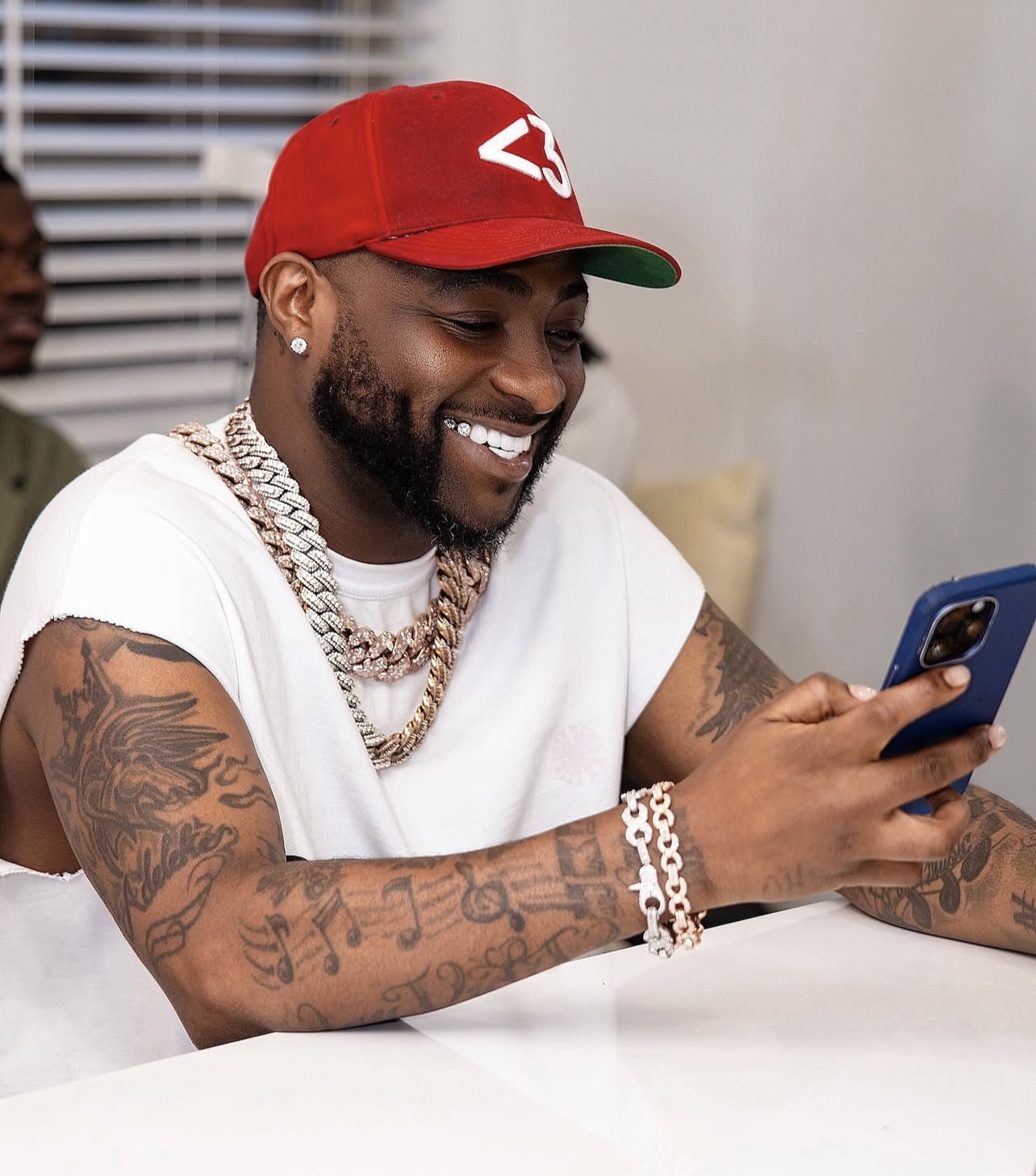
Davido also made a remark about Okpebholo’s children, saying that he felt sorry for them because of their father’s public conduct. That statement added another personal layer to the argument and showed that the singer was not backing away from the confrontation after the demand for an apology. Rather than closing the matter, his refusal and subsequent comments kept attention on the dispute and created the circumstances for the next major development.
The August 21 declaration
The most dramatic turn came on August 21, 2026, when Apostle Kassy Chukwu, identified in reports as Governor Monday Okpebholo’s Senior Special Assistant on Digital Media, released a video addressing Davido. Chukwu’s intervention was significant because he was not presented simply as an ordinary individual reacting to a celebrity dispute, but as an aide connected to the Edo governor. His position gave his words additional political weight, even though the precise legal status of the declaration would later become an important part of the story.
Chukwu declared that Davido had been barred from performing in Edo State and said, “You have been banned from coming to Edo State to perform. We don’t want to see you in Edo again.” Reports further described the restriction as lasting for the remaining period of Okpebholo’s administration, with Leadership reporting that Chukwu referred to the remaining period of the governor’s tenure as “six years.” That declaration is the point at which the phrase “Davido banned from performing in Edo” entered the centre of the controversy.
The words that made the video more serious
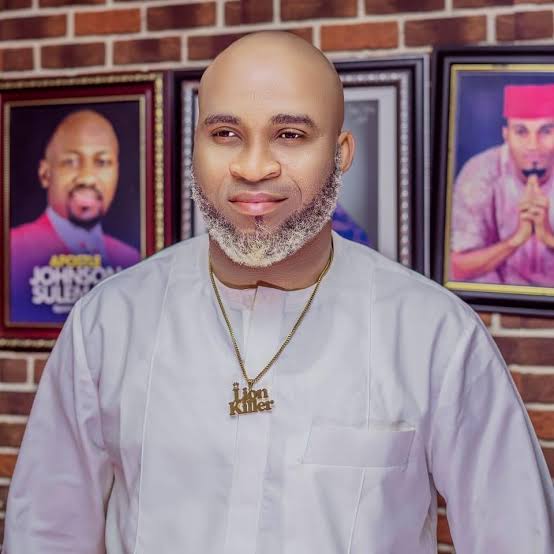
Chukwu’s video was not limited to a statement about whether Davido should perform in Edo State. Reports also described threatening remarks about what could happen if the singer came to the state, including language calling for people to confront him physically. That detail is important because it changes the character of the controversy from a disagreement over political comments and concert bookings into a situation involving a direct warning about the singer’s safety.
The reported remarks have therefore become one of the most serious elements of the entire episode. A statement saying an entertainer will not be allowed to perform at certain events is different from language suggesting that people should confront that entertainer physically. Chukwu’s position as an aide to the governor makes the context particularly important, although the existence of threatening language in the video does not by itself establish that the Edo State Government formally authorised such threats or that the governor personally issued them.
Who actually declared the ban?
This is where the story requires careful wording because the public declaration and a formal government action are not necessarily the same thing. Available reporting identifies Kassy Chukwu as the person who publicly declared Davido barred from performing in Edo. Chukwu is identified as Governor Okpebholo’s Senior Special Assistant on Digital Media, meaning that he is connected to the governor’s administration, but that connection alone does not establish that his statement represents a formally enacted statewide prohibition.
No formal executive order, gazette, court order or publicly documented Edo State Government instrument establishing a legal statewide ban on Davido has been established in the reporting described here. There is also no established evidence that Davido has been legally prohibited from entering Edo State altogether. The public evidence currently supports the fact that an aide declared that Davido had been barred from performing, while the existence of a formal legal instrument creating such a ban remains unestablished.
Why the wording matters
The difference between “Edo State bans Davido” and “Okpebholo’s aide declares Davido barred from performing in Edo” may look small at first, but it is a major difference when reporting a developing story. The first wording presents a formal government action as an established fact, while the second identifies exactly who made the declaration and avoids claiming that a formal legal process has already taken place. That distinction becomes even more important because the controversy involves a sitting governor, one of Nigeria’s biggest entertainers, and statements that have generated significant public attention.
Calling the situation a confirmed statewide legal ban without evidence of an official government instrument would therefore go beyond what has been established. The more accurate description at this stage is that Chukwu publicly declared Davido barred from performing in Edo, while no formal executive order or other legal instrument establishing such a ban has been publicly established in the reporting available here.
Israel DMW enters the dispute
Davido’s logistics manager, Israel DMW, later responded to the controversy, rejecting the idea that anyone could simply prevent Davido from coming to Edo State. His response added another voice to an already heated dispute and made it clear that Davido’s camp did not accept Chukwu’s declaration as an unquestionable authority.
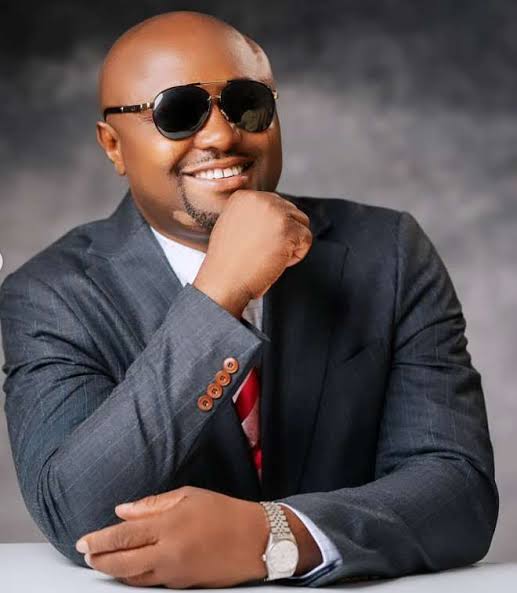
Israel’s position was essentially that no individual had the authority to ban Davido from Edo, directly challenging the statement made by the governor’s aide. That creates a clear clash between the two sides, with Chukwu declaring that Davido is barred from performing and Israel rejecting the legitimacy of that declaration. The dispute therefore remains unresolved at the level of publicly documented government action because neither side’s statement, by itself, establishes a formal legal position.
The dispute follows a clear sequence
The timeline becomes easier to understand when the major events are placed beside one another. The first important stage came during the build up to the August 15, 2026 Osun governorship election, when Monday Okpebholo travelled to Osun to campaign for Bola Oyebamiji, the APC candidate. His campaign placed him directly against the political interests of Ademola Adeleke, who was seeking another term and who also happens to be Davido’s uncle.
The second stage came when Okpebholo criticised Adeleke’s dancing and questioned his seriousness as governor. The third stage followed when Davido responded by posting what appeared to be Okpebholo’s WAEC result on Instagram. The fourth stage came when calls were made for Davido to apologise, including the intervention from lawyer Timothy Tugbiyele. The fifth stage came when Davido rejected the demand during his News Central interview and said, “I’m not going to apologise. I didn’t do anything wrong.”
The sixth stage arrived on August 21, 2026, when Kassy Chukwu publicly declared Davido barred from performing in Edo and made remarks that reports described as threatening. The seventh stage followed when Israel DMW responded and rejected the declaration. Seen in that order, the latest controversy is not an isolated announcement but the latest development in a dispute that had already moved through several increasingly personal stages.
The Osun election connection
The political background remains essential because the dispute did not begin with an argument over a concert, music or entertainment. It developed during the build up to a governorship election in which Davido was openly supporting his uncle, Ademola Adeleke. Okpebholo, meanwhile, was supporting Bola Oyebamiji, the APC candidate, placing the Edo governor on the opposite side of the political contest from Davido.
That political divide helps explain why the comments carried more weight than an ordinary exchange between two public figures. Davido had a direct family connection to one side of the election, while Okpebholo had entered the campaign on behalf of the opposing political party. Once Okpebholo criticised Adeleke publicly and Davido responded by directing attention towards Okpebholo’s alleged academic record, the disagreement moved quickly from political campaigning into a personal public confrontation.
What happened after the election?
The Osun election eventually produced another significant development when Ademola Adeleke was declared the winner. That result added context to the dispute because the political campaign that brought Davido and Okpebholo into opposing positions had reached its conclusion, yet the disagreement between the singer and the Edo governor’s side did not disappear with the election result.
Instead, the dispute continued to generate statements after the campaign period, eventually reaching the August 21 declaration by Chukwu. The timing is important because it shows that the latest Edo controversy emerged after the original political contest had already taken place. The focus had shifted away from who would win Osun and towards the personal confrontation that developed between Davido and the governor’s camp.
The disputed WAEC claim
The alleged WAEC result remains another unresolved part of the story. Davido posted a document that appeared to show Okpebholo’s academic results, but there has been no independent verification establishing the document as authentic. That means the document should not be presented as a confirmed official record simply because it appeared on Davido’s social media account.
Chukwu reportedly responded by claiming that the result was AI generated. That allegation should also be treated carefully because it came from Okpebholo’s side and has not been independently established. The factual position is therefore straightforward, Davido posted an alleged WAEC result, the document’s authenticity remains unverified, and Chukwu later claimed that it was AI generated. Neither the authenticity of the document nor the AI generation claim has been independently settled by the evidence described here.
What is confirmed about Davido’s status?
The confirmed part of the story begins with the political campaign and continues through the public statements that followed. Okpebholo criticised Adeleke during the Osun campaign, Davido posted an alleged WAEC result, calls were made for Davido to apologise, and Davido publicly refused to do so. Those developments are separate from the question of whether the alleged WAEC document was authentic or whether a formal Edo State ban exists.
The August 21 statement from Kassy Chukwu is also established as a public declaration that Davido had been barred from performing in Edo. Israel DMW’s rejection of that declaration is another confirmed development. What remains unestablished is whether the declaration has been converted into a formal government prohibition backed by an executive order, gazette, court order or other publicly documented legal instrument.
The central question behind the headline
The headline “Davido recently Banned From Performing in Edo?” captures the tension surrounding the latest development because the word “banned” is being used publicly, but the available evidence does not yet establish the kind of formal legal ban that the word can imply. Chukwu said Davido was banned from performing in Edo, while Israel DMW rejected the authority behind that statement. No publicly documented formal government instrument has been established to settle the issue.
That leaves the controversy at a very specific point. Davido has been publicly declared barred from performing in Edo by an aide to Governor Okpebholo, but there is no established evidence in the reporting described here that Davido is legally prohibited from entering Edo State or performing anywhere in the state under a formal statewide government order. The distinction is not a technical footnote, it is the central fact separating what has actually been declared from what has been legally established.
The full picture so far
The story began with politics, moved into a personal exchange, escalated through social media, continued through a refusal to apologise, and reached its latest stage with a public declaration from an aide to the Edo governor. The August 15, 2026 Osun election provided the political setting, while the August 21 statement from Kassy Chukwu created the latest controversy surrounding Davido’s ability to perform in Edo.
The major players are now clearly identifiable. Monday Okpebholo criticised Ademola Adeleke during the Osun campaign, Davido responded by posting an alleged WAEC result, lawyer Timothy Tugbiyele called for an apology, Davido rejected that demand during an interview, Kassy Chukwu declared Davido barred from performing in Edo, and Israel DMW challenged that declaration. Each development pushed the dispute further from its original political setting.
For now, the strongest factual description remains that Governor Okpebholo’s aide publicly declared Davido barred from performing in Edo, while a formal legal statewide ban has not been established in the reporting available here. The controversy therefore remains centred on the difference between a public declaration by a governor’s aide and an officially documented government prohibition. That distinction is likely to remain at the heart of the story as the dispute continues to unfold.