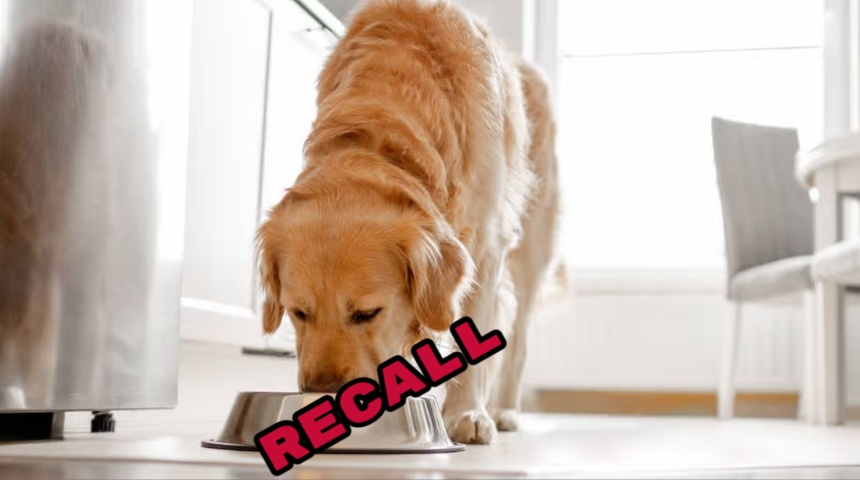
A UK subscription dog food brand has pulled almost its entire fresh meal range off the market after 192 customers reported sudden eye problems in their dogs, some severe enough to threaten permanent vision loss.
Years, a premium fresh-food delivery service that has served roughly 40,000 customers so far this year, told subscribers on Monday night to stop feeding its meals to their pets immediately. The company says it is investigating a possible link between its buckwheat ingredient and a painful condition called keratoconjunctivitis sicca (KCS), more commonly known as dry eye.
For a brand built on the promise of chef-cooked, “tailored” nutrition, the announcement marks a serious credibility test. It also leaves thousands of pet owners scrambling to figure out whether their dog’s food is affected, what symptoms to watch for, and what happens next.
What Triggered the Recall
According to Years, the first reports trickled in during late July, when a small number of customers described their dogs suddenly developing red, irritated eyes that stopped producing enough tears. By August 16, that number had grown to 57 suspected cases. Just two days later, on August 18, the count had more than tripled to 192 reports, prompting the company to pull nearly all of its fresh recipes from circulation.
The one exception is the brand’s Chef’s Collection, an ultra-premium, limited-edition line that uses a different recipe and has not been implicated in the reports.
Years says an independent veterinary nutrition specialist reviewed the early data on August 1 and found a link to the food unlikely at that stage, though the vet recommended further monitoring. As case numbers kept climbing through the month, and after input from ophthalmologists and customer advocates, the company changed course and issued the recall as a precaution.
Laboratory and toxicology testing on the brand’s buckwheat supply is still underway. Years has not confirmed a causal link between the ingredient and the eye problems, but it says it is treating contamination as a real possibility and is already reformulating its recipes to replace buckwheat with quinoa.
Recall Snapshot
| Detail | Figure |
|---|---|
| Total suspected eye-related reports (as of Aug. 18, 2026) | 192 |
| Suspected cases reported by Aug. 16, 2026 | 57 |
| Customers served year-to-date | ~40,000 |
| Reported cases as share of customers served | ~0.1% |
| Buckwheat content in affected recipes | 6.3%–7.2% |
| Products excluded from the recall | Chef’s Collection range |
| Subscription pause period | Initial 6 weeks |
| Ingredient replacing buckwheat | Quinoa |
Which Products Are Affected
The recall covers nearly every fresh meal recipe in the standard Years lineup, all of which contained buckwheat as an ingredient. The company has not published a separate SKU-by-SKU list beyond confirming that the Chef’s Collection tier is the sole exclusion. If you subscribe to Years and are unsure whether your specific meal plan is affected, the safest move is to stop feeding the food immediately and check the notice sent directly to your account email, since the company has already paused active deliveries for the affected range.
Symptoms Dog Owners Should Watch For
Keratoconjunctivitis sicca develops when a dog’s eyes stop producing enough tears to keep the surface lubricated. Left untreated, it can progress to corneal ulcers, scarring, and in severe cases, permanent vision damage. Owners who have come forward describe the onset as sudden rather than gradual.
Watch for:
- Red, inflamed, or visibly irritated eyes in both eyes at once
- Thick discharge or a “gunky,” crusted appearance around the eyes
- Squinting, pawing at the face, or apparent discomfort in bright light
- A dull, dry look to the surface of the eye rather than its usual glossy shine
- Sudden reluctance to have the eye area touched
- In advanced cases, visible clouding of the cornea or signs the dog is struggling to see
One case that surfaced publicly involved an eight-year-old pug named Peanut, whose owner said his condition went “downhill overnight” after eating the affected food, leaving him unable to open his eyes properly. Another owner described his dog’s eyes turning “gunky” after roughly two years on the brand’s meals.
Because KCS can also stem from unrelated causes, including autoimmune conditions, certain medications, infections, or genetic predisposition, a diagnosis of dry eye alone does not confirm the food is to blame. That is precisely why Years is treating the pattern in reports, rather than any single case, as grounds for a precautionary recall.
What Owners Should Do Right Now
- Stop feeding the affected food immediately. Even without a confirmed cause, Years has told customers not to feed their remaining meals to any animal, including pets outside the original subscription.
- Watch your dog closely for the symptoms above, particularly redness, discharge, or squinting in both eyes.
- Call your vet if you notice anything unusual. Years and independent veterinarians both stress that early treatment for dry eye conditions significantly improves the outcome and lowers the risk of lasting damage.
- Request the free collection and credit. The company is arranging pickup of unused meals and applying a full account credit for affected orders.
- Report your case to Years. The company has asked customers experiencing symptoms to come forward, since additional reports help pin down whether buckwheat, contamination, or another factor is responsible.
- Hold off on reordering until the six-week pause lifts and the reformulated, buckwheat-free recipes are confirmed safe.
Years says it will use the pause to finish testing its buckwheat supply and transition its full recipe range to quinoa instead. Whether the investigation ultimately points to contamination, a broader ingredient issue, or something else entirely, the company has framed the recall as a proactive step taken ahead of a confirmed cause, not after one.
For an industry that has weathered a string of recalls this year, from thiamine-deficient freeze-dried recipes to elevated vitamin D levels in frozen food, this case stands out for how quickly the number of reports grew, more than tripling in under a week, and for how directly it ties back to something as ordinary as a grain ingredient.
Pet owners who feed commercial or subscription dog food more broadly may want to keep an eye on official recall trackers, including the FDA’s recall database and the American Veterinary Medical Association’s alerts page, both of which are updated as new pet food and treat recalls are announced.