For many Nigerians, football is not just a sport; it is an activity whose outcome can shape the mood of an entire nation and influence its people’s actions. The end of any crucial national football match can stir a range of emotions. It could unite the nation in joy and excitement following a triumph or cast a dark shadow of pain and despondency on the nation after an agonising loss.
Football is an elastic chord that binds uniquely different people and brings the nation together. It is a veritable tool that regularly extinguishes the flame of bigotry, parochialism and hate, blurs the nation’s fault lines and acute differences, replacing them with an imposing cloud of unity, brotherliness and selflessness. However, in recent years, this beautiful game, which has brought the people solace and happiness when Nigeria was something of a football powerhouse, has brought nothing but disappointment, frustration and anguish amid abysmal and appalling performance of teams at all levels, a development that saw the nation fail to qualify for two consecutive World Cups.
This troubling state of national football management in the country has not only severely hampered the Super Eagles but also other age-grade and female football teams. The recent failure of the Super Falcons to qualify for the Women’s World Cup is the last straw that broke the camel’s back. The Super Falcons have qualified for every edition of the World Cup since it began in 1991 and have dominated African football, maintaining an aura of invincibility and indomitability for a long time on the continent. The failure of the team to qualify is not engendered by the passing phase and fleeting period of complacency brought about by arrogance and success exhaustion but a disconcerting reflection of the steep decline of Nigerian football and the shambolic state it is currently in.
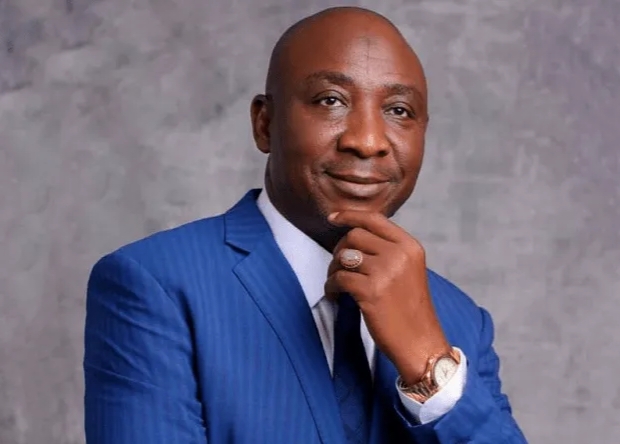
No sooner had the Super Falcons failed to qualify than Nigerians began to demand an overhaul of the Nigerian Football Federation. Amid mounting pressure for the NFF leadership to step down, on Thursday, the NFF President, Ibrahim Musa Gusau, resigned from office alongside members of his board, bringing a sudden end to their administration.
Gusau announced his resignation while addressing members of staff and journalists at the federation’s headquarters in Abuja. The development marked the collapse of a leadership that came into office in October 2022, with promises of stability, development and improved football administration.
According to the Zamfara-born administrator, his decision followed consultations with relevant stakeholders and his family, adding that his exit was aimed at creating room for reforms within the federation.
“I consulted, I had to inform them, and I decided to resign as president of the NFF. My resignation is intended to give way to a comprehensive and orderly reform process aimed at addressing the longstanding institutional, governance and developmental challenges confronting Nigerian football”. He added: “I have decided to resign my position. I have also advised my board members to resign”.
The statement marked the end of a leadership team that had previously appeared determined to stay on and seek another tenure.
Gusau’s exit was not just a personal decision. It came after months of administrative upheaval and strings of setbacks that placed his administration under intense scrutiny.
The NFF leadership was confronted by a series of setbacks and myriad of challenges, including Nigeria’s failure to qualify for the 2026 FIFA World Cup, the Super Falcons’ historic failure to qualify for the 2027 FIFA Women’s World Cup, declining performances from age-grade teams, concerns over corruption and malfeasance, investigations by security and anti-corruption agencies, growing dissatisfaction among football stakeholders, public distrust of the federation’s electoral process among others.
Major problems that Gusau’s exit
Double World Cup misses: After failure to qualify for the 202 World Cup, missing out on the 2026 edition brought matters to a head, and it is one of the first and major setbacks that spurred the intense public scrutiny. The nation’s absence from the World Cup on two consecutive occasions turned disappointment and frustration into a national debate over the direction of Nigerian football.
Super Falcons’ historic failure: The pent-up anger and frustration of Nigerians over the men’s absence at the 2026 Mundial boiled over after the Falcons failed to qualify for the 2027 FIFA Women’s World Cup, ending Nigeria’s record of participating in every edition of the competition since it began in 1991. The Falcons’ failure was particularly devastating and had to be stomach-turning because the team had long been regarded as the most successful women’s football side in Africa and one of Nigeria’s strongest sporting brands.
The two qualification failures diverted blame from coaches and players to the leadership of the NFF.
Ex-internationals raise concerns: Former internationals, football administrators, stakeholders and ordinary Nigerians who love the sport began asking questions; they questioned the ability of those at the helm of the Federation to take Nigerian football on the right trajectory and whether they had the right structures and policies to sustain Nigeria’s football success.
For Gusau and his men in the glass house, the issue had gone beyond results on the pitch. It had become a question of confidence and trust in the entire football administration system.
Decline in age-grade football: Beyond the senior national team’s uninspiring displays and failure to qualify for flagship global football competitions, Nigeria’s youth football has also been in disarray and has become a serious source of worry.
The country’s Under-17 and Under-20 teams had traditionally served as a critical pipeline that produced players who later represented the senior national teams. Nigeria’s success at youth tournaments had made the country one of the world’s leading producers of football talent.
However, declining consistency from the age-grade teams raised concerns about the organisation, structure and strength of the development system. While individual failures can be blamed on factors such as coaching decisions, injuries or poor form, simultaneous struggles across the senior teams and youth structures suggested deeper institutional failure.
That was one of the major criticisms the Gusau administration faced.
Investigation of financial impropriety: Aside from the overall terrible situation of things on the football front, cases and reports of financial infractions have worsened the crisis rocking the federation and made the position of Gusau and the board largely untenable, with questions over the management of government intervention funds meant to address outstanding financial obligations to members of Nigeria’s national teams becoming a recurring occurrence during their administration.
According to some media reports, security and anti-corruption agencies were examining documents relating to how these funds were spent and managed.
Different reports put the figures at N17 billion and N12 billion, although the exact amount involved and the full scope of the investigations require official clarification.
The Department of State Services (DSS) was reported to have requested documents concerning the funds, while the Economic and Financial Crimes Commission (EFCC) and Independent Corrupt Practices and Other Related Offences Commission (ICPC) were also linked to wider scrutiny of the federation’s finances.