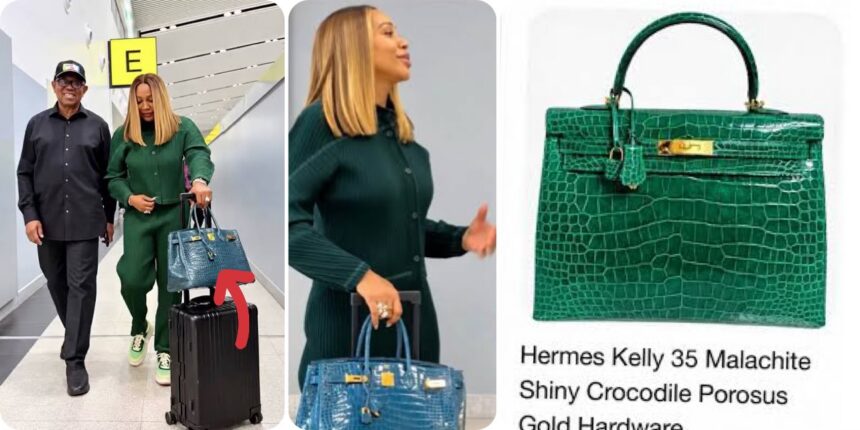
A handbag carried by Margaret Obi has suddenly become the centre of a much bigger conversation than fashion.
The wife of former Anambra State governor and 2027 presidential hopeful Peter Obi was recently seen carrying a luxury Hermès handbag, setting off a wave of reactions online after reports emerged about the price of the particular model. What might ordinarily have been a conversation about fashion soon became political.
For many Nigerians, the striking part was not simply the bag itself, but what it appeared to represent when placed beside Peter Obi’s carefully built image of personal modesty and fiscal discipline. And that is where the handbag story became a Peter Obi story.
How A Handbag Became A Political Conversation
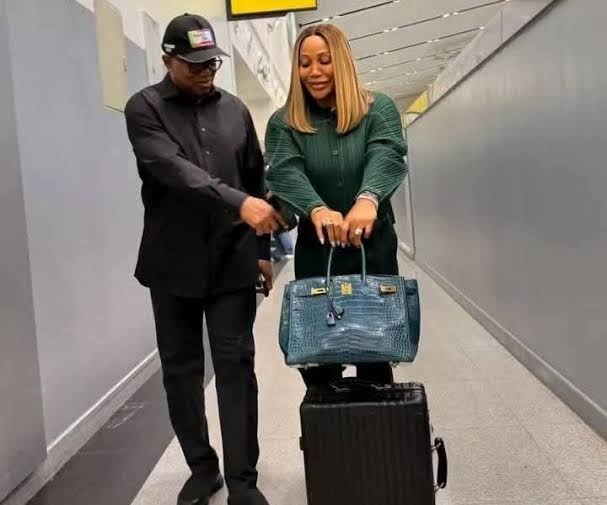
The controversy began after images and videos of Margaret Obi carrying the luxury bag circulated widely on social media.
As the images spread, so did questions about the reported value of the handbag and what it meant for a politician whose public identity has long been closely linked to prudence and cutting waste.
One of the questions that circulated online was blunt: if Peter Obi has consistently presented himself as a frugal politician committed to reducing the cost of governance, how does a handbag reportedly worth hundreds of millions of naira fit into that picture?
That question quickly moved the discussion away from Margaret’s fashion choice and towards her husband’s political brand.
Why Peter Obi’s Image Matters Here
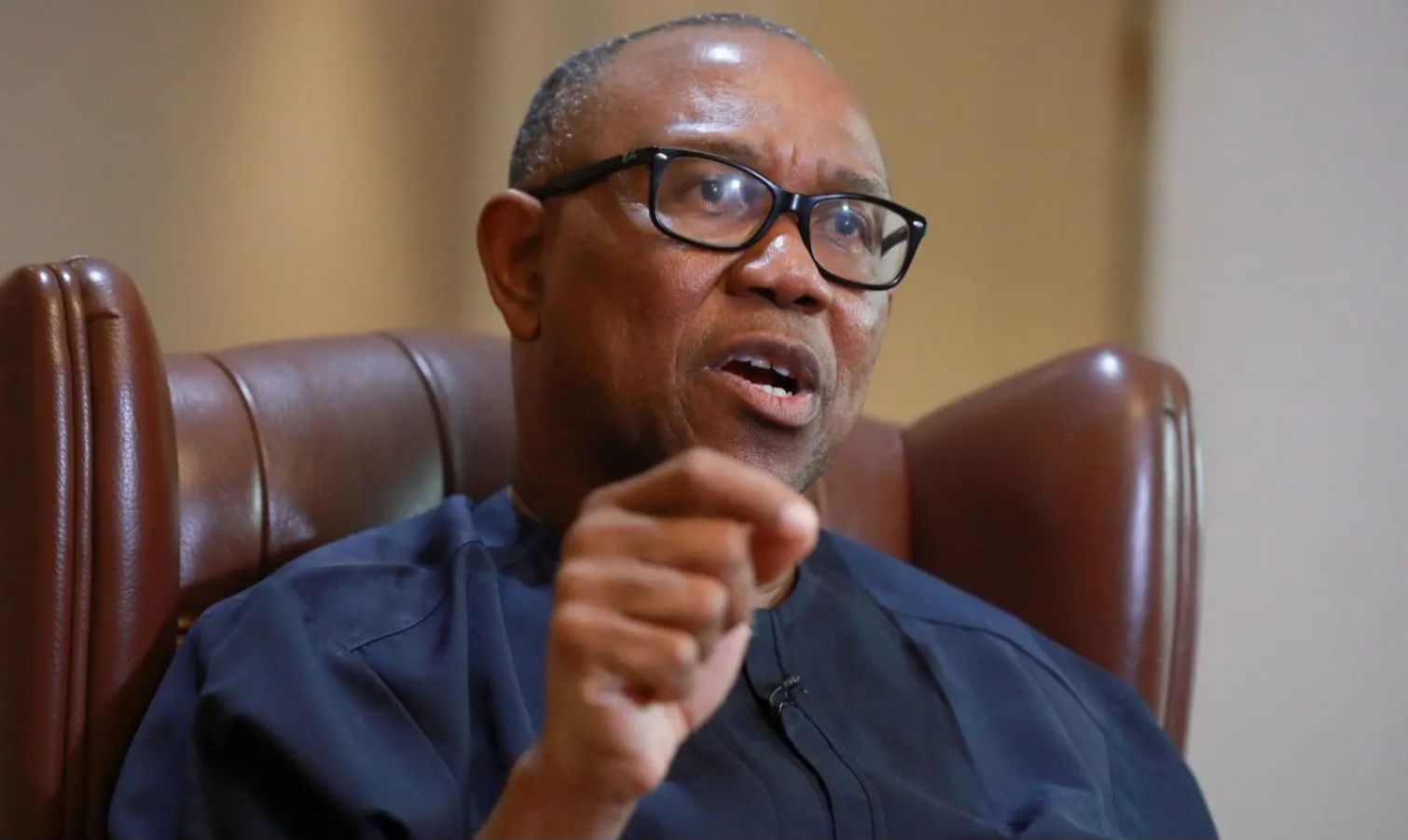
Peter Obi’s reputation for frugality did not begin with this controversy. During his political career, and particularly during his 2023 presidential campaign, Obi repeatedly presented himself as a politician who was careful with money and opposed to waste in government.
That message became one of the strongest parts of his appeal to the public. His supporters saw him as different from politicians associated with large entourages, expensive lifestyles and what they considered unnecessary government spending. His approach to public money became a major part of the political identity built around him.
That is why the picture of his wife carrying an extremely expensive handbag has attracted so much attention. The argument from critics is not necessarily that Margaret Obi is not allowed to own an expensive bag. Instead, they are asking whether the lifestyle around a politician can be completely separated from the image that politician sells to the public.
The Price Of The Bag Became The Real Story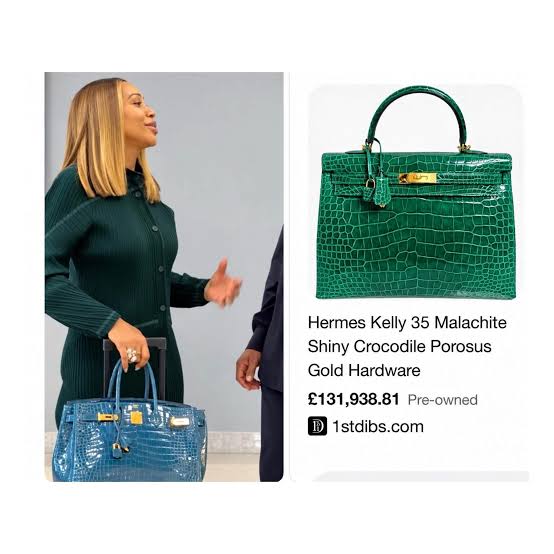
There is an important detail in the handbag debate. The widely circulated ₦250 million figure does not establish that Margaret Obi bought the bag for ₦250 million.
Reports have identified the bag as a Hermès Kelly 35 in Malachite and linked it to a price of £131,938.81 on Hermès’ website. At the exchange rate cited in the reports, that comes to about ₦237 million.
That is still a large figure for a handbag, but the difference matters. A listed retail price is not necessarily the amount paid for a particular item. It also does not establish when or where the bag was purchased, whether it was bought at that price, or whether it was acquired in another way.
Yet once the ₦250 million figure began circulating, the handbag had already taken on a life of its own online. It was no longer simply an accessory, it became a symbol in a wider argument about wealth, politics and public perception.
Critics Ask Whether The Image Adds Up
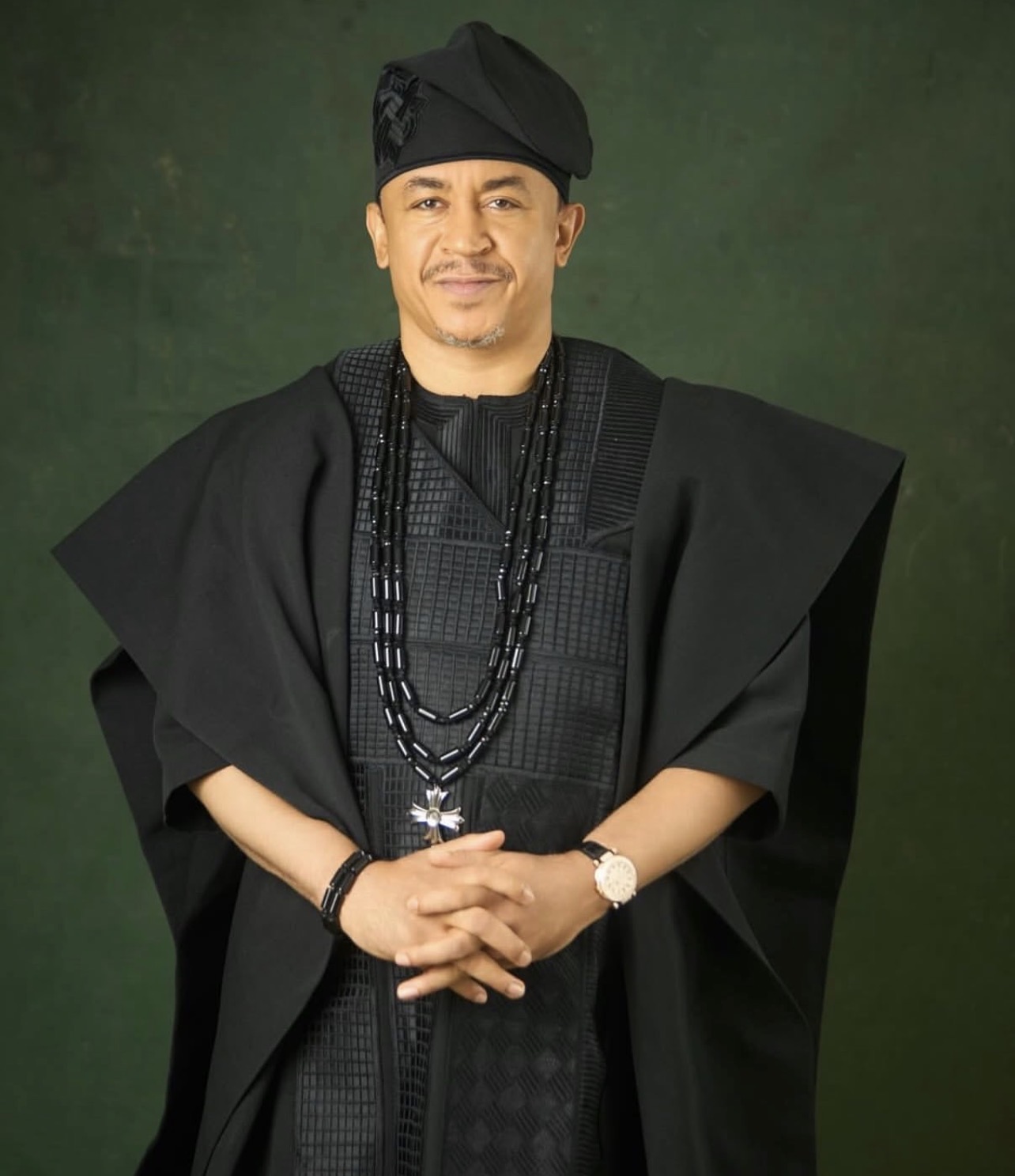
Among those who questioned the situation was media personality Daddy Freeze. His argument focused less on Margaret’s right to spend money and more on what he sees as a possible contradiction between Peter Obi’s public image and the lifestyle associated with his household.
“I have no problem with Peter Obi’s wife carrying a luxury bag; her husband is a billionaire. He was before he came into government,” Daddy Freeze said, while arguing that the issue was the contrast between Obi’s much-publicised frugality and the reported value of the handbag.
He also questioned the consistency of presenting oneself as extremely prudent while being associated with a household where an item reportedly worth hundreds of millions of naira could be carried. He continued:
“The only problem I have with him is he says he only has one shoe and one watch, but when you put yourself in a certain light, and things around you don’t seem to add to that light, there is a problem.”
“He is honest and humble, but are people around him as prudent as he is?.”
His criticism captured the central argument that has driven much of the online debate: does personal frugality stop at the individual, or does it become part of the public expectations placed on the politician’s family?
Margaret Obi Is Not Peter Obi
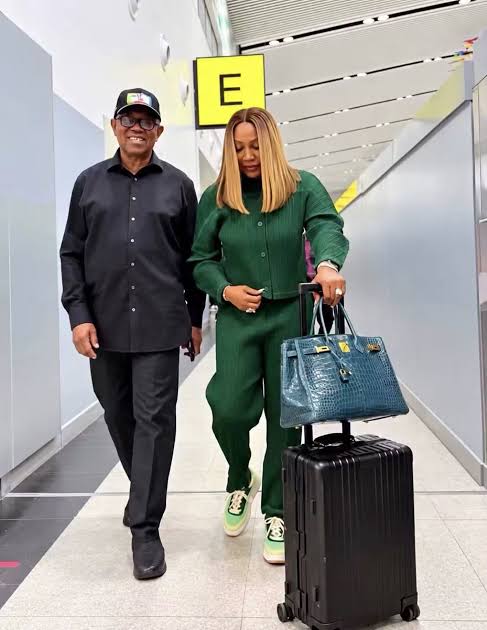
The strongest defence of the handbag controversy rests on one basic argument: Margaret Obi is an individual with her own finances.
Peter Obi himself has now addressed the issue. In a response circulating online, he said his wife has her own business and her own money, and questioned why her personal spending should become an issue for him.
The former governor’s position is straightforward. He manages public money. His wife’s private spending, he argues, is separate from how he would manage government resources. In his words:
“My wife has her own business and her own money, so what is my business if she buys expensive items with her money?
“The bags and shoes my wife wears, I don’t even know how much they cost. In fact, she is actually a bit less sophisticated now.”
The NDC presidential candidate further explained that he did not establish an office of the First Lady during his tenure as Anambra governor. He also noted that although he does not personally celebrate his birthday, he does not prevent others from marking the occasion.
The Bigger Question About Political Spouses
The Margaret Obi handbag debate raises a question that goes beyond Peter Obi. How much responsibility should the spouse of a political figure carry for that politician’s public image?
Political spouses are often treated as part of the wider brand of the person seeking public office. Their clothes, homes, cars, travels and public appearances can all become subjects of scrutiny. But there is also a limit to that scrutiny.
A politician’s spouse may have personal income, businesses, investments and preferences that are independent of government. The difficult part comes when the politician has built a political identity around a particular lifestyle.
In Peter Obi’s case, frugality is not a minor detail of his public persona. It has been central to his political messaging. That makes the contrast easier for critics to highlight.
Why The Controversy Became Bigger Than Margaret’s Handbag
The attention around the bag is also a reminder of how powerful political symbolism can be. A handbag does not have to involve public money to become politically significant. Sometimes, the perception created by an image is enough.
For Obi’s supporters, the controversy is an attempt to turn his wife’s private lifestyle into an attack on his political record. They argue that the relevant question should be how he handles public resources, not how his wife spends her own money.
For his critics, however, the issue is about consistency. If a politician presents himself as a symbol of personal restraint, they argue, people will naturally examine the lifestyle around him.
Neither side is really debating the handbag anymore. They are debating what Peter Obi represents.
The 2027 Angle
The timing also matters. With Peter Obi positioning himself for another presidential run in 2027, his public image will continue to receive intense scrutiny.
Every part of the identity that helped define his political appeal will likely be tested, right from his views on governance and public spending to his personal lifestyle.
The handbag controversy therefore arrives at a politically sensitive moment. It gives critics an opportunity to question whether the frugal image that became so closely associated with Obi can survive the realities of wealth and private life. At the same time, it gives his supporters another opportunity to draw a line between the man managing public resources and the family members managing their own.
Conclusion
The argument over Margaret Obi’s Hermès bag is unlikely to be settled by its price tag, however the controversy reveals something about the burden of political image-making.
Once a politician becomes identified with a particular idea (in Obi’s case, prudence and resistance to waste) Nigerians are likely to measure everything around him against that idea.