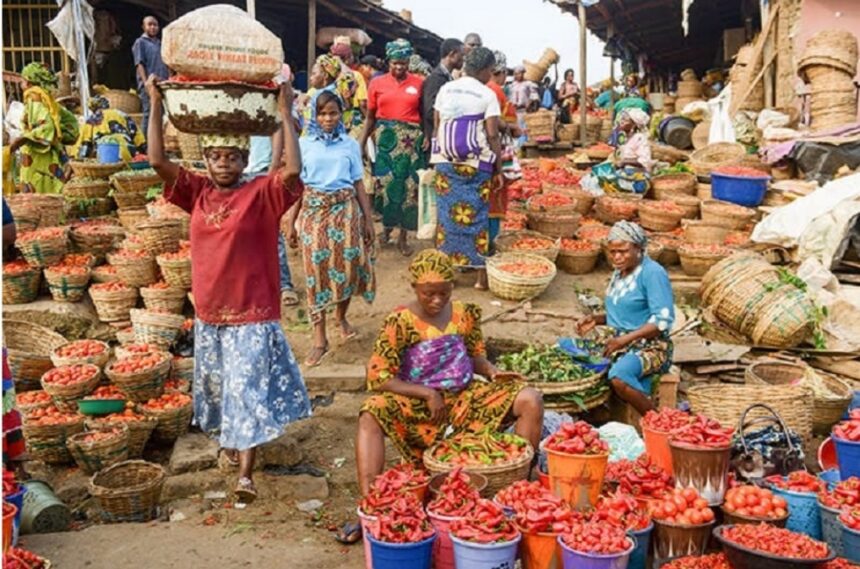
For many Nigerian households, shopping for food has become less about choosing preferred meals and more about determining what can be afforded without disrupting other essential expenses.
Across markets and homes, rising prices are forcing consumers to reduce quantities, change where they shop, abandon some purchases and, in some cases, dip into savings to meet their daily needs.
For Halimah, a Lagos resident who lives alone, items she once bought routinely now require careful consideration before they make it into her basket.
“I used to buy yam, tomatoes, pepper, chicken and other things without thinking too much about the price. But they have become more expensive. Now, before I pick anything, I check the price and calculate what I can afford,” she said.
She said the money that previously covered her weekly groceries now runs out within a few days, leaving her to buy smaller quantities and select foods that can serve multiple meals.
Her experience mirrors the pressure being felt by households as food prices continue to rise despite a moderation in the broader inflation rate.
Food inflation climbs
The National Bureau of Statistics reported that food inflation increased to 20.31 per cent in July 2026 from 17.52 per cent in June.
The increase was linked to changes in the average prices of several food commodities, including fresh pepper, tomatoes, onions, eggs, rice, garri and plantain.
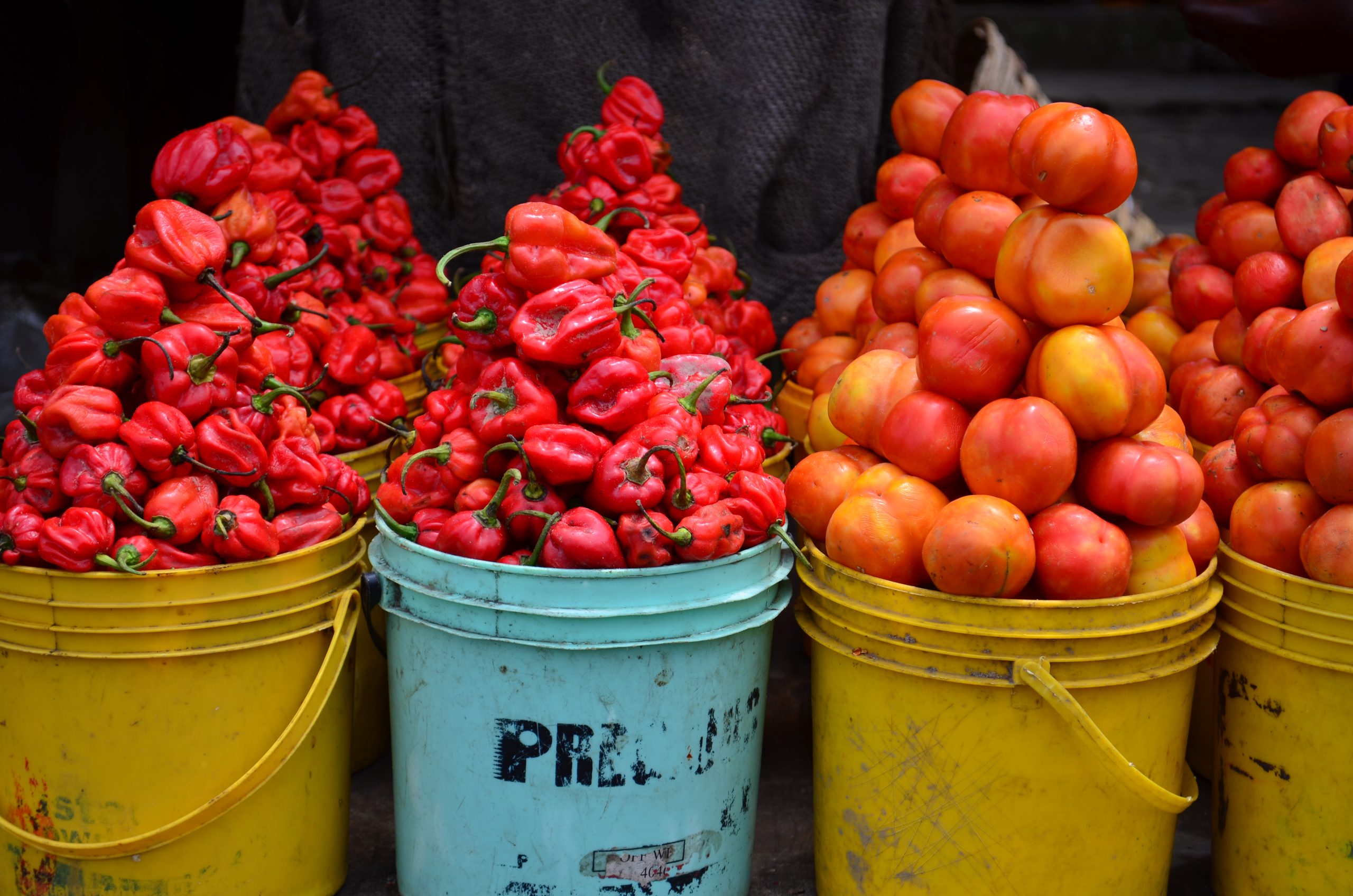
Market prices illustrate the pressure behind the official figures, with significant differences recorded across Lagos, Ogun State and Abuja.
In Lagos, a paint bucket of fresh pepper sells for about N9,000, compared with N7,000 previously, while tomatoes now cost about N12,000 against N6,000 a year earlier.
Onions that previously sold for between N6,000 and N7,000 now cost about N12,000, while plantain goes for between N2,000 and N3,000 depending on size.
A crate of eggs costs about N6,000, a bag of rice sells for N70,000, chicken costs approximately N6,000 and a bag of garri is around N38,000.
In Ogun State, a small basket of tomatoes sells for about N10,000, compared with N6,000 previously, while peppers cost N7,000 against about N5,000 a year earlier.
A crate of eggs sells for approximately N6,000, while rice costs N65,000 per bag, up from N55,000, and garri is about N43,000.
Chicken in the state sells for around N6,500, compared with N5,500 previously.
Abuja has also recorded steep prices, with a small bucket of fresh pepper selling for about N20,000 and a basket of tomatoes costing between N15,000 and N20,000.
A bag of rice sells for between N58,000 and N60,000, while garri costs about N26,000, with a large bunch of plantain going for around N7,000.
A crate of eggs in the Federal Capital Territory costs between N6,000 and N6,500.
Households adjust to survive
The increase in food inflation came as headline inflation eased slightly to 15.43 per cent in July, indicating that food remains a major source of financial pressure even as the broader inflation measure moderates.
“It is not always about what I feel like eating anymore, but what will fit into my budget,” Damilola added.
For Rebecaa, a single mother and trader in Ogun State, monthly earnings fluctuate between N200,000 and N220,000, with food consuming between N90,000 and N110,000 of her income.
“Electricity alone can take about N50,000 a month, and there are always unplanned expenses that come up,” she said.
Bukola said she previously spent between N60,000 and N70,000 monthly on food, but rising prices have made saving increasingly difficult.
“Saving has become much more difficult. I have two children living with me, and the younger one is still in school, so I have to pay school fees and provide money for school needs,” she said.
“There are also electricity bills, transportation and unexpected expenses. Sometimes, the money I planned to save ends up being used to settle one of these expenses.”
A young couple earning a combined N650,000 monthly said they spend between N50,000 and N60,000 weekly preparing soups and sometimes nearly N100,000 in a month when restocking food.
“We save, but by the end of the month, we use it to save ourselves. We just keep money now to cover expenses like healthcare, light, and ongoing house projects,” they said.
Savings and lifestyle under pressure
Blessing, a Lagos-based worker earning N120,000 monthly, said her food expenditure has risen to between N45,000 and N55,000, compared with N30,000 to N35,000 about a year earlier.
“About a year ago, I used to manage like N30,000 to N35,000 a month for food,” Blessing said.
“It’s the month that I am restocking my foodstuffs in the house with other groceries that I use almost all my salary,” she added.
“I have had to reduce spending on clothes, outings, and other personal expenses. Even now, there are no more cravings. I plan my spending more carefully before the month begins,” Blessing said.
Abdulwasiu, who earns N350,000 monthly, now spends about N130,000 on food compared with N80,000 a year ago and has responded by buying from larger markets where retailers source directly from wholesalers.
“I save but some months, I am unable to due to some important expenses,” he said.
Transport costs add to food prices
Ifeanyi Onwuachu, managing director of Janksmay Global Services and a logistics and supply chain expert, said transportation and supply-chain expenses are significant contributors to the final cost of food.
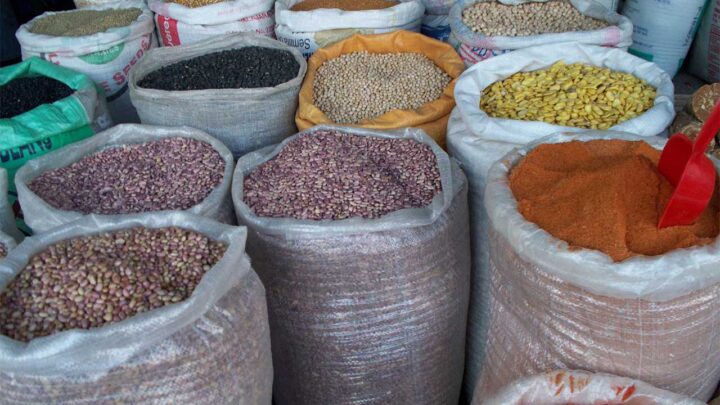
“Take tomatoes, pepper or other highly perishable produce as examples. The farmer may have produced the commodity relatively cheaply, but getting it from a producing community to major consumption centres such as Lagos, Abuja or Port Harcourt introduces several additional costs,” the expert said.
“There is the direct cost of hiring the truck, fuel, vehicle maintenance, loading and offloading, road conditions, delays, multiple handling points, market charges and sometimes informal costs encountered during transit.“
Onwuachu said poor roads could prolong journeys and increase losses, particularly for perishable commodities.
“A journey that should take a predictable number of hours can take considerably longer. For perishable commodities, every additional hour matters,” he said.
He recommended freight consolidation, improved route and load planning and greater use of digital logistics platforms to improve truck utilisation, reduce idle time and lower transportation costs.
With the N70,000 minimum wage competing against food, transport, electricity, housing and healthcare costs, the experiences of these households show how rising food prices are reshaping spending decisions far beyond the market.