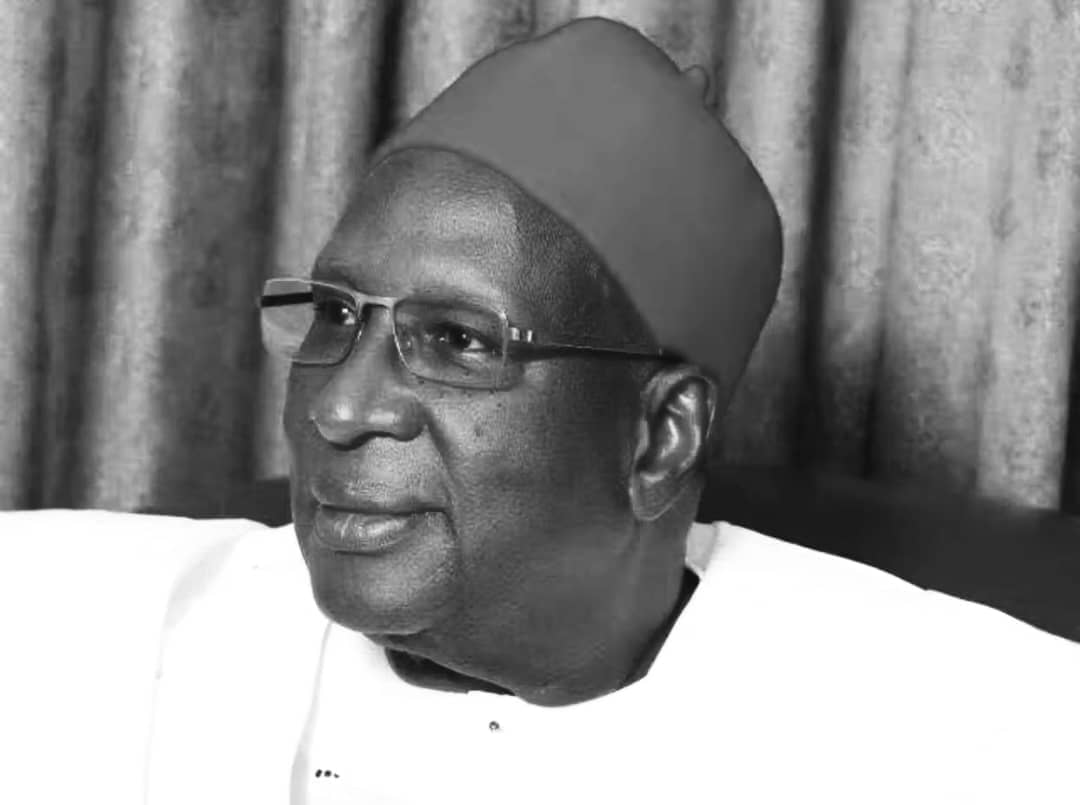
For more than five decades, Bamanga Muhammad Tukur occupied influential positions across Nigeria’s public service, politics, business and continental economic affairs, building a career that stretched from the pre-independence era to the Fourth Republic.
Tukur, who died in Abuja on September 12, 2026, at the age of 90, served as governor of the old Gongola State, minister of industries, general manager of the Nigerian Ports Authority and national chairman of the Peoples Democratic Party.
Born on September 15, 1935, in present-day Adamawa State, Tukur began his education with Islamic and Quranic studies before attending schools in Jada, Yola and Bauchi.
He later studied accountancy and public finance at the Institute of Administration in Zaria before proceeding to the London School of Economics and the University of Pittsburgh, where he obtained a master’s degree in public and international affairs.
From public service to the ports
Tukur began his working life in 1958 with the Adamawa Native Authority as an accountant and supervisor, but his career eventually took him into transportation and maritime administration.
His rise through the sector culminated in his appointment as general manager and chief executive of the Nigerian Ports Authority in 1975, a position he held until 1982.
His tenure coincided with one of the most difficult periods in Nigeria’s port history, when a massive influx of imported cement left hundreds of vessels waiting offshore for berthing space at Apapa.
The crisis, popularly known as the “cement armada”, created severe congestion and affected the movement of other imports, prompting measures including the diversion of vessels to other ports and the expansion of facilities.
Tukur’s role in managing the crisis became one of the defining episodes of his career, while former Head of State Yakubu Gowon reportedly gave him the nickname “Sarkin Aiki”, meaning “chief worker”.
From Gongola to the federal cabinet
After leaving the NPA, Tukur entered electoral politics and contested the 1983 governorship election in Gongola State on the platform of the National Party of Nigeria.
He won the election and became governor in October 1983, but his tenure lasted only about three months before the military coup of December 31, 1983, ended the Second Republic.
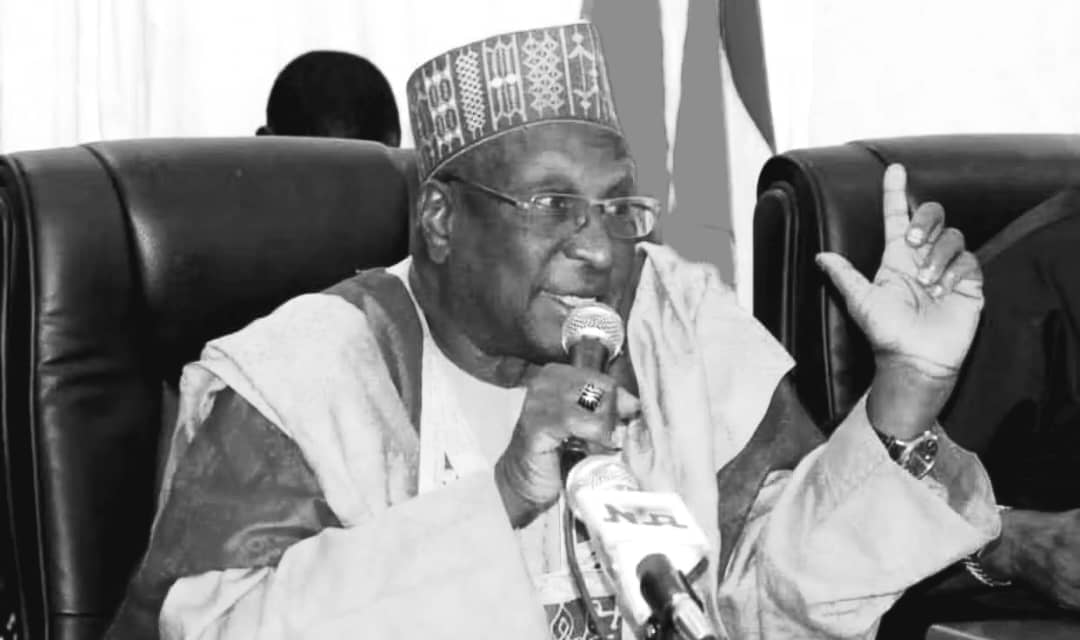
Gongola State was later divided into Adamawa and Taraba states, meaning that the territory he governed no longer exists as a single state.
Following the military takeover, Tukur returned to business and established BHI Holdings, also known as the Daddo Group of Companies, while expanding his activities across African business circles.
He later served as executive president of the African Business Roundtable and chairman of the NEPAD Business Group, while also becoming the first African vice-president of the International Association of Ports and Harbours.
Tukur returned to government in 1993 as minister of industries under the military administration of the late General Sani Abacha, serving until 1995.
He also sought the presidential ticket of the National Republican Convention during the political transition programme of the early 1990s, although he did not secure the nomination.
At the helm of the PDP
In March 2012, Tukur became national chairman of the PDP, taking charge of the party when it controlled the presidency and remained the dominant political organisation in Nigeria.
His tenure coincided with deepening disagreements within the party involving its leadership, governors, lawmakers and other influential members.
The internal dispute eventually produced the breakaway New PDP faction in 2013, with seven governors, 22 senators and 57 members of the House of Representatives among those associated with the rebellion.
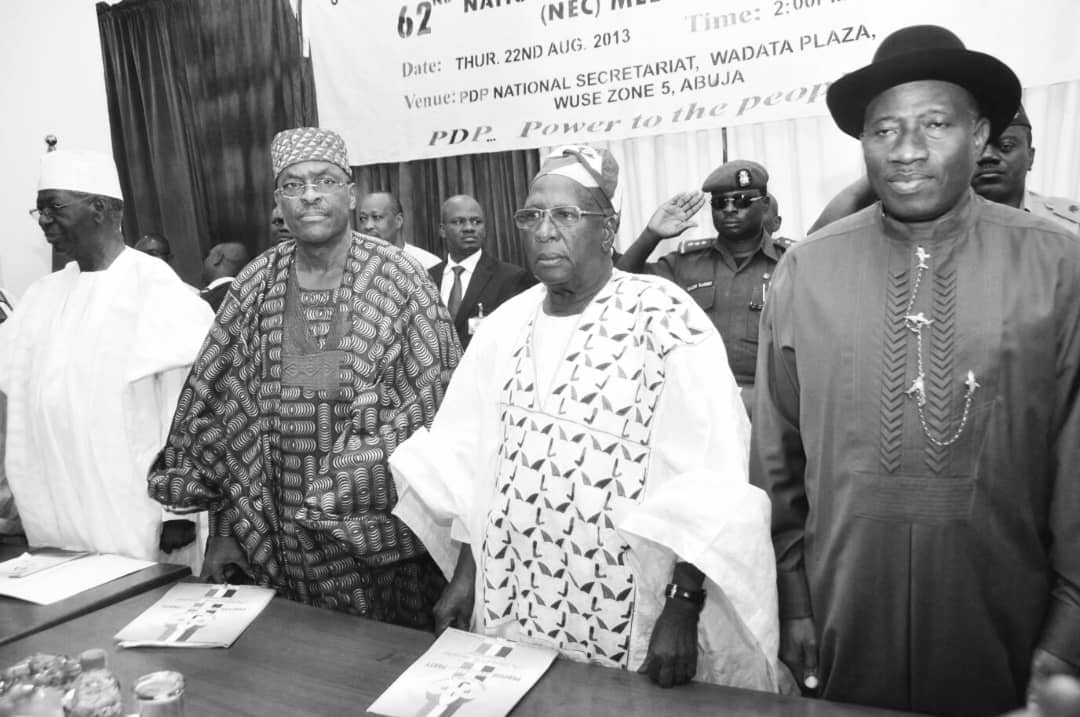
Tukur resigned as PDP national chairman in January 2014 after less than two years in office and was later appointed ambassador-at-large by former President Goodluck Jonathan.
Beyond politics
Away from public office, Tukur maintained interests in business, transportation and African economic integration, with his activities spanning private enterprise and international organisations.
His daughter, Maryam Tukur Shagaya, recalled in a 2020 interview that despite his demanding career, he remained closely connected to his family and regularly checked on them.
“He would be at the end of the phone line every evening to chat with us and ask if we had eaten,” she said.
She described her father as “hard-working, ambitious and kind” and said his love for nature would have made him “an excellent farmer” had he not pursued politics.
At 80, Tukur announced his retirement from partisan politics, saying he wanted younger Nigerians to take over while he served as a statesman and adviser.
“It is time to say goodbye to formal politics,” he said.
“I have used several political platforms to serve my country. It is time to rest.”
“At the age of 80, I feel I can serve our dear nation more in the capacity of a statesman and father figure.”
Ten years after making that declaration, Tukur’s death has closed the chapter on a career that traversed public administration, maritime management, electoral politics, business and continental economic affairs.