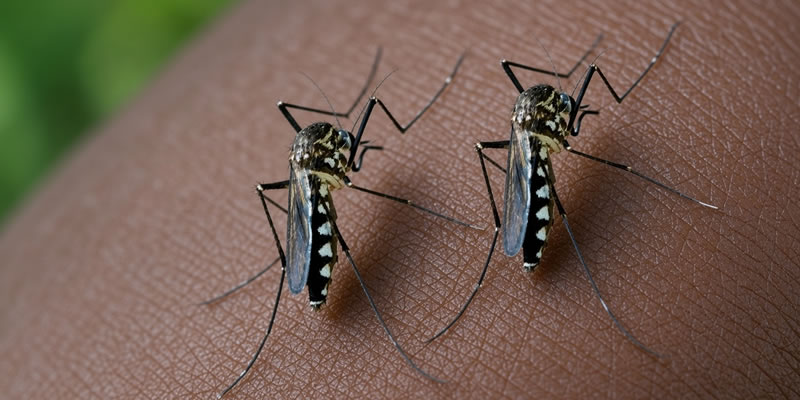
Dengue fever is back in the headlines this year, and for good reason. Health authorities across dengue-endemic regions, including much of West Africa, South Asia and Latin America, have been urging people to watch for warning signs that separate a routine case from one that can turn dangerous within hours. The virus, spread by the bite of an infected Aedes mosquito, doesn’t discriminate by age or fitness level, and because its early symptoms mimic malaria, typhoid and even the flu, many people don’t realise what they’re dealing with until the illness has already progressed.
Here’s what to actually know about dengue: how it starts, what separates a mild case from a medical emergency, how it’s treated, and how long you should expect to feel unwell.
What Dengue Fever Actually Is
Dengue is caused by one of four related viruses, transmitted primarily by the Aedes aegypti mosquito, a species that bites during the day and thrives in urban areas with standing water. There’s no way to catch dengue from another person directly. It only spreads when a mosquito bites someone already infected and then bites someone else.
Because there are four distinct strains of the virus, getting dengue once doesn’t make you immune for life. You’ll typically develop lasting immunity to the strain that infected you, but you can still catch one of the other three later. Oddly, a second infection with a different strain tends to carry a higher risk of severe illness than the first one did, which is part of why doctors take repeat cases seriously.
Early Symptoms: What to Watch For
Symptoms usually show up 4 to 10 days after the mosquito bite, and they tend to arrive suddenly rather than build gradually. The classic picture includes:
- A high fever, often 104°F (40°C) or higher
- Severe headache, frequently described as pressure behind the eyes
- Muscle, joint and bone pain so intense that dengue earned the nickname “breakbone fever”
- Nausea and vomiting
- A skin rash that can appear a few days into the illness
- Mild bleeding, such as nosebleeds or bleeding gums
Not everyone gets hit this hard. A large share of infections are mild or produce no noticeable symptoms at all, which is part of what makes dengue tricky to track in communities where it’s common.
The Warning Signs That Change Everything
This is the part of the story that matters most, and it’s often the part people miss. Dengue typically runs through three phases: a febrile phase where the fever is highest, a critical phase, and a recovery phase. The critical phase usually begins right around the time the fever breaks, and this is exactly when people tend to assume they’re getting better. In a small number of cases, that’s the moment things go the other way instead.
According to health guidance from the U.S. Centers for Disease Control and Prevention, the warning signs that call for urgent medical attention include:
- Severe abdominal pain or tenderness that won’t ease up
- Persistent vomiting, generally three or more episodes within an hour, or four or more within six hours
- Bleeding from the gums or nose, blood in vomit or stool, or unusually heavy menstrual bleeding
- Fluid building up in the chest or abdomen, sometimes noticed as swelling or breathing difficulty
- Extreme tiredness, restlessness or confusion
- Cold, clammy skin or a rapid, weak pulse
These signs matter because patients who show them are more likely to progress to severe disease, and doctors recommend close monitoring once they appear. If any of these develop, even after the fever itself seems to be improving, the advice from clinicians is consistent: get to a hospital or emergency room without waiting. Severe dengue can move from manageable to life-threatening within a matter of hours, so this isn’t a situation where a “wait and see” approach is safe.
Certain groups face a higher risk of the illness turning severe, including infants under one year old, pregnant women, adults over 65, and people with underlying conditions such as diabetes or kidney disease.
How Dengue Is Treated
Here’s something that surprises a lot of people: there is still no specific antiviral drug that cures dengue. Treatment for most people centres on pain relief and rest, since the illness usually clears on its own within one to two weeks. That means the standard advice for a mild case looks like this:
- Rest and stay well hydrated with water, oral rehydration solutions or electrolyte drinks
- Use paracetamol (acetaminophen) to bring down fever and ease pain
- Avoid ibuprofen, aspirin, naproxen and other NSAIDs, since these can thin the blood and raise the risk of bleeding
- Monitor your temperature and symptoms closely, especially as the fever begins to drop
For patients who develop warning signs or progress to severe dengue, treatment moves into a hospital setting. This can include intravenous fluids to manage plasma leakage, close monitoring of blood pressure and platelet counts, and in more serious cases, blood transfusions if bleeding becomes significant. Corticosteroids aren’t used routinely, and their role is generally limited to patients with separate immune-related conditions.
There’s no home remedy that shortens the course of the illness, despite plenty of folk claims involving papaya leaf extract or specific fruit juices. These may support hydration and comfort, but they don’t replace medical monitoring, particularly once warning signs show up.
How Long Does Dengue Last?
The fever itself typically runs for 2 to 7 days and can follow a two-hump pattern, dropping briefly before rising again. Once the fever breaks, the critical 24 to 48-hour window begins, and this is when most people either start recovering or, in rarer cases, take a turn for the worse.
For a straightforward case, full recovery usually takes about one to two weeks from the time symptoms first appear. That said, lingering fatigue is common. It isn’t unusual to feel drained, low in mood or generally “off” for several weeks after the fever itself has resolved, even once the acute illness has passed.
For anyone who develops severe dengue, recovery takes longer and depends heavily on how quickly hospital treatment began. The encouraging news is that most people who receive prompt medical care for severe dengue do survive and go on to recover fully.
Prevention Still Matters Most
A dengue vaccine has been approved in a number of countries, though it’s specifically intended for people who’ve already had a prior dengue infection, since it can raise the risk of severe illness in someone who hasn’t been infected before. Because of that limitation, mosquito avoidance remains the frontline defence for most people: clearing standing water around homes, using insect repellent, sleeping under treated nets where mosquitoes are common, and wearing long sleeves during peak biting hours in the early morning and late afternoon.
Dengue isn’t going away as a public health concern anytime soon, but knowing the difference between “uncomfortable” and “dangerous” symptoms is the single most useful thing anyone can carry into a dengue season. The fever will pass either way. What matters is catching the warning signs before they become an emergency.