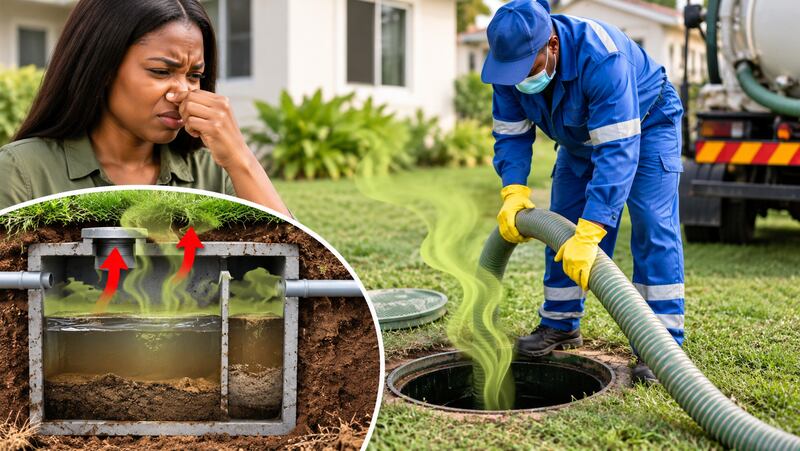
Persistent sewage smells around residential buildings may be linked to faulty septic tank ventilation rather than poor hygiene, with improperly installed or blocked vent pipes potentially allowing unpleasant odours and hazardous gases to accumulate around homes.
Septic tanks rely on bacteria to break down waste, a process that produces gases including hydrogen sulphide and methane, making proper ventilation important for releasing these by-products safely.
Poorly designed systems can also interfere with drainage, allow sewer gases to enter bathrooms and increase the risk of dangerous gas accumulation, particularly where ventilation openings are obstructed or inadequate.
1. Vent pipes that end too low
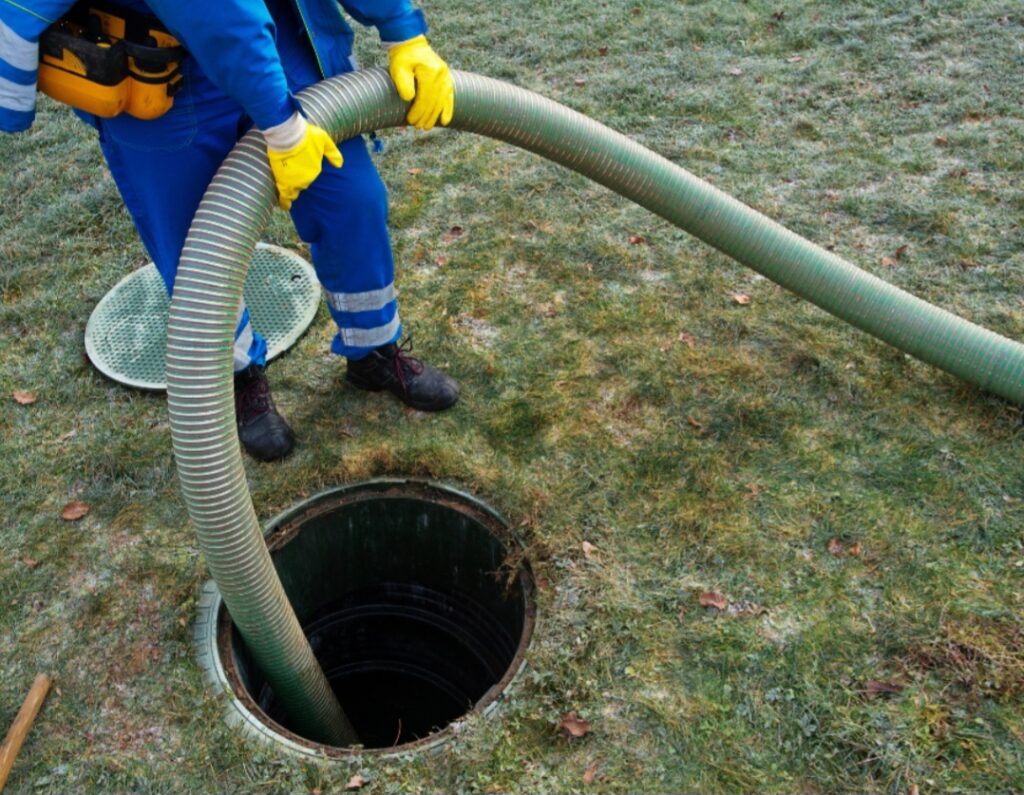
One common installation mistake is terminating a septic tank vent pipe close to the ground, near windows or just above the tank cover.
When outlets are positioned too low, unpleasant gases may drift into nearby living spaces, especially when wind conditions prevent them from dispersing effectively.
Vent pipes must be appropriately positioned to release gases away from occupied areas, although the required height depends on applicable plumbing standards and the building’s design.
Methane is highly flammable, while hydrogen sulphide can be toxic at dangerous concentrations, making it important to prevent gas accumulation and keep flames and other ignition sources away from septic systems.
2. Plumbing traps that lose their water seal
Toilets, sinks and shower drains typically rely on water-filled traps to prevent sewer gases from entering indoor spaces.
However, inadequate plumbing ventilation can create pressure differences that interfere with the water seals, potentially allowing unpleasant smells to escape through bathroom drains.
A dry trap can also occur when a fixture is rarely used, allowing its water to evaporate, while leaks or other plumbing faults may produce similar problems.
Homeowners who notice recurring sewage odours after flushing should have the drainage and ventilation systems inspected rather than relying solely on air fresheners or cleaning products.
3. Blocked or damaged vent pipes
Even a properly installed vent pipe may stop functioning effectively if its opening becomes obstructed by debris, leaves, insect nests or other foreign materials.
Damaged protective caps can leave pipes exposed to such blockages, while accumulated dirt may restrict the movement of gases through the ventilation system.
When ventilation becomes inadequate, pressure imbalances and unpleasant smells may develop, with gases potentially escaping through poorly sealed joints, inspection openings or defective plumbing fixtures.
Regular inspection and maintenance can help identify obstructions before they interfere significantly with the system’s operation.
4. Sealing the septic chamber without proper ventilation
Some property owners may assume that completely sealing a septic tank is the best way to prevent unpleasant smells from spreading around the compound.
However, sealing the chamber does not remove the gases generated by decomposing waste, making a properly designed ventilation route essential.
Without adequate airflow, pressure differences can affect drainage, contribute to sluggish flushing and cause sewer gases to escape through unintended openings.
Methane accumulation can also create a fire or explosion hazard under certain conditions, particularly when gases encounter an ignition source.
Septic tanks should therefore be designed to contain wastewater safely while allowing gases to escape through suitable ventilation arrangements.
How to address septic tank ventilation problems
The first step is to have the external vent pipes inspected to determine whether their height, location and condition meet applicable plumbing requirements.
Homeowners should also check that bathroom traps retain water, replace damaged vent covers and ensure that pipes are free from obstructions.
Where odours persist, a qualified plumber can examine the drainage network, ventilation connections, inspection covers and internal tank components to identify the source of the problem.
Any ventilation modifications should comply with local building and plumbing requirements, while repairs involving the septic chamber should be handled by trained professionals.
Septic tanks can contain toxic gases and oxygen-deficient atmospheres, so homeowners should never enter the chamber or attempt to investigate its interior themselves.
Persistent or unusually strong sewage odours should not be dismissed as a routine nuisance, particularly when accompanied by dizziness, headaches, nausea or breathing difficulties.
In such circumstances, occupants should leave the affected area and seek appropriate emergency assistance, while arranging for qualified professionals to inspect the system.