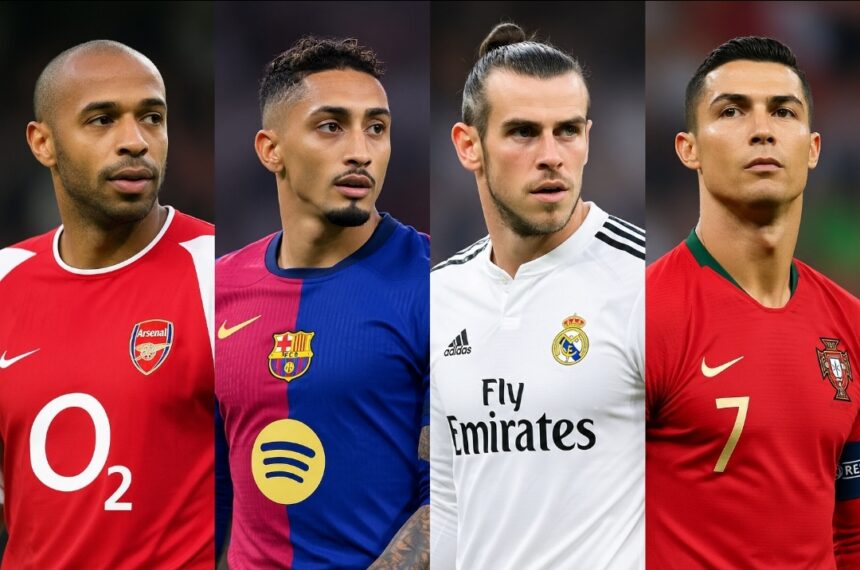
Football has produced numerous examples of players who transformed their careers after coaches moved them away from the positions in which they initially made their names.
Raphinha is the latest prominent example, having evolved from a Premier League right winger into a versatile attacker at Barcelona and now starting matches as a central striker under Hansi Flick.
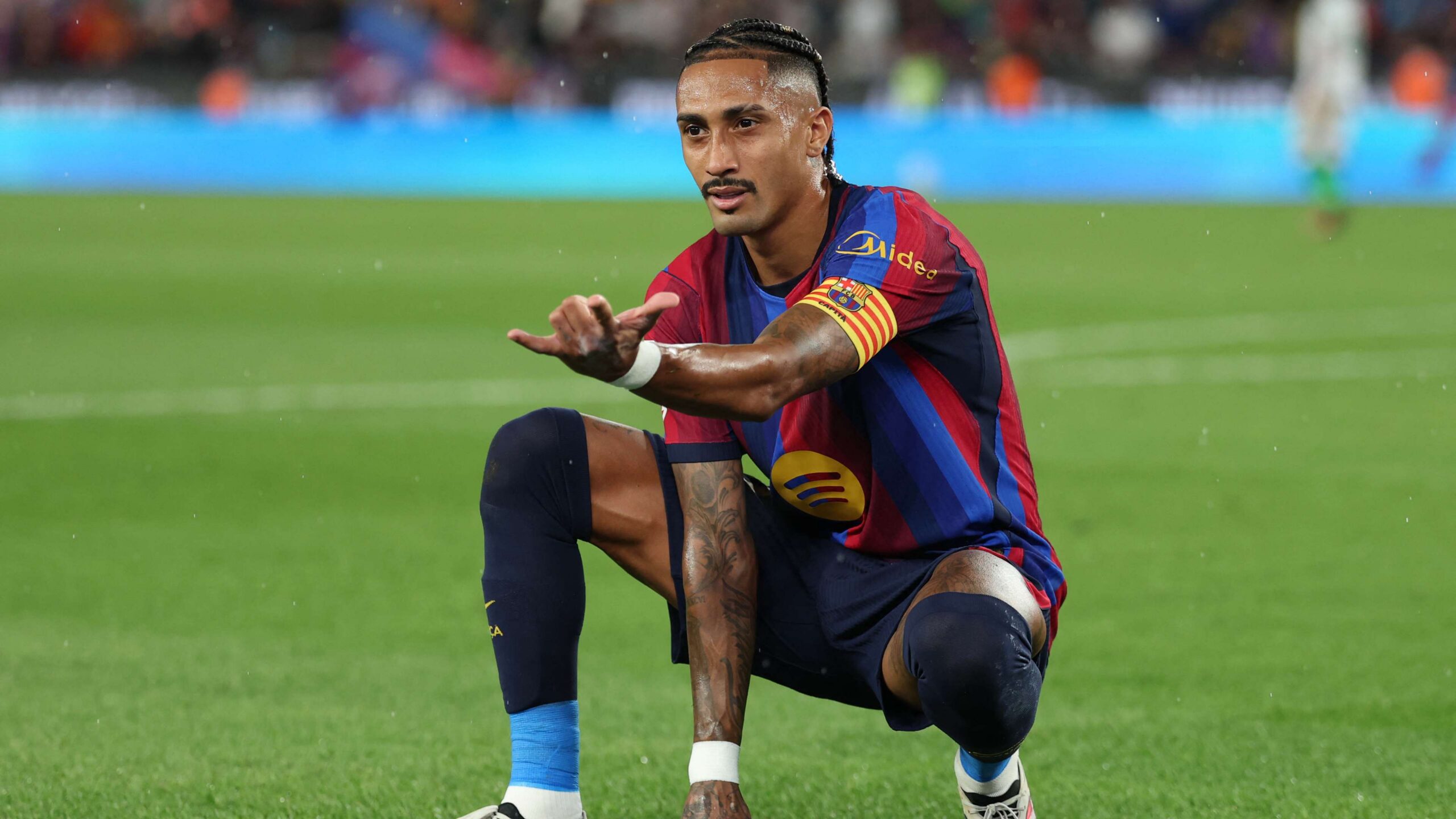
The Brazil international enjoyed a standout 2024-25 campaign after switching to the left wing, before beginning the current season in a more central role.
His development follows a path taken by several celebrated players who found greater success after positional changes.
Thierry Henry
When Arsenal signed Thierry Henry from Juventus in 1999, he was primarily a winger whose spell in Italy had failed to produce the expected impact.
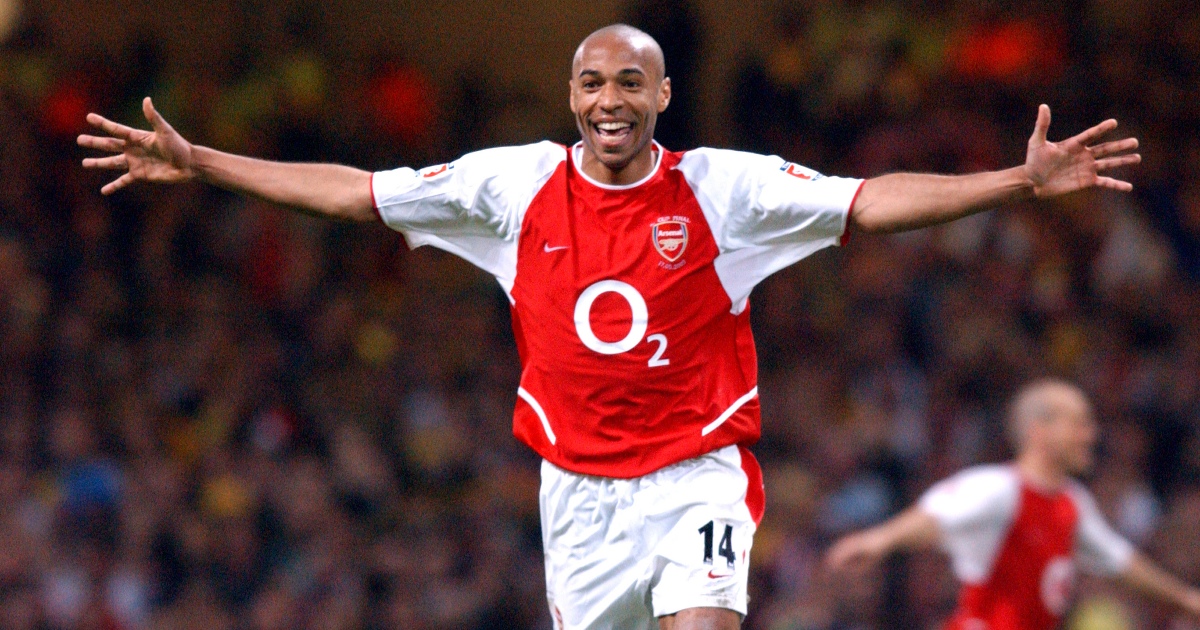
Arsène Wenger moved him into a more central attacking role, although Henry initially struggled, going seven Premier League matches without scoring.
“At a certain point, I wanted to go to Wenger and tell him to put me back out wide,” Henry recalled, before adding, “Then, I said to myself that I had to react, that I couldn’t fail a second time, only a few months after a negative experience in Turin.”
The experiment eventually produced 228 goals in 376 appearances for Arsenal.
Gareth Bale
Gareth Bale was largely viewed as a left-back when he produced the performance that announced him on the world stage against Inter Milan in 2010.
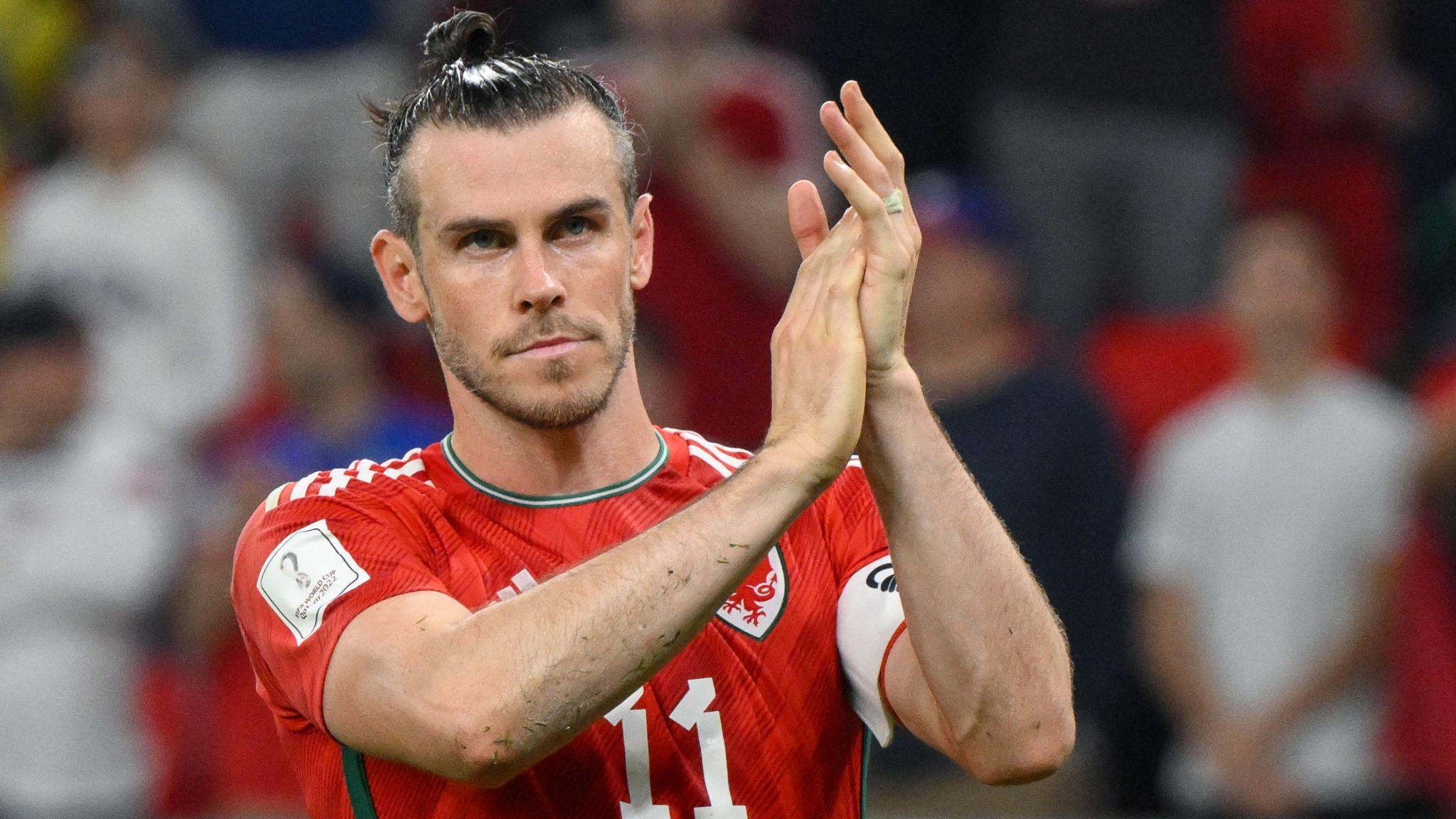
The Welshman scored a hat-trick in Tottenham’s 4-3 defeat at San Siro, repeatedly attacking from a more advanced position.
Former Tottenham manager Harry Redknapp later recalled, “The most amazing thing ever was that when we played them at home, they left Maicon at right-back, one against one, against Gareth,” before adding, “He destroyed him again. It was the end of Maicon.”
Cristiano Ronaldo
Cristiano Ronaldo initially established himself as a winger before eventually being used as a central striker, particularly during his time under Sir Alex Ferguson.
At Real Madrid, Ronaldo also wore the No. 9 during his first season because Raúl occupied his preferred No. 7 shirt.
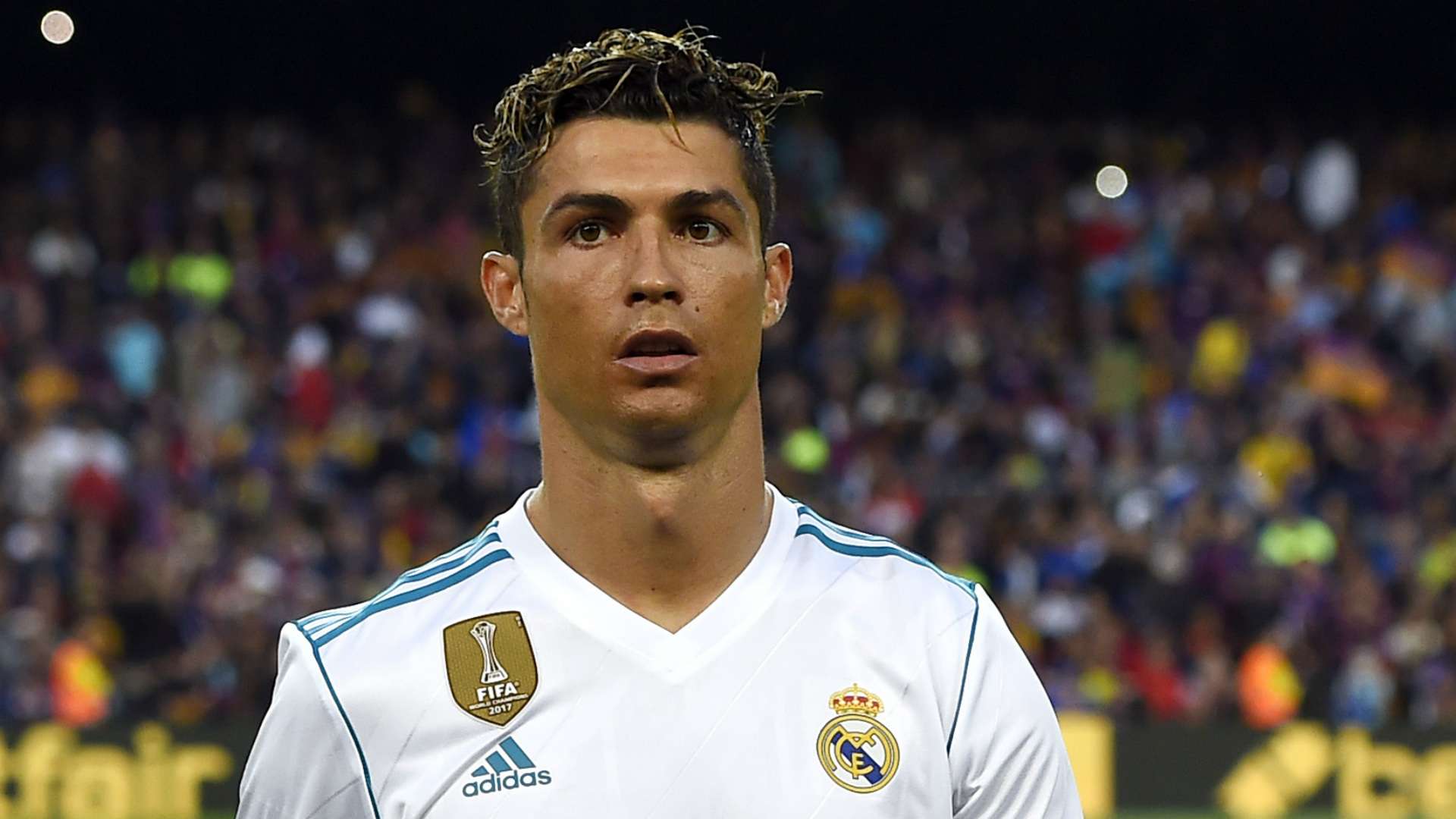
Ferguson subsequently moved Wayne Rooney and Carlos Tevez into wider positions to allow Ronaldo to operate centrally, a decision that preceded an extraordinary goalscoring record.
Ousmane Dembélé
Ousmane Dembélé arrived at Barcelona as a highly rated winger but later found a different level of effectiveness after moving into a central attacking role at Paris Saint-Germain.
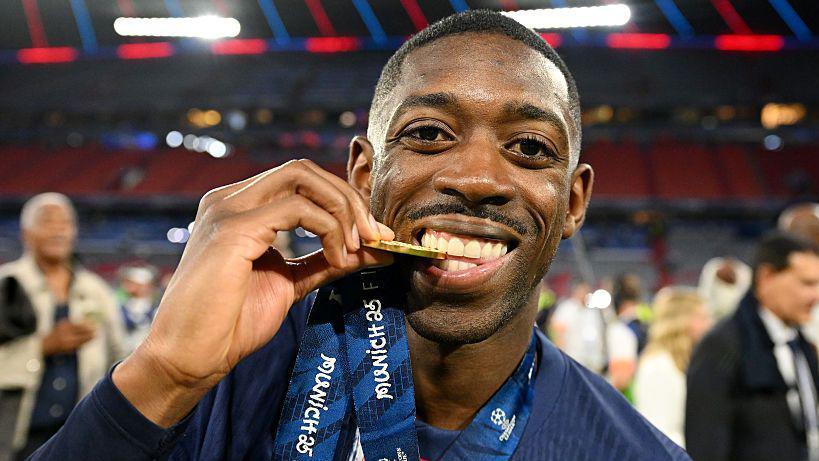
His transformation under Luis Enrique has included back-to-back Champions League titles and a Ballon d’Or.
Ryan Giggs
Ryan Giggs spent most of his Manchester United career as a pacey and direct winger before moving into central midfield during his later years.
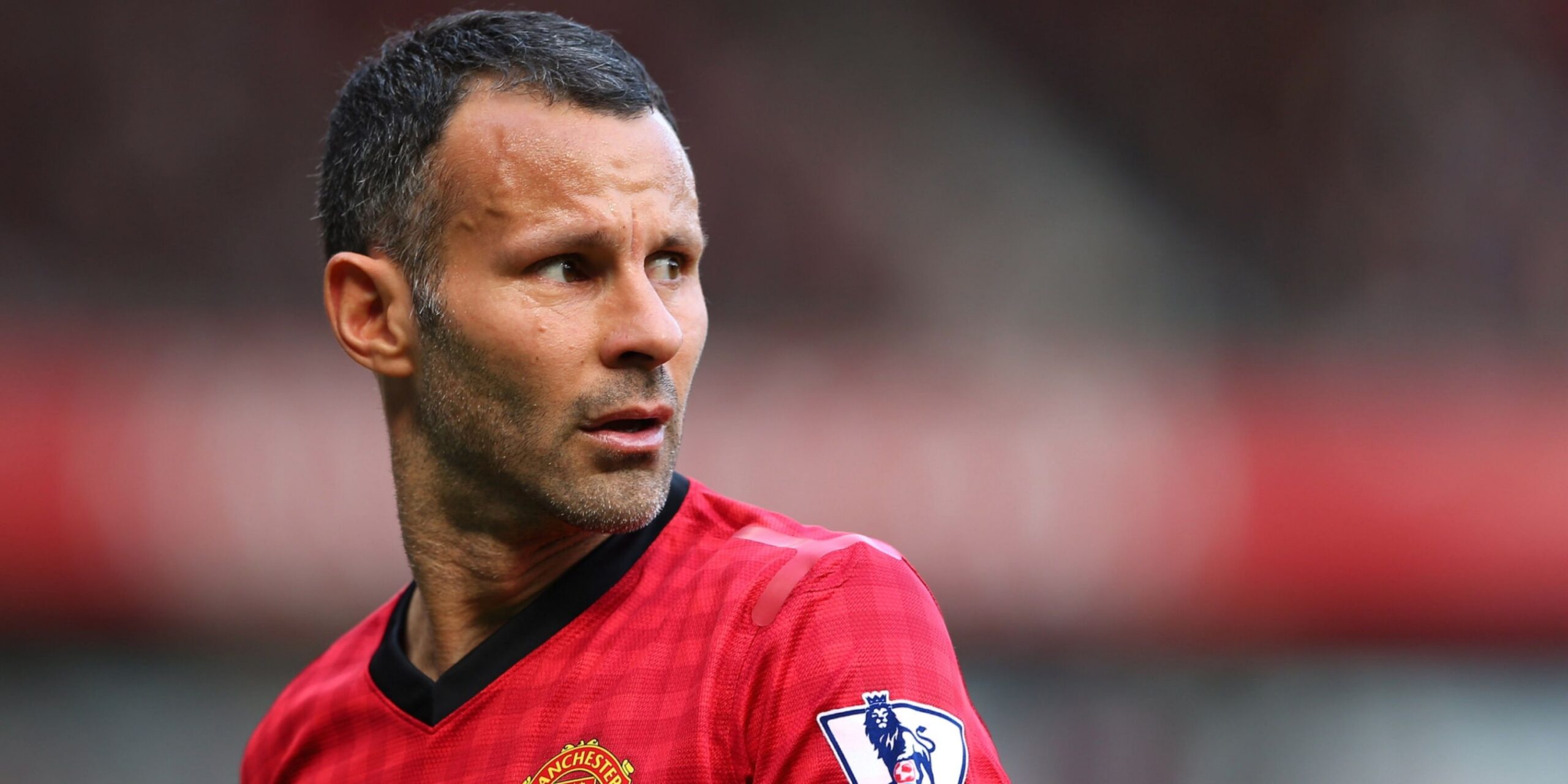
The positional adjustment allowed him to use his experience and passing ability to influence matches from deeper areas.
Bastian Schweinsteiger
Bastian Schweinsteiger’s move from the wing into central midfield was crucial to his development, with the German producing a defining performance in the 2014 World Cup final against Argentina.
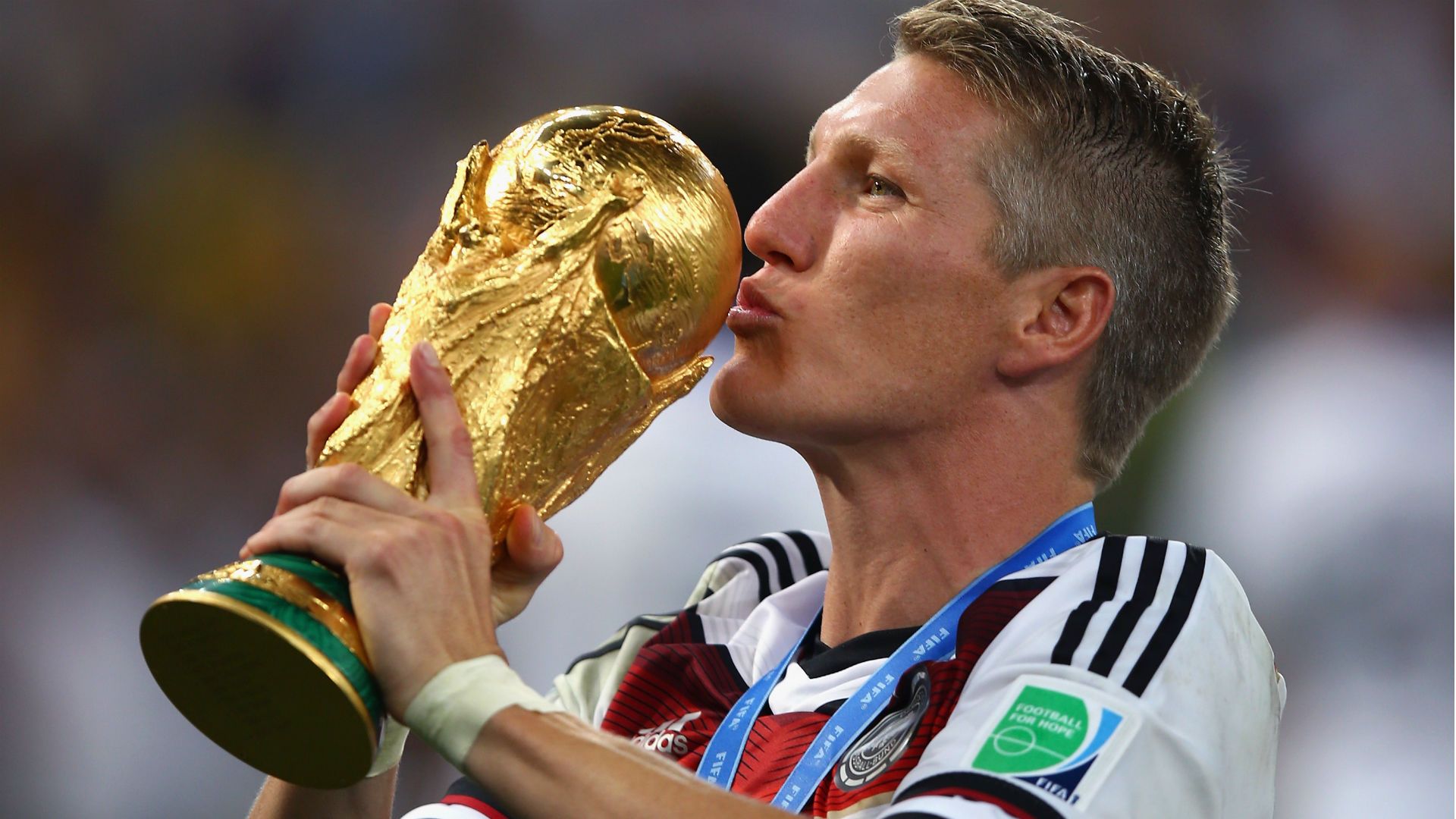
He battled through the match despite suffering a black eye and a bloodied face before Germany secured the trophy.
Andrea Pirlo
Andrea Pirlo began his career as a No. 10 before Carlo Ancelotti repositioned him as a deep-lying midfielder at AC Milan.
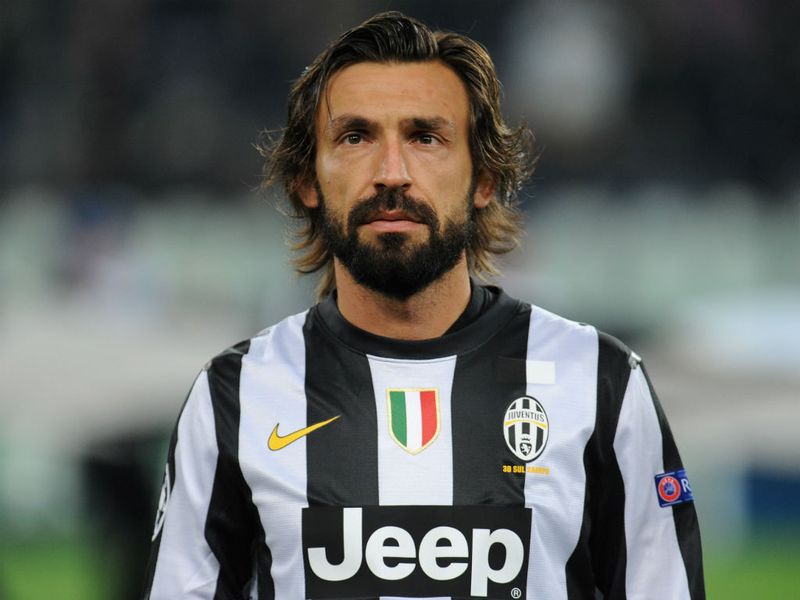
“ He changed my career, putting me in front of the defence,” Pirlo said, adding, “We shared some unforgettable moments.”
Joelinton
Joelinton arrived at Newcastle United for £40m in 2019 and initially struggled as a striker, scoring only six Premier League goals across his first two seasons.
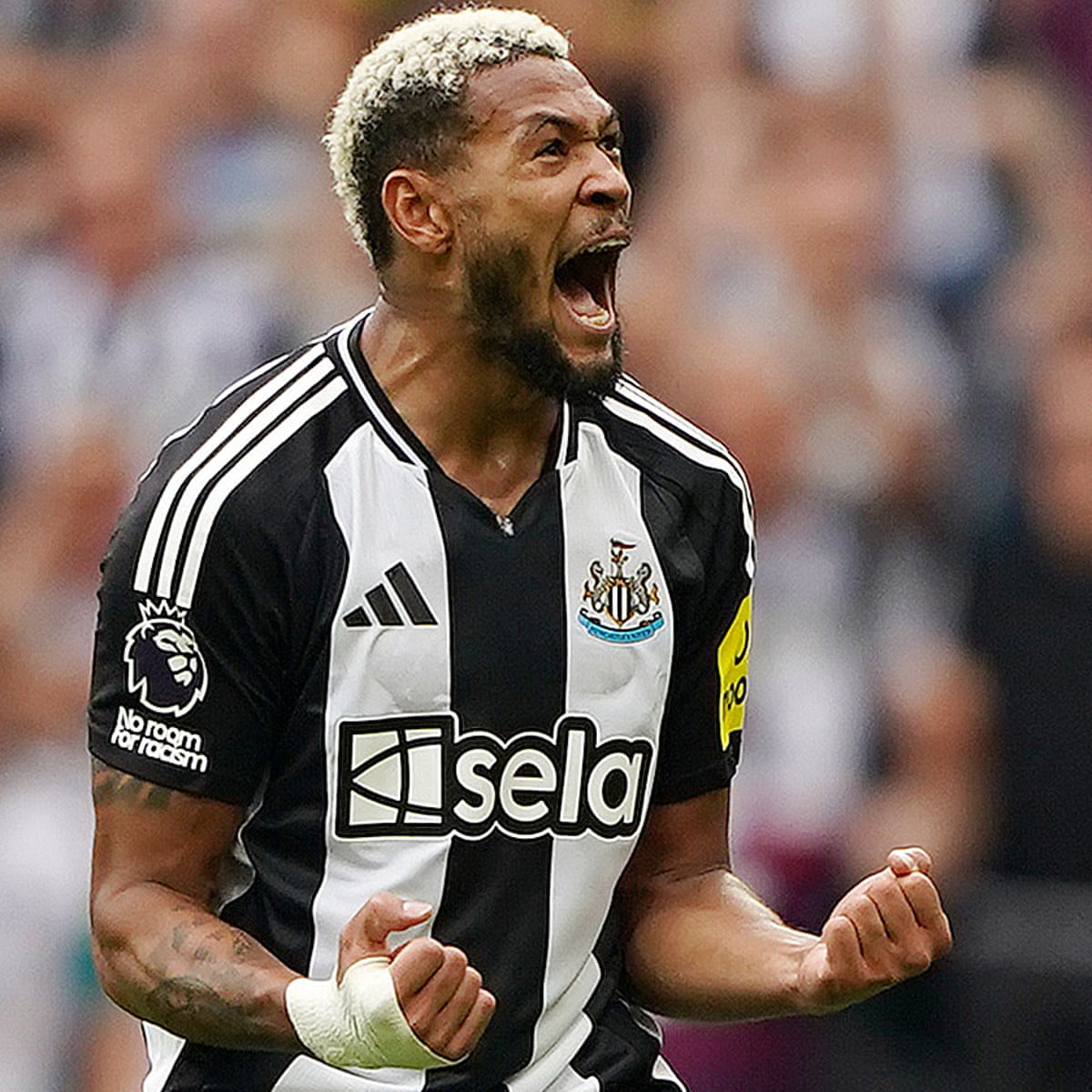
Eddie Howe subsequently moved him into midfield, where he became an important member of the Newcastle side that won the 2025 Carabao Cup, ending the club’s 56-year wait for a major trophy.
Philipp Lahm
Philipp Lahm was already regarded as an outstanding full-back before Pep Guardiola’s arrival at Bayern Munich prompted his transition into midfield.
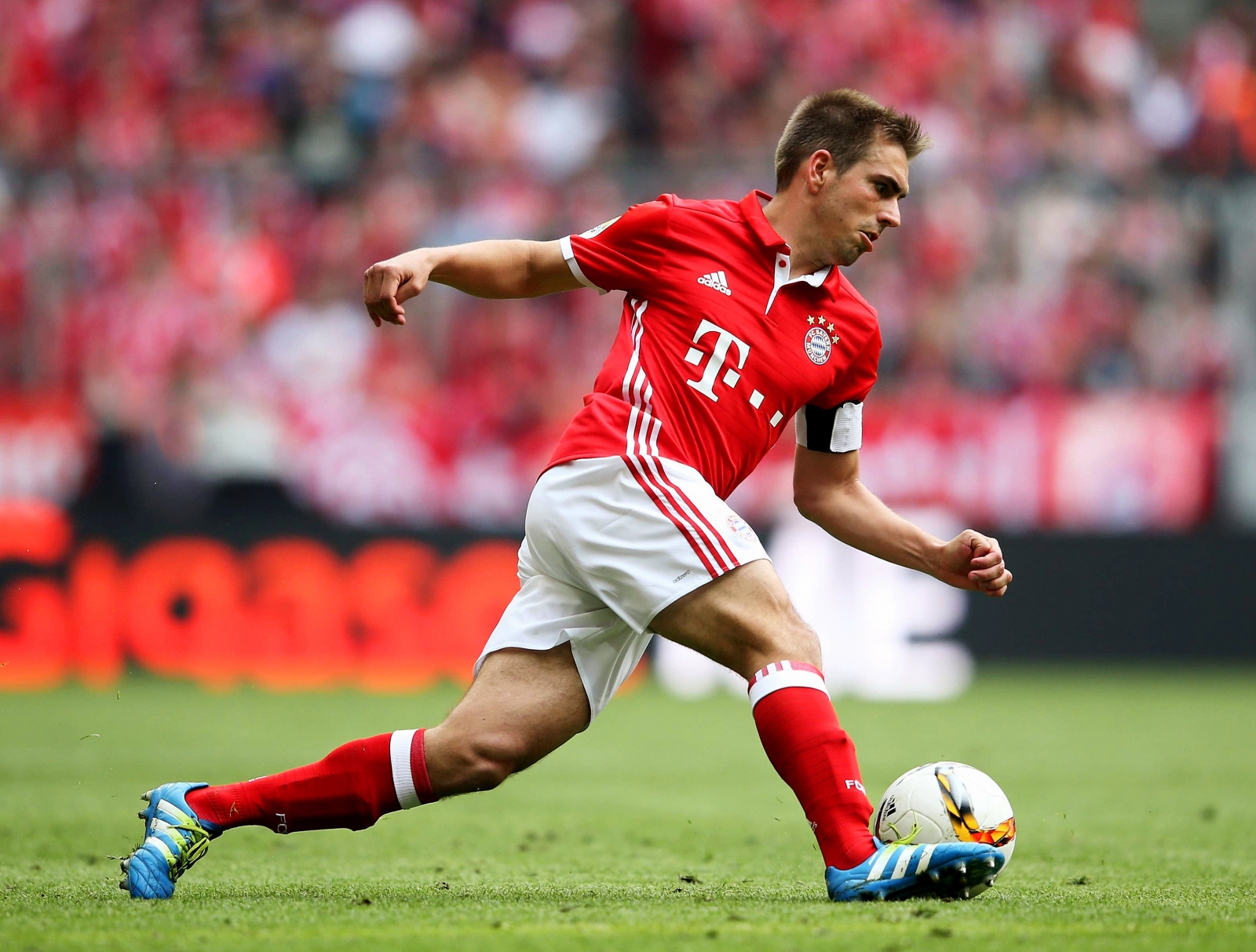
Guardiola said, “Philipp Lahm is perhaps the most intelligent player I have ever trained in my career,” before adding, “He is at another level.”
Fabinho
Fabinho began as a full-back before a conversation with Monaco manager Leonardo Jardim resulted in his move into defensive midfield ahead of the 2016-17 campaign.
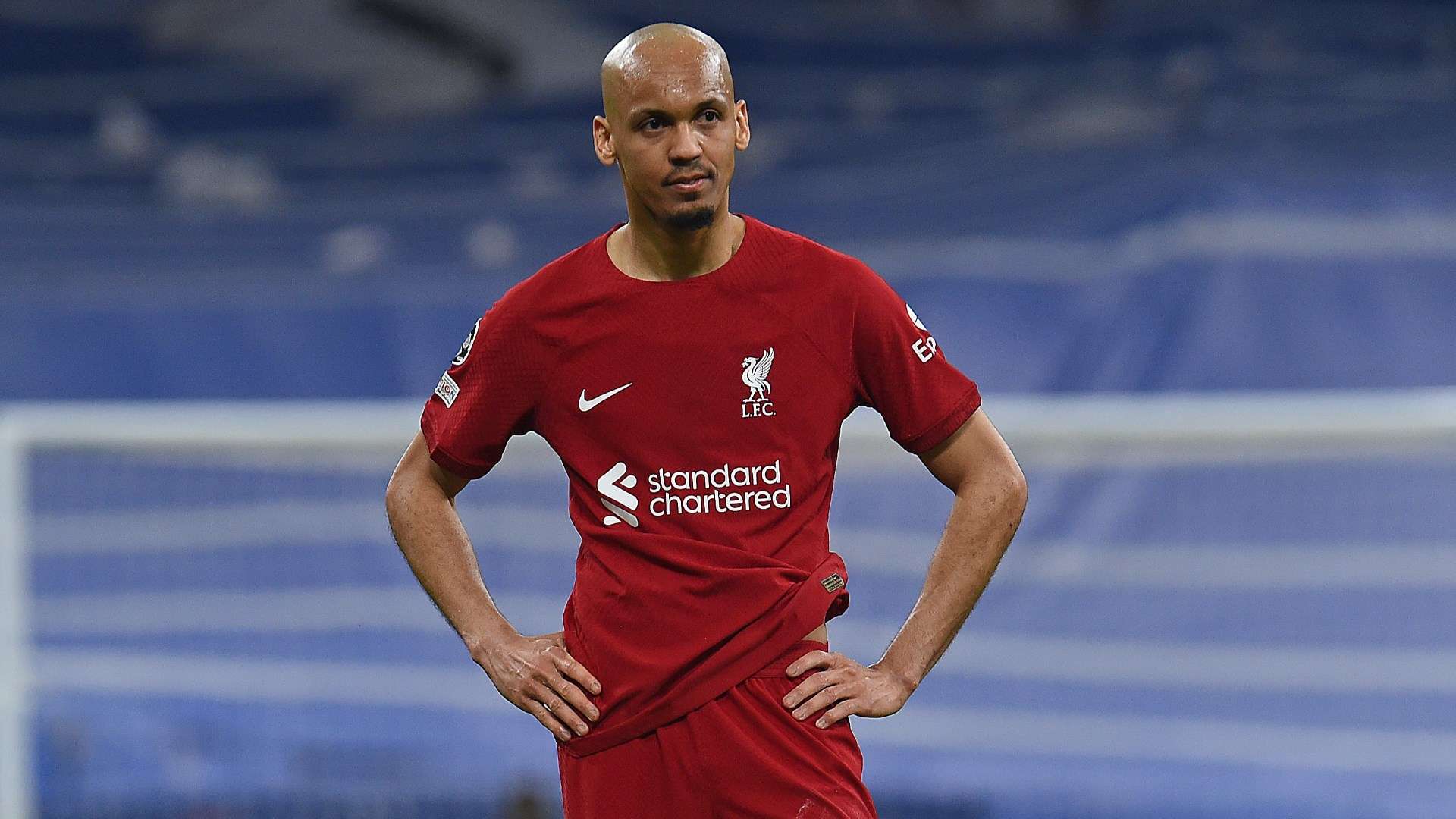
“Looking back, that was a life-changing moment,” Fabinho said, with the Brazilian later becoming a key defensive midfielder at Liverpool.
Ben White
Ben White established himself as a centre-back after joining Arsenal from Brighton for £50m in 2021.
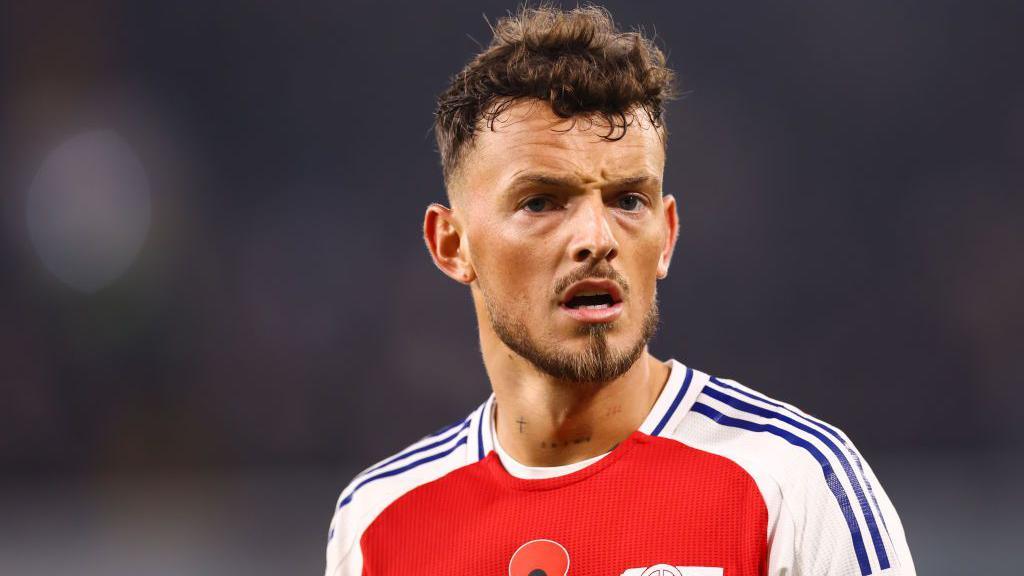
The emergence of William Saliba created competition for the position, but White’s conversion into a right-back allowed Mikel Arteta to accommodate him alongside Saliba and Gabriel Magalhães.
White subsequently became one of the leading right-backs in the Premier League and helped Arsenal win the 2025-26 title.
Javier Mascherano
Javier Mascherano reinvented himself as a centre-back at Barcelona after struggling to displace Sergio Busquets, Xavi and Andrés Iniesta in midfield.
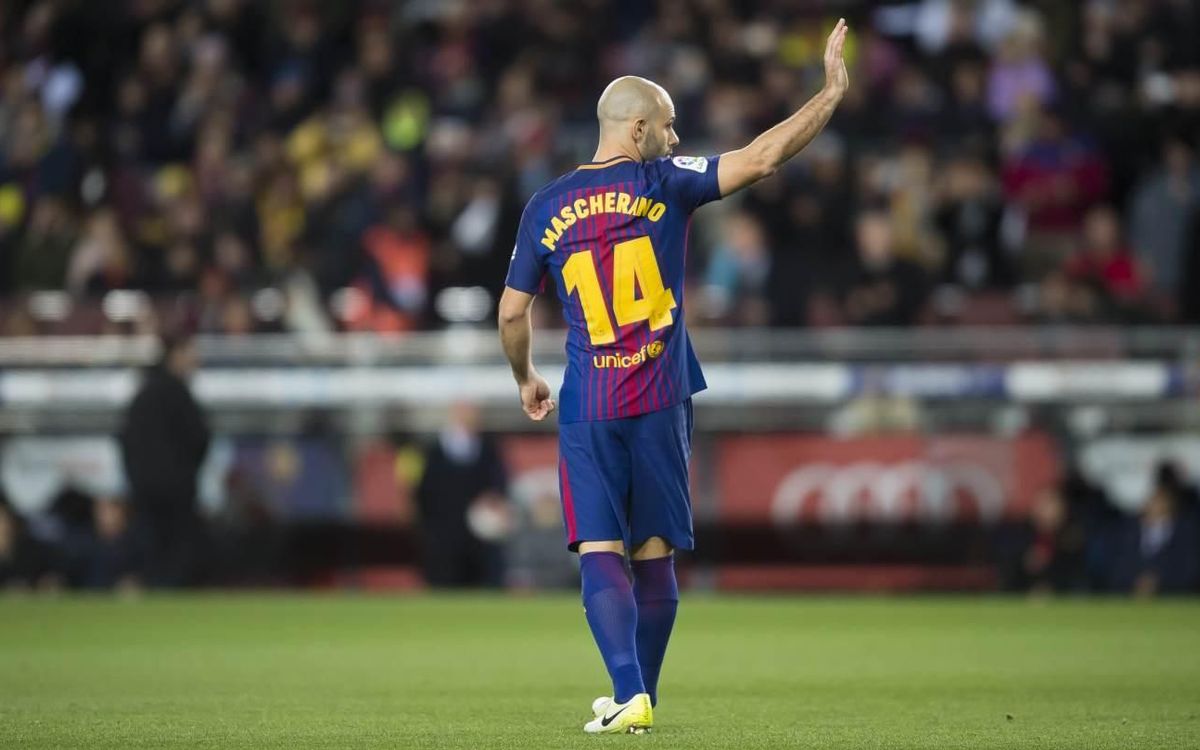
“I had zero experience in that role but it happened naturally,” Mascherano said, adding, “It’s very clear to me that had that change of position not occurred, I would have been out of Barcelona many years ago.”
He eventually made 334 appearances for the Spanish club.
Antonio Valencia
Antonio Valencia initially made his name as a winger at Manchester United after joining from Wigan.
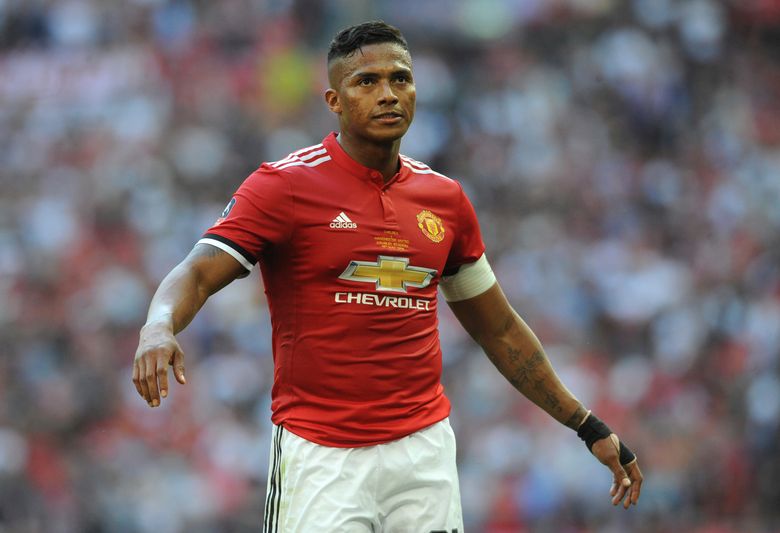
Antonio Valencia
A subsequent switch to right-back helped revive his career, with José Mourinho describing him in January 2017 as “the best right-back in the world”.
Gianluca Zambrotta
Gianluca Zambrotta joined Juventus from Bari in 1999 as a promising winger before an injury during the 2002 World Cup created an opportunity for him to move into defence.
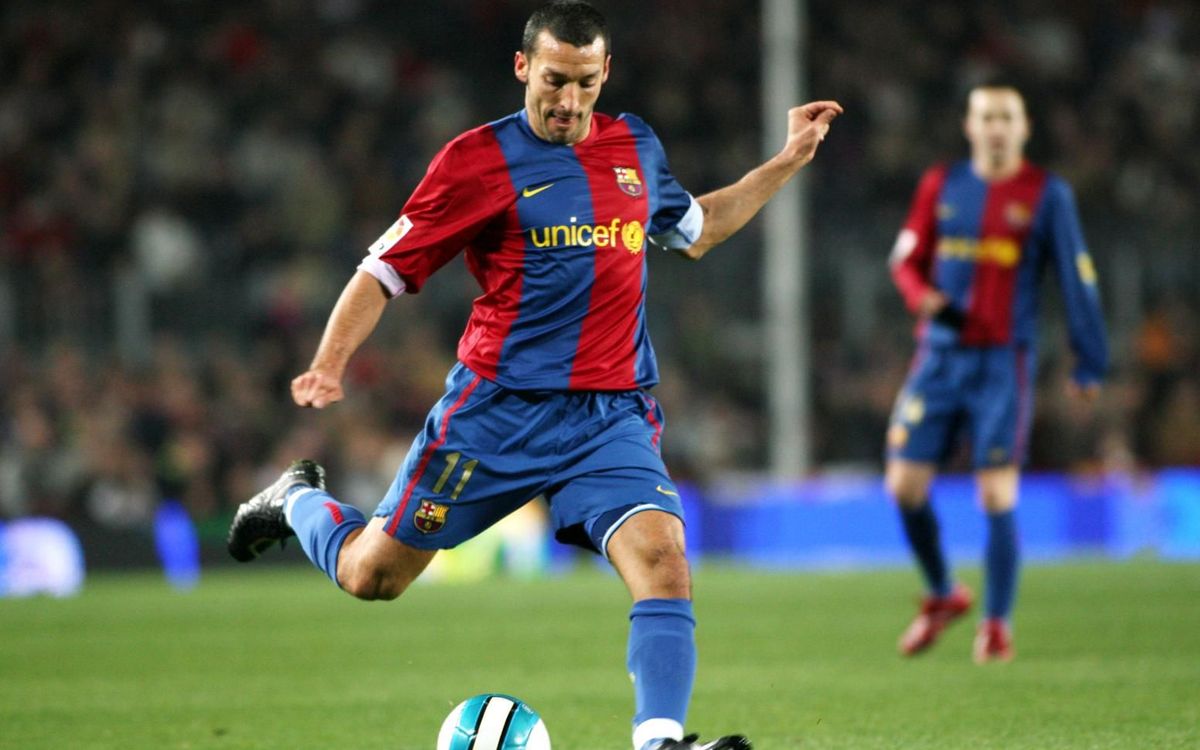
He became capable of playing on either side of the back line and later won major honours with Juventus, Barcelona and Milan, as well as the 2006 World Cup with Italy.
Lothar Matthäus
Lothar Matthäus enjoyed the first part of his career as a dynamic midfielder and was named German Footballer of the Year in 1990 after captaining West Germany to World Cup glory.
He scored 168 goals as a midfielder across his first 12 seasons before moving into a defensive or sweeper role later in his career.
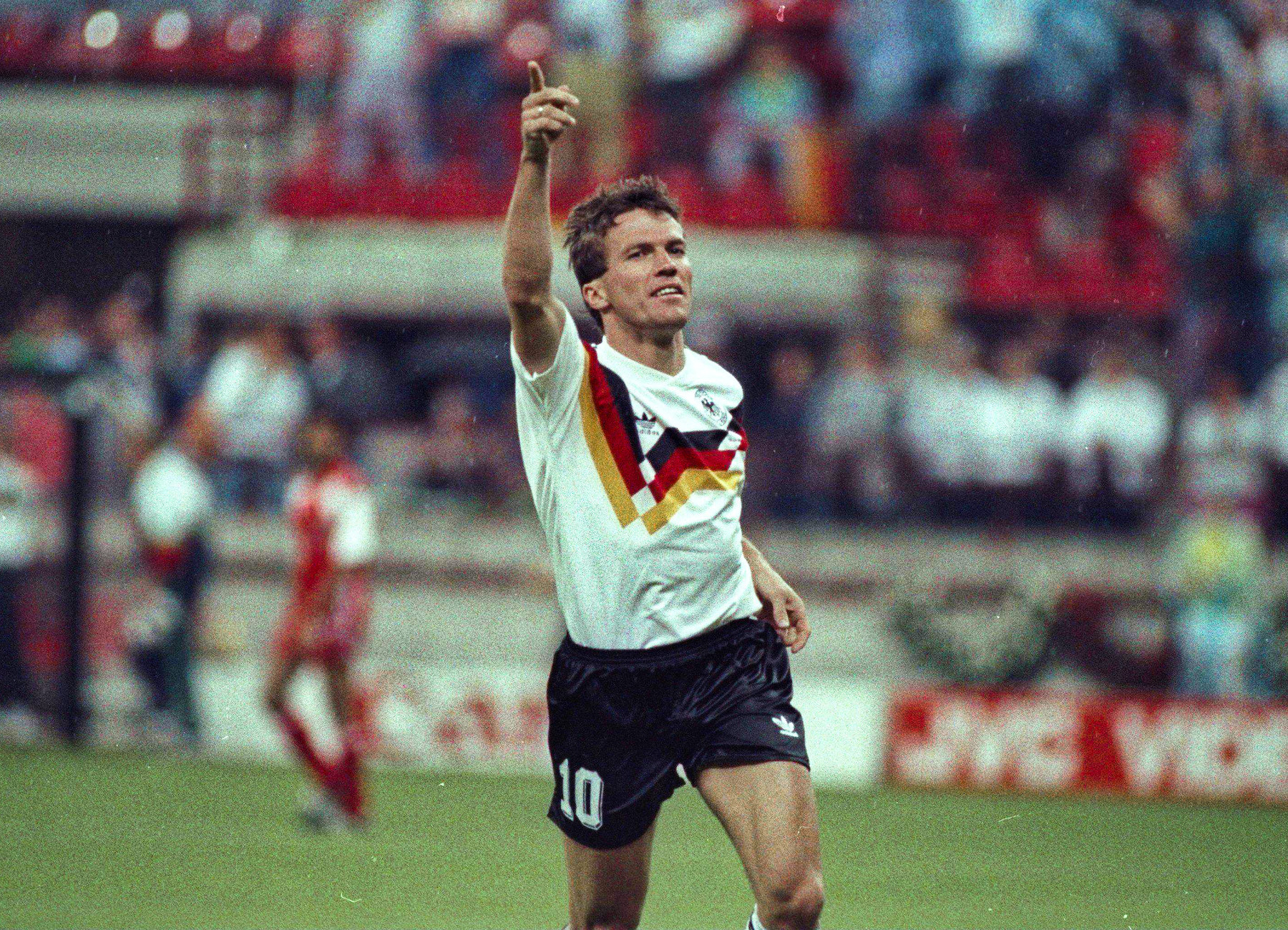
Remarkably, at 38, Matthäus was again named German Footballer of the Year in 1998 after excelling in his reinvented defensive role at Bayern Munich.
These examples underline how positional changes can alter the trajectory of elite footballers, with Raphinha’s current evolution adding another chapter to the long history of successful tactical reinvention.