Electoral and political violence have been a feature of Nigeria for as long as anyone can remember. It shaped the early years of independence and dogged the subsequent republics through the lengthy years of military interregnum.
From the jarring socio-political upheaval and unrest in the Western region of yore that culminated in the collapse of the first republic to the bone-chilling violence that characterised the Ondo State gubernatorial election in the second republic, electoral and political violence have been a feature of national life in Nigeria for as long as anyone can remember. It shaped the early years of independence and dogged the subsequent republics between the lengthy years of military interregnum.
However, while the shadow of imminent violence and death always looms large over the nation every time general elections are due, owing to the desperation of power-hungry politicians and an uninspiring electoral umpire, the majority of politicians have the good sense to keep their cards close to their chest regarding their intentions on how they seek to manipulate or rig polls. You rarely see them speak about how they will resort to voter suppression, intimidation and violence to achieve their objectives, partly because, as messed up and dysfunctional the country is, they know certain abhorrent behaviour comes with painful and brutal consequences. But things have changed in recent years.
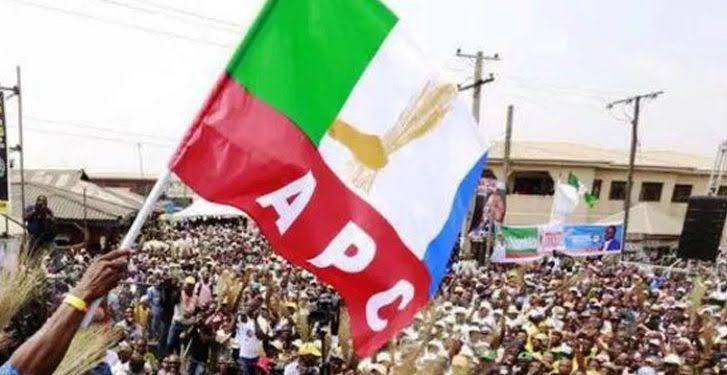
In recent months, politicians and their hirelings have shunned tact and self-restraint and become worryingly flippant and brazen in their vicious electioneering rhetoric. They now issue violent and death threats to voters in full public glare without fear of any ramifications. The indifference of relevant security agencies to the troubling developments has only emboldened other members of the ruling All Progressives Congress to resort to such crude and crass antics that not only undermine our election but are ostensibly detrimental to the nation’s democracy.
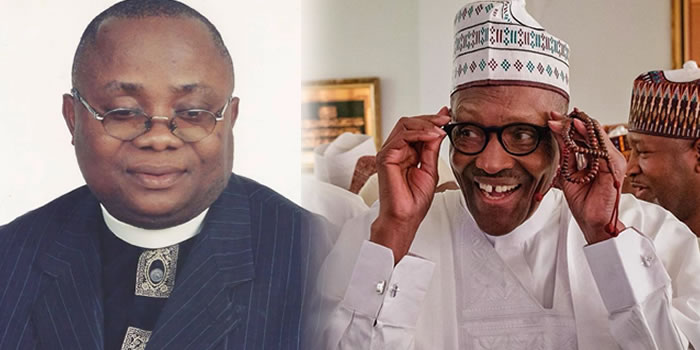
Last week, the Edo State Chairman of the All Progressives Congress (APC), Jarret Tenebe, said that anyone in the state who stands against the party’s promise to give President Bola Tinubu 2.5 million votes in the state will be gunned down with the popular lethal rifle of battle, the AK-47.
He said invoking the spirit of “Holy Ghost fire” against those who might block the party’s bid to secure 2.5 million votes would be heavier, while invoking the “General Purpose Machine Gun” spirit was lighter.
“So anybody who refuses, who wants to stand in our way of not getting the 2.5 million votes we want to give to Mr President, AK-47 fire,” he said.
Expectedly, his comment has sparked outrage, with leading opposition calling for his arrest and prosecution by security agencies.
Severed fingers
Before Tenebe, there was Buba. In late August, Sainna Buba, Borno State Commissioner for Youth and Sports Development, also threatened to inflict bodily harm on those who will not vote APC
Speaking at the inauguration of a campaign organised by the Tinubu City Boy Movement, a political support group backing President Bola Tinubu and his administration, the commissioner threatened to cut off the fingers of people who oppose the party.
He warned political opponents against challenging the APC, saying, “Whoever shows us a finger, we are ready to cut off his fingers.”
He also insinuated that those who support the party will enjoy government benefits, saying those who followed the government would “enjoy the honey”, while those who refused would be “flogged”.
Eviction notice
In early September, Samuel Danjuma Shekwolo, a council chairman in the Federal Capital Territory (FCT), threatened to forcibly evict residents who would not vote APC from the council, warning that residents must either support the APC or leave his area.
“I have said in my area council, it’s either you’re with APC or leave the area council. It is either you are with us, or you are not here,” he said.
Kill order
In August, a few days before the Osun gubernatorial election, Senator Francis Fadahunsi, representing Osun East Senatorial District, while addressing APC supporters, asked them to hunt and “kill” members of the Accord Party in Ilesa. Accord is the party of the incumbent governor.
Speaking during a protest at the palace of the Owa Obokun of Ijesaland, Fadahunsi was heard saying that if APC supporters saw members of the Accord Party before the election, “it is killing”.
The incendiary remark worsened the charged and volatile political climate in Ilesa, which led to a shootout in the area that claimed the lives of three people.
Fadahunsi later sought to explain the statement, saying he did not mean physical killing. His media office said he was urging voters to “kill” the Accord Party with their votes rather than through violence.
The opposition and human rights groups like the National Human Rights Commission (NHRC) and Amnesty International have continued to condemn these dangerous comments and called for arrest and prosecution of those uttering them, but nothing has been done. In fact, the most, by way of punishment, any of the rabble-rousers have got is a friendly invite from the police with details of the eventual meeting kept from the public. While the police claim Fadahunsi, Shekwolo and Buba are subjects of an ongoing investigation over their inflammatory and inciting comments, nothing has been heard about the matter for two months now.
What the laws say
There are clear constitutional provisions and laws against inciting and incendiary public rhetoric that heat up the polity, put voters in harm’s way and undermine the credibility of élections.
The Electoral Act 2026, which replaced the Electoral Act 2022, came into force in February 2026. The new law retained and built on provisions regulating the conduct of political campaigns.
Section 97(1) of the Electoral Act 2026 provides that a political party, candidate, aspirant, person or group of persons must not “directly or indirectly threaten any person with the use of force or violence during any political campaign” to compel that person or another person to support or refrain from supporting a political party or candidate.
It added that such a person, candidate or aspirant found guilty under the provision can face a maximum fine of N5 million or 12 months’ imprisonment, while any political party convicted of the offence faces a N10 million fine for a first offence and N2 million for subsequent offences.
The law also addresses inflammatory campaign language. Section 96(2) prohibits abusive, intemperate, slanderous or base language, including insinuations or innuendoes designed or likely to provoke violent reactions or emotions during political campaigns.
This means that where a statement amounts to a threat of force or violence intended to influence political support, the Electoral Act provides a specific offence.
Similarly, Section 40 of the Nigeria 1999 Constitution, as amended, guarantees every person the right to freely associate with others, including the right to form or belong to a political party.
It states, “Every person shall be entitled to assemble freely and associate with other persons, and in particular he may form or belong to any political party, trade union or any other association for the protection of his interests.”