The removal of the subsidy on premium motor spirit (PMS), better known as petrol, is a topical and polemic issue that has continued to spark debate even long after the current administration removed it. The matter featured prominently in public discourse during electioneering for 2023 and now dominates campaign rhetoric in the build-up to the 2027 general election.
However, while the conversation around the petrol subsidy in 2023 centred around the soundness of reason and strength of argument regarding the abolition of the policy, the discourse around the policy has moved to the socio-economic impact of the policy on the citizens and the fiscal implications of how the government has managed the financial proceeds that accrue to it from the removal of the petrol subsidy. There are pervasive concerns and reservations that the removal of the subsidy has not had any material positive impact on Nigerians; if anything, Nigerians have witnessed a troubling deterioration in the standard of living as they are impoverished by disturbingly weak and decimated purchasing power, which is brought about by the fallout of the subsidy removal.
However, this brutal and devastating socio-economic impact that the abolition of the petrol subsidy caused has been attributed to the management of the aftermath of the decision rather than the decision to terminate the programme. One narrative that has gained public consensus is that petrol subsidy removal has plunged many Nigerians into economic hardship and despondency, and that the presidency, governors and other elected high-ranking public officials are benefiting from the decision as they line their pockets with the despair and suffering of Nigerians who are left to bear the crushing burden of exceedingly high energy costs.
While there was a consensus of some sort among the leading presidential candidates in the 2023 election over the need to scrap the petrol subsidy, there has been a volte-face by these candidates who are also still in the thick of things and vying for the 2027 presidency. Seeing the brutal impact of the policy on the populace, they have since ditched their position and are now singing a new song. Both Alhaji Atiku Abubakar, Presidential candidate of the All Progressives Congress (ADC) and Peter Obi, the candidate of the Labour Party (NDC), have now promised to reintroduce petrol subsidy after decrying it in 2023 and unequivocally supporting its abolition. It is hard to tell if their volte-face is necessitated by sound and reasonable fiscal calculation or if they are just leveraging widespread public discontent with populist talking points.
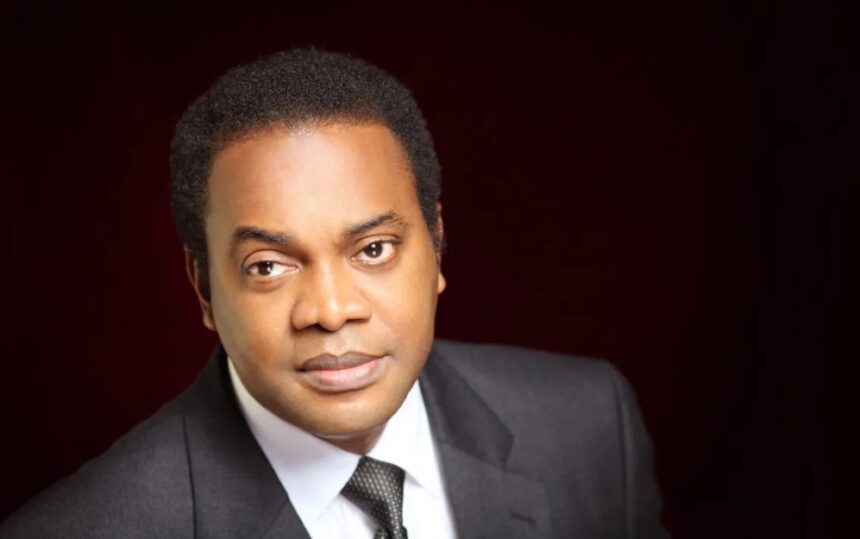
However, other candidates and new entrants into the presidential fray have also promised to subsidise petrol if elected president and one of them, Donald Duke of the Peoples Redemption Party, has made headlines in recent days with his promise to reduce the pump price of petrol to N300 per litre. A proposal that has been described as ambitious and outlandish by analysts.
Duke, a former governor of Cross River State, while speaking during an interview on Channels Television’s “Morning Brief” on Wednesday, said
“I’ll try and bring it to about N300,” when asked what the price of petrol would be under his presidency.
“I’ve told you, it sounds so outlandish, but I’ve given you the arithmetic. Allocate 600,000 barrels, if that’s what you consume daily. Allocate that to yourself. The other one million, you can sell,” he said.
While Nigerians can buy fuel at N300, the question to ask here is if Duke’s “arithmetic” checks out and if his audacious proposal is feasible under the current fiscal and macroeconomic reality and the joint venture arrangement between the Nigerian state and the international oil companies doing business in Nigeria. It must be said that to efficiently and successfully manage the sale of petrol at N300 and reap the full socio-economic benefits, it has to be subsidised at pump. But this is the easiest part of Duke’s proposal.
He stated that 600,000 barrels of crude oil will be allocated to local consumption. This position exposes a flaw in his proposal. Nigeria does not have 600,000 barrels to allocate for local consumption because a huge portion of its daily production goes to the oil companies it has a joint venture agreement with and is also used to offset its loan obligations.
Even the volume of Nigeria’s share of oil produced is encumbered by a crude-backed loan. For instance, out of the 600,000 barrels that Duke plans to allocate to local consumption, 200,000 barrels have been used in forward sales arrangements for different loans taken by the NNPCL. What is left, which is about 400,000 barrels, is not enough to meet different fiscal and financial obligations of the government, let alone selling at a subsidised rate for local consumption.
It is possible for Nigeria to buy fuel at N300 or even less, but it will take more than perfunctory populist rhetoric on television for that to happen. Crucial factors like a considerable uptick in oil production quota, fiscal discipline and accountability from government, a reasonably valued naira, improved security, state-owned refineries working at full capacity, probity and transparency on the part of the NNPC, and total control of Nigeria’s oil output by the government must align for this to happen.
As it stands, with the current obligations of the federal government and arrangements of the NNPC with oil companies and other entities and other sundry issues surrounding crude oil production, Donald Duke’s pitch is a fantasy and unrealistic endeavour.