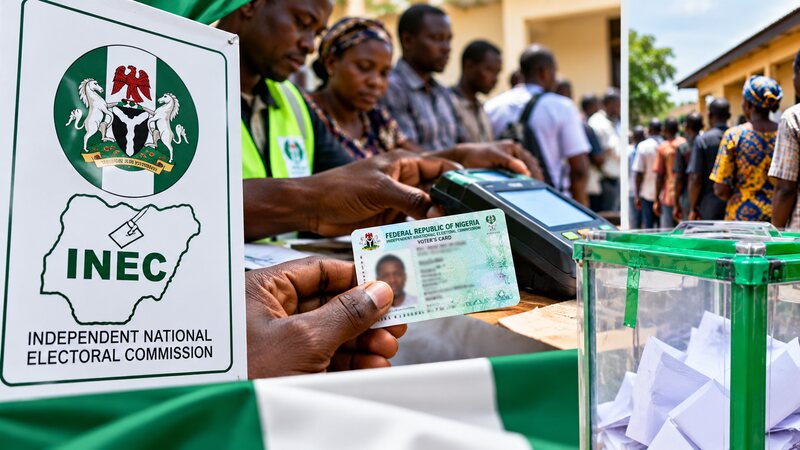
The controversy surrounding the Independent National Electoral Commission (INEC) preparation for the 2027 general elections is not about to disappear from public discourse anytime soon. While the electorate struggles to come to terms with the disturbing reality of fictitious voter insertions in the voter register, reports emerge that the electoral body has clandestinely created 453 new polling units. These polling units are not officially disclosed to the public and key electoral stakeholders for review and scrutiny.
The development only serves to heighten concerns over the credibility, transparency and accountability of the commission as the 2027 general elections draw close.
While an official document shows that the commission created the 453 additional polling units, the commission continues to publicly maintain that Nigeria has 176,846 polling units.
The document showed that Delta State now has 6,316 polling units, up from 5,863 during the last general elections, bringing the total number of polling units nationwide to 177,299.
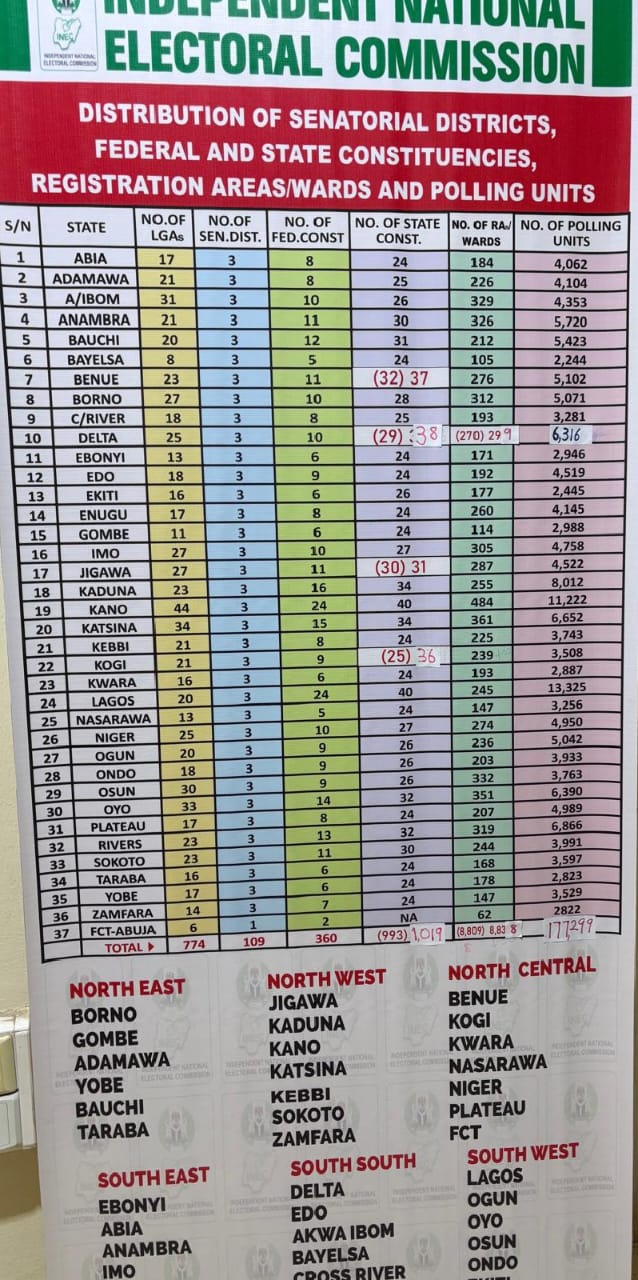
According to SaharaReporters, some senior officials and staff of the commission were unaware of the new polling units.
The discovery raises fresh questions about INEC’s handling of the country’s electoral process and voting architecture, particularly amid unresolved concerns over suspected AI-generated photographs and shady entries in its preliminary Register of Voters.
“Even more troubling is that some senior officials and staff of the Commission are unaware of the exercise, while INEC continues to state publicly that the country had 176,846 polling units,” the media outlet quoted a source familiar with the development as saying.
“This raises serious questions about institutional accountability, administrative transparency and the Commission’s commitment to conducting credible elections.”
According to the source, the documents clearly showed the creation of 453 additional polling units, adding that the commission must tell Nigerians everything about the secretly created polling stations.
The source questioned why such a crucial electoral exercise was done surreptitiously and why the details are hidden from relevant stakeholders and the general public.
Although INEC is empowered to create adequate polling units in electoral wards and allocate voters to them under Section 40 of the Electoral Act 2022, the source argued that the power must be exercised transparently and in accordance with established procedures.
Section 40(2) of the Act provides that the commission shall establish adequate polling units in each registration area or electoral ward and allocate voters to them.
However, the source maintained that the commission’s statutory made do not give it sweeping power to making crucial and far-reaching changes to the country’s electoral architecture without public accountability.
The source asserted that polling unit creation has consequential political, geographical, social and cultural ramifications, warning that unexplained changes could spark apprehension and disputes over electoral arrangements.
“The exercise of such powers must be guided by objective criteria, transparent procedures, demographic considerations and meaningful engagement with relevant stakeholders,” the source said.
“Polling unit creation is not a routine bureaucratic exercise; it has significant political, geographical, social and cultural implications, with the potential to provoke communal tensions and electoral disputes.”
In the past, before new polling units were created, as with the creation of 56,872 polling units in 2023, INEC consulted widely and carried relevant stakeholders along.
The INEC source chastised the commission for discarding the consultation process and transparency principles that were previously integral to polling unit expansion.
“Indeed, INEC’s own records identify transparency, accountability, equity and inclusivity as guiding principles of polling-unit expansion. What has changed that makes consultation and public accountability apparently dispensable today?” the source asked.