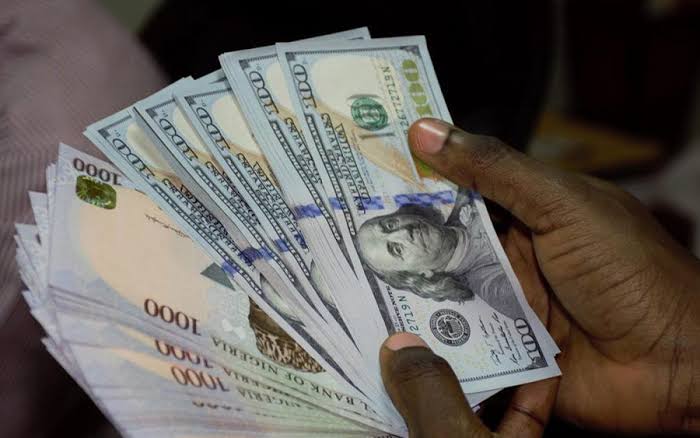
The dollar to naira rate today, Thursday, November 5, 2026, is about ₦1,348 at the official Nigerian Foreign Exchange Market (NFEM) and about ₦1,390 on the parallel market, popularly called the black market. The naira has barely moved in days, and the gap between the two markets is about ₦42 per dollar.
The official figure is Wednesday’s closing rate. The CBN had not published Thursday’s session when this report was prepared, and the parallel rate is an early-morning dealer quote.
Dollar to Naira Today at a Glance
The official market recorded a volume-weighted reference rate of about ₦1,347.80 on Wednesday, November 4, with a close of ₦1,348, while black market dealers quoted ₦1,380 to buy and ₦1,390 to sell on Thursday. Dealers in Lagos, Abuja, Kano and Port Harcourt quoted ₦1,380 to ₦1,384 when buying cash and ₦1,390 to ₦1,399 when selling. (primanews) (thecityceleb)
Official NFEM and CBN Rate: A Slight Wobble in a Quiet Week
The official window has been calm all week, with the naira moving by a naira or two at a time. On Tuesday, November 3, the naira traded at ₦1,346.93 on the CBN’s platform and closed at ₦1,347.75. By Wednesday it had slipped a little more, to a ₦1,348 close. (tribuneonlineng)
The CBN’s reference rate follows the NFEM weighted average, so “CBN rate today” and “NFEM rate today” are effectively the same number. The closing rate is the price at the end of the session, and it can differ from the average by a few naira.
There was some activity beneath the surface. Vanguard reported that interbank turnover jumped 445% on Tuesday, even as the naira eased to ₦1,347.75 from ₦1,346.01 the day before.
The weekend figures come from a tracker that used the CBN’s Friday average and Sunday’s parallel market quote. The NFEM does not publish fresh rates over the weekend, so Monday’s reports lean on Friday’s numbers.
Black Market Dollar to Naira Rate Today
Street dealers have held in a tight band of ₦1,380 to ₦1,399, depending on the city, the dealer and how much you want to change. Aboki FX put the Tuesday rate at ₦1,390 for buying and ₦1,395 for selling. By Wednesday, the same tracker had the Lagos rate at ₦1,390, with some dealers pushing to ₦1,395.
Not every source agrees. One outlet reported Bureau De Change operators at ₦1,377 on Tuesday, down a naira from the day before, which would put the gap with the official market closer to ₦29. Parallel quotes depend on who is asking and where, so treat any single number as a guide. Check with your dealer before you move cash.
Why the Naira Has Held Steady
The naira is considerably stronger than it was at the start of the year. It opened 2026 at around ₦1,446 per dollar, so today’s official rate is nearly 7% stronger. For comparison, the naira traded at ₦1,446.9 on November 28, 2025.
Official forecasts have been beaten along the way. The CBN’s outlook assumed an average of ₦1,400 per dollar for 2026, and the naira has spent recent weeks well inside that level.
Foreign reserves are the main cushion. Reserves rose to $52.02 billion on July 20, 2026, the highest since January 2009, and stood at $52.26 billion by mid-August. That was a long way from the spring, when reserves slid from $49.18 billion on April 1 to $48.33 billion by May 7. I could not verify a more recent reserves figure for this report.
Analysts have also noted a side effect of building reserves. The IMF has said continued accumulation may be slowing the pace at which the naira adjusts toward its equilibrium rate. In plain terms, the CBN is leaning against sharp moves in both directions.
What the Gap Means for Ordinary Nigerians
A ₦42 premium is small by the standards of the past few years, when the spread between official and street rates ran into hundreds of naira. A narrow gap means less incentive to chase dollars on the street. It also means those with genuine access to the official window, such as importers, students paying school fees and people on PTA or BTA allowances, face a smaller penalty if they have to buy elsewhere.
For households, the steady naira takes some pressure off prices of imported goods, though it does not guarantee they will fall. Fuel, food and electronics still depend on supply chains and logistics costs as well as the dollar.
What to Watch Next
Traders will keep an eye on three things over the coming days:
Official NFEM close: whether Thursday’s session pushes the rate back toward ₦1,346 or lets it drift past ₦1,350.
Black market premium: whether the gap stays near ₦40 or widens as end-of-year demand builds.
Reserves and turnover: whether the jump in interbank activity seen this week continues.
Rates change by the hour, so confirm with your bank or BDC operator before you transact.
Frequently Asked Questions
What is the dollar to naira rate today?
The official NFEM rate is about ₦1,348 per dollar, based on Wednesday’s close. The black market sells at about ₦1,390.
What is the CBN dollar rate today?
The CBN reference rate tracks the NFEM weighted average, which was about ₦1,347.80 on Wednesday.
How much is $100 in naira today?
About ₦134,800 at the official rate and ₦139,000 on the parallel market.
Why are the official and black market rates different?
The official rate comes from trades on the NFEM and is published by the CBN. The parallel rate is set by BDC operators and independent dealers according to their own supply and demand.
Why is there no new official rate on weekends?
The NFEM does not publish fresh rates on Saturdays and Sundays, so weekend reports repeat Friday’s figures.