Social media security has become an increasingly important concern for prominent Nigerians whose online accounts command large followings and attract public attention. From entertainment figures to senior government institutions, the protection of these digital identities has become a subject of growing interest, particularly as more people rely on social media for information, public statements and official announcements.
Some familiar names have recently found themselves at the centre of developments that have raised fresh questions about the safety of their online presence. Davido’s brother, the Nigerian Army, former presidential aide Tolu Ogunlesi, the Defence Headquarters and the National Human Rights Commission are among the names connected to a series of incidents that have drawn attention in 2026.
Their experiences present a closer look at an issue affecting different corners of Nigeria’s public space, with details that make the developments worth examining individually.
Adewale Adeleke’s Instagram Account Hit By Explicit Videos
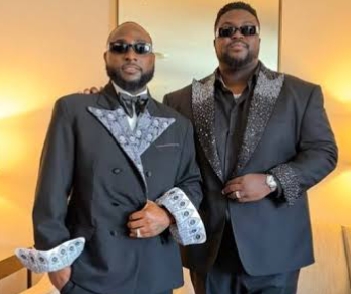
Adewale Adeleke, popularly known as Chairman HKN, became the subject of widespread online discussion on November 8, 2026, after explicit adult videos appeared on his verified Instagram account, @chairmanhkn. The businessman is the elder brother of Davido, whose real name is David Adeleke, and a member of the prominent Adeleke family.
The videos reportedly appeared briefly on his Instagram page before being deleted within minutes, although some users had already captured the material, allowing screenshots and recordings to circulate across social media platforms. The development attracted attention because the content was posted through an established account belonging to a prominent businessman, raising questions about the circumstances surrounding its appearance.
Lawyer Pelumi Olajengbesi subsequently offered an explanation, attributing the incident to a compromise involving Adewale’s phone. He urged followers to disregard the posts, suggesting that the material was uploaded without the account owner’s authorisation.
His exact statement, as reported at the time, read, “His phone is hacked. Please disregard the post.”
The comment provided the first public explanation from someone identified as close to the Adeleke family, although it did not establish through technical evidence whether the phone itself had been compromised or whether an unauthorised person had gained access directly to the Instagram account.
The sudden deletion of the videos also generated reactions from Instagram users who questioned the circumstances surrounding the incident. One user, identified as @rexx___101, wrote, “Deleted already so who deleted it if it was hacked as claimed?”
Another commenter, @mercified_23, questioned the explanation with the remark, “Hacked me Abi he mistakenly post am.”
Music producer Samklef also reacted to the development, suggesting a possible connection to activist VeryDarkMan, although no evidence was presented establishing that the activist was responsible.
The incident became particularly sensitive because explicit material can spread beyond the original account even after deletion, especially when followers have already downloaded or recorded the posts. At the time of the reports, Adewale had not issued a detailed personal explanation identifying the person responsible or describing how the alleged compromise occurred.
Nigerian Army Recovers Official X Account After More Than 2 Months
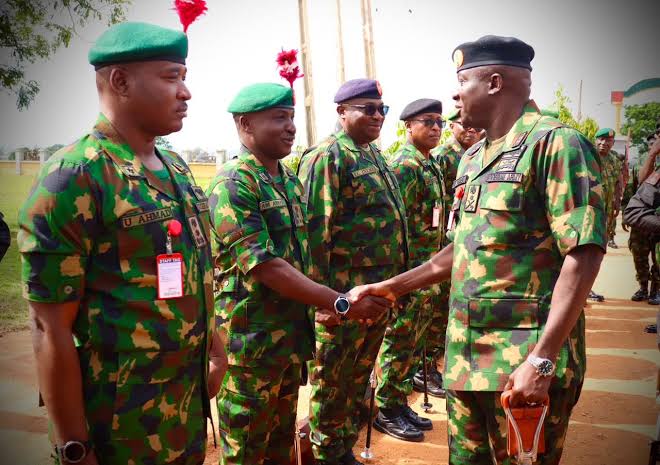
The Nigerian Army experienced one of the longest reported account recovery processes among the institutions involved in the 2026 incidents, after announcing on August 29 that its official X account, @HQNigerianArmy, had been affected by unauthorised access.
The military disclosed that it detected the incident at approximately 5 p.m. on Saturday, August 29, and immediately activated technical measures to secure the affected account. Colonel Appolonia Anele, Acting Director of Army Public Relations, issued the announcement, explaining that efforts were underway to regain exclusive administrative control.
The Army also warned Nigerians and media organisations against relying on suspicious messages published through the account during the period of uncertainty. Its statement stressed that, “Such content does not represent the official position of the Nigerian Army.”
The military further explained that it was working to, “fully secure the affected account and restore exclusive administrative control.”
While the recovery efforts continued, the Army directed members of the public to rely on its other recognised communication channels, including its Facebook and Instagram accounts, alternative X handle and YouTube platforms for official information.
The situation remained unresolved publicly for more than 2 months, until November 8, when the military announced that it had successfully recovered its official account. The announcement was contained in another statement signed by Colonel Anele, confirming that administrative control had been restored.
The statement read, “The Nigerian Army wishes to inform the general public that our official X (formerly Twitter) account, @HQNigerianArmy, has been successfully restored following efforts to resolve the unauthorised access reported on 29 August 2026.”
The Army also confirmed that the account was secured, stating, “The account is now secured, with administrative control fully reinstated, paving the way for the resumption of regular updates on the Nigerian Army’s activities, operations, achievements and institutional developments.”
Anele described the recovery as an indication of the institution’s commitment to protecting its digital communication channels, adding, “The successful recovery underscores the Nigerian Army’s commitment to safeguarding its digital communication platforms, protecting the integrity of information and ensuring the continued use of credible and secure channels for public engagement.”
The military expressed appreciation to Nigerians, media organisations and other stakeholders who exercised patience while the account remained inaccessible.
However, the recovery announcement did not identify the individuals responsible for the unauthorised access or explain the technical process that eventually restored administrative control. The circumstances surrounding the initial compromise therefore remained largely undisclosed.
Defence Headquarters Account Flooded With Cryptocurrency Promotions
Another major incident occurred on August 15, 2026, when the Defence Headquarters announced that its official X account, @DHQNigeria, had experienced an attempted unauthorised compromise.
The incident attracted attention because the account belonged to Nigeria’s principal military headquarters and had more than 980,000 followers at the time. Reports indicated that cryptocurrency-related messages had appeared on the profile, creating a situation where followers could encounter suspicious investment promotions through an account ordinarily associated with military announcements.
Major General Samaila Uba, Director of Defence Information, issued a statement acknowledging the incident and explaining that the military had activated measures to secure the account.
He stated, “The Defence Headquarters wishes to inform members of the public, the media and all stakeholders that it has detected an attempted unauthorised compromise of its official X (formerly Twitter) account.”
The military further explained, “The incident is currently being treated as a cybersecurity matter, and appropriate technical measures have been activated to secure the account and prevent further unauthorised access.”
The statement also assured Nigerians that efforts were ongoing to regain control, warning followers against interacting with suspicious publications.
It stated, “Consequently, members of the public are advised to disregard any suspicious, unauthorised or misleading content that may be posted from the account during this period.”
The Defence Headquarters maintained that its responsibility to provide credible information about the activities of the Armed Forces remained important, particularly while its official communication channel was being secured.
The recovery process was considerably shorter than that of the Nigerian Army. On August 18, just 3 days after the initial announcement, the Defence Headquarters returned to its official X account with a brief message confirming that access had been restored.
The message read, “WE’RE BACK. Thank you for your patience and continued support.”
Although the account was recovered, the military did not publicly identify those responsible or explain how the unauthorised access occurred. It also did not provide detailed information about whether the incident involved access to private information or was limited to control of the public profile.
National Human Rights Commission Announces Account Compromise
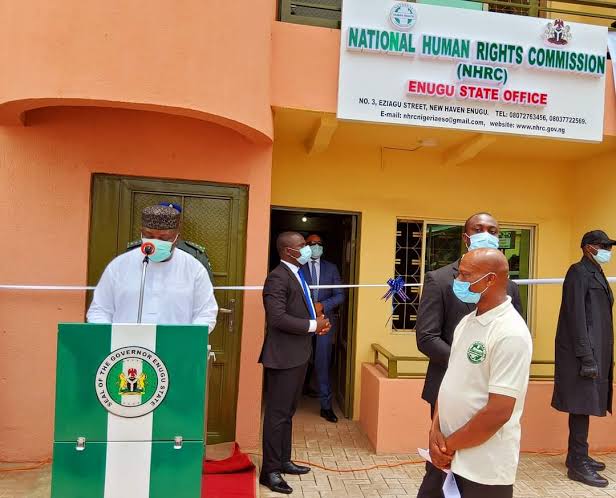
The National Human Rights Commission became another Nigerian government institution to report an unauthorised takeover of its official X account in 2026, with its warning issued on September 4.
The commission disclosed that its account had been compromised and was under the unauthorised control of an individual or account operating with the username @ephesus_lib. The development was announced through a disclaimer issued by Fatimah Agwai, Director of Corporate Affairs and External Linkages.
The incident attracted attention because the commission’s official identity was still associated with the account, although reports indicated that its logo had been changed. The profile had approximately 12,000 followers at the time, making the situation particularly important for Nigerians who relied on it for institutional updates and human rights information.
The commission directly addressed the public, development partners, stakeholders and media organisations in its disclaimer.
It stated, “The NHRC wishes to inform members of the general public, development partners, stakeholders, and the media that its official X (formerly Twitter) account has been compromised and is currently under the unauthorised control of an individual/account operating as @ephesus_lib.”
Fatimah Agwai also made it clear that the institution would not accept responsibility for messages being published through the affected profile.
Her statement read, “The NHRC does not authorise, endorse, or take responsibility for any posts, statements, messages, links, or other content currently being published from the compromised account.”
The commission subsequently explained that steps were being taken to regain access and restore its official presence on the platform. It also promised to communicate through recognised channels once a replacement or recovered account became available.
The disclaimer stated, “The NHRC will notify the general public and its partners through its verified and established communication channels once an official medium on X is available.”
The commission apologised for the inconvenience and appreciated the cooperation of stakeholders during the period.
The incident came less than a month after the Defence Headquarters announced its own account compromise, adding another government institution to the list of Nigerian organisations that had publicly reported unauthorised access to their official X profiles.
Tolu Ogunlesi’s Account Used To Publish Political Attacks Against Tinubu’s Government
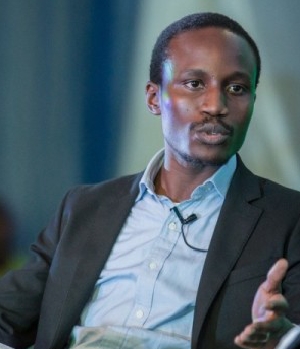
Former presidential aide Tolu Ogunlesi disclosed on October 15, 2026, that his X account, @toluogunlesi, had been taken over and was being used to publish political messages and cryptocurrency related promotions without his authorisation.
Ogunlesi previously served as an aide to former President Muhammadu Buhari and had maintained a public presence through political commentary and discussions. The account takeover therefore created a situation where messages published through his profile could easily be mistaken for his personal opinions.
According to his explanation, X had notified him on October 3 that the password and phone number associated with the account had been changed. He subsequently discovered that the profile was being used to circulate messages that he had not written or approved.
One particularly significant detail in his disclosure was that 2 factor authentication had already been enabled before the incident. The security feature ordinarily provides an additional verification requirement beyond the account password, making his experience an important part of the wider discussion surrounding digital account protection.
Ogunlesi issued a public statement warning followers against attributing any messages published through the account after October 3 to him.
He stated, “Every post, reply and direct message from @toluogunlesi since 3 October has been made by the hacker, not by me. I do not promote, endorse or solicit investment in any cryptocurrency scheme.”
He also addressed the political messages being published through the account, particularly those directed against President Bola Tinubu’s administration.
According to him, “The account has also been used to post political content, including attacks on the current government. These posts were not written by me and do not reflect my views. Nor do they reflect the way I have engaged in public debate over many years.”
The former presidential aide subsequently asked followers not to associate the unauthorised publications with his political positions, stating, “I would ask that they not be attributed to me or treated as my position on any issue.”
Ogunlesi also warned Nigerians against clicking suspicious links, transferring money or cryptocurrency, or disclosing personal and financial information in response to messages from the affected profile.
He appealed to X to intervene and assist with the recovery process, explaining, “I hope X will act promptly to help me recover the account.”
He further promised to make a public announcement once access had been restored, adding, “I will confirm publicly once it is back under my control. I am grateful to everyone who has flagged the fraudulent posts.”
The disclosure about 2 factor authentication raised questions about how the unauthorised user gained access despite the additional security arrangement. However, Ogunlesi did not establish whether the incident involved phishing, stolen credentials, a compromised phone number or another method.
How The 5 Incidents Unfolded In 2026
The incidents occurred across different months, with the Defence Headquarters recording the earliest reported case among the 5 individuals and institutions discussed.
The Defence Headquarters announced its account compromise on August 15 and confirmed recovery on August 18, while the Nigerian Army reported unauthorised access on August 29 before announcing restoration on November 8.
The National Human Rights Commission issued its warning on September 4, while Tolu Ogunlesi received notifications about changes to his account details on October 3 before publicly disclosing the takeover on October 15.
Adewale Adeleke’s Instagram incident emerged on November 8, the same day the Nigerian Army announced that its account had finally been restored.
The incidents therefore unfolded over approximately 3 months, involving different account owners and varying levels of public disclosure.
Cryptocurrency Promotions Become A Recurring Feature
One noticeable development across the incidents was the appearance of cryptocurrency related messages on the compromised accounts of the Defence Headquarters, National Human Rights Commission and Tolu Ogunlesi.
The use of prominent profiles to circulate investment promotions creates opportunities for fraudulent operators to exploit the trust followers place in recognised institutions and public figures. A message published through a verified account may attract attention because users naturally associate the profile with its legitimate owner.
The Defence Headquarters incident was particularly concerning because its account was used for official military communication, while the NHRC’s profile represented an institution that engages with Nigerians on human rights concerns. Ogunlesi’s experience also demonstrated how an individual’s public reputation could be used to give credibility to messages he had not authorised.
There is, however, no established evidence connecting the perpetrators in these incidents or proving that the cryptocurrency publications originated from one coordinated operation.
The Questions Surrounding Account Security
The incidents have also raised questions about the methods used to gain access to prominent accounts and the difficulties involved in recovering them. The Nigerian Army required more than 2 months to announce full restoration, while the Defence Headquarters recovered its account within 3 days.
Ogunlesi’s disclosure about having 2 factor authentication enabled before the takeover adds another dimension to the issue, particularly because the unauthorised user reportedly changed the password and phone number associated with his profile.
Adewale Adeleke’s case also leaves questions about whether his phone was compromised or whether the incident was limited to his Instagram account. The available public explanation came from lawyer Pelumi Olajengbesi, who asked followers to disregard the videos.
The affected parties have not publicly provided complete technical accounts of how their respective incidents occurred. There is also no established public evidence identifying the perpetrators behind the cases discussed.
Nigerian Agencies Relevant To Cybercrime Investigations
Several Nigerian institutions have responsibilities that may become relevant when incidents involve unauthorised access, digital fraud, identity misuse and the circulation of fraudulent investment messages.
The Nigeria Police Force National Cybercrime Centre is relevant to criminal investigations involving cybercrime, while the Nigeria Computer Emergency Response Team coordinates cybersecurity incident response and related technical matters.
The Nigeria Data Protection Commission may become relevant where an incident involves the unauthorised access, exposure or misuse of personal data. The National Information Technology Development Agency also has responsibilities relating to information technology policy and digital development.
The Economic and Financial Crimes Commission may become involved where compromised accounts are used to solicit money, promote fraudulent investment schemes or facilitate financial crimes.
The Cybercrimes (Prohibition, Prevention, etc.) Act 2015, as amended in 2024, provides Nigeria’s legal framework for addressing several forms of cybercrime, including unlawful access to computer systems.
What The Incidents Reveal About Digital Security In Nigeria
The experiences of Adewale Adeleke, the Nigerian Army, Defence Headquarters, National Human Rights Commission and Tolu Ogunlesi demonstrate how the compromise of a social media account can affect people and institutions with very different responsibilities.
For celebrities and business figures, the consequences may include embarrassment, reputational damage and the unauthorised circulation of personal material. For government institutions, the implications extend to the credibility of official announcements and the possibility of misleading information reaching thousands of followers.
The Nigerian Army’s eventual recovery, the Defence Headquarters’ return after 3 days, the NHRC’s public disclaimer and Ogunlesi’s explanation about losing access despite having 2 factor authentication enabled provide different examples of the challenges involved in protecting prominent digital identities.
Adewale Adeleke’s November 8 experience brought the subject into celebrity discussions, while the military and government institution cases showed that the issue extends beyond entertainment and personal social media activity.
The incidents highlight the importance of securing official communication channels, responding quickly to unauthorised access and informing the public whenever an account can no longer be trusted as a source of verified information.