

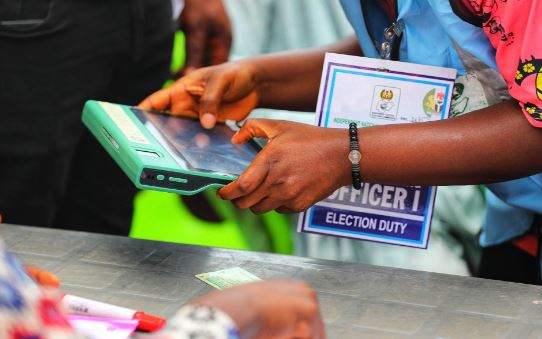
The Independent National Electoral Commission has scheduled a nationwide mock accreditation and election result upload exercise for Saturday, November 28, 2026, as part of efforts to assess its technological readiness ahead of the 2027 general elections.
The exercise, which will run from 8:30 am to 2:30 pm, is expected to cover 17,676 polling units across the country, with registered voters in the selected locations invited to participate.
INEC announced the exercise in a statement published on its official X account on Friday, explaining that the initiative would enable it to evaluate the performance of its election technologies and operational procedures before the next general elections.
Here are six important details about the planned exercise.
1. When and where will the exercise take place?
The mock accreditation and result upload exercise will hold on Saturday, November 28, between 8:30 am and 2:30 pm.
According to the commission, the exercise will cover 17,676 polling units spread across Nigeria’s 8,838 Registration Areas, with two polling units selected from each Registration Area.
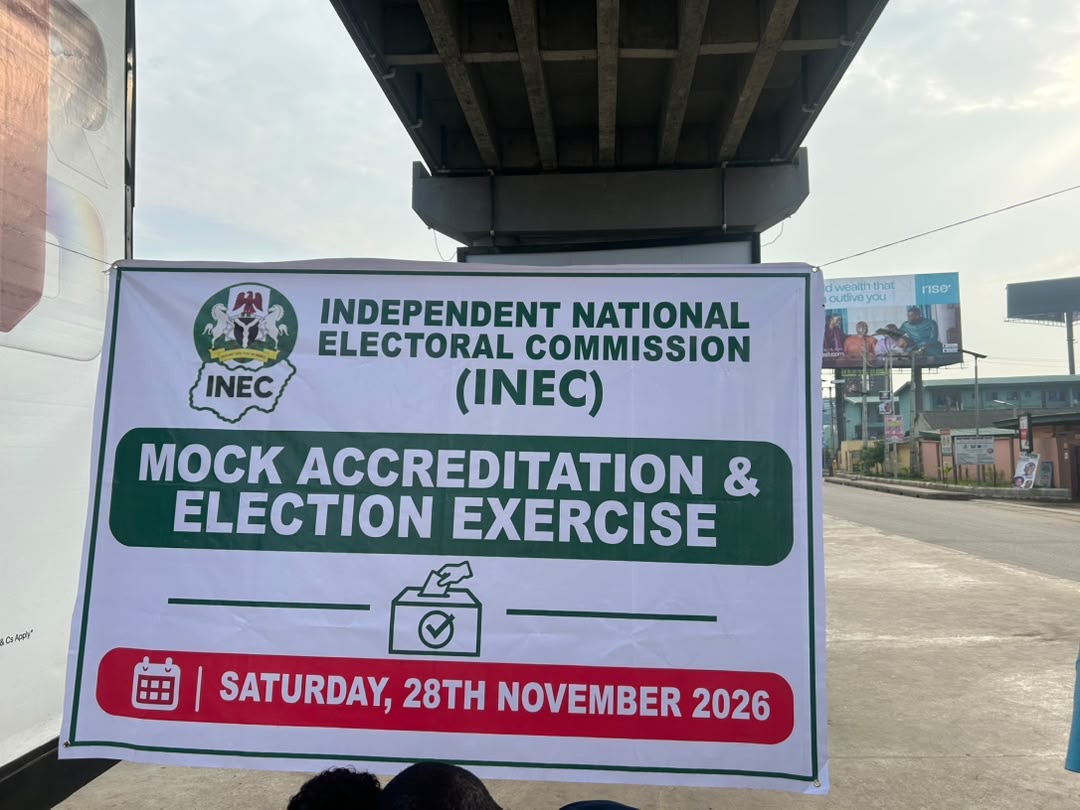
The nationwide arrangement is intended to provide an opportunity to assess the commission’s preparations across different locations.
2. What will INEC test during the exercise?
The exercise will focus on the functionality of the Bimodal Voter Accreditation System, commonly known as BVAS, alongside other technological equipment deployed for elections.
INEC will also examine its procedures for uploading election results and monitoring their availability through the INEC Result Viewing Portal, popularly called IReV.
Explaining the purpose of the exercise, the commission stated, “As part of preparations for the 2027 General Election, the Independent National Electoral Commission (INEC) will conduct a mock exercise to test the functionality of its election technologies and operational procedures.”
The assessment is expected to provide an opportunity to identify possible technical or operational challenges before the 2027 polls.
3. Who is expected to participate?
Registered voters whose polling units have been selected for the exercise are expected to take part in the mock accreditation.
INEC specifically stated, “Registered voters in the selected polling units are expected to participate in the mock exercise.”
The commission has encouraged eligible voters to establish whether their polling units are included in the exercise and make themselves available to participate.
Their involvement will enable INEC to assess the accreditation process under simulated election conditions.
4. How can voters identify selected polling units?
Registered voters can confirm whether their polling units are among those selected by consulting the list published by the commission.
The document is available through INEC’s website at inecnigeria.org/documents/uplo…
Voters seeking additional information or clarification can contact the commission through its toll-free telephone line, 0700-2255-4632, or the numbers 09050858629, 09050858675 and 09084444333.
Other enquiry channels provided by INEC include the short code 4632 and the email address iccc@inec.gov.ng.
5. How will the simulated election results be monitored?
Another major component of the exercise is the testing of the process through which election results are uploaded and accessed electronically.
INEC said, “As part of the mock exercise, INEC will test the process of uploading and viewing simulated election results on the INEC Result Viewing Portal (IReV).”
Members of the public will be able to follow the simulated results through the commission’s IReV platform at irev.inecnigeria.org.
The exercise will therefore provide an opportunity to assess the process of transmitting and displaying results for public viewing.
6. Why is the exercise important ahead of 2027?
The mock exercise forms part of INEC’s preparations for the 2027 general elections, particularly its efforts to evaluate the reliability of the technology and procedures that will support the electoral process.
Testing BVAS accreditation, result uploads and the IReV platform before the elections could help the commission identify areas requiring attention and make necessary adjustments.
The assessment is also intended to establish how effectively its personnel, equipment and operational arrangements can function during an election.
With the exercise scheduled across 17,676 polling units, its outcome will provide INEC with an opportunity to evaluate its preparedness before the 2027 general elections.