



- Fuel costs surged post-subsidy, pushing households to spend over 40% more on generator usage, NBS data shows.
- SMEs face reduced operating hours due to high energy costs, increasing unemployment and inflationary pressure.
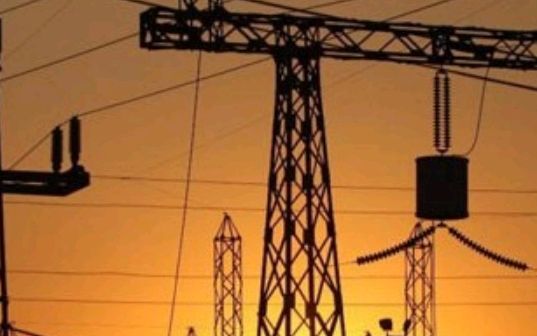
Nigeria’s persistent electricity grid failures continue to exacerbate the country’s rising cost of living, affecting households, businesses, and national productivity.
Despite policy efforts and reforms, the structural weaknesses of the power sector remain entrenched.
Recent developments, including the implementation of a new electricity tariff band system and ministerial interventions, highlight the complex challenges facing Nigeria’s energy landscape.
In April 2024, the Nigerian Electricity Regulatory Commission (NERC) approved a new electricity tariff hike for customers in Band A.
Under the Multi-Year Tariff Order (MYTO), Band A customers are expected to receive 20 hours of electricity supply daily.
As part of the revision, the tariff for Band A users rose from N68 to N225 per kilowatt-hour.
However, power supply has remained inconsistent even within this category, raising questions about the implementation and monitoring of service-based tariffs.
Electricity consumers in Bands B to E, who receive fewer hours of power supply (from 16 hours to less than 4), have not seen a comparable increase in tariffs, though they still rely heavily on self-generation due to unreliable supply.
The band classification system was introduced to align pricing with service delivery, but its uneven execution has led to varying levels of service across regions.
Under the administration of President Bola Ahmed Tinubu, the Ministry of Power has seen renewed attention.
Adebayo Adelabu, appointed Minister of Power in 2023, has initiated several strategies aimed at stabilizing the national grid and attracting investment into the sector.
Minister Adelabu has emphasized grid decentralization, improved metering, and transition to renewable energy as part of a broader energy reform plan.
He has also engaged stakeholders, including the World Bank and private sector players, in discussions on power sector recovery and sustainability.
However, despite these initiatives, Nigeria’s grid continues to experience frequent collapses — in 2024 alone, there were multiple national grid failures, each causing widespread blackouts and economic disruption.
These events have raised concerns about the resilience and responsiveness of Nigeria’s electricity infrastructure.
Power supply challenges significantly increase the operational costs of households and enterprises.
The reliance on petrol and diesel generators has intensified, particularly among lower-band users and off-grid communities.
Following the removal of fuel subsidies in 2023, fuel prices surged, making generator use increasingly expensive.
According to the National Bureau of Statistics (NBS), household energy expenditure has risen by more than 40% between Q1 2023 and Q1 2025.
Small and medium enterprises (SMEs), which form the backbone of Nigeria’s informal economy, face high overhead costs due to unreliable electricity.
Manufacturing firms, food processors, and service providers frequently operate below capacity, pass additional costs to consumers, or shut down temporarily.
This has contributed to inflation, which reached 33.69% in March 2025, with food inflation at a record 40.53%, driven in part by energy-related supply chain disruptions.
Public institutions, particularly healthcare facilities and educational centers, are adversely affected by grid instability.
Hospitals report increased costs of maintaining critical equipment, while schools in rural and semi-urban areas struggle with limited access to electricity for lighting, teaching aids, and digital tools.
Water supply infrastructure, often dependent on electric-powered pumping systems, also experiences service interruptions.
The result is decreased access to clean water, compounding public health challenges in vulnerable communities.
In response to the sector’s challenges, several programs have been launched. The Presidential Power Initiative (PPI), in partnership with Siemens AG, targets the upgrade of transmission and distribution networks.
Additionally, the Electricity Act 2023 grants states the legal framework to generate and distribute electricity within their territories.
Lagos, Edo, and Kaduna states have already initiated independent power projects under this framework.
The Nigerian government is also expanding rural electrification through the Rural Electrification Agency (REA), which focuses on deploying mini-grids and solar home systems.
However, these efforts remain in the early phases and have yet to significantly reduce dependence on the fragile national grid.
Nigeria’s power grid failures are not only a technical issue but a major contributor to the country’s worsening cost of living crisis.
While recent reforms and policy shifts—including the introduction of the tariff band system and decentralized power generation laws—represent structural attempts at improvement, the implementation gaps and continued grid instability underline the scale of the problem.
Without sustained investment, infrastructure upgrades, and policy enforcement, the burden of electricity failure will continue to strain households and hamper economic recovery.
Discussion about this post