



- This accounts, especially personal narration of events in books, are mostly smeared by the brushstrokes of bias and subjectivity. Lamido himself was indicted in a plot to ensure that the election did not stand.
In Nigeria, there is a saying that if you want to know about the jarring and unpleasant past of your family and progenitors, you should join politics. In politics, everyone is a fair game, no matter your influence or clout. No convention or norm is too sacred to be desecrated, no character or personality is too revered to be above reproach. No historical happening is beyond revisionism. In politics, as it is in love and war, all is fair.
President Bola Tinubu has been the subject of discourse on social media in the last couple of days. But this time around, the conversation is not about the president’s performance and actions, but what he did before he became president. The accounts of what happened before and after the June 12, 1993, presidential election in Nigeria are as many and divergent as the horde of political players involved in what many now believe is one of the darkest chapters of Nigeria’s checkered history.
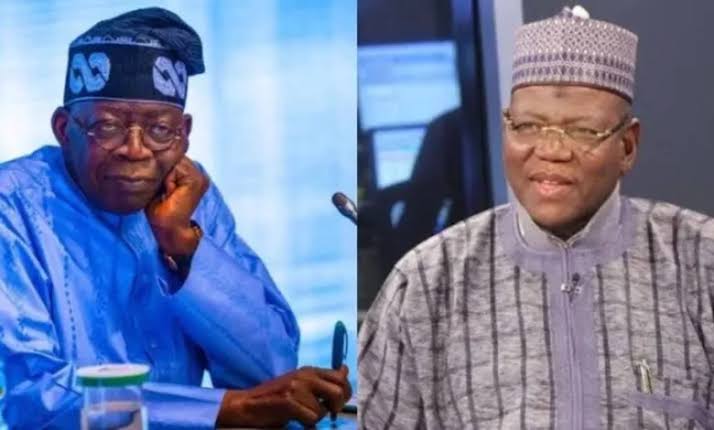
One of the people who has featured prominently in many of the accounts of what unfolded in the truncated third republic is President Tinubu. As with many aspects of his life, Tinubu’s involvement in certain events during the short-lived Third Republic has been the target of extensive public scrutiny. Last weekend, former governor of Jigawa State, Sule Lamido, disclosed that Tinubu’s much-touted democratic credentials and his participation in the June 12 struggle for a return to civilian government are questionable as they are either exaggerated or fabricated.
Lamido alleged that President Bola Tinubu supported the annulment of the June 12, 1993, presidential election and was not part of the early pro-democracy resistance that followed.
Speaking during an interview on Arise Television on Saturday, Lamido said Tinubu, who was a senator under the Social Democratic Party during the election, was “a major supporter” of former military ruler, General Ibrahim Babangida, who annulled the poll. Luckily, we were all alive. We were all there and participants in that affair of political history. I was in the middle of it.
“Tinubu became relevant and noticeable after Abacha took over the government,” Lamido said.
“With all respect to him, he was part of those people who supported Babangida’s annulment of June 12. He was part of them. His own mother, Haija Mogaji from Lagos, organised the Lagos market women to Abuja to support Babangida. I’m saying this because it is history. I mean no harm or disrespect.”
Lamido added that he found Tinubu’s public remarks and posturing about his role in the democratic struggle unconvincing.
“I feel highly entertained by Tinubu’s rhetoric. The way he is dramatising his own role in Nigerian democracy. He was actively hand-in-glove with Babangida.
In its reaction, the presidency described Lamido’s claim as a distortion of history and a regrettable attempt at revisionism.
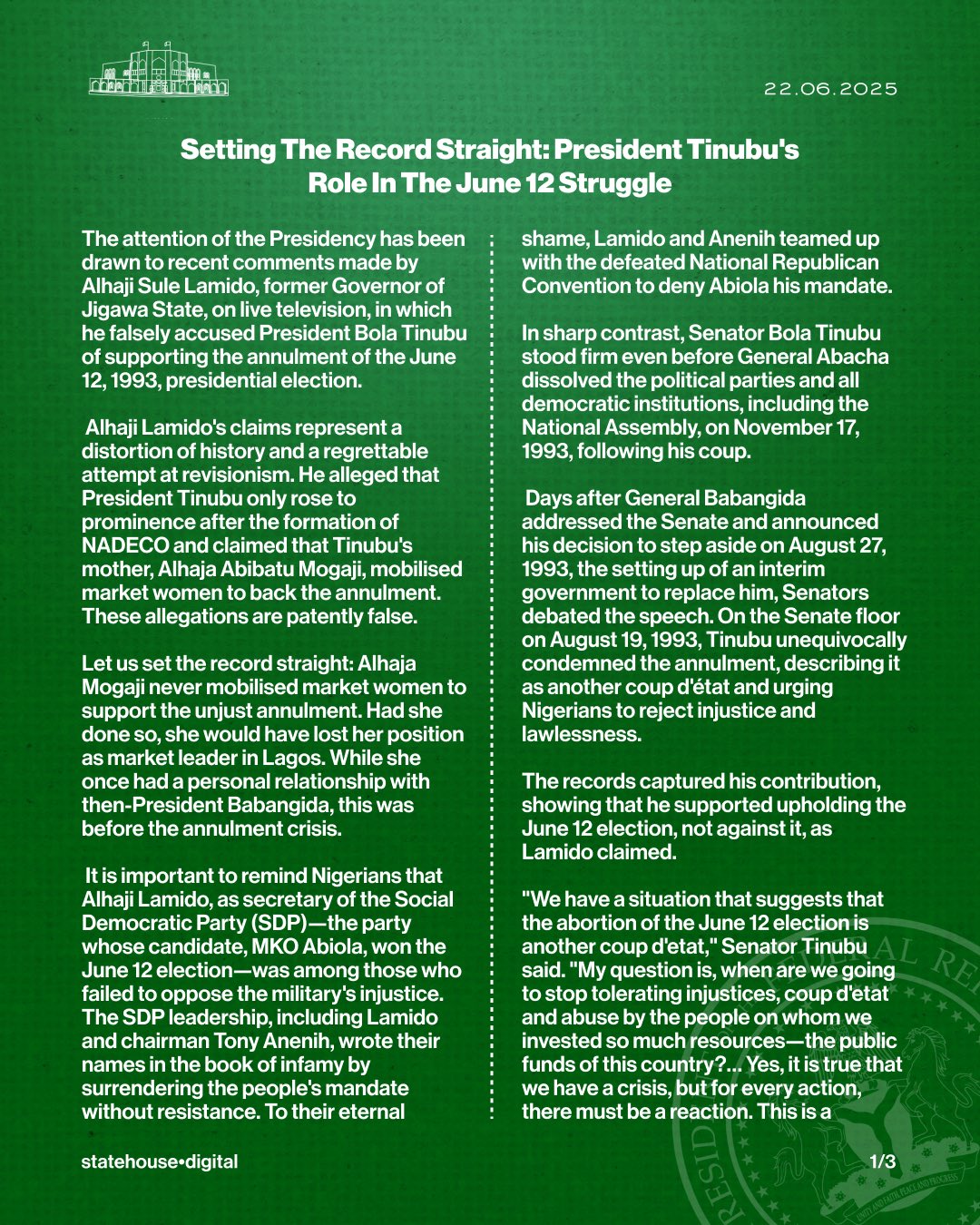
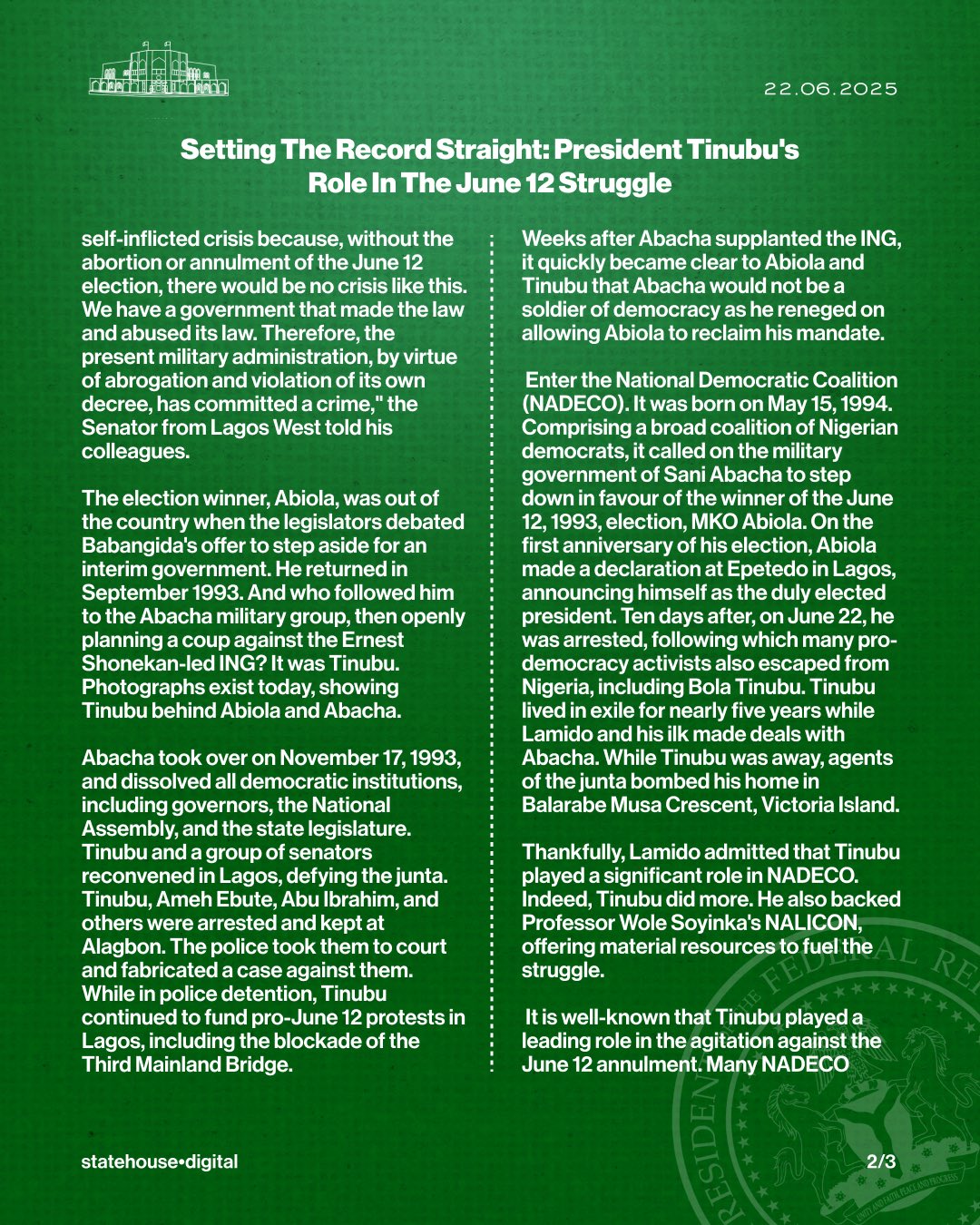
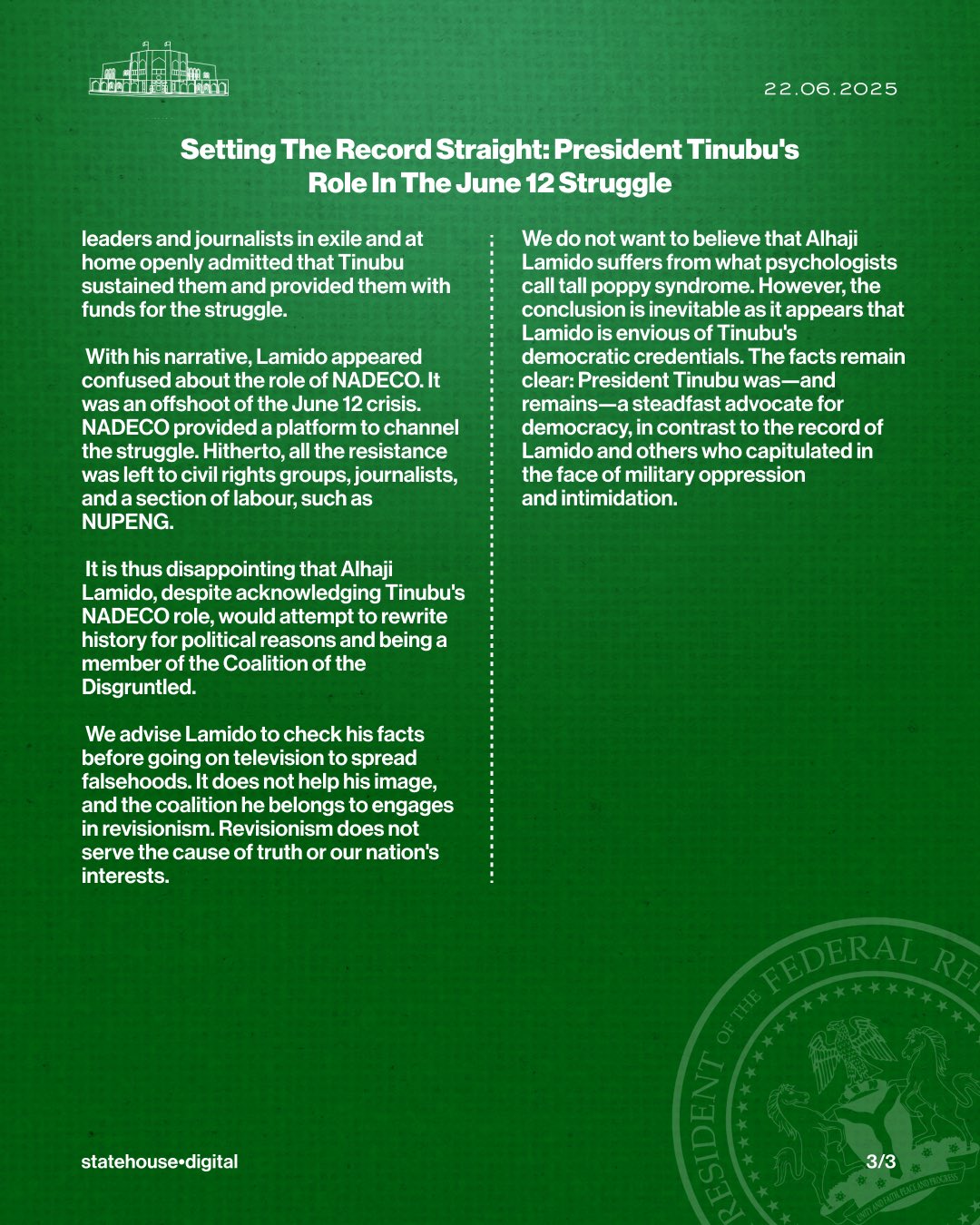
Is Lamido’s revelation a political gambit to undermine Tinubu or the true account of events?
The former governor of Jigawa is hardly in the news and this makes his recent statement regarding Tinubu’s role in the June 12 struggle all the more controversial. While many Tinubu’s supporters have claimed his account of what transpired before, during and after the annulled June 12 election is part of plot by opposition to tarnish Tinubu’s image discredit his contributions to the nations democracy, his traducers and detractors have seized the moment and leveraged Lamido’s revelation to corroborate existing public information about the shady and questionable past of Tinubu.
There is a question of truism and then a concern about the timing of Lamido’s revelation. Some may argue that the timing of his account of events that characterised June 12 has nothing to do with the substance of his claim but the hit the reputation of Tinubu will take from the revelation. Moreover, in politics, you keep your most potent weapon for the homestretch.
However, there are many other accounts of what transpired from the nominal and main players in the political upheaval at the time, which either support or contradict the assertion of Lamido.
Tales from those who lived through the times
Nigerian writer and historian, Max Sollium, in his book, “Nigeria’s Soldiers of Fortune: The Abacha and Obasanjo Years.” chronicled how Tinubu and his ‘mother’, Alhaja Abibatu Mogaji, pleaded with Babangida not to reverse the annulment of the election.
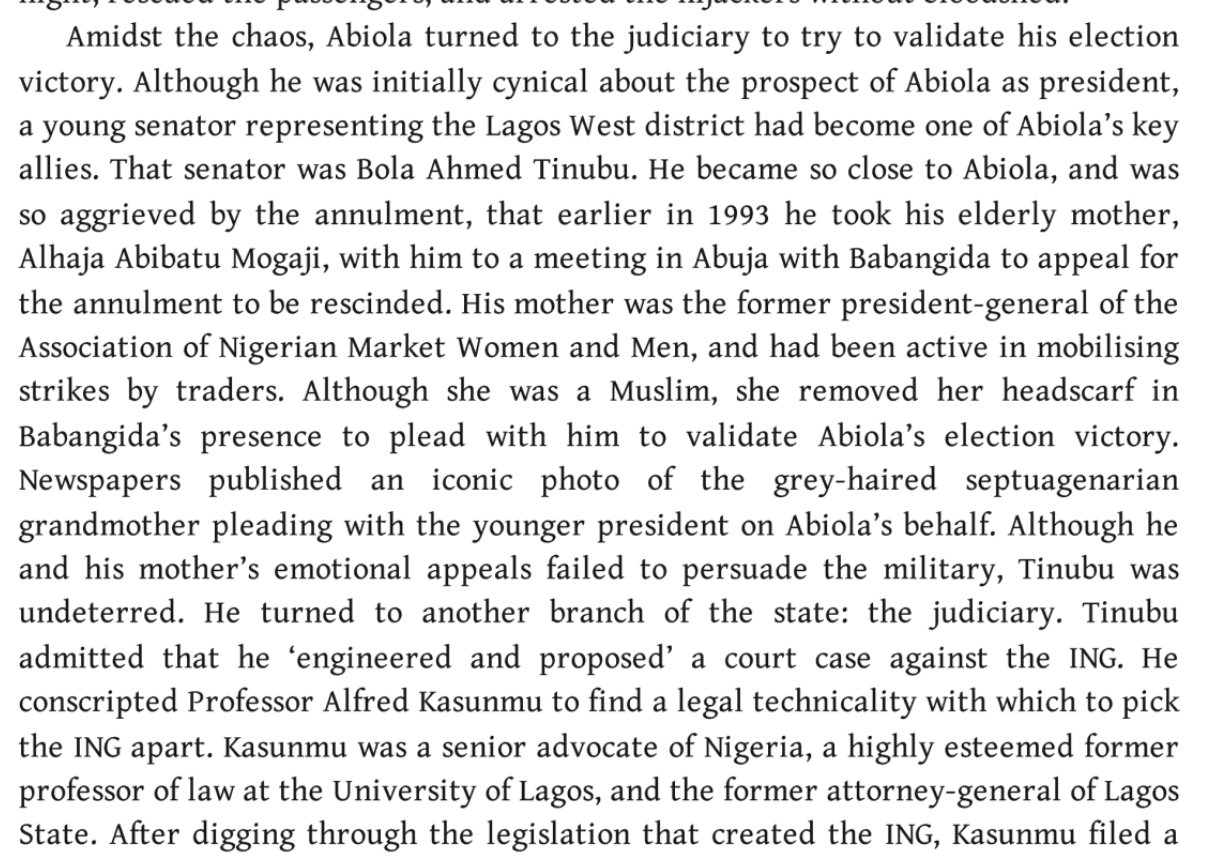
Former Kaduna State Senator, Shehu Sani, seems to share the position of Lamido on the role of certain characters in the June 12 struggle. In two separate posts on Twitter, one from 2019 and the other from February this year, he stated that many things that are shrouded in secrecy will become known to the public if Lamido decides to write a book on June 12.
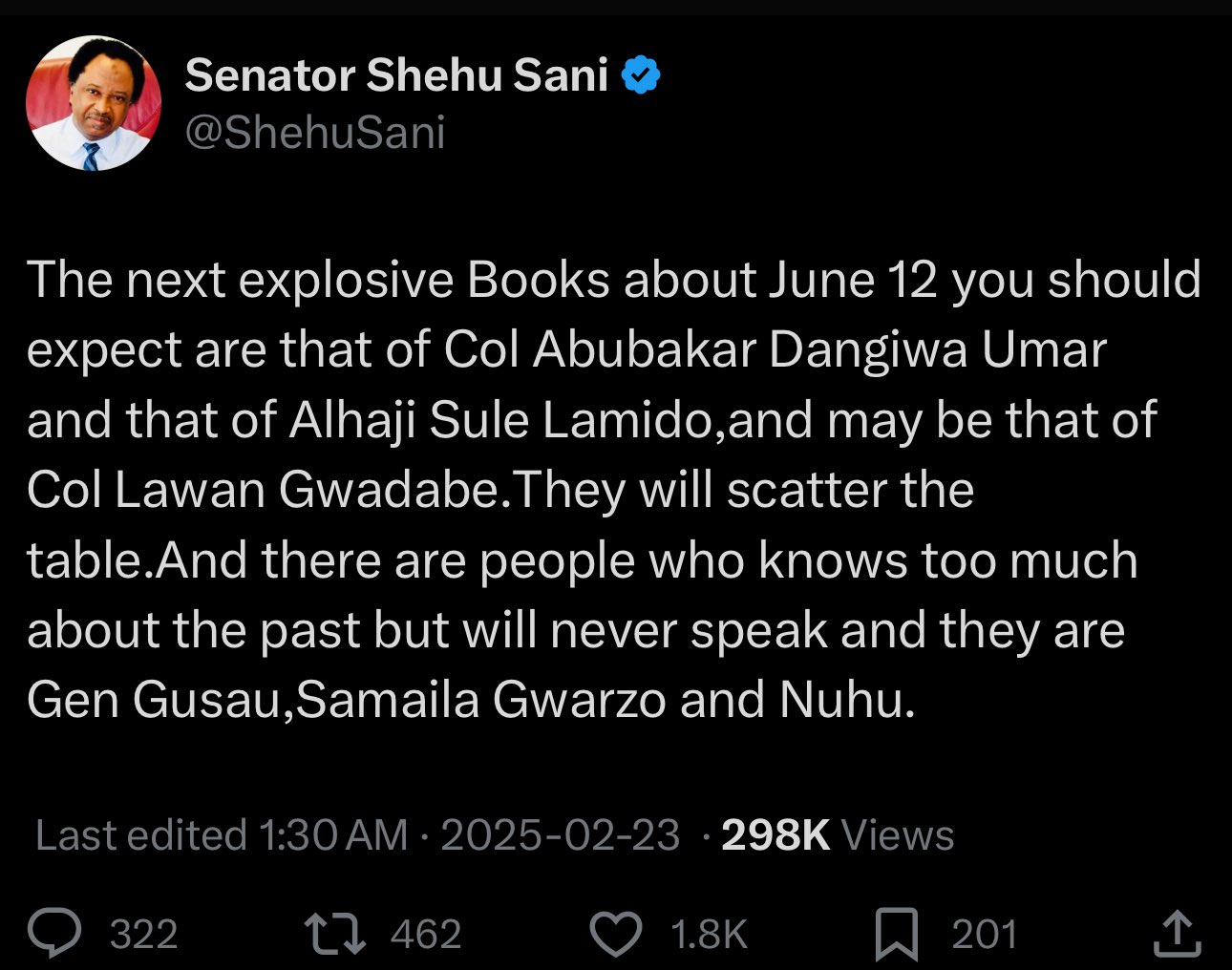
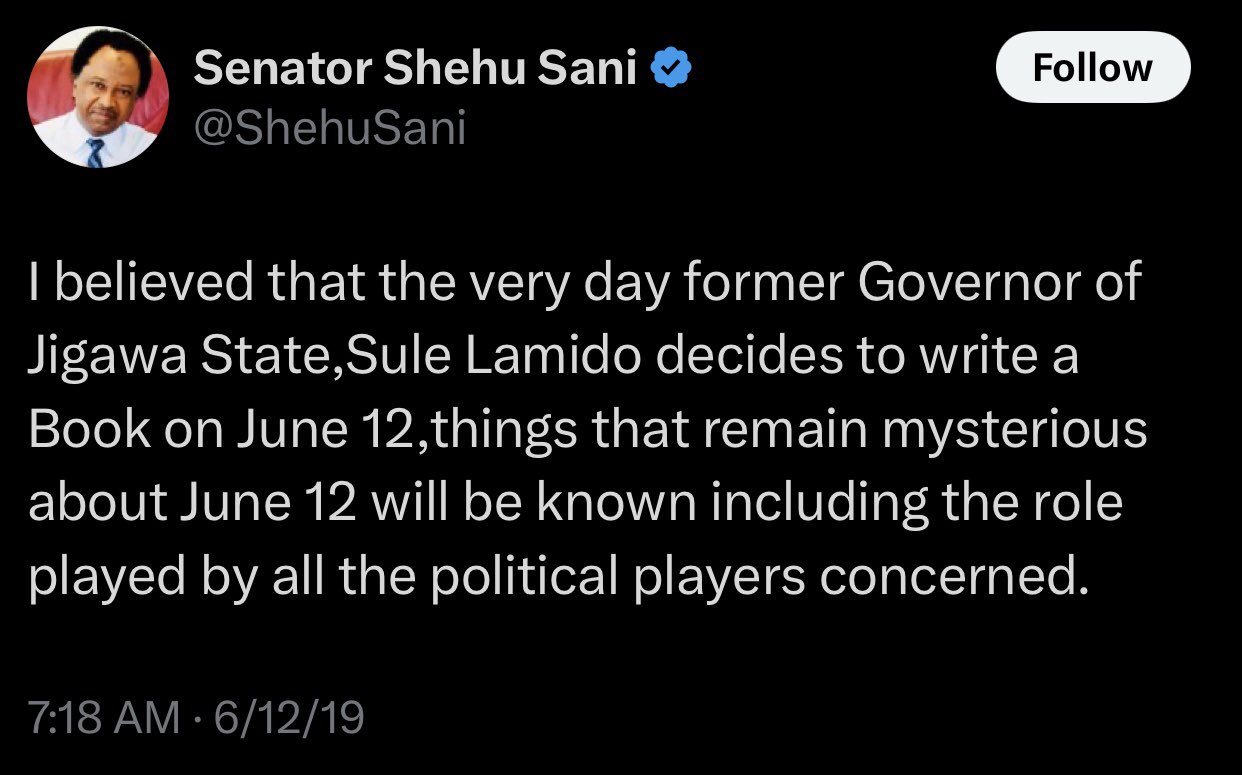
Also, reactions have continued to trail Lamido’s statement. Tinubu’s supporters and his traducers have been having a go at each other as they engage in virtual confrontation to establish the authenticity or otherwise of the revelation.
Final thoughts
There is a plethora of accounts of the series of events that characterised the aftermath of the June 12 presidential election. From newspaper reports at the time to books written by major players involved in the entire imbroglio.
This accounts, especially personal narration of events in books, are mostly smeared by the brushstrokes of bias and subjectivity. Lamido himself was indicted in a plot to ensure that the election did not stand.
The controversy surrounding Lamido’s disclosure and the concomitant excoriation of Tinubu largely stems from the fact that Tinubu’s personal life has been a subject of controversy and legal dispute aimed at establishing his true identity and his role in Nigeria’s democratic journey.
Discussion about this post