


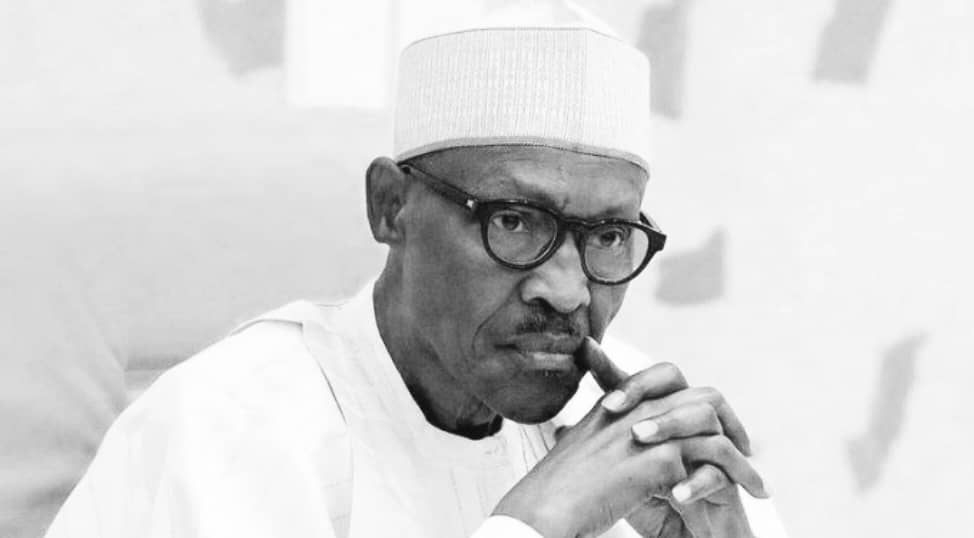

- Buhari died on Sunday, July 13, in a clinic in London, following a prolonged illness.
- Outlined below are 10 facts about the life and legacy of former president Muhammadu Buhari.
Muhammadu Buhari, former head of state and ex-president of Nigeria, died on July 13, 2025, at a hospital in London. He was 82.
Born on December 17, 1942, in Daura, Katsina state, Buhari was the son of Adamu and Zulaiha Buhari.
He grew up in a devout Muslim household, part of the Fulani ethnic group.
He joined the Nigerian military as a young man, rising through the ranks to become a major general.
His military career culminated in 1983 when he seized power in a coup that ousted President Shehu Shagari
After taking power in a military coup in 1983, Buhari ruled Nigeria from Dodan Barracks, the country’s seat of military leadership in Ikoyi, Lagos.
From that stronghold, he launched sweeping campaigns like the War Against Indiscipline, which sought to reshape the behaviour of Nigerians through firm — sometimes harsh — enforcement
Here are 10 key facts about the late former president:
1. Daura-born, Fulani and devout Muslim
Muhammadu Buhari was born on December 17, 1942, in Daura, Katsina state, to Adamu and Zulaiha Buhari.
He hailed from the Fulani ethnic group and practised Islam throughout his life.
2. Rose to power through a military coup
Buhari, a major general in the Nigerian army, emerged as head of state on December 31, 1983, after overthrowing the civilian government.
He held the position until August 27, 1985, when he was deposed by Ibrahim Babangida.
3. Tasked with managing oil funds under Abacha
In 1994, the Sani Abacha regime appointed him as executive chairman of the Petroleum Trust Fund (PTF), a role that placed him in charge of managing billions in oil revenue for infrastructure projects.
4. Won presidency after three failed attempts
Buhari contested presidential elections in 2003, 2007 and 2011 without success.
In 2015, he ran under the All Progressives Congress (APC) and defeated incumbent president Goodluck Jonathan.
He secured a second term in 2019.
5. Chose anti-corruption as signature agenda
Buhari’s government pursued high-profile corruption cases and created new anti-graft policies.
Critics, however, often described the campaign as lopsided and selective.
6. Health issues triggered long UK medical trips
While in office, Buhari spent extended periods in the UK for medical care, especially in 2017 when he was away for over 100 days.
The presidency offered little detail, raising concerns about transparency.
7. Family man, but fiercely private
Buhari was married to Aisha Buhari and had several children.
Despite his position, he kept a low personal profile and rarely opened up about his private life.
8. Mixed economic legacy: bold reforms, deep hardship
He introduced policies like the Anchor Borrowers’ Programme to support farmers and enforced a land border closure to boost local goods.
Yet, his administration faced criticism over rising inflation, two recessions, and widespread joblessness.
9. War Against Indiscipline: firm but controversial
As military ruler in the 1980s, Buhari launched the War Against Indiscipline (WAI), a campaign to restore social order.
The programme was known for its rigid enforcement by security forces.
10. Divided legacy: infrastructure gains, insecurity woes
While his government recorded progress in road construction and rail transport, Nigerians endured rising insecurity, poverty, and economic stagnation.
Discussion about this post