



Such a judgment will gravely further tarnish its reputation and finally confirm what many have long believed: that the judiciary has been hijacked by perverse elements and is now under the thumb of power-hungry and money-seeking politicians who use it to actualise their nefarious actions.
The events of the last six months in Rivers State have ensconced our judiciary in infamy. For years now, the Nigerian judiciary has suffered a severe crisis of confidence as citizens cast doubts on its ability to live up to its reputation as the last hope of the common man. The judiciary has turned logic on its head for politicians, interpreting constitutional provisions not according to the letter of the law but the whims of influential and powerful members of society. In March, President Bola Tinubu unilaterally declared a state of emergency in Rivers, suspended the governor of the oil-rich state and imposed a military sole administrator on the State.
All members of the state house of assembly were also suspended, effectively undermining democratic institutions and two of the three arms of government — the executive and the legislature — in the state. Expectedly, the emergency rule was dubiously ratified by the pliant lawmakers of the rubber-stamp national assembly despite not getting the quorum to approve the illegal proclamation of the president. Despite condemnation and outrage the president pressed on with the unconstitutional adventure.
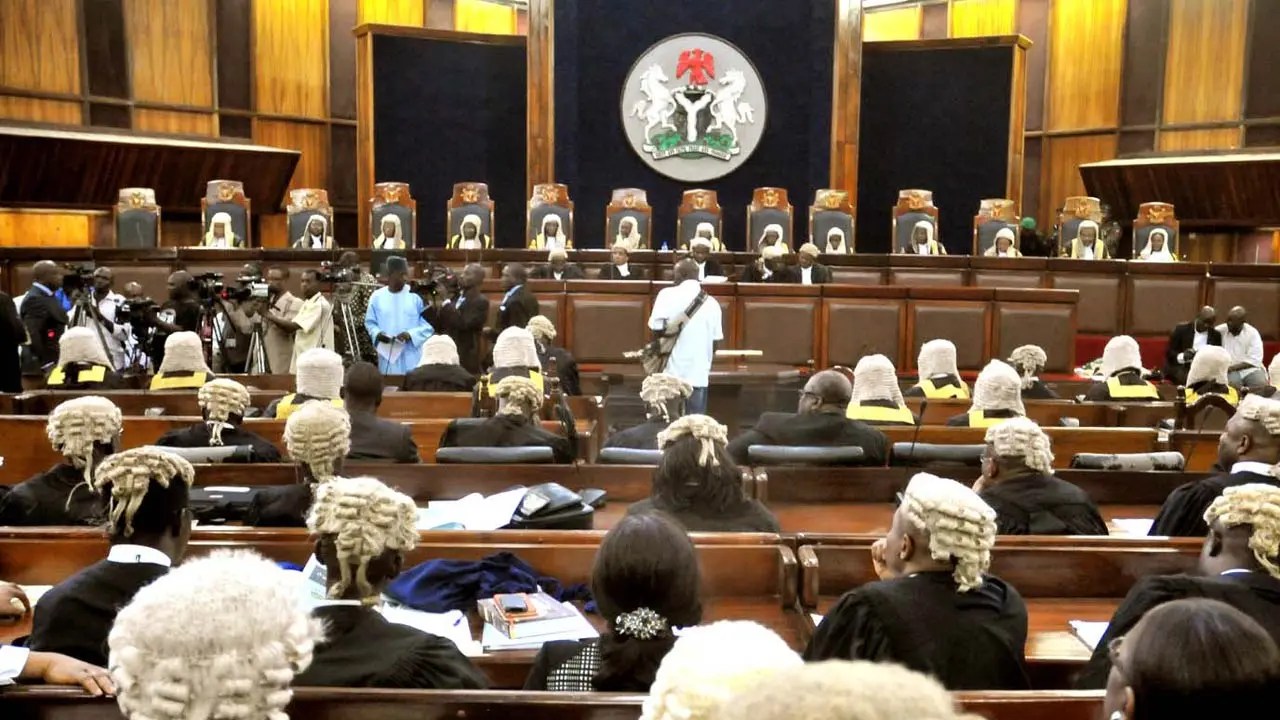
Miffed by the egregious disregard for the constitution and the rule of law, the outraged PDP governors decided to challenge the emergency rule in court. In April they filed a suit at the Supreme Court asking it to determine the legality of the emergency rule declared by the president. It is a naked fact that the Supreme Court has not exactly inspired confidence in recent years and the trust many people have in it is fast eroding with some of its questionable rulings and judgments. No one can really tell what gives the PDP governors the sense of certitude and belief that the apex court will hear their suit expeditiously and without prejudice and rule according to the provisions of the law which will definitely deem the president’s action illegal.
But days turned to weeks and weeks turned to months, and nothing has been heard of the suit. The apex Court refuses to hear or rule on one of the consequential cases in Nigeria’s history. Anyone who has closely watched the relationship between the three arms of government will not be too taken aback by the filibustering and foot-dragging of the court on the matter. The suit put the court in a difficult place. If it expediously heard the suit and declared that the emergency rule pronouncement in Rivers was illegal and against the law, the federal government would be the target of intense public opprobrium, and it would come under immense pressure that might force it to reverse the emergency rule and reinstate the governor and other democratic institutions it suspended.
If the government ignored the ruling of the court which declared its actions illegal and proceeded with the six-month emergency rule declaration, which is not something that anyone can put beyond this government, it would further lose credibility and support and many would begin to see it as a totalitarian regime that violates the constitution and scoffs at judicial pronouncement instead of democratic government that upholds the constitution and obey court rulings even when they are against it.
Conversely, if the Supreme Court ruled on the suit and declared the emergency rule proclamation by the federal government constitutional, it would destroy whatever is left of its credibility and vaunted independence. It will shatter any illusion of its sanctity and demystify its touted sacredness. Such a judgment will gravely further tarnish its reputation and finally confirm what many have long believed: that the judiciary has been hijacked by perverse elements and is now under the thumb of power-hungry and money-seeking politicians who use it to actualise their nefarious actions.
To avoid these uncomfortable occurrences and unpalatable situations, the Supreme Court chose to play it safe by not ruling on the matter at all and waiting it out. Now the emergency rule will end on Wednesday, the 18th of September, without the apex court determining the application of the PDP governors’ challenge to its constitutionality and legality. Now it can conveniently claim that it can’t hear the suit because it has been overtaken by other issues. The shenanigans of the court raise questions regarding the efficacy and potency of our jurisprudence. It not only undermines our democracy, but it also sends the wrong signal to outsiders and impedes our socio-economic growth because development and prosperity elude any nation without the rule of law. Its action only serves to substantiate claims that the judiciary is now firmly under the control of vicious and unscrupulous politicians.
Inimitable and widely revered justice Chukwudifu Oputa once quipped “If you are a Judge and you are corrupt, where do we go from here? Then everything has come to a halt. If the legislature is corrupt, you go to the judiciary for redress. If the executive is corrupt you go to the Judiciary for remedy. If the Judiciary itself is corrupt, where do you go from there?”
Discussion about this post