


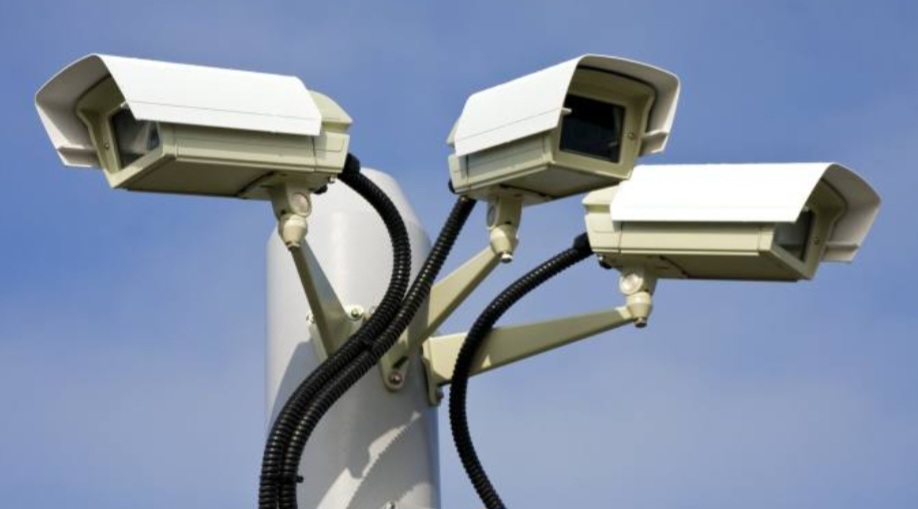

The increasing threat of crime in Nigeria has highlighted the need for improved surveillance and coordination across the country.
Closed-circuit television (CCTV) cameras, drones, and modern command centres are being considered as key tools to strengthen security and ensure rapid response to incidents.
CCTV installations can capture events in real time, providing evidence that can be used to identify suspects and solve crimes. They also serve as a deterrent, as potential offenders are aware they are being monitored.
Surveillance drones offer the ability to cover areas that are difficult for security personnel to access, including forests, highways, and remote communities. They can relay live footage to command centres for immediate assessment.
Command and control centres act as central hubs where data from multiple sources, including CCTV and drones, can be analysed to coordinate responses efficiently. They allow security teams to monitor large areas, deploy personnel quickly, and manage emergencies in a timely manner.
Despite these advantages, many parts of Nigeria remain under-monitored. Only a few states currently operate functional command centres, and drone usage is limited. This creates gaps that criminals exploit to operate freely.
Tactical Armoured Patrol Vehicles (TAPVs) can complement these technologies. They provide safe mobility for security personnel in high-risk areas while being resistant to attacks from firearms, mines, and improvised explosive devices.
Identity verification and tracking systems are also critical. By linking data from national databases and international agencies, authorities can identify individuals operating under false identities and prevent crimes before they occur.
Government programmes have made strides in recent years. The Nigeria Police Trust Fund has provided patrol vehicles, protective gear, and renovated police facilities. Training has been offered to thousands of officers in counter-terrorism, cybercrime, and negotiation skills.
Renovated police stations and pilot smart divisional stations in various states demonstrate progress. Buffalo patrol vehicles have been deployed on major highways to improve visibility and response times.
However, current efforts are not sufficient to match the scale of Nigeria’s security challenges. Expanding CCTV coverage, increasing drone deployment, and enhancing the capacity of command centres are necessary steps.
Integrating technology with local policing can improve efficiency. Local government authorities and divisional police stations can be empowered to manage security within their domains, backed by central coordination.
Public-private partnerships could also play a role. Installing cameras in markets, transport hubs, and ungoverned areas can increase coverage and provide additional intelligence.
CCTV, drones, and command centres also support preventive measures. By monitoring hotspots and predicting potential threats, security agencies can act before crimes occur, reducing losses and enhancing public confidence.
As criminal methods become more sophisticated, combining technology with trained personnel ensures a proactive approach. The integration of data, real-time monitoring, and rapid deployment creates a more resilient security network.
Investment in surveillance infrastructure is therefore crucial. Supporting local manufacturers of equipment and providing continuous training ensures that personnel can fully utilise these tools.
In conclusion, a comprehensive security network built on CCTV, drones, and command centres could reshape policing in Nigeria. While progress has been made, coordinated action across federal, state, and local levels is required to ensure safety for all citizens.
The future of security in Nigeria depends on the effective combination of technology, trained personnel, and community engagement. Only then can the gaps that allow crime to flourish be effectively closed.
Discussion about this post