


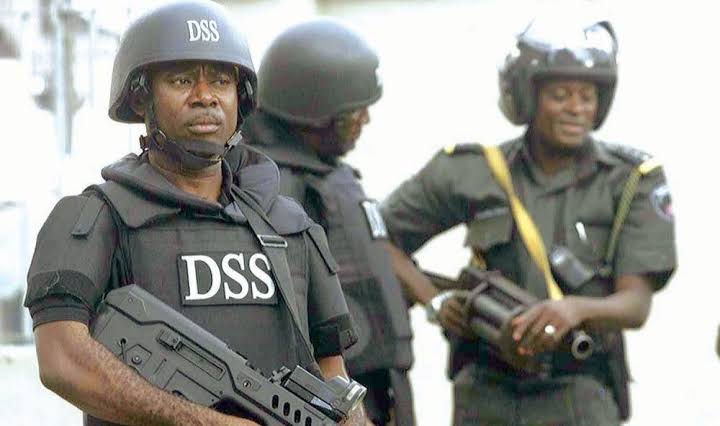

A security agency like the DSS is expected to be above board at all times and must carry itself in a manner that does not make it vulnerable to the antics and shenanigans of corrupt and unscrupulous politicians.
On Wednesday, the Department of State Security (DSS) announced that it had relieved 155 personnel of their duties. There is nothing unusual about this development. The secret police hire and fire their agents all the time. But the latest wave of dismissal is quite remarkable and different in its timing, manner and scale. While it is a common practice in the intelligence gathering world to sack agents, what is not commonplace is for the full identities of the fired agents, including their pictures, to be made public. This is due to the ultra-sensitive nature of their job and the information they have access to. The full disclosure of these disengaged agents has raised eyebrows among Nigerians.
The tasks of an intelligence agency anywhere in the world are delicate and enormous, their duties are onerous and immense, and their work is sensitive and critical to national security. These features and make-up of the organisation underscore the need for utmost privacy and secrecy in its operation and watertight anonymity for its agents. To then see the DSS splashing the photos and names of recently released personnel of the agency all over social media, for many, is an egregious violation of the most basic rule of an intelligence agency.
The timing of the decision also made the development all the more concerning and worrisome. It came at a time when the Nigerian government is working assiduously to show that it is doing everything to tackle insecurity in the country despite evidence to the contrary. On Saturday, Trump lashed out at the Nigerian government over the purported claim of insecurity in the country. His message was combative, menacing, threatening and unsettling. He described Nigeria as “a now disgraced country” and threatened an invasion of the country if the alleged persecution and killings of Christians in the country did not cease.
His stern and pugnacious remark sent the normally ambivalent and insouciant Tinubu’s government into overdrive, with government officials, appointees, and supporters working assiduously to either downplay the threat of military invasion of Nigeria by the United States as an empty bluff or outrightly dismiss the claim of genocide. The security agencies, including the DSS, are not left behind in this drive to create the impression that the assertions of Trump are baseless and unfounded and that the security agencies in the country are working to tackle Nigeria’s insecurity.
It was amidst this scramble to create a united front and show that the narrative being peddled by Trump is not the reality on the ground in Nigeria, that the DSS released the full identities of the sacked agents. The intention was obvious from the get-go and the objectives were clear from the onset. The identities of these operatives were not released as part of an elaborate inroads made in the fight against criminal elements in the country; it is a pure, calculated move at scoring cheap points and creating the impression of an intelligence agency that knows its onions. The decision to release these names becomes even more unsettling if the feelers we are getting now, that the affected officers were actually sacked months ago and not recently, are anything to go by. It shows that an intelligence agency that should be tactful, shrewd, astute, disciplined and circumspect has lost its way and has stepped into the filthy arena of politics as it uses its officers as expendable props to stave off attention of a foreign nation on its dealings.
The move to divulge the identities of these officers for propaganda and fleeting praise not only jeopardises their own safety but that of their families. It also portends serious danger for national security. The DSS going public with extremely sensitive information about its laid-off agents, who are apparently disgruntled, is a huge national security risk. With the right motivation and incentives, these ex-agents could get recruited by external and internal non-state actors. A security agency like the DSS is expected to be above board at all times and must carry itself in a manner that does not make it vulnerable to the antics and shenanigans of corrupt and unscrupulous politicians. The agency is too important and sensitive to national security and, therefore, should not become a willing tool of those who seek to place a personal agenda over national interest.
Discussion about this post