


Have you ever wondered who’s behind the world’s most popular search engine? As you navigate the vast digital landscape, you may find yourself curious about the ownership of tech giant Google. While the company’s name is synonymous with internet searches, its corporate structure and leadership have evolved significantly since its founding in 1998.
Understanding who owns and controls Google today requires unraveling a complex web of corporate entities, stock ownership, and executive roles. In this article, you’ll discover the current ownership structure of Google and gain insight into the key players shaping its future in the ever-changing tech industry.
The History of Google’s Ownership
Google’s ownership journey is a fascinating tale of innovation, growth, and corporate evolution. When you think about the Google owner now, it’s important to understand how we got here.
From Garage to Global Giant
Back in 1998, two Stanford Ph.D. students, Larry Page and Sergey Brin, founded Google in a Menlo Park garage. As the original Google owners, they steered the company through its early years, revolutionizing internet search.
Going Public and Restructuring
In 2004, Google went public, but Page and Brin maintained control through a dual-class stock structure. This allowed them to make long-term decisions without short-term market pressures.
A significant shift came in 2015 when Google restructured under a new parent company, Alphabet Inc. While this changed the corporate structure, it didn’t alter the fundamental ownership.
Today’s Ownership Landscape
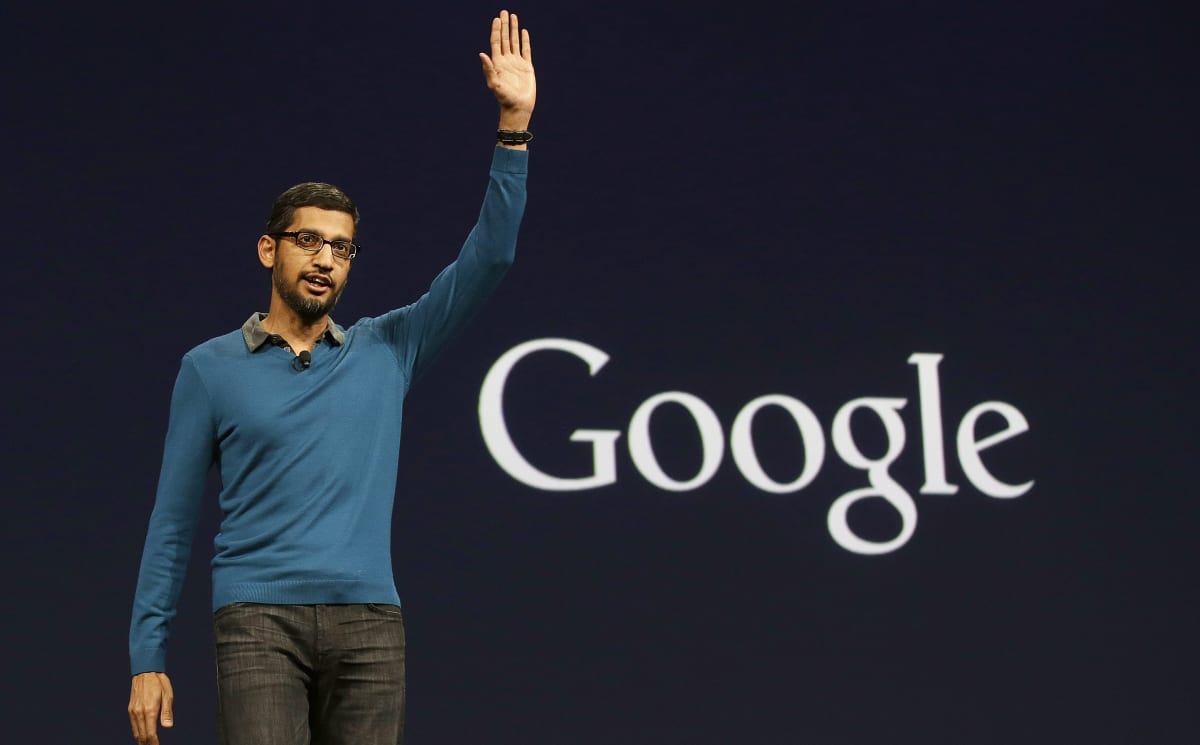
Today, the Google owner landscape is more complex. While Page and Brin have stepped back from day-to-day operations, they remain significant shareholders and board members. Sundar Pichai now serves as CEO of both Google and Alphabet, overseeing the company’s direction.
Public shareholders own a large portion of the company, but the founders’ super-voting shares ensure they still have a major say in Google’s future. This unique structure continues to shape the tech giant’s path forward.
Who is the Current Owner of Google?
As of 2025, Google’s ownership structure remains largely unchanged from its 2015 reorganization. Technically, Google is owned by Alphabet Inc., a holding company created to oversee Google and its various subsidiaries. This means that when we discuss the Google owner, we’re really talking about who controls Alphabet.
While Alphabet is a publicly traded company, its founders retain significant influence. Larry Page and Sergey Brin, Google’s original creators, still hold substantial voting power through their special class of shares. However, they’ve stepped back from day-to-day operations.
The current CEO of Alphabet (and by extension, the most visible face of Google’s ownership) is Sundar Pichai. He assumed this role in December 2019, adding to his existing position as Google’s CEO. Pichai’s leadership has been marked by a focus on artificial intelligence and cloud computing.
It’s important to note that as a public company, Alphabet (and thus Google) is also owned by its shareholders. Institutional investors and mutual funds hold significant portions of the company’s stock, giving them a degree of influence over Google’s direction. However, the dual-class share structure ensures that Page, Brin, and other early investors maintain control over major decisions.
Alphabet Inc.: Google’s Parent Company
In 2015, Google underwent a major restructuring, giving birth to a new parent company: Alphabet Inc.
Alphabet was created to streamline Google’s diverse portfolio of companies and projects. As the Google owner, Alphabet oversees not just the search engine giant, but also a variety of other innovative ventures. This structure allows each company under the Alphabet umbrella to operate with more autonomy and focus.
While Google remains Alphabet’s largest and most profitable subsidiary, the parent company has its fingers in many pies. From self-driving cars (Waymo) to life sciences research (Verily), Alphabet is pushing the boundaries of technology and innovation. This diversification helps spread risk and opens up new avenues for growth beyond Google’s core search and advertising business.
Today, Sundar Pichai serves as the CEO of both Google and Alphabet, steering the ship of this tech powerhouse. Under Alphabet’s structure, the company continues to invest in moonshot projects and cutting-edge technologies, always with an eye on shaping the future of the digital world.
Key Figures in Google Ownership and Leadership
When you think about the Google owner, several key figures come to mind. Let’s dive into the lives and roles of these influential individuals who’ve shaped the tech giant.
Larry Page and Sergey Brin: The Founding Duo
These college buddies co-founded Google in 1998. Larry Page served as CEO until August 2001 when he stepped down in favor of Eric Schmidt, and then again from April 2011 until July 2015 when he became CEO of its newly formed parent organization Alphabet Inc. While Sergey Brin was president of Google’s parent company, Alphabet, until 2019. Both remain board members and controlling shareholders.
Sundar Pichai: The Current CEO
Taking the reins in 2015, Sundar Pichai has led Google through significant growth. He became CEO of Alphabet in 2019, overseeing Google’s expanding portfolio of companies.
Anat Ashkenazi: The Financial Wizard
As the Chief Financial Officer (CFO) of both Google and Alphabet since 2024, Anat Ashkenazi has played a crucial role in the company’s financial strategy and success. She replaced Ruth Porat, who served as CFO of both companies from 2015 to 2024. Porat is now the President and Chief Investment Officer of Alphabet and Google.
John Hennessy: The Board Chairman

A respected computer scientist and educator, John Hennessy has served as Alphabet’s board chairman since 2018, providing valuable guidance and oversight.
Prabhakar Raghavan: The Search and AI Leader
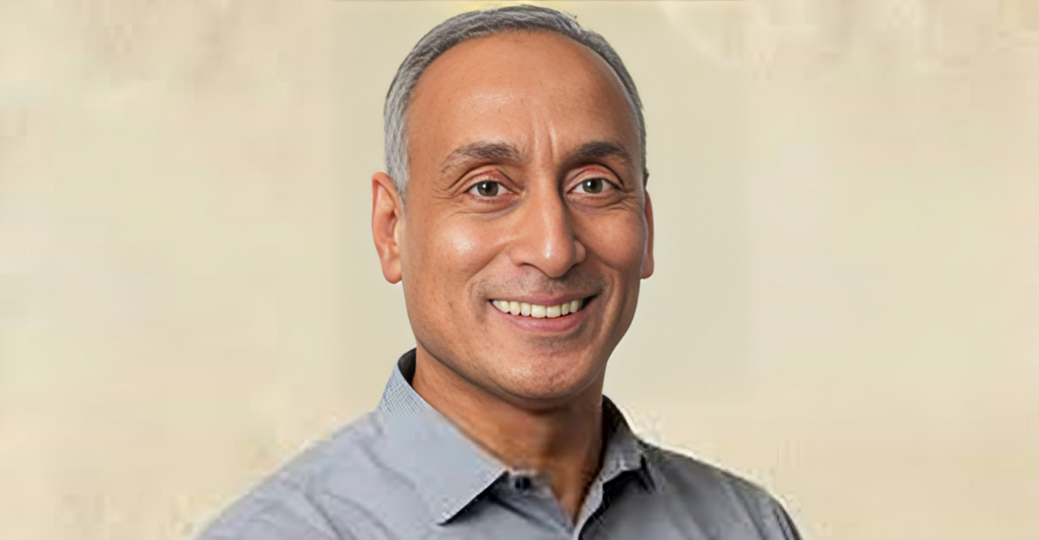
As Senior Vice President, Prabhakar Raghavan oversees Google’s core products, including Search, Maps, and Assistant, shaping the future of these essential services.
Google’s Founders: Larry Page and Sergey Brin
Larry Page and Sergey Brin. These tech visionaries co-founded Google in 1998, forever changing the way we access information online.
You might wonder how these two brilliant minds came together. Well, it all started at Stanford University, where Page and Brin met as Ph.D. students. They quickly bonded over their shared passion for organizing the world’s information and making it universally accessible.
Their breakthrough came with the development of PageRank, an algorithm that revolutionized web search by ranking pages based on their importance and relevance. This innovation became the foundation of Google’s search engine, propelling the company to unprecedented success.
Did you know that Google’s first “office” was actually a garage? That’s right! Page and Brin’s journey as Google owners began in Susan Wojcicki’s garage in Menlo Park, California. From these humble beginnings, they built an empire that would reshape the digital landscape.
Under their leadership, Google expanded beyond search, venturing into email, mobile operating systems, and even self-driving cars. Their innovative spirit and willingness to take risks have made Google one of the most valuable and influential companies in the world.
Frequently Asked Questions
These are some frequently asked questions and answers about Google owner.
Who is the current Google owner?
Google is owned by Alphabet Inc., a multinational technology conglomerate. Alphabet was created in 2015 as part of a corporate restructuring of Google. While Alphabet is the parent company and technical “Google owner,” the day-to-day operations of Google are still run by its own CEO and management team.
Who founded Google?
Google was founded by Larry Page and Sergey Brin in 1998 while they were Ph.D. students at Stanford University. They remained actively involved in the company’s leadership for many years, with Page serving as CEO until 2015 when Sundar Pichai took over.
Is Google publicly traded?
Yes, Google (now under Alphabet Inc.) is a publicly traded company. It first went public in 2004 under the ticker symbol GOOG. Today, Alphabet trades on the NASDAQ under two ticker symbols: GOOGL (Class A shares) and GOOG (Class C shares).
How does Alphabet’s ownership structure affect Google?
As the Google owner, Alphabet allows Google to focus on its core internet products while other ventures operate as separate entities under the Alphabet umbrella. This structure provides more transparency for investors and allows for greater autonomy among Alphabet’s various subsidiaries.
Conclusion
As you’ve learned, Google’s ownership structure is complex, with Alphabet Inc. serving as the parent company. While Larry Page and Sergey Brin remain influential as co-founders and major shareholders, Google is now a publicly traded company owned by its stockholders.
The current CEO, Sundar Pichai, leads both Google and Alphabet, shaping the company’s direction. Understanding Google’s ownership is crucial as the tech giant continues to impact our daily lives through its products and services. As Google evolves, staying informed about its leadership and corporate structure will help you better comprehend its decisions and their potential effects on technology, privacy, and innovation in the years to come.
Discussion about this post