

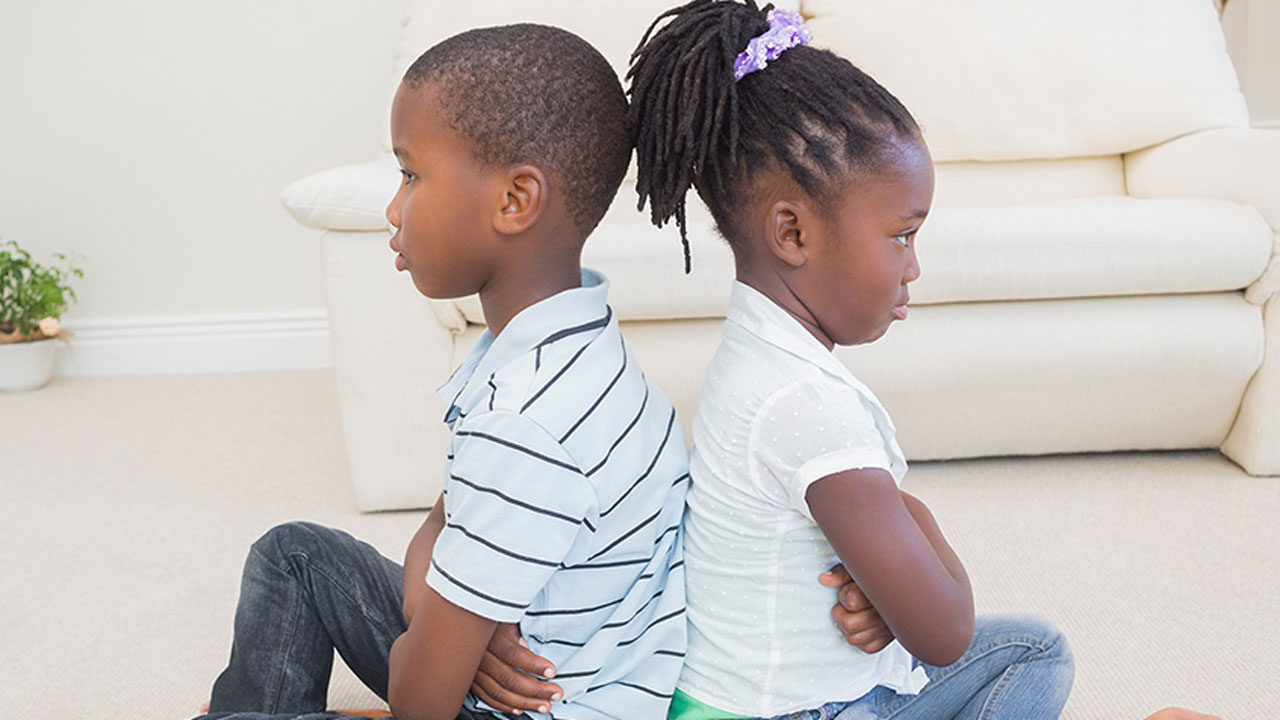
Sibling rivalry is common, affecting about 80% of siblings at some point. It can impact their relationship and well-being. Parents face challenges in managing sibling relationships, but the right strategies can help.
Research shows sibling conflicts often stem from wanting parental attention. About 30% of conflicts come from developmental differences. Sibling rivalry can cause emotional stress, affecting family dynamics, and contributes to 20-30% of adult family conflicts. Managing sibling rivalry is key to fostering harmony and teaching social skills.
Sibling Rivalry and Its Impact on Family Dynamics
Sibling rivalry is common in families, affecting about 80% of siblings during childhood. It can range from mild competition to intense conflict. This rivalry can affect not just the siblings but the whole family too.
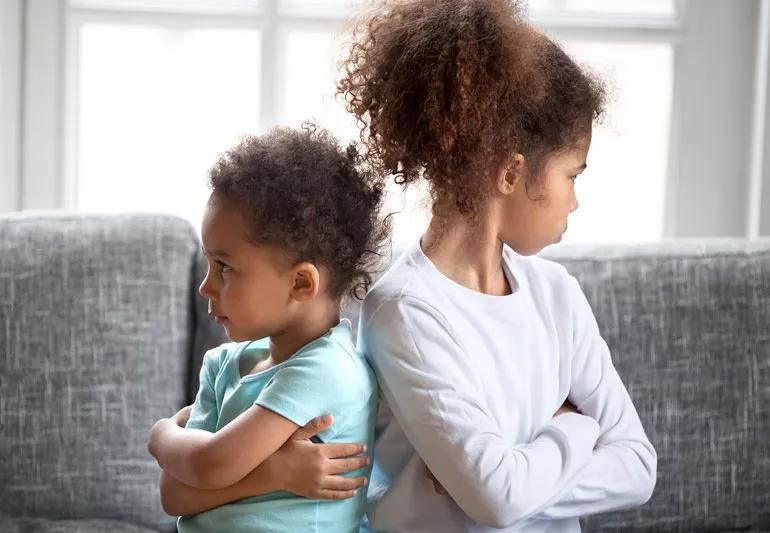

Studies show that sibling dynamics are key in shaping sibling relationships. Sibling jealousy often comes from feeling left out or treated unfairly.
What Defines Sibling Rivalry
Many things can cause sibling rivalry, like birth order, personality, and family atmosphere. Knowing these can help parents find ways to deal with it.
Common Manifestations in Different Age Groups
Sibling rivalry shows up in different ways at different ages. Younger siblings might feel jealous because they’re ignored. Older siblings might feel the need to be a role model.
Effects on Family Relationships
Sibling rivalry can strain family relationships. It can cause stress, negative feelings, and even mental health problems. But, parents can work towards a more loving family by understanding why it happens.
Root Causes Behind Sibling Competition
Sibling competition is a common issue in many families. It has caught the attention of many psychologists. Dr. Albers says it’s fueled by birth order, parental attention, and individual personalities.
Knowing why siblings compete helps parents find ways to manage it. Key factors include:
- Desire for parental attention and love
- Individual personalities and differences
- Birth order and its impact on sibling dynamics
- Parental favouritism and differential treatment
Parents can reduce rivalry by creating a fair and supportive home. Teaching kids how to resolve conflicts and encouraging positive interactions helps. This way, sibling competition can be lessened, making family life more loving and harmonious.
Parents should be proactive in addressing sibling competition. This helps kids develop good relationships with each other. It also makes the home environment more peaceful and loving.
| Factor | Description |
|---|---|
| Birth Order | Can shape sibling dynamics and rivalry, with first-born children often displaying feelings of superiority over younger siblings |
| Parental Attention | Desire for parental love and attention can fuel sibling competition and rivalry |
| Individual Personalities | Differences in personality can contribute to sibling competition and conflict |
Recognizing Warning Signs of Unhealthy Sibling Relationships
Unhealthy sibling relationships can harm a child’s emotional and mental health. Parents need to spot these signs early. This way, they can help manage and solve conflicts between siblings.
Sibling fights can show up in many ways. This includes physical fights, emotional issues, and changes in behavior. Parents need to watch for these signs to help their kids.
Look out for physical signs like aggression and violence. Also, emotional signs such as anxiety and depression are important. Behavioral changes, like withdrawal or acting out, can also signal trouble. Getting advice from experts can help parents create a better family atmosphere.
Physical Signs of Conflict
- Aggression and violence
- Destruction of property
- Physical altercations
Emotional Indicators
- Anxiety and depression
- Low self-esteem
- Emotional withdrawal
Behavioral Changes to Watch For
- Acting out or rebellious behavior
- Withdrawal from family activities
- Difficulty sleeping or eating
Parents can start fixing their family’s harmony by spotting these warning signs and getting advice. This reduces the long-term effects of sibling fights.
Age-Appropriate Strategies for Managing Sibling Conflict
Managing sibling relationships is key, and it’s all about understanding each child’s needs and stage of development. Anita Cleare says kids under four might struggle to see things from another’s point of view. This is where parents play a big role in helping them manage conflicts.
For younger kids, setting schedules and using timers for turns can help. Timers work for about 80% of young children regarding sharing. Older siblings can benefit from written contracts, cutting disputes by 60% if they agree on goals and expectations together.
Some effective strategies for handling sibling conflicts include:
- Encouraging open communication about individual roles in the family
- Engaging in shared family activities to enhance sibling bonds
- Providing positive reinforcement for good behavior, such as praising cooperative interactions
- Assigning responsibilities to older children to help them feel more confident and skilled in problem-solving
Parents can help their kids build strong, healthy relationships using these strategies. Effective parenting involves teaching kids how to solve conflicts and creating a supportive family atmosphere. This way, parents help their children grow and develop strong bonds with each other.
Creating a Fair and Supportive Home Environment
Creating a fair and supportive home is key for good sibling relationships. Clear rules, consistent boundaries, and space for each child help. This way, kids learn to get along well.
Studies show over 70% of parents deal with sibling rivalry. Doing things together can cut down on fights by 40%. Also, focusing on kindness can make siblings more cooperative by 50%.
Strategies for a Harmonious Home
- Spending quality time with kids, together and alone, helps them get along better.
- A family manifesto with shared values can unite everyone and reduce fights by up to 30%.
- Encouraging kids to look out for each other builds empathy and strengthens their bond.
By using these strategies, parents can make a supportive home. This helps kids develop important skills like problem-solving, empathy, and working together. These skills are essential for good sibling relationships and life in general.
| Strategy | Benefits |
|---|---|
| Cooperative tasks | Reduces bickering by 40% |
| Positive reinforcement | Increases observed acts of kindness by 50% |
| Quality time | Reduces competitive behaviors and enhances sibling relationships |
The Role of Parents in Addressing Sibling Rivalry
Parenting siblings can be tough, with sibling rivalry affecting many families. About 90% of families with more than one child face this issue. Parents are key in teaching good behavior, guiding, and encouraging talking.
Research shows that spending one-on-one time with a parent can cut sibling rivalry by 30%. Also, modeling positive conflict resolution can lower aggressive behavior by 50%. Teaching kids how to negotiate can shorten conflicts by 50%.
Here are some ways parents can tackle sibling rivalry:
- Give each child special time with you
- Encourage talking and listening
- Show how to solve problems peacefully
- Make and stick to family rules
Using these methods, parents can lessen sibling rivalry. This makes for a happier, more supportive family. Remember, parenting siblings needs patience, understanding, and the right approach. With effort, parents can help their kids get along well.
| Strategy | Effectiveness |
|---|---|
| One-on-one time with a parent | Reduces sibling rivalry by 30% |
| Modeling positive conflict resolution | Reduces aggressive behaviors by 50% |
| Teaching negotiation skills | Reduces conflict duration by 50% |
Teaching Conflict Resolution Skills to Children
Teaching kids how to solve conflicts is key to better sibling relationships. About 80% of families with more than one child face sibling rivalry. By teaching these skills, parents can help kids get along better.
Studies show that kids who learn conflict resolution skills can solve problems 50% better than those who don’t. Parents can teach them how to communicate, solve problems, and manage feelings. For instance, using “I” statements can reduce conflicts by 30%.
Effective Conflict Resolution Techniques
- Active listening exercises can improve a child’s listening skills by as much as 45%, fostering better understanding and resolution during conflicts.
- Role-playing scenarios in conflict resolution training can result in a 60% increase children’s ability to express their emotions appropriately during disagreements.
- Implementing empathy-based skills can help children develop healthy relationships in adulthood, with a 40% increase in positive relationships.
By teaching kids these skills, parents can make home life better. It leads to a more peaceful and supportive environment. Kids can then feel safe to share their feelings and solve problems respectfully.
Fostering Positive Sibling Relationships Through Activities
Doing activities together can make sibling bonds stronger. It’s all about planning fun family outings, teamwork, and letting each sibling shine. For example, playing sports or hobbies can create a sense of togetherness and respect.
Studies show that making siblings do things together can cut down on fights by 20%. Here are some activities that can help siblings get along better:
- Team sports, such as soccer or basketball
- Board games or puzzles that encourage teamwork
- Creative activities, such as art or music projects
When parents encourage siblings to work together, it builds a positive bond. This makes the whole family happier and more loving.
| Activity | Benefits for Sibling Relationships |
|---|---|
| Team sports | Encourages teamwork, mutual respect, and camaraderie |
| Board games or puzzles | Develops problem-solving skills, communication, and cooperation |
| Creative activities | Fosters self-expression, imagination, and bonding |
When to Seek Professional Help with Sibling Issues
Dealing with sibling rivalry can be tough. Sometimes, you might need professional help. Sibling conflict can start early, showing competitive feelings that affect family ties. Knowing when to seek help is key to better sibling relationships.
Children’s personalities play a big role in how they get along. Studies show kids with different personalities often fight more. About 70% of kids face sibling rivalry, and 60% of parents say their kids fight a lot over things like toys and attention.
Signs of Professional Intervention
- Severe conflicts that disrupt daily functioning
- Increased behavioral issues, such as externalizing behaviors
- Negative impact on a child’s self-esteem, with signs of emotional distress
Types of Available Support
Family therapy can help when sibling fights get too much. A skilled therapist can teach ways to handle rivalry. Also, using the right strategies at home can reduce fights by 40%.
Special Considerations for Blended Families
Blended families have their own set of challenges regarding sibling relationships. About 1 in 3 marriages in the U.S. involve a partner with kids from before. Almost 70% of these families deal with sibling rivalry.
It’s key to grasp the special dynamics in step-sibling relationships. This helps in managing these challenges.
Step-siblings often feel rivalry or jealousy about 50% of the time. Loyalty conflicts can cause emotional distress in nearly 60% of kids during family changes. Parents can use strategies to help siblings feel united and work together.
Building New Family Bonds
Creating new family bonds takes effort from everyone. Inclusive traditions and rituals can make families feel closer by about 30%. Family therapy can also reduce conflicts by around 50% in active families.
Some important things to think about for blended families include:
- Co-parenting challenges: About 40% of blended families struggle with co-parenting due to different parenting styles.
- Emotional distress: Kids in blended families might feel up to 30% more emotional stress than those in traditional families.
- Open communication: Over 60% of kids say they want their parents to talk more about their feelings in blended families.
Blended families can build strong sibling bonds by tackling these unique challenges and using good strategies. This leads to a better home environment. It also helps in parenting siblings and strengthens family ties.
Building Lasting Family Harmony Beyond Rivalry
To achieve lasting family harmony, focusing on positive sibling relationships is key. This means modeling good behavior, guiding, and encouraging open talks. By doing this, families can move from conflict to cooperation, creating strong bonds that last a lifetime.
Parents are very important in shaping how siblings get along. Showing empathy and teaching how to solve problems sets a good example. Holding family talks helps kids learn to manage conflicts. Also, one-on-one time with each child helps meet their needs and avoid feeling left out.
Getting siblings to work together on activities like game nights or volunteering can bring them closer. These shared moments help build understanding, respect, and teamwork skills. With effort and a focus on harmony, sibling rivalry can turn into lifelong friendships based on trust and love.
Discussion about this post