

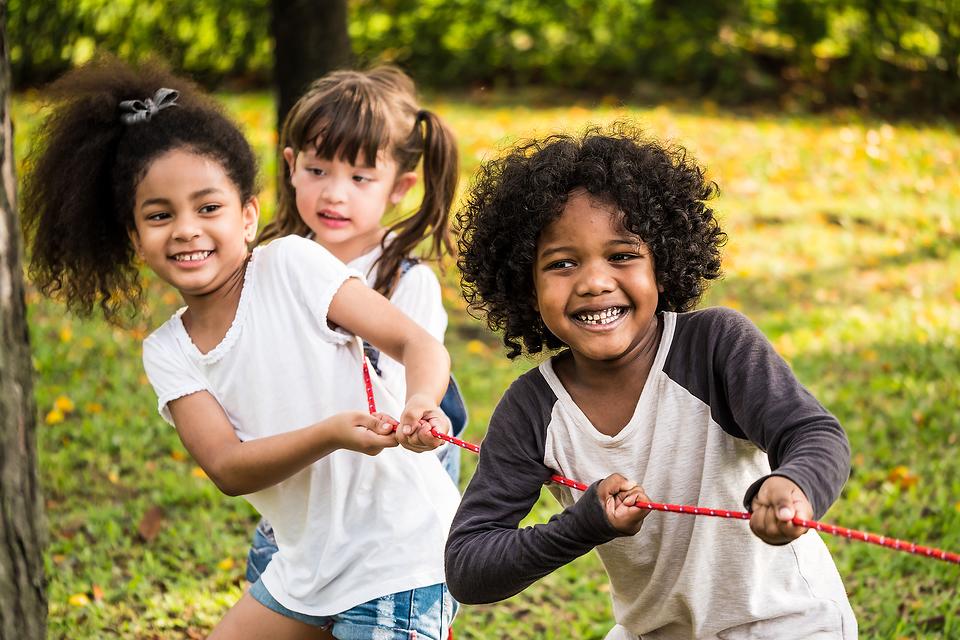

Playtime is key for kids’ growth, affecting their minds, social skills, and health. The American Academy of Pediatrics says play is vital for kids. It boosts their thinking, social, and physical health through play.
Play is essential for kids’ growth, and they should play for at least an hour daily. This play helps them with language, problem-solving, and math, mainly through creative play. Parents help their kids build confidence, self-esteem, and resilience by making play a priority. These are important for their emotional well-being.
Why Modern Children Need More Time for Play
Today’s kids face many challenges that make it hard for them to play freely. The rise of screen time and too much scheduling is a big issue. It’s key to understanding how vital playtime is for child development. A survey shows that 51% of preschoolers play outside with a parent daily, showing we need to make play a part of their daily routine.
Play is important for kids’ brains, helping with thinking, talking, and math. Educational playtime also helps kids form strong bonds and deal with emotions better. The United Nations agrees, saying kids can play and rest.

Playtime offers many benefits, such as:
- Improving focus through uninterrupted play
- Helping with emotional control and self-control
- Encouraging kids to start things on their own and fight boredom
By focusing on playtime for child development and educational playtime, we can help kids get the skills they need for the future. It’s time to see the value of play and make it a key part of our lives. Let’s give kids the chance to have a happy, healthy childhood by promoting playtime for children.
The Importance of Playtime for Kids in Brain Development
Playtime is key for kids’ brain growth, mainly early. Kids learn to solve problems, think critically, and be creative during playtime activities. Studies show that playtime and cognitive development go hand in hand. Play plays a big role in shaping a child’s brain.
The Center on the Developing Child says that playful interactions with adults are essential for babies’ brain development. For instance, games like “baby see, baby do!” improve babies’ focus and memory. As kids age, playtime activities can change to fit their age and skills, like “dump and fill” for toddlers and strategy games for older kids.
Here are some playtime activities that boost brain development:
- Imaginative play, such as dress-up and pretend play
- Puzzles and brain teasers, which enhance problem-solving skills
- Active songs and games, which build memory skills and self-control
- Unstructured playtime, which allows children to explore and learn at their own pace
Parents can support their brain growth by adding these playtime activities to a child’s daily life. This sets them up for success in the future.
Physical Benefits of Active Play
Active play is key for kids’ physical health and growth. Activities like outdoor play, sports, and dance help kids develop important skills. These skills are vital for staying healthy and preventing obesity.
Playing helps kids build strong muscles and bones. It also improves their balance and coordination. By playing regularly, kids can stay fit and healthy.
Key Benefits of Active Play
- Develops motor skills, coordination, and balance
- Enhances muscle strength and endurance
- Increases bone density, reducing the risk of osteoporosis
- Improves motor skill control and coordination
- Supports overall physical health and well-being
Parents and caregivers should make playtime a priority. This helps kids develop important skills and stay healthy. A safe and fun play area can greatly benefit a child’s growth and happiness.
How Playtime Shapes Social Intelligence
Playtime is key for kids to learn social skills, mainly in the early years. It helps them develop important skills like communication, empathy, and teamwork. Activities like imaginative play, role-playing, and group games are essential for these skills.
Playtime shapes social intelligence in several ways:
- Developing empathy through cooperative games and group activities
- Improving communication skills through interactive play
- Enhancing cooperation and conflict resolution through team-based play
Through play, kids learn vital social skills that last a lifetime. Studies show playtime is vital for kids’ brain growth, and social skills are a big part.
| Playtime Activity | Social Skill Developed |
|---|---|
| Imaginative Play | Empathy and Communication |
| Role-Playing | Cooperation and Conflict Resolution |
| Group Games | Teamwork and Social Interaction |
Creative Expression Through Play
Playtime is key for kids to grow their creativity and imagination. It helps them improve their fine motor skills and hand-eye coordination. The American Academy of Pediatrics says creative play boosts cognitive skills and overall health.
Playtime lets kids create stories, do art, and express themselves through music and dance. Some examples of creative play include:
- Dramatic play, which helps kids develop empathy, social skills, and language abilities
- Artistic play, like drawing, painting, and building with blocks, which enhances fine motor skills and hand-eye coordination
- Music and movement, which improves coordination, sense of rhythm, and language skills
Studies show play is vital for a child’s imagination and creativity. It helps kids develop social skills, like empathy and boosts problem-solving and emotional growth. Parents can help their kids grow in important ways by making play a part of daily life.
The Role of Parents in Facilitating Play
Parents are key in making sure kids have enough playtime. They create a safe space for kids to learn and grow through play. The Hechinger Report says playing together strengthens the parent-child bond and helps with learning.
Parents can help by setting aside time for play. They should also give kids lots of toys and play with them. Here are some good things about parents playing with their kids:
- It boosts problem-solving and creativity.
- It helps kids learn to work together and talk better.
- It keeps kids active and helps with physical skills.
- It gets kids ready for school by improving thinking skills.
By making play a priority, parents help their kids become happy and well-adjusted. Play is essential for kids’ growth, and parents are vital in making it happen.
| Benefits of Play | Examples of Play Activities |
|---|---|
| Cognitive development | Puzzles, building blocks, educational games |
| Physical development | Outdoor play, sports, dance classes |
| Social development | Role-playing, group games, storytelling |
Different Types of Play and Their Benefits
Playtime is key for a child’s growth. It helps with thinking, social skills, and feelings. It’s not just fun; it’s a way to learn and grow.
There are many kinds of play. Structured play, like sports, builds teamwork and social skills. Unstructured play, like make-believe, boosts thinking and creativity.
Types of Play
- Solo play: helps develop independence and self-reliance
- Group play: helps develop social skills and teamwork
- Indoor play: helps develop fine motor skills and creativity
- Outdoor play: helps develop gross motor skills and an appreciation for nature
Playing in different ways helps kids learn many things. They get better at planning, socializing, and managing their feelings. The American Academy of Pediatrics says play is vital for young kids.
Parents should mix structured and free play. This helps kids become well-rounded and happy. Play is vital for kids, Whether inside or outside, alone or with others.
Emotional Development Through Play Activities
Playtime is key for kids to grow emotionally smart and stay healthy. It helps them learn to understand themselves, control their feelings, and care for others. Activities like make-believe, acting out roles, and team games are great for these skills.
The American Psychological Association (APA) says play helps kids develop important emotional skills. It lets them feel and deal with different feelings like anger and sadness. Playtime has many benefits, including:
- Learning to know and manage their feelings
- Getting better at understanding and working with others
- Becoming more resilient and able to handle tough times
- Boosting creativity and imagination
Having safe places to play helps kids explore, imagine, and socialize. Letting them pick what they want to do makes them feel in charge. Playing with your child strengthens your bond and makes you feel better.
Adding play to daily life helps kids grow emotionally strong. A mix of planned and free play lets them grow and reach their goals. Playtime is vital for their emotional growth.
| Play Activity | Emotional Benefit |
|---|---|
| Imaginative Play | Develops creativity and self-awareness |
| Role-Playing | Enhances empathy and cooperation |
| Group Games | Improves self-regulation and resilience |
Educational Value of Purposeful Play
Playtime is key for kids’ growth, and it helps a lot with school skills. Studies show that focused play boosts learning and health. Kids get better at reading, math, and solving problems through play.
Playful learning beats strict teaching methods. Kids in guided play learn more words and improve their spatial skills. The National Association for the Education of Young Children (NAEYC) says self-directed play is vital for kids’ growth.
Learning Through Discovery
Learning by exploring is a big part of purposeful play. Kids learn at their own speed, getting a deep understanding of things. Activities like puzzles and educational games help them develop important skills.
Problem-Solving Through Play
Play helps kids solve problems and think critically. It teaches them to tackle challenges in different ways and be resilient. This prepares them for school and future success.
Academic Skills Development
Purposeful play naturally builds academic skills. Through play, kids improve in reading, math, and problem-solving. These skills are the building blocks for lifelong learning.
| Activity | Skills Developed |
|---|---|
| Puzzles | Problem-solving, critical thinking |
| Brain teasers | Critical thinking, analytical skills |
| Educational games | Literacy, numeracy, problem-solving |
In summary, play is vital for kids’ development and school readiness. By making play a part of their daily lives, parents and teachers give kids a strong start for the future.
Overcoming Barriers to Play Time
Playtime is key for kids, but many things can stop them from playing. Too much screen time can make them sit too much and play less. Also, being too busy with activities can leave little time for play.
To beat these challenges, parents and caregivers can do a few things. Here are some tips:
- Make a schedule that includes free playtime. This lets kids play without adult help or direction.
- Support physical play by giving chances for outdoor fun and sports.
- Limit screen time and push for other fun activities like reading or drawing.
By following these tips, parents and caregivers can help kids play more. This ensures they get to do many important activities that help them grow and stay happy.
Creating Safe Play Environments
Playtime is key for a child’s growth, and a safe play area is vital. The American Academy of Pediatrics says a safe space can prevent injuries and boost development. It’s important to think about the child’s age and developmental stage when setting up play areas.
Here are some important things to consider for a safe play space:
- Keep play groups small and watch closely to keep everyone safe
- Make sure climbing gear has enough space to fall safely
- Choose play areas and equipment that match the child’s age and development
Creating a safe play area helps kids develop healthy relationships and grow. Playtime is essential for a child’s development. By giving them a safe place to play, we help them succeed and reach their goals.
Making Play a Priority: Your Child’s Future Depends On It
Playtime is key for kids’ health and future success. Studies show that enough playtime is vital for kids’ well-being. It helps them develop important skills for life.
Playtime boosts kids’ motor skills, physical health, and social skills. It also helps with school performance. Kids who play outside often are healthier and happier. They also do better in school.
Parents should make play a top priority. It’s important to mix up play activities. This way, kids get to explore and learn in many ways. By doing this, you help your child grow and appreciate nature.
FAQ
Q: Why is playtime important for kids?
A: Playtime is key for kids’ growth. It boosts their thinking, social, emotional, and physical skills. Through play, they learn to solve problems, be creative, and understand others. These skills are vital for their happiness and success later on.
Q: How has the decline of free play impacted modern children?
A: Today, kids play less because of screens and busy schedules. This hurts their thinking, social, and physical skills. They miss out on the free play that helps them grow and imagine.
Q: What are the cognitive benefits of playtime for kids?
A: Play sharpens kids’ thinking, problem-solving, and creativity. Activities like puzzles and imaginative play are great for their brains, which is important in the early years.
Q: How does active play benefit children’s physical health?
A: Active play, like sports and dance, boosts kids’ motor skills and fitness. It’s essential for their health and happiness.
Q: What social skills do children develop through playtime?
A: Play helps kids learn to communicate, empathize, and work together. It’s vital for their social skills and understanding of the world.
Q: How does creative play benefit children’s development?
A: Creative play lets kids express themselves and think creatively. It’s great for their brains and overall well-being.
Q: What is the role of parents in facilitating play for their children?
A: Parents must create a safe space for play. They should encourage free play and mix it with structured activities. This helps kids develop important skills and stay healthy.
Q: How can parents overcome the barriers to playtime and promote it in their children’s daily lives?
A: Parents can limit screen time and make play a priority. They should also ensure a safe play area and include play in daily routines.
Q: Why is it important to make play a priority for children’s future success?
A: Prioritizing play helps kids develop essential skills. It promotes their health and sets them up for success in life.
Discussion about this post