

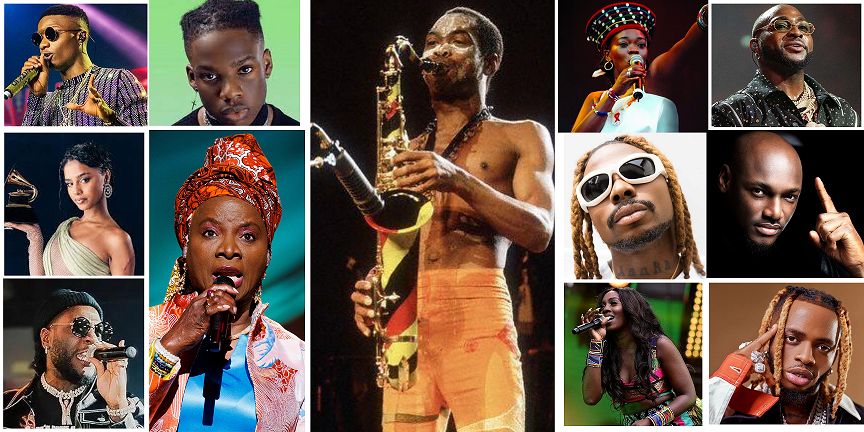

Have you ever found yourself captivated by the infectious rhythms and socially conscious lyrics of Afrobeat? This genre, blending West African musical styles with funk, jazz, and highlife, has a rich history that spans decades. As you delve into the world of Afrobeat, you’ll discover its roots in 1960s Nigeria and its evolution into a global phenomenon.
From its pioneering founder, Fela Kuti, to modern-day artists keeping the tradition alive, Afrobeat continues to inspire and energize listeners worldwide. Join us as we explore the origins, key figures, and enduring legacy of Afrobeat that has left an indelible mark on the landscape of popular music.
Introduction to Afrobeat
Afrobeat (also known as Afrofunk), a genre that fuses West African musical styles with American funk and jazz, emerged in the late 1960s and early 1970s. This vibrant and politically charged music was pioneered by the legendary Nigerian musician Fela Kuti. Afrobeat’s roots can be traced back to traditional Yoruba music, highlife, and palm-wine music, blending these African elements with Western influences to create a unique and powerful sound.
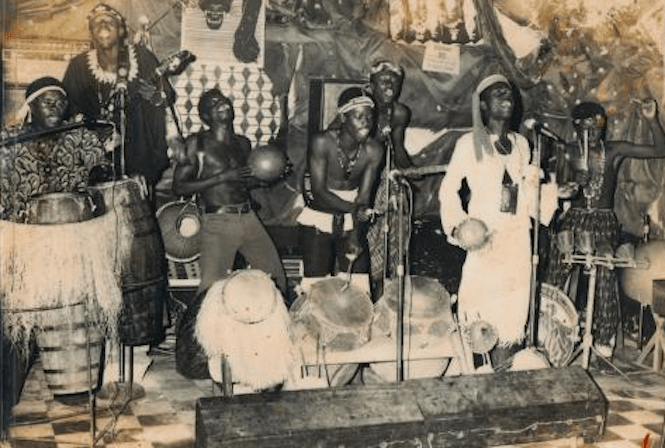
The genre is characterized by its complex rhythmic patterns, often featuring extended songs with intricate percussion sections. Large bands typically perform Afrobeat music, incorporating a variety of instruments such as saxophones, trumpets, electric guitars, and traditional African drums. This rich instrumentation contributes to the genre’s distinctive, full-bodied sound that captivates listeners and inspires movement.
Afrobeat is more than just a musical style; it’s a form of cultural expression and political activism. Fela Kuti, often referred to as the “Father of Afrobeat,” used his music as a platform to criticize government corruption and social injustice in Nigeria and across Africa. His lyrics, often sung in Pidgin English or Yoruba, addressed pressing issues such as poverty, oppression, and neo-colonialism.
Afrobeats is a distinct genre that emerged in West Africa in the 21st century. Unlike Afrobeat, Afrobeats is a fusion of diverse sounds, blending elements from various genres such as hip hop, house, jùjú, ndombolo, R&B, soca, and dancehall. Despite often being confused, Afrobeat and Afrobeats are two separate genres.
Since its inception, Afrobeat has spread far beyond its Nigerian origins, influencing musicians worldwide. Contemporary artists continue to draw inspiration from the genre, incorporating its rhythms and socially conscious themes into their work. This global appeal has led to the emergence of various subgenres and fusion styles, ensuring that Afrobeat remains a dynamic and evolving musical force in the 21st century.
The Origins and History of Afrobeat
Afrobeat, a vibrant and infectious musical style, emerged in the late 1960s and early 1970s in West Africa, primarily in Nigeria. This genre is a fusion of traditional Yoruba music, highlife, funk, jazz, and West African percussion rhythms. The pioneer and most influential figure in Afrobeat’s development was Fela Kuti, a Nigerian multi-instrumentalist, composer, and political activist.
Fela Kuti’s musical journey began with highlife and jazz, but his experiences in the United States during the 1960s exposed him to funk and soul music. Upon returning to Nigeria, he combined these influences with traditional African rhythms, creating the foundation of Afrobeat. Afrobeat was influenced by a combination of different genres, such as highlife, fuji, and jùjú, as well as Yoruba vocal traditions, rhythm, and instruments.
The genre’s signature sound features extended compositions, complex instrumental arrangements, and call-and-response vocals, often addressing social and political issues.
As Afrobeat gained popularity in Nigeria, it quickly spread throughout West Africa and beyond. The genre’s infectious grooves and socially conscious lyrics resonated with audiences worldwide, influencing musicians across various genres. In the 1980s and 1990s, Afrobeat began to gain international recognition, with artists like Fela’s sons, Femi and Seun Kuti, carrying on their father’s legacy.
The 21st century has seen a resurgence of interest in Afrobeat, with a new generation of artists incorporating its elements into contemporary music. This revival has led to the emergence of “neo-Afrobeat,” a modern interpretation of the classic sound. Today, Afrobeat’s influence can be heard in popular music worldwide, from hip-hop to electronic dance music, cementing its place as a significant force in global music culture.
The Godfather of Afrobeat: Fela Kuti
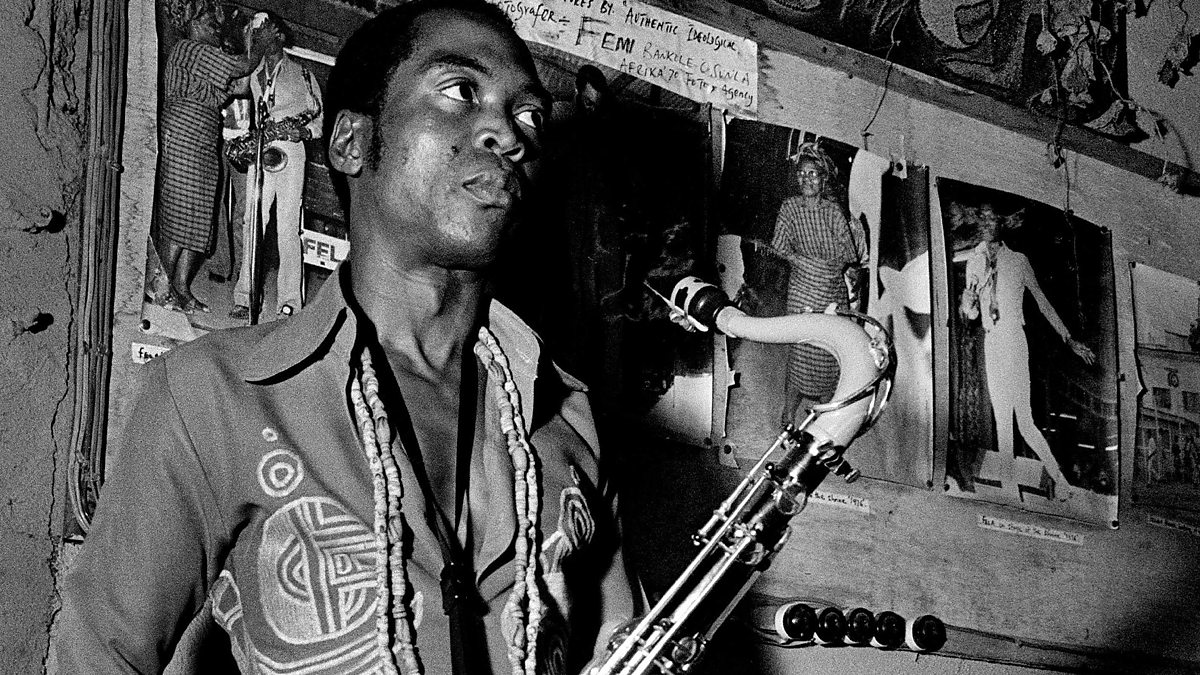
No discussion of Afrobeat is complete without mentioning its pioneering force, Fela Kuti (born Olufela Olusegun Oludotun). Born in Nigeria in 1938, Kuti’s musical journey began with highlife and jazz, but it was his creation of Afrobeat in the late 1960s that would cement his legacy. This revolutionary genre blended traditional Yoruba music, highlife, funk, and jazz, creating a sound that was uniquely African and irresistibly danceable.
Kuti’s Afrobeat was more than just music; it was a powerful vehicle for social and political commentary. His lyrics, often sung in Pidgin English, fearlessly criticized government corruption and colonial mentality, earning him both adoration from the people and ire from the authorities.
The Afrika Shrine and Musical Activism
Central to Kuti’s influence was his legendary nightclub, the Afrika Shrine. This Lagos venue became the epicenter of Afrobeat, where Kuti and his band would perform marathon sets, often lasting until dawn. The Shrine was more than a music venue; it was a cultural institution where ideas were exchanged, and political consciousness was raised.
Kuti’s music was inseparable from his activism. His album titles, such as “Zombie” and “Coffin for Head of State,” were direct challenges to Nigeria’s military government. This bold stance led to numerous arrests and beatings, but Kuti remained undeterred, using his music as a weapon of resistance.
Legacy and Global Influence
Fela Kuti’s impact on music extends far beyond Nigeria’s borders. His innovative Afrobeat sound has influenced artists across genres, from jazz to hip-hop. Contemporary musicians like Wizkid and Burna Boy continue to draw inspiration from Kuti’s work, ensuring that Afrobeat remains a vital force in global music.
Kuti’s legacy is not just musical but cultural and political. He showed that music could be a powerful tool for social change, inspiring generations of artists to use their platforms for activism. Today, Afrobeat stands as a testament to Fela Kuti’s vision, a fusion of rhythm, politics, and African pride that continues to resonate worldwide.
Signature Afrobeat Sounds and Instrumentation
Afrobeat distinctive sound is a rich tapestry of musical elements, blending traditional African rhythms with Western influences. This genre is characterized by its complex, polyrhythmic patterns and energetic, danceable grooves that captivate listeners worldwide.
Rhythmic Foundation
At the heart of Afrobeat lies its pulsating rhythm section. The genre typically features:
- Multiple percussionists playing congas, shekere, and other traditional African instruments
- A prominent, syncopated bass line that drives the music forward
- Rhythmic guitar parts that interlock with the percussion, creating a hypnotic effect
These elements combine to form the signature Afrobeat groove, a relentless, infectious beat that forms the backbone of every song.
Brass and Woodwinds
Afrobeat horn section adds a powerful, brassy dimension to the music. Typically consisting of trumpets, saxophones, and trombones, these instruments provide:
- Punchy, staccato riffs that punctuate the rhythm
- Extended solos that showcase individual musicianship
- Call-and-response patterns with vocals or other instruments
The horns contribute significantly to Afrobeatv’s full, layered sound, often playing intricate harmonies and countermelodies.
Vocals and Lyrics
Vocal delivery in Afrobeat is as diverse as its instrumentation. Singers may employ:
- Chanted or spoken-word passages, often addressing social or political issues
- Melodic singing, sometimes in local languages or pidgin English
- Call-and-response patterns with backing vocalists or instruments
Lyrics frequently tackle themes of social justice, pan-Africanism, and everyday life experiences, giving Afrobeat its reputation as a politically charged and socially conscious genre.
By combining these elements, Afrobeat creates a unique sonic landscape that is instantly recognizable and enduringly popular. Its signature sounds continue to influence musicians across the globe, cementing its place in the pantheon of world music.
Afrobeat’s Influence on Other Genres
Afrobeat, with its infectious rhythms and powerful social commentary, has left an indelible mark on the global music landscape. This genre, pioneered by Fela Kuti, has transcended its Nigerian roots to inspire and shape numerous musical styles worldwide.
Fusion with Western Genres
The distinctive Afrobeat sound has seamlessly blended with various Western genres, creating exciting new hybrids. Hip-hop artists, in particular, have embraced Afrobeat’s polyrhythmic patterns and horn sections. Notable examples include Kanye West’s sampling of Fela Kuti in “Power” and Drake’s incorporation of Afrobeat elements in “One Dance.” These fusions have introduced Afrobeat to broader audiences and influenced the evolution of contemporary urban music.
Impact on Electronic Dance Music
Electronic dance music (EDM) producers have also drawn inspiration from Afrobeat’s energetic grooves. The genre’s complex percussion patterns and call-and-response vocals have found their way into house, techno, and other electronic subgenres. This cross-pollination has resulted in a vibrant global dance music scene that celebrates Afrobeat’s rhythmic heritage.
Revival of Brass Instruments
Afrobeat’s prominent use of brass instruments has contributed to a resurgence of horn sections in popular music. Many contemporary artists across genres have incorporated trumpets, saxophones, and trombones into their arrangements, echoing Afrobeat’s signature sound. This trend has breathed new life into brass instrumentation and expanded the tonal palette of modern music.
Influence on Socially Conscious Music
Beyond its musical elements, Afrobeat’s legacy of social and political commentary has inspired a new generation of artists to use their platforms for activism. Musicians worldwide have adopted Fela Kuti’s fearless approach to addressing societal issues through their art, reinforcing music’s power as a tool for social change.
The Global Spread of Afrobeat
Afrobeat, the electrifying fusion of traditional West African music with funk, jazz, and highlife, has transcended its Nigerian roots to become a global phenomenon. Born in the vibrant streets of Lagos, this genre has captivated audiences worldwide with its infectious rhythms and socially conscious lyrics. The journey of Afrobeat from a local sound to an international sensation is a testament to its universal appeal and the power of cultural exchange.
Pioneers and Ambassadors
Fela Kuti, the undisputed father of Afrobeat, laid the foundation for the genre’s global expansion. His politically charged performances and boundary-pushing music attracted attention far beyond Nigeria’s borders. As Fela’s fame grew, so did the reach of Afrobeat. His sons, Femi and Seun Kuti, along with other artists like Tony Allen, became ambassadors of the genre, touring extensively and introducing Afrobeat to new audiences across continents.
Fusion and Evolution
As Afrobeat spread, it began to influence and be influenced by other musical styles. Artists from diverse backgrounds embraced the genre, infusing it with elements from their own cultural traditions. This cross-pollination led to the emergence of new sub-genres and hybrid styles, further expanding Afrobeat’s global footprint. From London to New York, Paris to Tokyo, musicians and producers began incorporating Afrobeat elements into their work, creating a rich tapestry of sounds that paid homage to the genre’s roots while pushing it in new directions.
Digital Age and Global Recognition
The advent of the internet and digital streaming platforms has played a crucial role in Afrobeat’s global dissemination. Today, fans from every corner of the world can easily access and discover Afrobeat music, contributing to its growing popularity. Major music festivals and international awards have also recognized the genre’s significance, further cementing its place in the global music landscape. As Afrobeat continues to evolve and inspire new generations of artists, its influence on world music remains undeniable, ensuring its legacy for years to come.
Frequently Asked Questions
Here are some frequently asked questions and answers about Afrobeat.
What exactly is Afrobeat?
Afrobeat is a unique music genre that blends traditional West African music styles, particularly Yoruba music and highlife, with funk, jazz, and soul. It’s characterized by complex rhythms, extended song structures, and often politically charged lyrics. The genre was pioneered by Nigerian musician Fela Kuti in the late 1960s and has since influenced countless artists worldwide.
How is Afrobeat different from Afrobeats?
While the terms are often confused, Afrobeat and Afrobeats are distinct genres. Afrobeat refers to the specific style created by Fela Kuti, featuring large bands, intricate rhythms, and extended instrumental solos. Afrobeats, on the other hand, is a more recent genre that emerged in the 2000s, blending various African pop styles with hip-hop, R&B, and dancehall. Afrobeats is a fusion of various styles, including hip-hop, R&B, dancehall, and electronic music, with traditional African rhythms and melodies. Afrobeats is often characterized by its catchy hooks, heavy beats, and experimental production.
Who are some notable Afrobeat artists besides Fela Kuti?
While Fela Kuti is undoubtedly the father of Afrobeat, many artists have carried on his legacy. Some notable names include:
- Tony Allen, Fela’s long-time drummer and musical director
- Femi Kuti and Seun Kuti, Fela’s sons who continue to perform Afrobeat
- Antibalas, an American Afrobeat band formed in the late 1990s
- Dele Sosimi, a former member of Fela’s Egypt 80 band
These artists, among others, have helped keep the Afrobeat tradition alive while also pushing the genre in new directions.
How has Afrobeat influenced modern music?
Afrobeat’s influence can be heard in various genres today, from hip-hop to electronic dance music. Its complex rhythms and socially conscious lyrics have inspired artists like Beyoncé, Vampire Weekend, and Gorillaz. The genre’s emphasis on groove and extended jams has also influenced jam bands and jazz fusion groups. Today, Afrobeat continues to evolve and inspire new generations of musicians around the world.
Conclusion
Afrobeat is a vibrant and influential music genre that has left an indelible mark on the global music landscape. Born out of Nigeria’s rich cultural heritage, Afrobeat has evolved over the decades, incorporating diverse styles and influences while remaining true to its African roots. From Fela Kuti’s pioneering work to the contemporary artists carrying the torch, Afrobeat continues to inspire, educate, and energize audiences worldwide, solidifying its place as a beloved and enduring genre.
Discussion about this post