

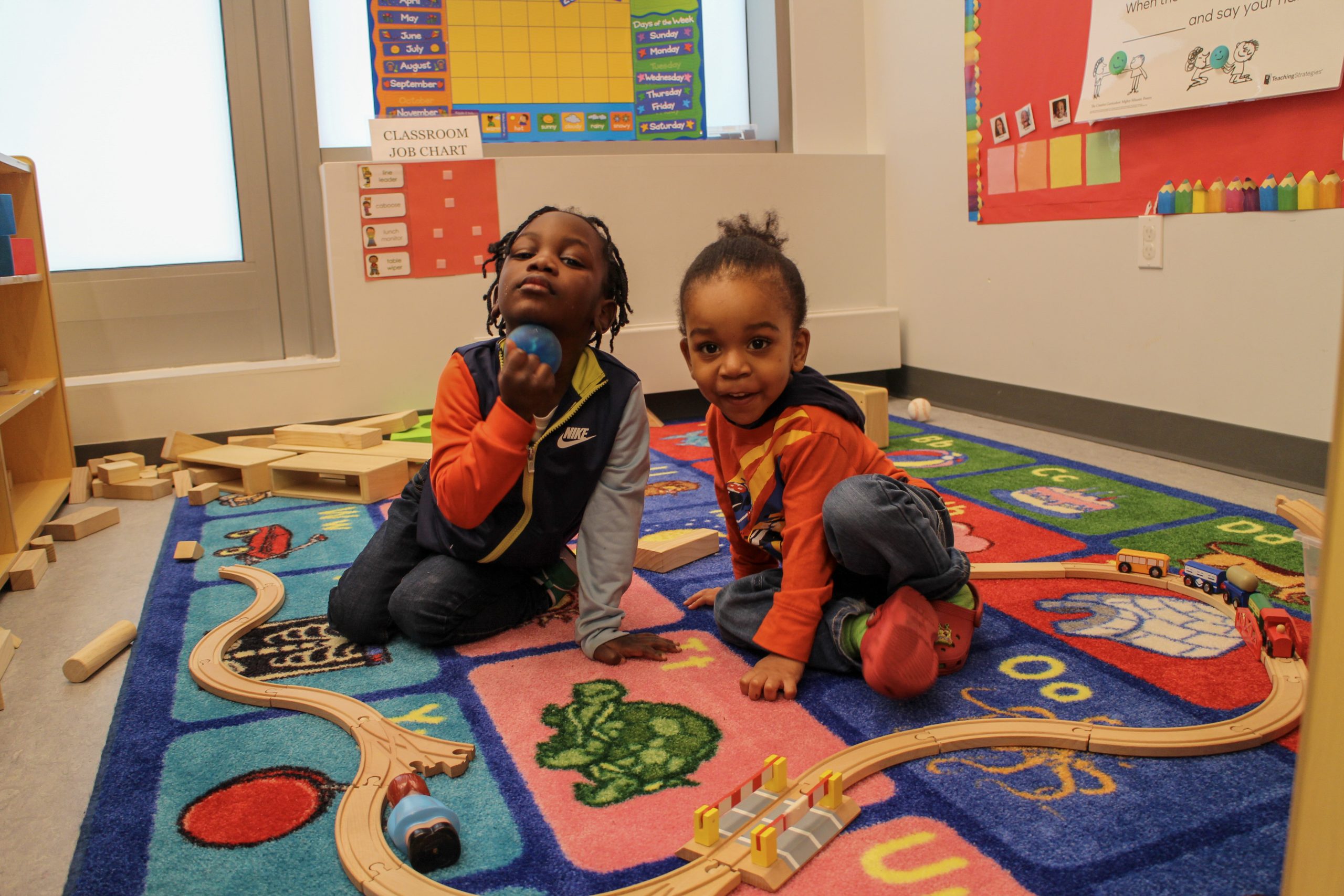

Playtime is key for kids, helping them grow in many ways. It boosts their thinking, social, and emotional skills. Playing helps kids solve problems, improve hand-eye coordination, and learn to work with others.
Play lets kids explore, learn new things, and use their imagination. It’s a time for them to discover and grow.
The American Academy of Pediatrics says play is vital for kids. They recommend at least 30 minutes of active play daily for young children. This shows how important playtime is for kids’ physical health.
Play also helps kids feel less anxious and stay focused better. As we explore play, we see it’s good for kids’ minds, social skills, and feelings. It’s a must for kids every day.
The Vital Role of Playtime in Child Development
Playtime is key for kids’ growth, helping with thinking, social skills, and feelings. The American Academy of Pediatrics says play is vital for kids. Dr. Stuart Brown’s work shows how important play is for kids’ development.
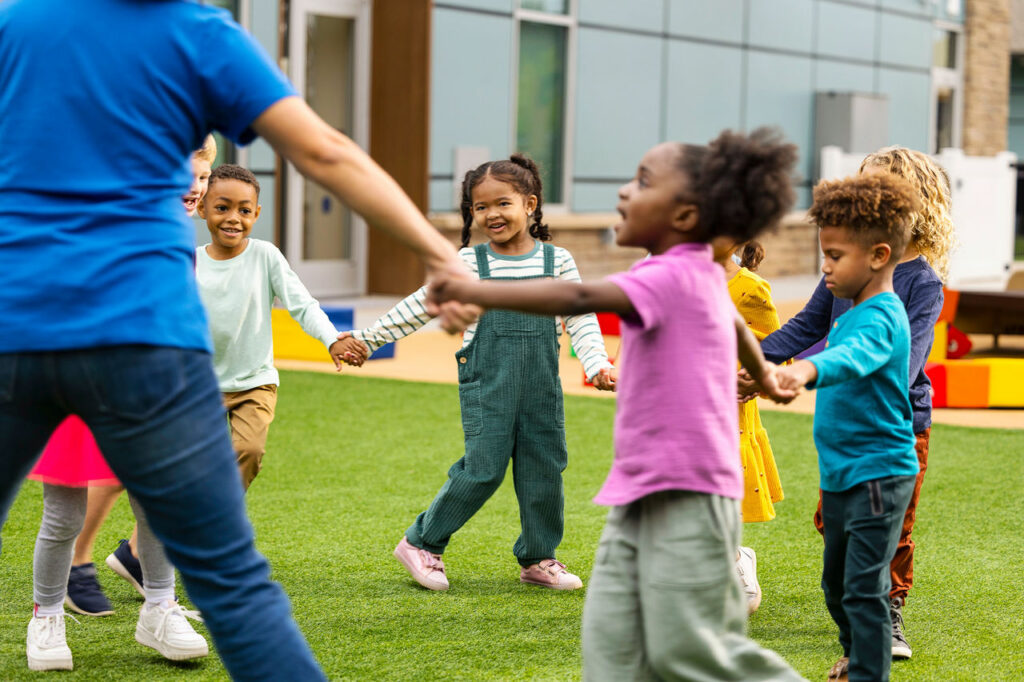
Playtime offers many benefits. It can make kids’ mental health better, with a 30% lower risk of anxiety and depression. It also boosts creativity, problem-solving, and social skills, all of which are important for life’s success.
What Defines Meaningful Play
Meaningful play is fun, interactive, and challenging. It helps kids grow in thinking, social, and emotional areas. Examples include free play, make-believe, and active play.
The Evolution of Children’s Play Through History
Play for kids has changed over time. Today, screen time and structured activities affect traditional play. Yet, play remains essential for kids, showing its importance.
Modern Challenges to Traditional Play
Today’s parents face many hurdles in giving kids meaningful play. These include little time, unsafe play areas, and the pull of screens. But, by focusing on play, parents can help their kids develop important life skills.
| Benefits of Playtime | Percentage Improvement |
|---|---|
| Reduced risk of anxiety and depression | 30% |
| Improved creativity and problem-solving skills | 50% |
| Enhanced social skills | 40% |
Physical Benefits That Make Playtime Essential
Playtime is key for kids’ physical growth. It boosts their health and happiness. Playing helps build strong muscles and improves speed, agility, and balance.
The role of playtime in kids’ lives is huge. It makes their bones strong, which can prevent diseases like osteoporosis. Playtime offers many physical perks, including:
- Improved muscle strength and endurance
- Development of motor fitness skills, such as speed, agility, power, coordination, and balance
- Strengthened bones, reducing the risk of osteoporosis and other diseases
- There is a lower chance of developing obesity and type 2 diabetes
- Reduced risk of depression and anxiety, with enhanced self-confidence
Kids gain these physical advantages by making playtime a regular part of their day. This sets them up for a healthy life. So, it’s vital to ensure kids get enough time to play and be active, like riding bikes or playing ball games.
| Physical Benefit | Description |
|---|---|
| Improved Muscle Strength | Regular physical play helps build muscle strength and endurance |
| Motor Fitness Skills | Playtime activities develop speed, agility, power, coordination, and balance |
| Bone Strengthening | Physical play helps strengthen bones, reducing the risk of osteoporosis and other diseases |
How Playtime Shapes Cognitive Development
Playtime is key for kids’ brain growth. It boosts their learning and school success. The American Academy of Pediatrics says play sharpens problem-solving, creativity, and memory. These are vital for kids’ brains to grow.
Play lets kids explore and learn about the world. It’s important for their growth.
Play helps kids think critically, which is key for school success. Imaginative play boosts creativity and strategic thinking. Here are some playtime benefits for kids’ brains:
- Enhances creativity and problem-solving skills
- Improves memory and learning abilities
- Develops critical thinking and decision-making skills
Adding play to daily routines helps kids develop important brain skills. This prepares them for school and life. Encouraging play is a great way to support kids’ brain growth and development.
| Benefits of Playtime | Percentage Improvement |
|---|---|
| Creative Problem-Solving Abilities | 25% |
| Pattern Recognition Skills | 30% |
| Emotional Intelligence Scores | 40% |
The Importance of Playtime for Kids in Social Development
Playtime is key for kids’ social growth. It helps them learn important social skills like sharing and cooperation. These skills are vital for their social development.
Playing helps kids improve their language, math, and social skills. It also reduces stress and helps them manage their emotions. Parents and caregivers need to give kids lots of playtime.
Here are some ways to encourage playtime:
- Provide a safe and fun play area.
- Encourage group play to build social skills.
- Give kids different play materials to spark creativity.
- Let them take risks and learn from mistakes.
Parents and caregivers help kids develop essential social skills by making playtime a priority. This leads to a happy and healthy life.
| Age Group | Recommended Playtime | Benefits |
|---|---|---|
| 3-4 years | 15 minutes of unstructured play | Reduced stress, improved social skills |
| 5-6 years | 30 minutes of outdoor play | Improved physical health, enhanced executive function skills |
| 7-12 years | 60 minutes of free play | Developed creativity, critical thinking, and social skills |
Emotional Growth Through Unstructured Play
Unstructured play is key for kids’ emotional growth. It helps them develop emotional intelligence, self-expression, and identity. Dr. Stuart Brown’s research shows that kids who play freely grow emotionally.
It’s important to make play a part of daily life. Kids who play for at least 60 minutes a day do better socially and emotionally. Unstructured play lets kids explore and be creative.
Some benefits of unstructured play include:
- Improved social skills and emotional regulation
- Enhanced memory and cognitive development
- Increased confidence and self-esteem
- Better communication and negotiation skills
By making play a priority, parents help their kids grow emotionally. This leads to happier, healthier, and better-adjusted children.
| Benefits of Unstructured Play | Percentage Improvement |
|---|---|
| Improved social skills and emotional regulation | 25% |
| Enhanced memory and cognitive development | 30% |
| Increased confidence and self-esteem | 35% |
Digital Age Challenges: Balancing Screen Time and Active Play
It’s key to mix screen time with active play in today’s world. This balance is vital to keep the importance of playtime for kids alive. Too much screen time can harm kids’ health, both physically and mentally. So, finding a good mix between screen time and playtime activities for children is essential.
Studies show kids aged 2-5 spend about 2 hours daily in front of screens. Only 15% meet the screen time guidelines. Parents can help by getting kids involved in benefits of playtime like outdoor games, puzzles, and creative play.
Here are some tips to balance screen time with active play:
- Set screen time limits and encourage physical activity
- Engage in playtime activities for children that promote learning and development
- Use educational apps and platforms that blend screen time with learning opportunities
- Plan regular outdoor activities, such as family hikes or bike rides, to promote physical health and exploration
By balancing screen time and active play, parents can help their kids enjoy the benefits of playtime. This ensures they develop important skills for a healthy and happy life. Remember, the importance of playtime for kids is huge. It’s up to parents to make smart choices about their child’s screen time and play activities.
Creating Meaningful Play Opportunities at Home
Promoting playtime for kids is key for their growth. It’s important to make play a part of daily life. Unstructured play helps kids use their imagination, be creative, and learn social skills.
By giving kids different play options, parents help them build important skills. These include confidence, self-esteem, and the ability to bounce back from challenges.
Here are some ways to make play meaningful at home:
- Indoor play activities, such as arts and crafts, music, and dance
- Outdoor play activities, such as running, jumping, and climbing
- Family play traditions, such as game nights or outdoor adventures
By focusing on play, parents help their kids lay a strong foundation for success and happiness.
Play isn’t just about structured activities. It also includes unstructured play, where kids can explore and learn at their own speed. A mix of both structured and unstructured play helps kids love learning and understand themselves better.
| Type of Play | Benefits |
|---|---|
| Indoor Play | Develops fine motor skills, hand-eye coordination, and creativity |
| Outdoor Play | Develops gross motor skills, physical fitness, and social skills |
| Unstructured Play | Develops problem-solving skills, critical thinking, and self-directed learning |
The Role of Adults in Supporting Playful Learning
Adults are key in helping kids learn through play. They can make a big difference in how much kids learn and explore. By finding the right balance, adults help kids solve problems, be creative, and get along with others. These skills are vital for their growth and playtime for cognitive growth.
Studies show that play boosts kids’ language, problem-solving, and math skills. Adults can help by setting rules and giving kids freedom. They should step in when needed. This way, kids feel in charge of their learning and grow more independent, which is good for their playtime and child development.
Here are some ways adults can support playful learning:
- Letting kids make choices to boost their confidence and independence
- Playing with kids to show them respect and make them feel involved
- Watching and thinking about kids’ play to see what they enjoy and learn
Using these methods, adults can make a space where kids can learn and grow through play. This helps kids develop the skills they need to do well in life.
| Strategy | Benefits |
|---|---|
| Providing choices | Increases empowerment and autonomy |
| Engaging in play | Fosters a sense of investment and respect |
| Observing and reflecting | Helps understand children’s enjoyment and effectiveness of play experiences |
Embracing Play as a Foundation for Lifelong Success
Play is key for kids’ success and development. It boosts their physical, social, and emotional health. Parents help kids grow their imagination and creativity by making playtime a priority. These skills are vital for their future.
Studies show that structured play sharpens kids’ thinking. Early childhood educators say it boosts cognitive skills by 75%. Parents also see a 80% improvement in social skills after kids play.
Playing helps kids solve problems better, with a 50% increase in skills. It also boosts self-confidence and self-esteem by 60%. Teachers say it prepares kids for school, improving school readiness skills by 70%. Play is a strong base for kids’ success in life.
FAQ
What is the importance of playtime for kids?
Playtime is key for kids’ growth. It lets them explore, learn new things, and use their imagination. It also boosts problem-solving, hand-eye coordination, and social skills, vital for their future.
What defines meaningful play for children?
Meaningful play is fun, interactive, and a challenge. It sharpens their thinking, social, and emotional skills. Modern play has changed, with more screen time and structured activities.
How does playtime benefit a child’s physical development?
Playtime is vital for kids’ physical growth. It helps them improve gross and fine motor skills. This supports their health and well-being.
In what ways does playtime shape a child’s cognitive development?
Playtime is key for kids’ thinking skills. It helps them solve problems, be creative, and remember things. These skills are important for learning and doing well in school.
How does playtime contribute to a child’s social development?
Playtime is important for kids’ social skills. It teaches them to share, take turns, and work together. These skills are vital for making friends and getting along with others.
What are the benefits of unstructured play for a child’s emotional growth?
Unstructured play is great for kids’ emotional growth. It helps them understand their feelings, express themselves, and figure out who they are. These are key for their emotional health.
How can parents balance screen time with active play in the digital age?
Finding a balance between screen time and play is tough today. Too much screen time can harm kids’ health. So, it’s important to make sure they get enough active play.
How can parents create meaningful play opportunities at home?
Parents can make play fun at home. They can set up indoor and outdoor games and start family traditions. These activities help kids be creative and develop social skills.
What is the role of adults in supporting playful learning?
Adults are key in supporting playful learning. They should guide kids but also give them freedom. They should help kids learn to solve problems, be creative, and get along with others.
Why is it important to embrace play as a foundation for lifelong success?
Seeing play as a base for success is vital. Parents help kids grow their imagination, creativity, and social skills by focusing on play. These are essential for their future.
Discussion about this post