



As a citizen of Nigeria, you may have heard references to the 1999 Constitution, but do you truly understand its significance and evolution? This foundational document, which came into effect on May 29, 1999, serves as the supreme law of the Federal Republic of Nigeria. Since its inception, it has undergone several amendments to address changing societal needs and political realities.
In this article, we will explore the key aspects of the 1999 Constitution as amended, gaining insight into its structure, provisions, and the impact it has on governance and daily life in Nigeria. Understanding this crucial document is essential for every Nigerian citizen seeking to engage meaningfully in the country’s democratic process.
Understanding the 1999 Constitution of Nigeria
The 1999 Constitution of Nigeria serves as the supreme law of the Federal Republic of Nigeria. This foundational document outlines the structure of government, defines citizens’ rights, and establishes the principles that guide the nation’s governance. To fully grasp its significance, it’s essential to explore its key components and historical context.
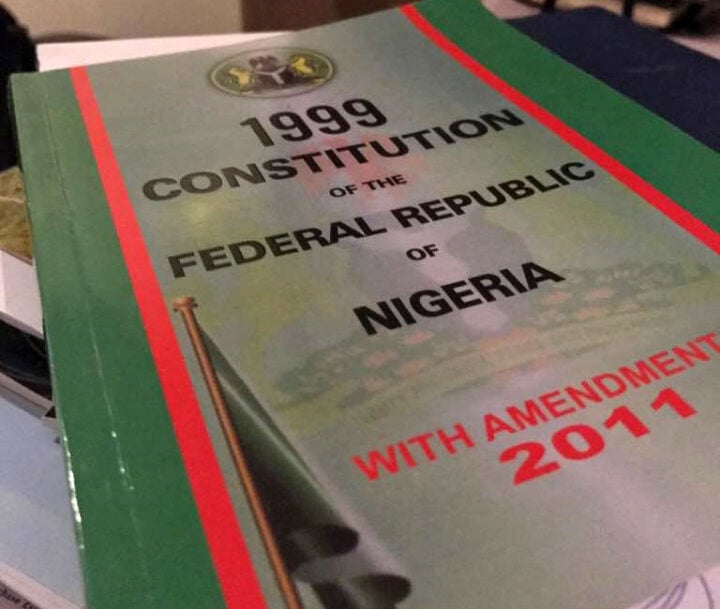
The 1999 Constitution of Nigeria as Amended came into effect on May 29, 1999, marking the country’s transition from military rule to democratic governance. It was drafted by a committee appointed by the military government and later approved through a constitutional conference. Since its inception, the constitution has undergone several amendments to address evolving national needs and challenges.
The 1999 Constitution of Nigeria is made up of 320 articles, 8 chapters, and 7 schedules. It establishes the country’s government structure, including the legislative, executive, and judicial branches. The constitution also defines the rights of Nigerian citizens and residents, and outlines how to become a citizen.
Chapters of the 1999 Constitution of Nigeria
- Chapter I: General provisions, including the Federal Republic of Nigeria and its powers
- Chapter II: Fundamental objectives and state policy directives
- Chapter III: Citizenship
- Chapter IV: Fundamental rights, including freedom of speech, religion, and assembly
- Chapter V: The legislature, including the National Assembly and state House of Assemblies
- Chapter VI: The executive, including the federal and state executives
- Chapter VII: The judicature, including federal and state courts, election tribunals, and more
- Chapter VIII: The Federal Capital Territory, Abuja, and other supplementary provisions
The 1999 constitution was promulgated into law by General Abdusalam Abubakar on May 5, 1999, and went into effect on May 29, 1999. Justice Niki Tobi, who chaired the 1998 constitution debate committee, was responsible for producing the constitution.
Some notable aspects of the 1999 Constitution of Nigeria as Amended include:
- The establishment of a presidential system of government
- Recognition of 36 states and the Federal Capital Territory
- Provisions for local government autonomy
- Affirmation of fundamental human rights
Amendments have addressed issues such as electoral reform, judicial independence, and the devolution of powers to states. Understanding these changes is crucial for comprehending the current state of Nigeria’s constitutional framework.
1999 Constitution of Nigeria as Amended
The 1999 Constitution of Nigeria has undergone several significant changes since its inception. Here are some key amendments that have shaped Nigeria’s constitutional landscape:
Judicial Reform
One of the most impactful amendments to the 1999 Constitution of Nigeria involves the judiciary. This change established the National Judicial Council, enhancing the independence and efficiency of the judicial system. The amendment also introduced stricter qualifications for judicial appointments, ensuring a more competent and impartial judiciary.
Electoral Commission Independence
A crucial amendment strengthened the autonomy of the Independent National Electoral Commission (INEC). This change grants INEC greater financial and operational independence, reducing potential political interference in the electoral process. The amendment aims to foster more transparent and credible elections in Nigeria.
State Creation Procedure
The constitution now outlines a more stringent process for creating new states. This amendment requires broader consensus, including approval from the National Assembly and a majority of existing states. It aims to balance regional interests while maintaining national unity and administrative efficiency.
Rights of Persons with Disabilities
A significant addition to the 1999 Constitution of Nigeria focuses on protecting the rights of persons with disabilities. This amendment prohibits discrimination based on disability and mandates equal opportunities in various sectors, including education, employment, and public services.
Financial Autonomy for State Legislatures
This amendment grants financial autonomy to state Houses of Assembly. It ensures that state legislatures receive their allocations directly from the federation account, reducing potential interference from the executive branch. This change aims to strengthen the principle of separation of powers at the state level.
How Many Times Has the 1999 Constitution Been Amended?
Since its inception, the 1999 Constitution of Nigeria has been amended five times:
- 2010: The first, second, and third alterations were made in 2010
- 2017: The fourth alteration was made in 2017
- 2023: The fifth alteration was made in 2023
The amendments to the Constitution are known as Alteration Acts. One of the most significant amendments occurred in 2010 and 2011, addressing issues such as electoral reforms, judicial independence, and the autonomy of local governments.
President Muhammadu Buhari signed the 2023 Alteration Acts on March 17, 2023. The amendments made in 2023 include: Changes to governance, Changes to judicial affairs, Legislative restructuring, and Reducing the age qualification for some political offices. The amendments also changed the names of several local governments, such as “Afikpo North” and “Afikpo South” in Ebonyi to “Afikpo” and “Edda”.
The Policy and Legal Advocacy Centre (PLAC) has published an updated version of the 1999 Constitution that includes all the alterations. It’s important to note that the amendment process is ongoing, with discussions about further changes continuing in the National Assembly.
The Separation of Powers in the Nigerian Government
The 1999 Constitution of Nigeria as Amended establishes a clear separation of powers among the three branches of government: executive, legislative, and judicial. This fundamental principle ensures a system of checks and balances, preventing any single branch from becoming too powerful.
Executive Branch
The executive branch, led by the President, is responsible for implementing and enforcing laws. Under the 1999 Constitution of Nigeria, the President serves as both head of state and head of government. This branch also includes the Vice President and ministers who oversee various federal ministries.
Legislative Branch
Nigeria’s National Assembly, consisting of the Senate and House of Representatives, forms the legislative branch. This body is tasked with making laws, approving the national budget, and providing oversight of the executive branch. The bicameral structure ensures representation from all states and regions of the country.
Judicial Branch
The judiciary, headed by the Supreme Court, interprets the law and resolves disputes. Lower courts, including the Court of Appeal and Federal High Courts, complete the judicial system. The 1999 Constitution of Nigeria guarantees the independence of the judiciary, crucial for maintaining the rule of law.
Checks and Balances
The separation of powers is reinforced by a system of checks and balances. For instance, the President can veto legislation, but the National Assembly can override this veto with a two-thirds majority. Similarly, the judiciary can declare laws unconstitutional, while the legislature confirms judicial appointments.
This careful distribution of power aims to prevent autocracy and promote democratic governance. However, the effectiveness of this system relies on the commitment of all branches to uphold the principles outlined in the 1999 Constitution of Nigeria.
Fundamental Rights Enshrined in the Constitution
The 1999 Constitution of Nigeria stands as a cornerstone of the nation’s democratic framework, enshrining fundamental rights that protect citizens and shape the country’s legal landscape. These rights form the bedrock of individual freedoms and societal values, reflecting Nigeria’s commitment to human dignity and justice.
Right to Life and Personal Liberty
At the forefront of these constitutional guarantees is the right to life, a principle that underscores the sanctity of human existence. The 1999 Constitution of Nigeria explicitly prohibits arbitrary deprivation of life, setting a high bar for any state action that might infringe upon this most basic right. Closely linked is the right to personal liberty, which safeguards citizens against unlawful detention and ensures due process in legal proceedings.
Freedom of Expression and Association
The constitution robustly defends freedom of expression, recognizing its vital role in a vibrant democracy. This right extends to freedom of the press, allowing for the dissemination of information and ideas without undue interference. Additionally, the right to peaceful assembly and association empowers Nigerians to form groups and participate in collective activities, fostering civic engagement and political discourse.
Protection Against Discrimination
A cornerstone of equality, the 1999 Constitution of Nigeria prohibits discrimination on grounds of ethnicity, place of origin, gender, religion, or political opinion. This provision aims to create a level playing field for all Nigerians, promoting inclusivity and social cohesion in a diverse nation.
Right to Fair Hearing
Ensuring justice and fairness, the constitution guarantees the right to a fair hearing in both civil and criminal matters. This fundamental right encompasses access to courts, presumption of innocence, and the opportunity to present one’s case before an impartial tribunal, upholding the principles of natural justice.
The Legislative Branch: Structure and Powers
The 1999 Constitution of Nigeria establishes a bicameral legislature, known as the National Assembly, which plays a crucial role in the country’s democratic system. This legislative body is responsible for making laws, representing the diverse interests of Nigerian citizens, and providing oversight of the executive branch.
Composition of the National Assembly
The National Assembly consists of two chambers:
- The Senate: Comprising 109 senators, with three representing each of Nigeria’s 36 states and one representing the Federal Capital Territory.
- The House of Representatives: Made up of 360 members, with seats allocated based on population.
Both chambers are elected for four-year terms, aligning with the presidential election cycle.
Legislative Powers and Functions
Under the 1999 Constitution of Nigeria, the National Assembly wields significant authority in shaping the nation’s laws and policies. Key powers include:
- Enacting legislation on matters within the Exclusive Legislative List
- Appropriating funds for the federal government
- Confirming certain presidential appointments
- Impeaching the President and Vice President for gross misconduct
The legislative process typically involves bill introduction, committee review, debates, and passage by both chambers before presidential assent.
Oversight Responsibilities
An essential function of the National Assembly is to provide checks and balances on the executive branch. This includes:
- Scrutinizing government spending through budget reviews and audits
- Conducting investigations into public affairs
- Summoning government officials to testify before committees
By exercising these powers, the legislative branch plays a vital role in ensuring accountability and transparency in governance under the 1999 Constitution of Nigeria.
The Executive Branch: Roles and Responsibilities
The Executive Branch, as outlined in the 1999 Constitution of Nigeria, plays a pivotal role in the governance of the nation. This branch is responsible for implementing laws, formulating policies, and managing the day-to-day affairs of the country.
Presidential Powers and Duties
At the helm of the Executive Branch is the President, who serves as both the Head of State and Head of Government. The 1999 Constitution of Nigeria grants the President extensive powers to:
- Appoint ministers, ambassadors, and other high-ranking officials
- Command the armed forces
- Declare a state of emergency when necessary
- Grant pardons and reprieves
The President is also tasked with presenting the annual budget to the National Assembly and ensuring its implementation upon approval.
The Federal Executive Council
Working alongside the President is the Federal Executive Council, comprising ministers appointed to oversee various government departments. This council plays a crucial role in policy formulation and implementation, ensuring that the objectives of the government are met across all sectors.
Checks and Balances
While the Executive Branch wields significant power, the 1999 Constitution of Nigeria establishes a system of checks and balances to prevent abuse of authority. The National Assembly has the power to override presidential vetoes and impeach the President for gross misconduct. Additionally, the Judiciary can review executive actions to ensure they align with constitutional provisions.
By delineating these roles and responsibilities, the 1999 Constitution of Nigeria aims to create a robust and effective Executive Branch that can lead the nation while remaining accountable to the people and other branches of government.
The Judicial Branch: Interpreting the Constitution
The 1999 Constitution of Nigeria establishes a robust judicial branch, tasked with the critical role of interpreting and applying constitutional provisions. This branch serves as the guardian of the constitution, ensuring that laws and government actions align with its principles.
Structure and Hierarchy
The Nigerian judicial system is structured in a hierarchical manner, with the Supreme Court at its apex. This court, established by the 1999 Constitution of Nigeria, holds the ultimate authority in constitutional interpretation. Below it are the Court of Appeal, Federal High Courts, and State High Courts, each playing crucial roles in upholding constitutional integrity at different levels.
Constitutional Interpretation
One of the primary functions of the judiciary is to interpret the 1999 Constitution of Nigeria when disputes arise. This involves:
- Clarifying ambiguous constitutional provisions
- Resolving conflicts between federal and state laws
- Determining the constitutionality of government actions
Through this process, the judiciary helps to maintain the balance of power and protect citizens’ rights as enshrined in the constitution.
Judicial Review
The power of judicial review is a cornerstone of the Nigerian judicial system. This authority, derived from the 1999 Constitution of Nigeria, allows courts to examine and potentially invalidate laws or government actions that contravene constitutional provisions. This mechanism serves as a crucial check on legislative and executive powers, ensuring that all branches of government operate within constitutional boundaries.
By fulfilling these roles, the judicial branch plays an indispensable part in upholding the rule of law and safeguarding the democratic principles embedded in Nigeria’s constitutional framework.
Federalism and the Nigerian States
The 1999 Constitution of Nigeria establishes a federal system of government, dividing power between the central government and the states. This structure is fundamental to understanding Nigeria’s political landscape and the distribution of authority within the country.
Structure of Nigerian Federalism
The 1999 Constitution of Nigeria outlines a three-tier federal structure consisting of the federal government, 36 state governments, and 774 local government areas. This arrangement aims to balance national unity with regional autonomy, allowing for diverse cultural and ethnic groups to coexist within a unified nation.
Under this system, the federal government holds exclusive powers in areas such as defense, foreign policy, and currency. Meanwhile, states have jurisdiction over matters like education, healthcare, and local infrastructure. This division of responsibilities is designed to promote efficient governance and address the unique needs of different regions.
Challenges and Debates
Despite its intentions, the implementation of federalism in Nigeria has faced ongoing challenges. Critics argue that the 1999 Constitution of Nigeria grants too much power to the central government, leading to calls for restructuring and “true federalism.”
Key issues include:
- Revenue allocation and resource control
- Creation of new states
- Devolution of powers to states
These debates highlight the dynamic nature of Nigerian federalism and the ongoing efforts to refine the constitutional framework to better serve the nation’s diverse population and complex socio-political landscape.
Conclusion
As you have seen, the 1999 Constitution of Nigeria remains a critical document shaping the nation’s governance and legal framework. While it has undergone several revisions to address changing needs, debates continue about further reforms.
As a Nigerian citizen, it is crucial for you to understand your rights and responsibilities under this constitution. Stay informed about ongoing amendment proposals and their potential impacts. Ultimately, the effectiveness of any constitution depends on how it is implemented and upheld by both leaders and citizens. By engaging thoughtfully with constitutional issues, you play an important role in Nigeria’s democratic development and the realization of its constitutional ideals.
Discussion about this post