

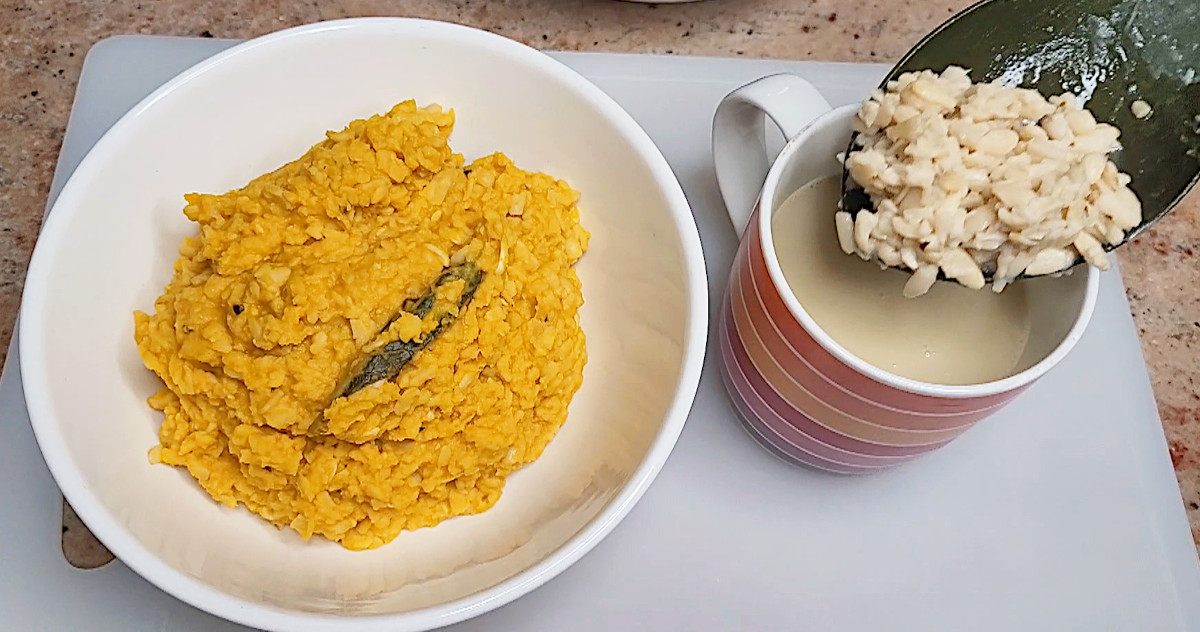

Are you ready to embark on a culinary adventure and discover the rich flavors of African cuisine? Look no further than ukwa, also known as African breadfruit. This versatile and nutritious seed has been a staple in West African diets for centuries, prized for its nutty taste and satisfying texture.
Whether you’re an experienced cook or a curious novice, learning how to prepare ukwa will expand your culinary horizons and introduce you to a world of new flavors. In this guide, you’ll learn the step-by-step process of cooking ukwa to perfection, along with tips for incorporating this delicious ingredient into your meals.
What is Ukwa (African Breadfruit)?
Ukwa, also known as African breadfruit, is a nutritious and versatile food that plays a significant role in West African cuisine, particularly in Nigeria. It is a well-known delicacy in Igboland.
This unique fruit comes from the Treculia africana tree, which is native to tropical regions of Africa. Learning how to cook Ukwa can open up a world of delicious and healthy meal options.

Ukwa is packed with essential nutrients, making it a valuable addition to any diet. It’s rich in:
- Carbohydrates for energy
- Protein for muscle building and repair
- Dietary fiber for digestive health
- Vitamins and minerals, including potassium and iron
Ukwa is a staple food in eastern Nigeria, particularly among the Igbo people. It has two distinct recipes. The first involves cooking ukwa with potash, while the second entails separating the seeds from the water, mashing them with various ingredients, and serving them alongside the cooked ukwa.
Understanding how to cook Ukwa properly is essential to fully appreciate its nutty flavor and soft texture. Whether you’re looking to explore new cuisines or add more nutrient-dense foods to your diet, mastering Ukwa preparation can be a rewarding culinary adventure.
Ingredients for Ukwa
To successfully cook ukwa you’ll need to gather the following essential ingredients:
Main Ingredients
- Ukwa seeds (African breadfruit seeds)
- Palm oil
- Salt to taste
- Potash (akanwu) teaspoon
- Fresh pepper
- Ogiri (optional)
- Seasoning
- 2 cups of maize.
When preparing ukwa, it’s crucial to cook with high-quality, and fresh ingredients. The ukwa seeds should be clean and free from debris.
Remember, the key to a delicious ukwa dish lies in the balance of flavors. Adjust the quantities of salt and pepper to suit your taste preferences.
How to Cook Ukwa
Learning how to cook ukwa, also known as African breadfruit, is a rewarding culinary adventure. Follow these steps to create a delicious dish:
First Recipe
Step 1: Washing the Ukwa Seeds
Wash the ukwa seeds thoroughly in a bowl with plenty of clean water. Use a plastic sieve to remove any hidden tiny stones.
Step 2: Cooking the Ukwa
Set a cooking pot on heat and add 5 cups of water. Start cooking the ukwa and bring to a boil.
Step 3: Adding Potash
Dissolve potash in one cup of water, filter in the clear water, and discard the residue. Add the potash mixture to the cooking ukwa.
Note: Ukwa requires a catalyst, such as potash, to become soft and cooked. Alternatively, you can use ngu (ash from burned palm fronds), a popular choice among the Igbos. If using ngu, apply the same method as potash.
Cook the ukwa until it becomes soft and ready for consumption. Serve hot.
Some people add a pinch of salt to their ukwa, while others, particularly in some Igbo communities, do not use salt in this recipe.
Second Recipe
The Second Recipe: Mashed Ukwa and Corn
To continue from the previous recipe, you will need the following ingredients.
Preparing Mashed Ukwa and Corn
- Cook the corn until it is very soft.
- Separate the ukwa seeds from the water by sieving out the soft seeds.
- Pound the pepper using a mortar and pestle.
- Add 100ml of red oil, half a stock cube, a pinch of salt, ogiri, and stir well using a garri turner or wooden spoon.
- Add the soft corn and stir.
- Then, add the soft ukwa seeds and mix very well with the wooden turner.
- Taste for salt and adjust as needed.
Your mashed ukwa and corn dish is now ready to be served.
By following these steps on how to cook ukwa, you’ll create a traditional African dish that’s both nutritious and flavorful. Experiment with different seasonings and accompaniments to find your perfect combination.
Storing and Preserving Cooked Ukwa
Knowing how to cook ukwa is only half the battle. Proper storage and preservation techniques are crucial to maintain its flavor and extend its shelf life. Here are some tips to keep your cooked ukwa fresh and delicious:
Refrigeration
After learning how to cook ukwa, allow it to cool completely before refrigerating. Store it in an airtight container to prevent moisture and odors from affecting its taste. Properly stored, cooked ukwa can last up to 3-4 days in the refrigerator.
Freezing
For longer-term storage, freezing is an excellent option. Portion the cooked ukwa into serving sizes and place them in freezer-safe bags or containers. Remove as much air as possible to prevent freezer burn. Frozen ukwa can maintain its quality for up to 3 months.
Reheating
When ready to enjoy your stored ukwa, reheat it gently. For refrigerated ukwa, use a microwave or stovetop, adding a splash of water to prevent drying. If frozen, thaw overnight in the refrigerator before reheating. Always ensure it’s heated thoroughly before consuming.
Avoiding Spoilage
To maximize freshness, never leave cooked ukwa at room temperature for more than 2 hours. Always use clean utensils when serving to prevent contamination. If you notice any odor or mold growth, it’s best to discard the ukwa to avoid foodborne illness.
Conclusion
As you embark on your ukwa cooking journey, remember that patience and attention to detail are key. This traditional African dish offers a unique blend of flavors and textures that will expand your culinary horizons.
By following the steps outlined in this guide, you’ll be well-equipped to prepare a delicious and authentic ukwa meal. Don’t be afraid to experiment with different seasonings or accompaniments to suit your taste preferences. With practice, you’ll soon master the art of cooking ukwa and be able to share this nutritious and satisfying dish with friends and family.
Discussion about this post