

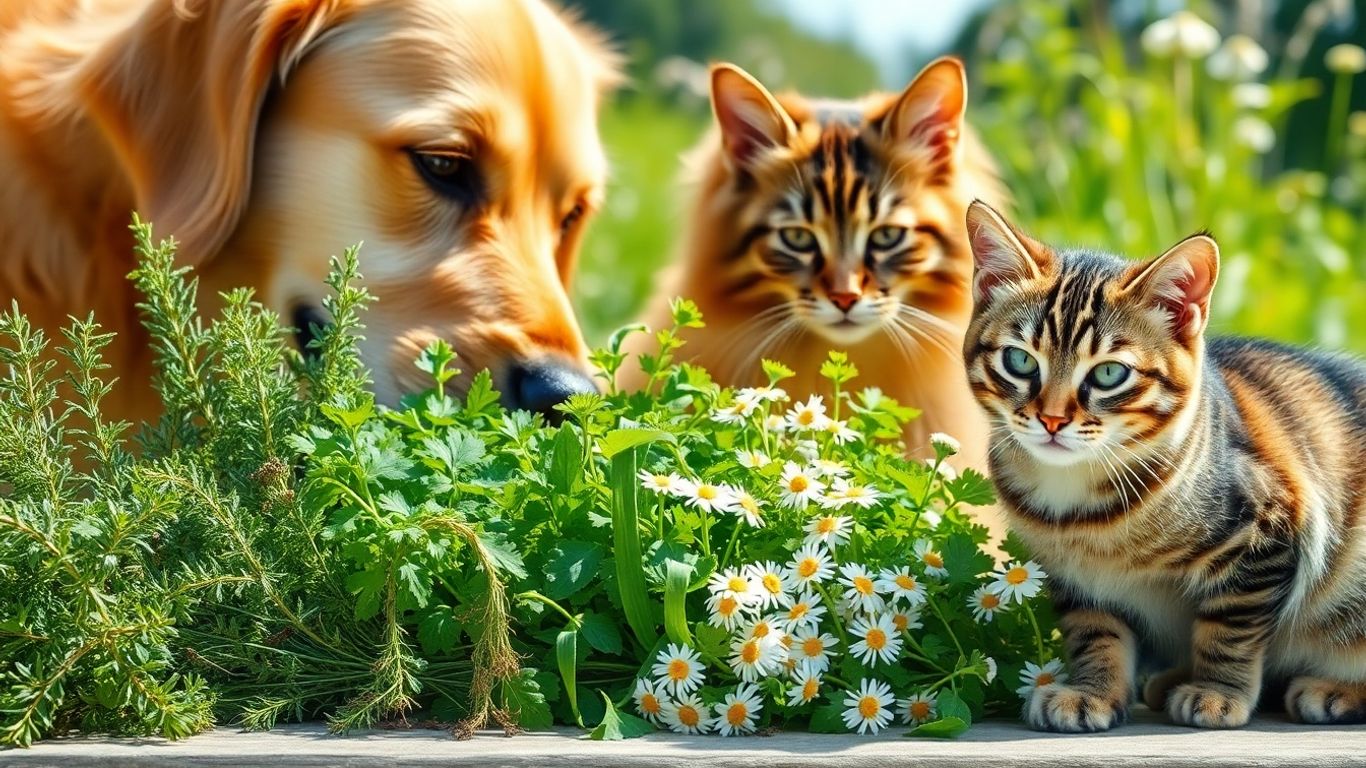

Like people, animals feel the cold, and winter can put real pressure on their immune systems. Skin problems, joint inflammation, and arthritis often flare up in colder weather, especially in older pets.
Along with keeping them warm, cats, dogs, and even birds can benefit from gentle herbal tonics added to their food or water. Certain herbs may help support digestion, expel worms, and maintain overall health, while herbal washes can keep coats and skin in good condition. However, herbal remedies should never replace a visit to the vet.
Herbs work best as support for the body’s natural healing processes, not as substitutes for conventional medicine. Their effects are usually milder and gentler than drugs, but they still “demand respect.” Always follow recommended dosages and guidelines, more is not better, and consider taking short breaks from herbal treatments (a day or even a week) before starting again as an added safety measure.
Why Incorporate Herbs into Your Pet’s Diet?
More and more pet parents are looking for ways to support their furry friends’ health using gentler, more natural methods. This is where herbs come into play. Think of them as nature’s little helpers, offering a different path to wellness compared to conventional treatments. It’s about looking at the whole picture of your pet’s well-being, not just treating symptoms.
Using herbs can be a great way to add to your pet’s health plan, especially when you’re aiming for holistic pet care solutions. They’ve been used for ages in human medicine, and many of these same plants can offer benefits for our dogs and cats too. It’s a way to work with your pet’s body, not against it, using things that have been around forever.
Nutrient-Rich Benefits of Herbs for Animals
Herbs aren’t just pretty plants; many are packed with good stuff that can really help your pet. They often contain antioxidants, which are like tiny bodyguards fighting off damage. Many also have anti-inflammatory properties, which can be a big help for achy joints or upset tummies.
Plus, they can be a source of vitamins, minerals, and fiber that support a healthy gut and a strong immune system. It’s like giving your pet a natural multivitamin, but with added therapeutic effects. These natural pet remedies can make a noticeable difference in how your pet feels day-to-day.
The Role of Herbs in Pet Wellness
When we talk about pet wellness, we’re thinking about keeping them healthy and happy from the inside out. Herbs can play a significant role in this. They can help with common issues like stress, digestive upset, or even skin irritation. For example, some herbs are known for their calming effects, which can be a lifesaver for anxious pets during thunderstorms or vet visits.
Others can support digestion, helping to keep things moving smoothly. The idea is to use these natural gifts to promote balance and vitality, contributing to a longer, healthier life for your pet. It’s a gentle, supportive approach that many owners find incredibly rewarding.
Top Herbs Beneficial for Dogs and Cats
When you’re looking for natural ways to help your dog or cat feel their best, certain herbs can be a real game-changer. These aren’t just for adding flavor to your meals; many have properties that can support your pet’s well-being, from calming nerves to aiding digestion. It’s about tapping into nature’s pharmacy for gentle, effective support. Think of these as additions to a healthy lifestyle, not replacements for veterinary care, of course.
Lemon Balm for Calmness and Digestion
Lemon balm is a fantastic herb if your pet gets easily stressed or has a sensitive tummy. It’s known for its calming effects, which can be super helpful for cat anxiety relief herbs or for dogs who get nervous during thunderstorms or car rides. Beyond just chilling them out, it can also help settle an upset stomach and reduce bloating. It’s like a gentle hug for their digestive system.
Chamomile for Soothing Nerves and Skin
Chamomile is probably one of the most well-known calming herbs, and for good reason. It’s mild and effective for soothing frazzled nerves in both dogs and cats. If your pet seems a bit on edge, a little chamomile can go a long way. It’s also been used topically to help calm irritated skin, making it a dual-purpose wonder. It’s a gentle way to promote relaxation and comfort.
Parsley for Fresh Breath and Urinary Health
Who knew parsley could do so much? For starters, it’s a natural breath freshener, which is a win for everyone involved. But its benefits go deeper. Parsley also supports urinary tract health, helping to keep things functioning smoothly. Some studies suggest it might even have properties that help with inflammation, which is always a good thing for active pets.
Ashwagandha for Stress and Joint Support
Ashwagandha is an adaptogen, meaning it helps the body manage stress. This can be incredibly beneficial for pets who experience chronic stress or anxiety. It’s not just about mental well-being, though. Ashwagandha is also recognized for its potential to support joint health, which is great news for older pets or those with achy joints. It’s one of those herbal supplements for dogs that offers a broad range of support.
Powerful Herbs for Pet Health and Vitality
Sometimes, our furry friends need a little extra support to stay feeling their best. Beyond the usual kibble and treats, a whole world of natural helpers exists in the plant kingdom. We’re talking about herbs, and some are real powerhouses when it comes to keeping your dog or cat vibrant and healthy. These aren’t just for adding a bit of flavor; they can actually help with some common issues pets face.
Turmeric: A Joint and Gut Health Powerhouse
Turmeric is one of those spices that’s been getting a lot of attention lately, and for good reason. It’s packed with something called curcumin, which is known for its anti-inflammatory properties. For pets, this can mean a big difference, especially if they’re dealing with stiff joints or discomfort.
Think of it as a natural way to help them move a little easier. But it’s not just about joints; turmeric can also be a friend to your pet’s digestive system. It helps support a healthy gut, which is super important for overall well-being and nutrient absorption. It’s like giving their insides a gentle tune-up.
Dandelion for Detoxification and Digestion
Most people think of dandelion as just a pesky weed in the lawn, but it’s actually a pretty amazing plant for pets. The root and leaves are full of good stuff. Dandelion is known to help support the liver and kidneys, which are the body’s natural detoxifiers. So, it can give those organs a little boost to do their job. Plus, it has fiber that can help keep their digestion running smoothly. It’s a simple, natural way to help your pet’s body clear out what it doesn’t need.
Burdock Root for Skin Allergies and Detox
If your pet has ever struggled with itchy skin or allergies, burdock root might be worth looking into. It’s often used to help calm down irritated skin and reduce that uncomfortable itchiness. Beyond skin issues, burdock root also plays a role in supporting the body’s natural detoxification processes, similar to dandelion. It’s thought to help cleanse the blood and can also contribute to a healthier gut thanks to its inulin content. It’s a multi-tasker in the world of herbal support.
Oregano for Immune and Gut Support
Oregano isn’t just for pizza! In small, pet-appropriate amounts, oregano can be a beneficial herb. It has natural properties that can help fight off unwanted bacteria and fungi, acting like a gentle defender for your pet’s system. It’s also known to help reduce inflammation in the gut, which can lead to a happier tummy. Think of it as a natural way to support their immune system and keep their digestive tract in good shape.
Additional Herbs Supporting Pet Well-being
Beyond the commonly discussed herbs, there are a few more natural allies that can lend a hand in keeping your furry friends feeling their best. Sometimes, it’s the less-talked-about plants that offer some really neat benefits, especially when it comes to things like inflammation and stress.
Boswellia for Joint and Skin Inflammation
Also known as Indian Frankincense, Boswellia is a tree resin that’s been used for ages, particularly in Ayurvedic medicine. For pets, it’s a star player when it comes to tackling inflammation. Think of it as a natural way to help soothe achy joints, which is great for older dogs or cats who might be slowing down a bit. It can also be helpful for pets dealing with skin issues that are a result of inflammation, like redness or irritation. It works by helping to block certain pathways in the body that lead to inflammation.
Basil for Stress Reduction and Antioxidants
Most of us know basil as a tasty herb for cooking, but it’s got some hidden talents for our pets too. It’s surprisingly good at helping to calm down stressed-out animals. If your dog gets anxious during thunderstorms or your cat gets nervous during vet visits, a little basil might help take the edge off.
Plus, it’s packed with antioxidants, which are like little bodyguards for your pet’s cells, protecting them from damage. It’s a gentle way to support their overall well-being and keep them feeling more relaxed.
Traditional Chinese Herbal Remedies
Traditional Chinese Medicine (TCM) has a long history of using herbs to support animal health. These systems often look at the body in a more holistic way, aiming to balance energy and support natural healing processes.
For pets, TCM might involve specific herbal formulas designed to address issues like immune support or digestive upset. For example, some TCM formulas use a blend of herbs like Isatis Root and Oldenlandia, known for their properties that can help the body fight off certain invaders. It’s a different approach, often involving complex combinations of herbs, and it’s usually best explored with a practitioner familiar with both TCM and veterinary care.
Safe Administration of Herbs for Pets
Giving your pet herbs can be a wonderful way to support their health naturally, but it’s super important to do it the right way. Think of it like giving them any new food or supplement – you wouldn’t just pile it on, right? We need to be smart about it to make sure it actually helps and doesn’t cause any problems. There are plenty of safe plants for pet wellness, but even those need careful handling.
Choosing Trusted Sources for Pet Herbs
This is probably the most important step. Not all herbs are created equal, and where you get them from matters a lot. You want to make sure the herbs are pure, free from pesticides, heavy metals, or other yucky stuff that could harm your pet.
Look for companies that specifically state their herbs are for pets or are human-grade. This usually means they’ve been tested and are a safer bet. Avoid just grabbing any old herb from a general store or a garden center unless you’re absolutely sure about its purity and origin.
Introducing New Herbs Gradually
When you decide to give your pet a new herb, start small. Like, really small. Your pet’s digestive system might not be used to it, and introducing too much too soon could lead to an upset stomach, vomiting, or diarrhea. It’s a good idea to give just a tiny pinch or a drop of a diluted tincture for a few days and see how they react.
Watch for any changes in their behavior, appetite, or bathroom habits. If everything looks good, you can slowly increase the amount over time until you reach the recommended dosage.
Importance of Appropriate Dosages
Herbs are powerful, even the natural ones. What works for a big dog might be way too much for a small cat, and vice versa. It’s really important to stick to the correct dosage. This often depends on your pet’s weight, species, and the specific herb you’re using.
Always check with your veterinarian or a qualified animal herbalist before you start giving any herb. They can help you figure out the right amount and how often to give it. Giving too much can be just as bad as giving the wrong herb altogether. It’s better to be safe than sorry when it comes to your furry friend’s health.
Herbs to Avoid for Your Furry Companions
It’s easy to get excited about all the natural goodness herbs can offer our pets, but we have to be really careful. Not everything that’s good for us is safe for them, and some common plants can actually be quite harmful. It’s super important to know which ones to keep away from your dogs and cats.
Common Culinary Herbs That Are Unsafe
Lots of herbs we use in the kitchen every day are a no-go for pets. Things like garlic and onions, and their relatives (chives, scallions), are definitely toxic. Even a small amount can cause serious problems, like damage to red blood cells.
Then there’s allspice, bay leaf, cloves, and mustard seed – these can cause stomach upset or other issues. While cayenne pepper isn’t toxic, it’s going to be really unpleasant for your pet, causing a burning sensation that they won’t appreciate.
Toxic Herbs and Their Potential Dangers
Beyond the common kitchen herbs, there are other plants that pose a more significant risk. Some herbs contain compounds that can be seriously damaging. For instance, certain types of thyme, like Spanish thyme, contain oils that can lead to vomiting and breathing difficulties.
It’s not always straightforward; even parsley can be tricky. While curly parsley is generally considered safe, flat-leaf varieties might be problematic for some pets. Always double-check the specific type of herb.
Navigating Complicated Herb Safety
When in doubt, always err on the side of caution. If you grow herbs, make sure your pets absolutely cannot reach them. Consider fencing off your garden or using raised beds. The best rule of thumb is to consult your veterinarian before giving your pet any herb, even those considered safe.
They can interact with medications or supplements your pet might be taking, and the correct dosage is key. If you suspect your pet has ingested something unsafe, contact your vet right away.
Frequently Asked Questions
Why should I consider using herbs for my pet?
Herbs can be a wonderful way to naturally support your pet’s health. Many herbs are packed with good stuff like antioxidants, which help fight off bad stuff in the body, and things that can calm inflammation. They can also help with things like digestion, stress, and even skin issues, offering a gentle boost to your pet’s overall well-being.
What are some of the best herbs for dogs and cats?
Some popular and generally safe herbs for pets include Lemon Balm for calming and digestion, Chamomile for soothing nerves and skin, Parsley for fresh breath and urinary health, and Ashwagandha for stress and joint support. Turmeric is also a great choice for joint and gut health, while Dandelion can help with detox and digestion.
How do I give herbs to my pet safely?
It’s really important to be careful when giving herbs to your pet. Always start with very small amounts, and make sure you’re getting your herbs from a trusted source that specifically sells pet-safe products. It’s also a good idea to introduce one new herb at a time and watch how your pet reacts before giving them more.
Are there any herbs that are dangerous for pets?
Yes, absolutely. Some common herbs that people use in cooking, like garlic, onions, chives, and allspice, can be harmful or even toxic to pets. Others, like certain types of thyme or parsley, can be tricky and might be unsafe depending on the variety. It’s crucial to know which herbs to avoid to keep your pet safe.
Can I give my pet herbs that I grow in my garden?
While some garden herbs are safe, it’s best to be cautious. Not all herbs are pet-friendly, and some can be toxic. If you grow herbs, make sure your pet can’t accidentally eat them by putting up a fence or keeping them out of reach. It’s always safest to consult with your vet before giving your pet any herb, even if it’s from your own garden.
When should I talk to my vet about using herbs for my pet?
You should always talk to your veterinarian before giving your pet any new herb or supplement. Your vet can help you figure out if the herb is safe for your specific pet, what the right amount is, and if it might interact with any medications or other health conditions your pet has.
They are your best resource for making sure you’re using herbs safely and effectively.
Discussion about this post