

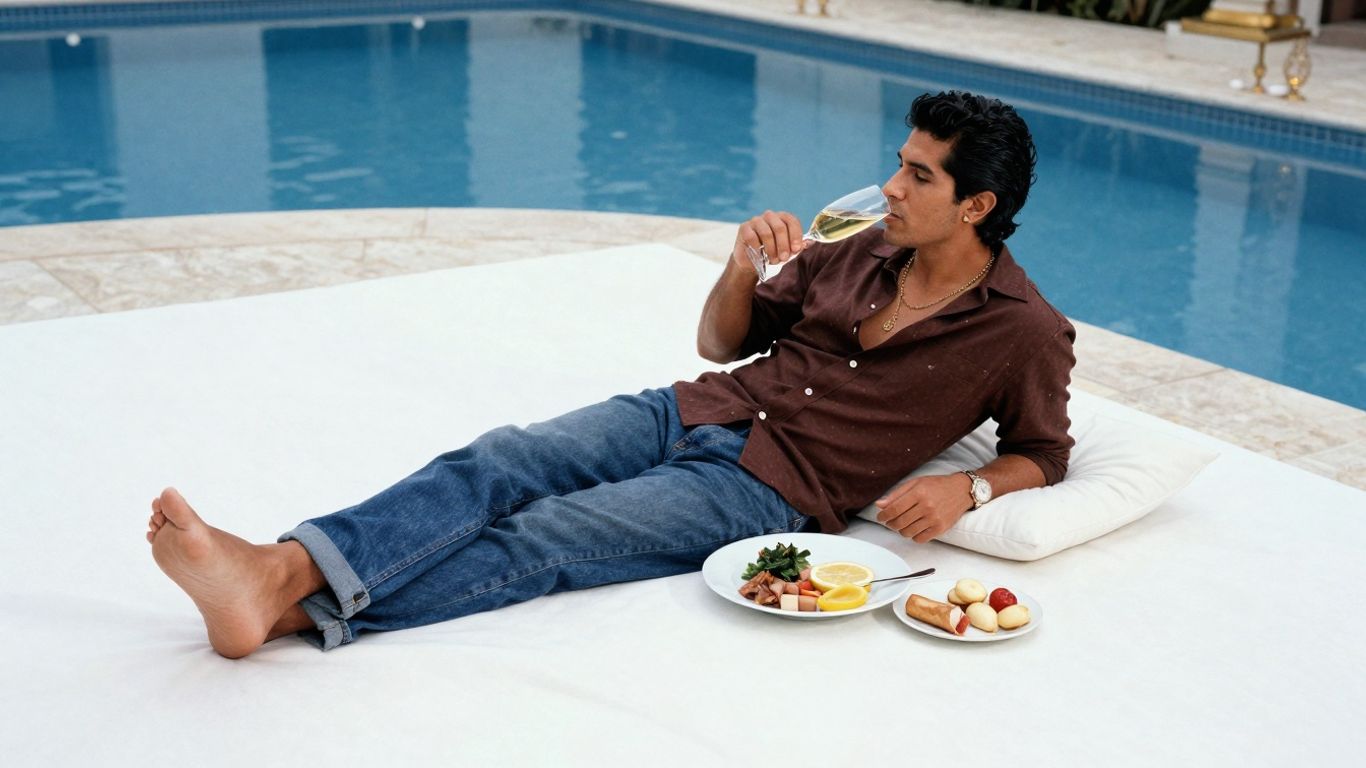

Thinking about retiring early? That’s awesome. But the big question is, how much money do you actually need? The FIRE movement has two main paths: LeanFIRE and FatFIRE. They sound pretty different, and they are. One’s about living super to get out of work fast, the other is about having a more comfortable, maybe even lavish, retirement. Let’s break down LeanFIRE vs FatFIRE to see which one might fit your life better.
Key Takeaways
- LeanFIRE means retiring with less money by living a simple, frugal life. It’s often faster to reach but requires strict budgeting.
- FatFIRE means retiring with a lot more money to live a comfortable or luxurious lifestyle. This usually takes longer and requires a higher income.
- The choice between LeanFIRE vs FatFIRE comes down to your personal values, how much you earn, and what kind of retirement you want.
- LeanFIRE might be better if you prioritize early freedom and are okay with minimalism. FatFIRE could be a better fit if you want more comfort and can save more.
- Healthcare costs, especially in places like the US, can be a big factor. FatFIRE generally offers a bigger safety net for unexpected expenses and market ups and downs.
The Core Differences: LeanFIRE vs FatFIRE
So, you’ve heard about FIRE. Financial Independence, Retire Early. It’s this whole idea of saving up enough money so you don’t have to work anymore. But here’s the thing, not everyone pictures retirement the same way. That’s where LeanFIRE and FatFIRE come in. They’re like two different flavors of the same ice cream, if you will.
Defining LeanFIRE: A Path of Frugality
LeanFIRE is all about getting to financial freedom by being really smart with your money and living a simpler life. Think of it as the minimalist approach to early retirement. People who aim for LeanFIRE usually want to retire sooner rather than later and are okay with cutting back on expenses to make it happen. It means being super mindful of where your money goes, maybe living in a smaller place, driving an older car, or cooking more meals at home.
The goal is to need less money overall, which means you can reach your savings target faster.
Defining FatFIRE: Embracing Abundance
On the other end of the spectrum, we have FatFIRE. This is for folks who want to retire early but still want to live a pretty comfortable, maybe even luxurious, life. We’re talking about being able to travel often, eat out frequently, pursue expensive hobbies, and generally not worry about the price tag. To do this, you obviously need a much bigger nest egg.
It’s less about cutting back and more about earning and saving a significant amount of money to fund a lifestyle with plenty of extras.
The Spectrum of Financial Independence
It’s important to remember that LeanFIRE and FatFIRE aren’t necessarily rigid boxes. Think of them more as points on a wide spectrum. Some people might start out aiming for LeanFIRE, but then find they have more income or change their minds and aim higher.
Others might have a FatFIRE goal from the start. There are even variations like ‘Coast FIRE’ or ‘Barista FIRE’ that sit somewhere in between, offering different ways to ease into retirement.
Here’s a quick look at how they generally stack up:
| Feature | LeanFIRE | FatFIRE |
|---|---|---|
| Annual Spending | $25,000 – $40,000 | $100,000 – $200,000+ |
| Total Savings | $600,000 – $1,000,000 | $2,500,000 – $5,000,000+ |
| Savings Rate | 20% – 30% | 40% – 60%+ |
| Timeline | Generally quicker | Generally longer |
| Lifestyle | Frugal, minimalist, simple | Comfortable, abundant, luxurious |
| Risk Buffer | Smaller buffer against unexpected costs | Larger buffer against unexpected costs/market |
Ultimately, the choice between LeanFIRE and FatFIRE comes down to your personal priorities, how much you value time versus material comfort, and what kind of life you envision for yourself after you stop working.
So, which one sounds more like you? It’s a big question, and we’ll get into the nitty-gritty of the trade-offs next.
Lifestyle Trade-Offs: Time vs. Comfort
When you’re looking at LeanFIRE versus FatFIRE, it really comes down to what you value more: getting your freedom sooner or living a more comfortable life once you’re there. It’s a classic trade-off, like choosing between a quick, simple meal and a long, elaborate dinner. Both can be satisfying, but they offer very different experiences.
LeanFIRE: Prioritizing Early Freedom
LeanFIRE is all about maximizing the time you get back. The main goal here is to escape the daily grind as quickly as possible. This means you’re willing to live a more pared-down life to achieve that early exit. Think of it as trading some of today’s luxuries for a lot more tomorrows that are entirely your own.
- Simplicity is Key: LeanFIRE often involves embracing minimalism. This could mean living in a smaller place, maybe in a less expensive area, driving an older car, or even ditching one altogether. It’s about finding joy in less and being resourceful.
- Budgeting is Strict: Your retirement budget will be tight. You’re aiming for annual expenses well below the average, perhaps $40,000 or even less. This requires serious discipline and a constant eye on spending.
- DIY Mentality: Many LeanFIRE folks become masters of doing things themselves. Whether it’s fixing things around the house, growing some of their own food, or making clothes last longer, self-reliance is a big part of the appeal.
The biggest draw of LeanFIRE is the sheer amount of time you gain. You’re essentially buying back your days, and for many, that’s priceless. It’s about having the freedom to do whatever you want, whenever you want, without worrying about a boss or a paycheck.
FatFIRE: Valuing a Lavish Retirement
On the flip side, FatFIRE is for those who want to enjoy their retirement without constantly pinching pennies. It’s about having the financial means to live a life of abundance, comfort, and maybe even a bit of luxury. You’re willing to work longer or earn more now so you can truly indulge later.
- Comfort and Luxuries: This path allows for more spending on things like travel, dining out, hobbies, and perhaps a larger, nicer home. There’s room for splurges and enjoying the finer things.
- Higher Spending Cap: Your retirement budget will be significantly higher, reflecting a lifestyle that doesn’t shy away from expenses. Think $100,000 or more annually, depending on your tastes and location.
- Flexibility and Buffers: A larger nest egg provides more security. Unexpected costs, market dips, or even just wanting to take an expensive trip are easier to manage without derailing your plans.
The Role of Personal Values
Ultimately, the choice between LeanFIRE and FatFIRE isn’t about which one is
Financial Requirements: Savings and Timelines
So, you’re thinking about retiring early. That’s awesome! But how much money do you actually need, and how long will it take to get there? It really boils down to your specific financial independence goals and what kind of lifestyle you’re aiming for. Let’s break down the savings and timelines for both LeanFIRE and FatFIRE.
LeanFIRE Savings Goals and Timelines
For LeanFIRE, the name of the game is frugality. This path is all about minimizing your expenses so you need a smaller nest egg to live off. Think of it as retiring early on a budget, but a really, really tight one. People pursuing LeanFIRE often aim for an annual spending of around $25,000 to $50,000. To support that, using a common benchmark like a 4% safe withdrawal rate (SWR), you’d need a portfolio somewhere between $625,000 and $1.25 million.
The timeline to reach this goal heavily depends on your savings rate. If you’re saving 50% or more of your income, you could potentially reach LeanFIRE in as little as 10-15 years. It’s about aggressive saving and living well below your means.
FatFIRE Savings Goals and Timelines
FatFIRE, on the other hand, is about maintaining or even enhancing your pre-retirement lifestyle. This means higher annual spending, often in the $100,000 to $200,000+ range. Consequently, the portfolio needed is significantly larger. To support $150,000 in annual spending with a 4% SWR, you’re looking at needing about $3.75 million. If you’re aiming for $200,000 a year, that jumps to $5 million.
Because the target number is so much higher, the accumulation phase is usually longer. Even with a high income and aggressive savings rate (say, $100k+ invested annually), it might take 15-20 years or more to reach FatFIRE. It’s a marathon, not a sprint, focused on wealth accumulation.
Impact of Income on Savings Rates
Your income is a massive factor in how quickly you can achieve either LeanFIRE or FatFIRE. A higher income allows for a higher savings rate, which dramatically shortens your timeline. For example, someone earning $50,000 and saving $25,000 a year (50% savings rate) will reach their LeanFIRE goal much faster than someone earning $200,000 but only saving $50,000 a year (25% savings rate). The relationship between income, spending, and savings rate is the core engine driving your early retirement planning.
Here’s a simplified look at how savings rate impacts time to reach a $1 million goal (assuming a consistent 7% annual return):
| Annual Savings | Savings Rate (on $100k income) | Years to Reach $1M |
|---|---|---|
| $25,000 | 25% | ~16 years |
| $50,000 | 50% | ~10 years |
| $75,000 | 75% | ~7 years |
Remember that these are simplified examples. Taxes, investment fees, and unexpected expenses can all affect your actual timeline. It’s always wise to build in some buffer time and have a plan for the cost of early retirement, especially when considering healthcare costs.
Ultimately, understanding the cost of early retirement for your desired lifestyle is the first step. Then, you can work backwards to figure out the savings rate and timeline that makes sense for you.
Risk Tolerance and Market Fluctuations
LeanFIRE Vulnerabilities
When you’re aiming for LeanFIRE, your financial cushion is pretty thin. This means market downturns can feel a lot scarier. If the stock market takes a nosedive, especially early in your retirement, it can really mess with your plans. You’ve got less room to maneuver if your investments drop significantly. It’s like walking a tightrope – a small wobble can feel like a big deal.
Life throws curveballs, too. Unexpected medical bills or needing to help out family can put a serious strain on a tight budget. You might find yourself having to pick up part-time work again, which isn’t exactly the early retirement dream.
The biggest risk with LeanFIRE isn’t just the market; it’s the potential for your carefully planned, minimalist lifestyle to feel like a constant source of stress if it wasn’t a genuine personal choice. It’s easy to get caught up in the numbers, but if you don’t actually enjoy living frugally, it can lead to regret down the road.
FatFIRE Buffers
FatFIRE, on the other hand, comes with a much bigger safety net. Because you’re aiming for a higher spending level, your portfolio is naturally larger. This means market dips, while still not fun, are less likely to derail your entire retirement.
You have more flexibility to ride out the rough patches without drastically cutting back on your lifestyle. Think of it as having a bigger shock absorber for life’s bumps. This buffer also helps absorb unexpected costs, like major home repairs or more significant healthcare needs, without causing panic.
Healthcare Costs and Risk
Healthcare is a big unknown for everyone, but it’s particularly important to consider for both LeanFIRE and FatFIRE. For LeanFIRE, unexpected medical expenses can be a major threat to a tight budget. It’s wise to budget explicitly for premiums, deductibles, and out-of-pocket maximums. Building separate savings, sometimes called sinking funds, for medical needs is a smart move. FatFIRE has a bit more breathing room here.
While healthcare costs are still a factor, the larger portfolio means these expenses are less likely to force a major lifestyle change. However, planning is still key. Both approaches benefit from adequate insurance and, if available, from setting aside funds in an account like a Health Savings Account (HSA).
Here’s a quick look at how different approaches might handle potential financial shocks:
| Scenario | LeanFIRE Response | FatFIRE Response |
|---|---|---|
| Market Downturn | May need to reduce spending or seek part-time work. | Can often maintain spending levels with less impact. |
| Major Medical Expense | Significant budget strain; may deplete emergency funds. | Managed within the larger budget; less disruptive. |
| Unexpected Home Repair | Requires tapping into savings or cutting other costs. | Likely covered by existing funds or sinking funds. |
Choosing Your Path: Practical Considerations
So, you’re thinking about Financial Independence, huh? That’s a big step. Deciding between LeanFIRE and FatFIRE isn’t just about numbers; it’s about figuring out what kind of life you actually want to live when you’re done with the 9-to-5 grind. It’s a personal journey, and what works for your neighbor might not work for you at all. Let’s break down the practical stuff to help you make the best choice for you.
When LeanFIRE Might Be Your Ideal
LeanFIRE is all about maximizing freedom by minimizing your expenses. If the idea of early retirement, even if it means living a bit more simply, sounds appealing, this could be your jam. Think about what truly brings you joy. Is it experiences, time with loved ones, or pursuing a passion project that doesn’t require a huge budget? If your happiness isn’t tied to fancy cars or lavish vacations, LeanFIRE might be a great fit.
It often means a more aggressive savings rate and a willingness to be really mindful about every dollar spent.
- Prioritizing experiences over possessions.
- Finding joy in simple living and nature.
- A strong desire for early freedom from work.
- Comfort with a tighter budget in retirement.
When FatFIRE Could Be a Better Fit
Now, if you envision a retirement where comfort and abundance are key, FatFIRE might be calling your name. Maybe you love fine dining, traveling in style, or have expensive hobbies you want to keep up with. This path usually means a higher income, a longer accumulation phase, or both. It’s about having a larger financial cushion to support a more comfortable lifestyle without constant worry about every penny.
If you’ve worked hard and want to enjoy the fruits of your labor with plenty of room for luxuries, FatFIRE makes sense.
- Enjoying high-end travel and dining.
- Maintaining current lifestyle standards or upgrading.
- Pursuing expensive hobbies and interests.
- A preference for a larger financial safety net.
Geographic and Economic Influences
Where you plan to live in retirement plays a massive role. Retiring in a major city with a high cost of living will require a different financial strategy than settling down in a small, rural town or even moving to a country with a lower cost of living. Your income potential and savings rate are also heavily influenced by your location and the local economic conditions. It’s worth looking at how your desired lifestyle translates into actual costs in different places.
Consider these factors:
- Cost of Living: Research housing, food, transportation, and entertainment costs in your target retirement locations.
- Taxation: Understand local and national tax laws for retirees, as these can vary significantly.
- Healthcare Access and Costs: Investigate the healthcare system and associated expenses in your chosen area.
- Lifestyle Alignment: Does the local culture and environment support the activities you envision for your retirement?
Ultimately, choosing a retirement path is less about picking a label and more about designing a life that genuinely makes you happy. It’s about aligning your financial resources with your personal values and aspirations. Take the time to really think about what freedom means to you.
Real-World Examples: LeanFIRE vs FatFIRE in Action
Let’s look at how these different approaches to financial independence play out in real life. It’s not just theory; people are living these FIRE lifestyle levels right now, and their choices paint a clear picture of the trade-offs involved. The FIRE movement lifestyle really branches out here.
A LeanFIRE Case Study
Meet Alex, a graphic designer who decided early on that he wanted freedom from the 9-to-5 grind. He lives in a mid-sized city with a lower cost of living and is pretty good at keeping his expenses in check. Alex aimed for a retirement spending of around $35,000 per year. To get there, he saved aggressively, putting away over 40% of his income for years.
By age 45, he had accumulated about $875,000. Now, he enjoys his time pursuing hobbies, volunteering, and spending time outdoors, without the pressure of a demanding job. His retirement is comfortable, but definitely not extravagant.
A FatFIRE Case Study
Consider Maria, a software engineer who earned a high salary. She always envisioned a retirement filled with international travel, fine dining, and the flexibility to pursue expensive hobbies without a second thought. Maria’s target annual spending was closer to $150,000. She saved a significant portion of her income, often over 50%, and invested wisely.
By age 50, she had built a $3.75 million portfolio. Maria’s retirement allows her to live a life of abundance, frequently visiting different countries, enjoying luxury experiences, and having the peace of mind that comes with a substantial financial cushion.
Comparing Retirement Lifestyles
Here’s a quick look at how Alex and Maria’s situations stack up:
| Feature | Alex (LeanFIRE) | Maria (FatFIRE) |
|---|---|---|
| Age at Retirement | 45 | 50 |
| Nest Egg | $875,000 | $3,750,000 |
| Annual Spending | ~$35,000 | ~$150,000 |
| Primary Focus | Frugality, Freedom | Abundance, Experiences |
| Savings Rate (Avg) | ~40% | ~50%+ |
These examples highlight that both paths lead to financial independence, but the journey and the destination are vastly different. Your personal values and what you truly want out of life are the biggest drivers in choosing between LeanFIRE and FatFIRE.
Frequently Asked Questions
What’s the main difference between LeanFIRE and FatFIRE?
The biggest difference is how much money you want to spend in retirement. LeanFIRE means retiring with less money by living simply. FatFIRE means retiring with a lot more money so you can live a more luxurious life.
How much money do I need for LeanFIRE?
For LeanFIRE, you usually need between $600,000 and $1 million saved up. This should give you about $25,000 to $40,000 per year to spend, assuming you can safely take out 4% of your savings each year.
How much money do I need for FatFIRE?
To reach FatFIRE, you’ll likely need to save between $2.5 million and $5 million, or even more. This bigger amount lets you spend $100,000 to $200,000 or more each year in retirement.
Which one, LeanFIRE or FatFIRE, can I reach faster?
LeanFIRE is usually faster to reach because you need to save less money overall. FatFIRE takes more time because you’re aiming for a much larger savings goal.
Is LeanFIRE hard to do in places like the US because of healthcare costs?
It can be tricky, especially with healthcare expenses. But if you’re willing to move to cheaper areas or even to other countries with government-funded healthcare, it becomes much more possible.
If the stock market drops, which is safer: LeanFIRE or FatFIRE?
FatFIRE is generally safer during market downturns. Having more money saved gives you a bigger cushion to handle the ups and downs.
Discussion about this post