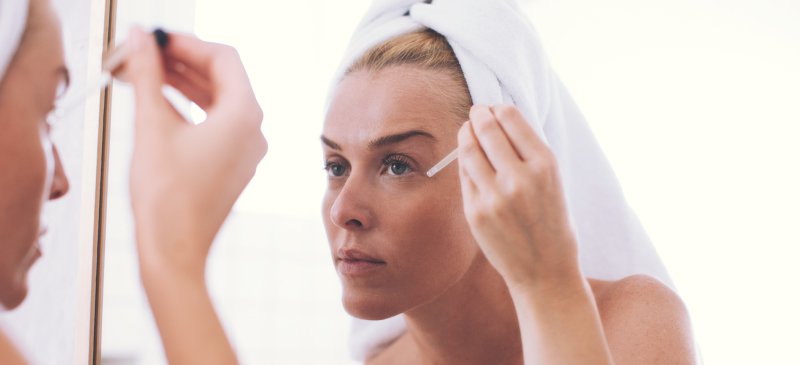
Oily skin happens when the sebaceous glands in the skin make too much sebum. Sebum is the waxy, oily substance that protects and hydrates the skin.
Sebum is vital for keeping the skin healthy. However, too much sebum can lead to oily skin, clogged pores, and acne. Managing oily skin often requires a person making regular skin care a habit.
In this article, we talk about home remedies to help reduce oily skin without prescription-strength drugs.
Symptoms
Close up of a womans oily skin
Symptoms of oily skin may include a shiny appearance, clogged pores, pimples, or skin that looks rough.
Oily skin frequently affects the face. Symptoms of oily skin include:
• a shiny or greasy appearance
• very large or obvious pores on the skin
• skin that looks thick or rough
occasional or persistent pimples
clogged pores and blackheads.
People with oily skin may have trouble finding makeup to suit their skin, as the makeup can mix with the sebum, giving it a different consistency.
The symptoms of oily skin and their severity vary between people. Genetics may play a role in how oily the skin becomes.
Hormone changes or high-stress levels may also increase the production of oily sebum by the body.
Treatment
Here, we give six ways in which a person can reduce the symptoms of oily skin if it is problematic for them:
1. Wash regularly
man washing his face in bathroom sink to help with oily skin
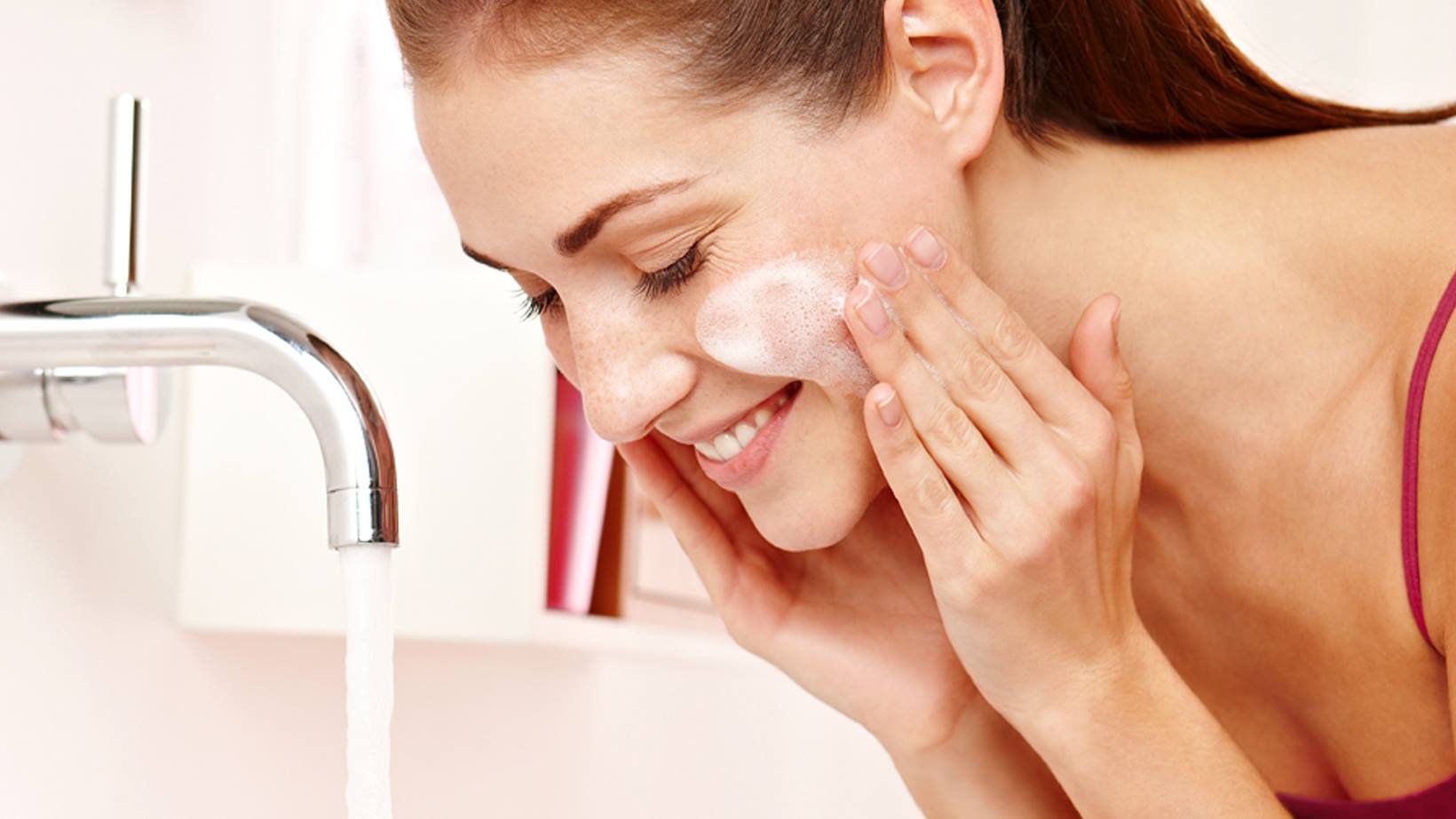
Washing with warm water and a gentle soap can reduce the amount of oil on the skin.
Washing regularly can reduce the amount of oil on the skin. The following methods are recommended for washing oily skin:
Wash with a gentle soap and warm water.
Avoid soaps with fragrances, added moisturizers, or harsh chemicals, which can irritate or dry out the skin, making it respond by creating more sebum.
Avoid loofahs and rough washcloths, as added friction may stimulate the skin to make more oil.
If this is not effective, some medicated acne care products may help. These products contain acids that can tackle oily skin, such as:
salicylic acid
glycolic acid
beta-hydroxy acid
benzoyl peroxide
These acids may be irritating to some skin types. When starting a new product, use it on a small area of skin first to see how the body reacts.
Choosing the right facial cleansers may work well for some people. A 2015 study found that a mild facial cleanser made with sodium laureth carboxylate and alkyl carboxylates was effective for tackling moderate facial acne, although it increased sebum production in some areas of the face.
For many people who simply have oily skin and not acne vulgaris, fragrance-free glycerin soap and hot water may do the trick.
2. Use a toner
Astringent toners that contain alcohol tend to dry out the skin. However, according to a 2014 study, natural astringents, such as witch hazel, can have skin soothing properties.
Witch hazel has a high tannin content that makes it a natural astringent and anti-inflammatory. Many people with oily skin use witch hazel as their only toner.
In some people, natural astringent toners can make enlarged pores seem smaller and remove small bits of product or makeup that could clog pores.
However, these products may not work for everyone. Some may find that their face tingles or itches when using astringent toners. If this happens, it may be a sign of irritation that could lead to more sebum production.
People should test out any new toner on a small patch of skin to avoid potential irritation.
3. Pat the face dry
When drying the face after washing and using toner, people should gently pat their skin dry with a soft towel.
This should be done with care, however. Pulling down on the skin with a towel, or using a rough washcloth, is not advised, as it may stimulate the skin to create more sebum.
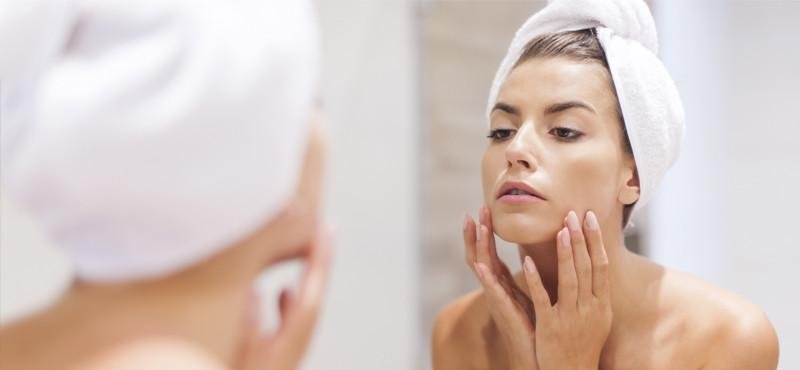
4. Use blotting papers and medicated pads
many companies make blotting papers, which are specially designed absorbent papers that pull oil from the skin.
Blotting papers will not treat the sebum production in the skin, but they can be used to lift excess oil off the skin throughout the day to make it appear less shiny.
A person could also try cloth pads that are medicated with familiar cleansing ingredients, such as salicylic acid or glycolic acid. These may help to remove excess oil through the day, while cleansing the pores and skin.
5. Use a facial mask
Certain facial masks may be beneficial for treating oily skin. These may contain ingredients such as:
Clay. Masks containing minerals like smectite or bentonite can absorb oils and reduce skin shininess and sebum levels without irritating the skin. Use them only occasionally to prevent the skin drying out, and apply a gentle moisturizer afterward.
Honey. A 2011 study reports that natural raw honey has antibacterial and antiseptic qualities. A 10-minute honey face mask may reduce acne and oily skin while keeping the skin soft.
Oatmeal. Masks containing colloidal oatmeal may help to cleanse the skin, as suggested in a 2014 study. Oats contain gentle, cleansing saponins, antioxidants, and anti-inflammatory compounds that could soothe irritated skin.
6. Apply moisturizers
woman applying moisturizer to her oily skin
Moisturizers may benefit the skin if the right ones are used.
While many people with oily skin steer clear of moisturizers for fear that their skin will look greasier, using the right moisturizers can benefit this type of skin.
For people with very oily skin, an oil-free moisturizer could help keep the skin moist and protected, without it feeling greasy.
A 2014 study suggests that aloe vera could be a good moisturizer for treating acne and oily skin.
Certain compounds in aloe vera can have a naturally soothing effect on the skin. The study noted that a product should have at least 10 percent aloe in it to be an effective moisturizer.
Some people choose to use pure aloe gel for moisturizing, but they need to be aware of hidden ingredients, especially denatured alcohol, which could dry and irritate the skin.
Prevention
Oily skin that is linked to genetics can be difficult to prevent. Even oily skin caused by changes in hormones is difficult to control.
The best prevention for oily skin is for an individual to find a consistent skin care routine that works, and to stick to it.
When oily skin arises, it can be tempting to hide it with makeup. However, certain products, particularly oil-based products, could make symptoms worse or clog the pores.
Water-based makeup may be a better option for some, while others find wearing no makeup works best for their skin.
Many people also say their diet is what keeps their skin from acting up. It may help to stay hydrated, avoid greasy foods and trans fats, and to eat a well-rounded diet full of whole foods.
Outlook
Many home remedies for oily skin are not well researched, though there are some that scientific evidence suggests can be effective.
The ultimate test of effectiveness is a personal experience. A person should find a routine that works for them and stick with it.
The best course of action may be to consult a dermatologist and work with them to make a note of daily activities and factors that could cause oily skin.
It is essential to test any product or method on a small patch of skin first to note any reactions by the skin. If the skin reacts badly to a certain product, it should not be used again, and people should consult a dermatologist for other options.
A person with severe acne and symptoms of oily skin should consult a dermatologist for the best way to protect the skin and prevent serious complications or scarring.