- Recent statistics of Malaria deaths in Nigeria
- Factors leading to Malaria prevalence
- Government’s Efforts
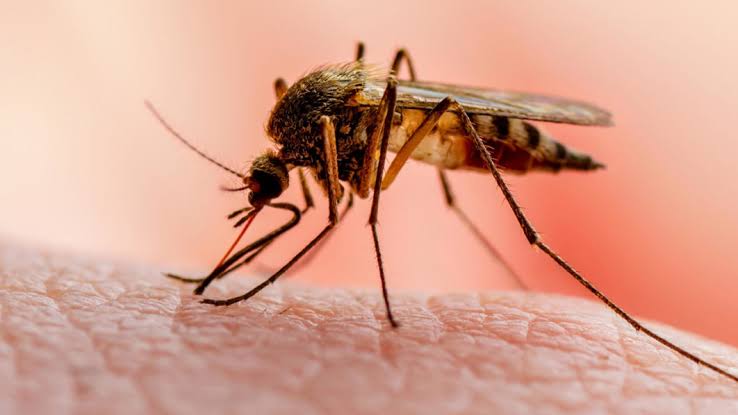
Malaria in Nigeria is endemic and stands as a life-threatening condition. Through the bites of some infected female Anopheles mosquitoes, malaria can be transmitted. Blood transfusion and contaminated needles may also transmit malaria. In many of the countries affected by malaria, it is a leading cause of illness and death, and in Nigeria, over a million people have died of the parasite in three years. This has become a public health challenge.
In 2020, WHO report that there were an estimated 241 million malaria cases and 627,000 malaria deaths, mostly of children under five worldwide. About 96% of malaria deaths globally were in 29 countries. Six countries – Nigeria (27% – 169,290), the Democratic Republic of the Congo (12%), Uganda (5%), Mozambique (4%), Angola (3%), and Burkina Faso (3%) – accounted for just over half of all malaria deaths globally.
Nigeria recorded the highest number of malaria deaths across the world in 2021, according to the release by the World Health Organisation. Nigeria recorded 31 percent(191,890) of the 619,000 deaths recorded globally, of this number, Africa recorded a total of 599,000 deaths within the period.
So Many Factors Leading To Malaria Prevalence
Malaria occurs mostly in poor, tropical, and subtropical areas of the world. Africa is the most affected due to a combination of factors. Nigeria experiences a tropical climate with rainy and dry weather conditions. Weather influences the reproductive rate and life span of insect vectors that transmit diseases. There is an established association between weather and the incidence of malaria in Nigeria. The country experiences high levels of rainfall between June and September each year and there is a reported increase in malaria transmission during these humid months. Malaria is especially prevalent in the rural northern region of the country.
Also, Housing deficits in Nigeria lead to overcrowded living conditions. The vector that transmits malaria spreads from an infected host through a mosquito bite. Overcrowded spaces serve as a conduit for disease outbreaks and can increase the risk of malaria because higher concentrations of carbon dioxide and other chemicals in crowded houses attract mosquitoes. In addition, reports suggest that poorly ventilated dwellings allow mosquitoes to enter more easily than well-constructed housing with screened windows, thus increasing disease transmission.
Unhygienic living conditions also serve as breeding sites for malaria-carrying mosquitoes. According to the United Nations, about 133 million Nigerians lack access to potable water. Lack of access to basic amenities hinders compliance with public health measures of proper handwashing and waste disposal. Poor sanitary conditions continue to hinder efforts in eliminating the disease across Nigeria.
Prevention is key in controlling and eliminating malaria. According to the National Primary Healthcare Development Agency (NPHCDA), about six out of ten Nigerians lack access to quality primary healthcare services, a situation that is worsening disease outbreaks and out-of-pocket expenditure, resulting in high morbidity rates for those who have poorer health outcomes. Malaria is a mosquito-borne disease that continues to stand as a significant public health crisis in Nigeria.
Government’s Efforts
According to the World Health Organization (WHO), the Nigerian Ministry of Health, launched the implementation of the Global Fund 2021-2023 Malaria grant towards support to the elimination of the disease and building a resilient sustainable system for health across the country on the 14 April 2021.
The launching is a follow-up of the Presidential launch of the Global Fund to Fight AIDS, TB and Malaria (GFATM) grants to Nigeria and marks the beginning of the implementation of the Global Fund 2021-2023 malaria grant in Nigeria.
Following the report given by United Nations Office for Project Services (UNOPS), in support of Nigeria’s goal of eliminating malaria in the country and bringing malaria-related mortality to zero, UNOPS is working with the Ministry of Health’s National Malaria Elimination Programme (NMEP) to procure medical items to fight malaria.
Further research stated that in August 16, 2022, President Muhammadu Buhari in Abuja, inaugurated Nigeria End Malaria Council (NEMC), projecting that the successful implementation of the council’s agenda and savings from the estimated economic burden of the disease would save Nigeria about N687 billion in 2022 and N2 trillion by 2030. He inaugurated Aliko Dangote as the head of NEMC.
Away from donations and grants, the Nigerian government has initiated various existing programs, strategies, and interventions for malaria elimination. These include the National
Malaria Control Program (NMCP), the National Malaria Elimination Program (NMEP), the National Malaria Strategic Plan, and the most recently inaugurated Nigeria End Malaria Council in August 2022.
The government has also secured credits from three multilateral banks (the World Bank, African Development Bank, and Islamic Development Bank) totalling $364 million to fund health sector interventions in 13 states of the Federation for five years (2020–2024) for malaria.
With 97% of the population at risk of malaria, National Malaria Strategic Plan (NMSP) is based on the vision of achieving a malaria-free Nigeria with a goal of reducing malaria morbidity to less than 10 percent parasite prevalence and mortality attributable to malaria to less than 50 deaths per 1,000 by 2025.
Nigeria Expects Malaria Vaccine
The Federal Government has said the RTS, S/AS01 malaria vaccine is expected to be in the country by April 2024. The World Health Organisation, in 2021, recommended the widespread use of the RTS,S/AS01 (RTS,S) malaria vaccine among children in sub-Saharan Africa and other regions with moderate to high Plasmodium falciparum malaria transmission.
Recall that Nigeria failed to apply for the new malaria vaccine before the second application window closed on January 17, 2023.
However, the Minister of Health, Dr Osagie Ehanire, who spoke at a press briefing in commemoration of World Malaria Day on Tuesday, said Nigeria had applied for the RTS,S/AS01 malaria vaccine in the third application window for the vaccine, which ended April 18, 2023.
Dr Osagie, who was represented by the Permanent Secretary of the Ministry of Health, Mamman Mamuda, said, “Let me also inform you that the national programme is working closely with the National Primary Health Care Development Agency and other stakeholders in accessing and deploying the malaria vaccine (RTS,S) in a phased version, subject to availability of the needed quantity.
“The country has also successfully submitted an application to Gavi for the RTS,S vaccine allocation. This is expected to be in-country by April 2024.”