
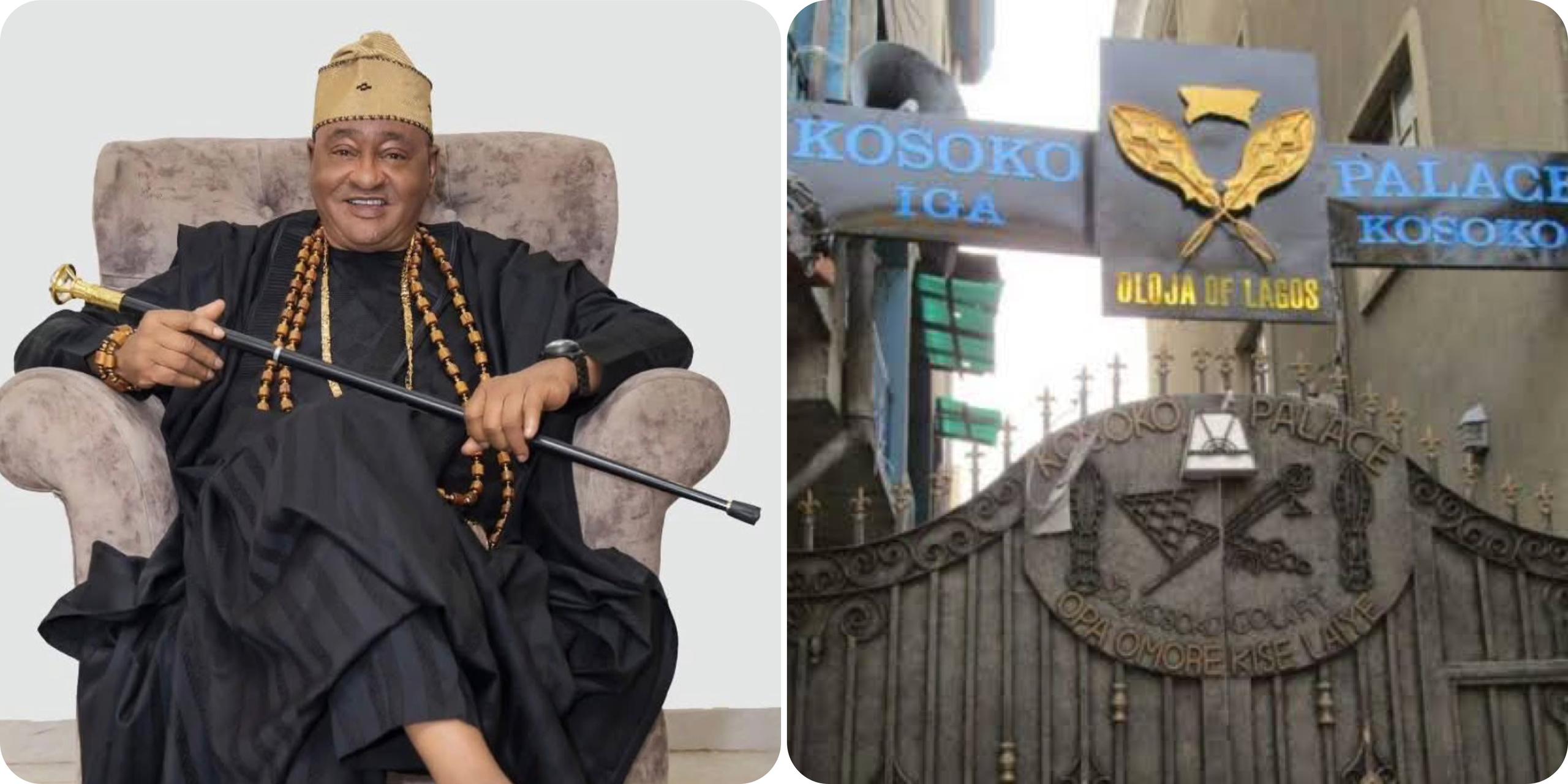
Prince Babajide “Jide” Kosoko, one of Nigeria’s most respected actors, has entered a new chapter in his life and in Lagos’s history. On January 27, 2026, the King Kosoko Royal Family formally declared him the Oloja of Lagos‑elect, ending years of vacancy for one of the city’s most cherished traditional titles.
A Life in the Spotlight
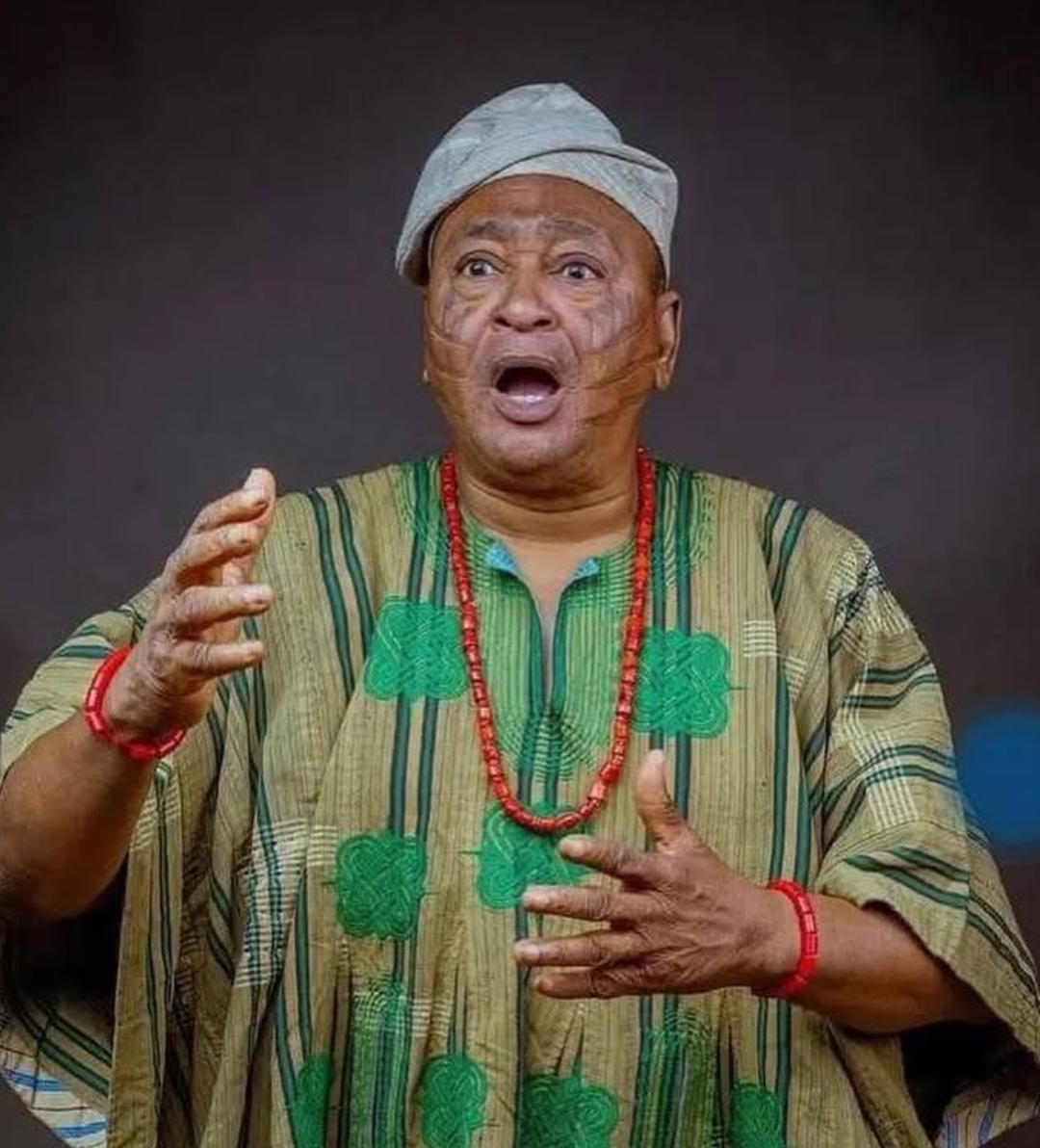
Born on January 12, 1954, on Lagos Island, Jide Kosoko grew up as a member of the Kosoko royal family, one of Lagos’s most historic lineages. This heritage gave him the Yoruba traditional honorific Omoba, meaning “prince.” Kosoko’s acting career began in 1964 when he was selected for a television role as a child.
Over six decades, he built an extraordinary body of work in theatre, television, and film in both English and Yoruba. He became known not just as an actor, but as a director, producer, and storyteller whose work helped define Nollywood, Nigeria’s thriving film industry. His career has spanned countless roles, awards, and contributions to cultural life in Nigeria.
Beyond his artistic achievements, Kosoko has played leadership roles within his royal family. In October 2024, he was appointed head of the Oteniya branch of the Kosoko dynasty. He was formally presented to the Oloriebi in Council on October 12, 2024, and re-confirmed as the official Ambassador of the family.
This solidified his place within Lagos’s traditional structures and confirmed his deep roots in the city’s heritage.
The Kosoko Dynasty and the Roots of Lagos Tradition
To understand why Jide Kosoko’s selection as Oloja of Lagos is so significant, it helps to look at the deep history of the Kosoko dynasty and its enduring influence on Lagos.
The dynasty traces back to King Kosoko, who reigned as Oba of Lagos from 1845 to 1851. Lagos royalty in the 19th century was centered around the Ologun Kutere ruling house, which produced several monarchs including Esinlokun, Idewu Ojulari, and later Kosoko himself. His reign came after a long period of political and military struggles for leadership, and his influence extended into trade, diplomacy, and territorial control across what is now Lagos State. Much of this period was tied to the trans-Atlantic trade and complex alliances between local leaders and European powers, which shaped Lagos’s early identity.
Following colonial interventions and shifting power structures in the late 19th and early 20th centuries, the role of family leadership and traditional titles evolved. While the Oba of Lagos became the city’s ceremonial monarch, other positions retained great cultural significance, including the title of Oloja of Lagos. The Oloja historically led Lagos Island’s council of chiefs, overseeing customs, culture, and community welfare. Succession to this title has always been guided by centuries-old protocols, which were later formalized through the Registered Declaration of 1983, blending traditional authority with modern legal frameworks. This ensures that both heritage and governance are respected.
Because of this deep history, the selection of a new Oloja is more than a ceremonial appointment. It represents the continuation of traditions that stretch back over a century and connects Lagosians to a royal lineage that has shaped the city for generations.
What Is the Oloja of Lagos?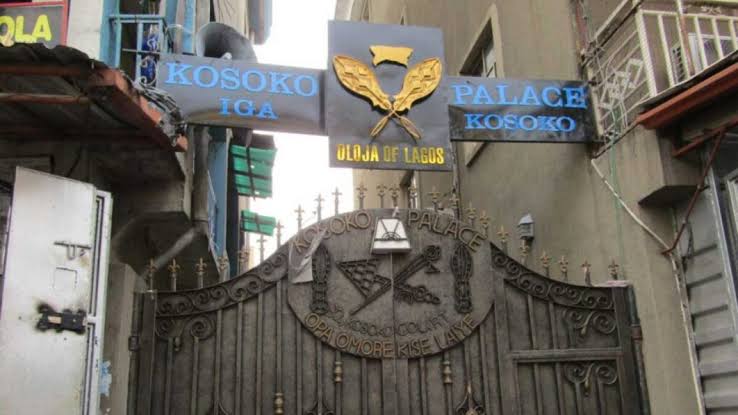
The Oloja of Lagos is a traditional title with deep cultural significance. It is associated with leadership, cultural stewardship, and the preservation of Yoruba customs. Although it does not carry political power like modern government offices, the title is a symbol of identity, history, and continuity in Lagos’s most historic neighborhoods.
Unlike the Oba of Lagos, who serves as the ceremonial monarch of the city, the Oloja works within the traditional council of chiefs on Lagos Island. The role supports customs, cultural events, and community governance, while also acting as a respected voice in Lagos’s complex system of traditional institutions.
The Long Road to Declaration

The stool of the Oloja of Lagos had been vacant since December 23, 2017, following the death of Chief Adebola Idris Disu Ige. For more than eight years, Lagos’s traditional community awaited the appointment of a new Oloja.
In October 2020, a 16-member committee was formed to oversee the selection process. Members of the Akinsanya Olojo Kosoko Ruling House, next in the rotational order, presented eligible candidates.
Four princes were considered, and after careful evaluation, the committee concluded that Prince Jide Kosoko was the most suitable candidate under both customary and legal requirements. Despite this declaration, his formal installation and capping ceremony which must be presided over by the Oba of Lagos, currently Oba Rilwanu Akiolu, await final approval from the Lagos State Government.
A Royal Title Amid Debate
Kosoko’s declaration as Oloja-elect has not been without controversy. Another branch of the royal family, the Akinsanya Olojo Family, has argued that Prince Abiola Olojo-Kosoko, chosen in December 2020, should assume the role. While the royal family and kingmakers maintain that Kosoko’s selection followed all rules, public debate continues about authority, tradition, and the future of the Oloja stool.
What This Means for Lagos Culture
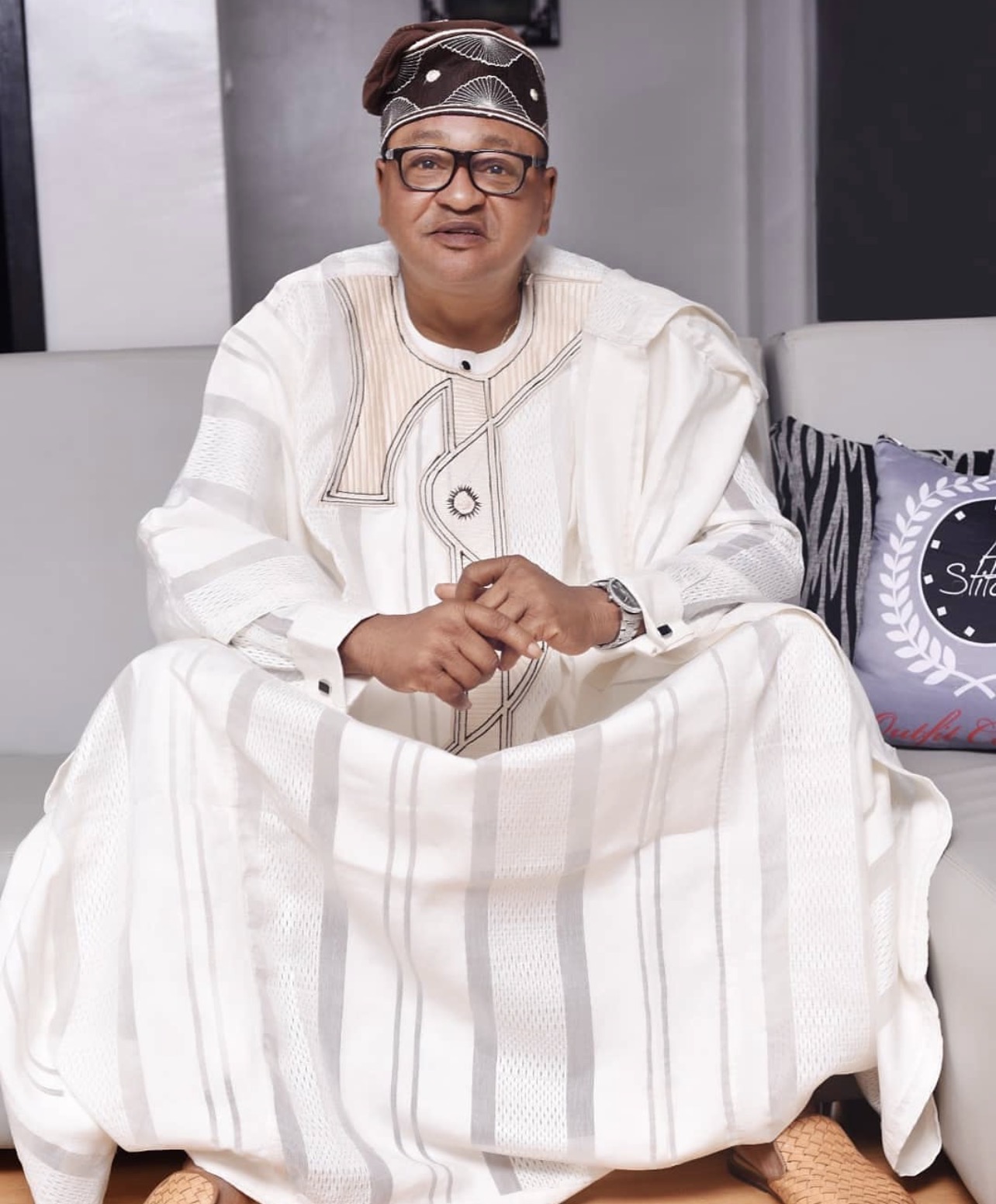
For Lagosians and admirers of tradition, the naming of Jide Kosoko as Oloja of Lagos-elect is more than a headline. It connects the past with the present, tying the city’s vibrant contemporary identity to centuries-old customs. Kosoko’s life has been a blend of performance, storytelling, and cultural leadership, making his transition into formal traditional leadership a symbolically powerful moment.
By choosing a Kosoko descendant like Jide Kosoko, Lagos is not just filling a stool; it is connecting the present to a royal lineage that has shaped the city for over 170 years. His journey from the stages and screens of Nollywood to the palace courtyard ties together entertainment, tradition, and the enduring significance of Lagos’s cultural institutions.