
When Burna Boy insists that his music is Afrofusion, not Afrobeats, he is not splitting hairs. He is making a statement about identity, history, and control. In an industry eager to compress African music into easy categories, Burna Boy has spent over a decade building a sound that refuses to be boxed. His longevity is not accidental. It is coded into the music itself.
At the center of this story is Afrofusion, not as a trend, but as a framework that explains how Burna Boy has remained relevant across changing eras, audiences, and global expectations.
Afrofusion: A Sound Built on Movement
Afrofusion is best understood as a process rather than a fixed genre. It blends African rhythms with global sounds such as reggae, dancehall, hip hop, soul, pop, and jazz. Unlike Afrobeats, which functions today as a commercial umbrella for West African pop, Afrofusion has no fixed tempo, structure, or audience.
This openness is its power. Afrofusion allows artists to move freely between traditions while remaining grounded in African musical identity. It reflects migration, cultural exchange, and modern African life, where influences are layered rather than replaced.
Long before Afrofusion became a popular label, African musicians were already blending sounds across borders. What Burna Boy did differently was to name the process and insist on it. In doing so, he turned Afrofusion into both an artistic language and a personal philosophy.
Burna Boy: Formed by Culture, Not Convenience

Born Damini Ebunoluwa Ogulu in Port Harcourt, Burna Boy’s music has always carried a sense of place. His upbringing, shaped by Nigeria’s cultural depth and his exposure to the diaspora, created an artist who was never interested in sounding local for the sake of it, or global at the cost of identity.
His early work showed promise, but it was not until later albums that his sound fully matured. Burna Boy did not chase radio formulas. Instead, he leaned into rhythm, tone, and message. Reggae basslines sat beside African percussion. Dancehall flows blended with pidgin English and Yoruba phrases. His voice carried grit, texture, and emotion rather than polish.
This refusal to flatten his sound made his rise slower than some of his peers. It also made it more durable.
The First Code: Hybrid Sound Without Dilution

One of the clearest musical codes behind Burna Boy’s longevity is his ability to fuse styles without losing center. His music borrows widely, but it never feels borrowed.
Reggae and dancehall influence his rhythm choices. Hip hop shapes his phrasing and confidence. Afrobeat informs his structure and cultural weight. Yet none of these elements overpower the African core of his sound.
This balance allows his music to travel. A listener in Lagos hears familiarity. A listener in London or New York hears access. Neither feels excluded.
The Second Code: Language as Rhythm

Burna Boy treats language as an instrument. English, pidgin, and Yoruba appear not for decoration, but for texture and timing. He switches effortlessly, allowing meaning and rhythm to coexist.
This linguistic flexibility does two things. First, it preserves cultural intimacy. Second, it creates global appeal without translation. The emotion carries even when the words do not.
In a global music space where African artists are often pressured to simplify language, Burna Boy does the opposite. He trusts the listener to meet him halfway.
The Third Code: Cultural and Political Memory

Longevity is rarely built on sound alone. Burna Boy’s music carries themes of African pride, historical awareness, and social tension. These ideas appear not as lectures, but as undercurrents.
His connection to Afrobeat pioneer Fela Kuti is not just familial or symbolic. It is philosophical. Like Fela, Burna Boy understands music as a mirror of society. His songs reflect struggle, confidence, anger, joy, and survival.
This depth gives his work replay value. As trends fade, meaning remains.
The Fourth Code: Performance as Statement
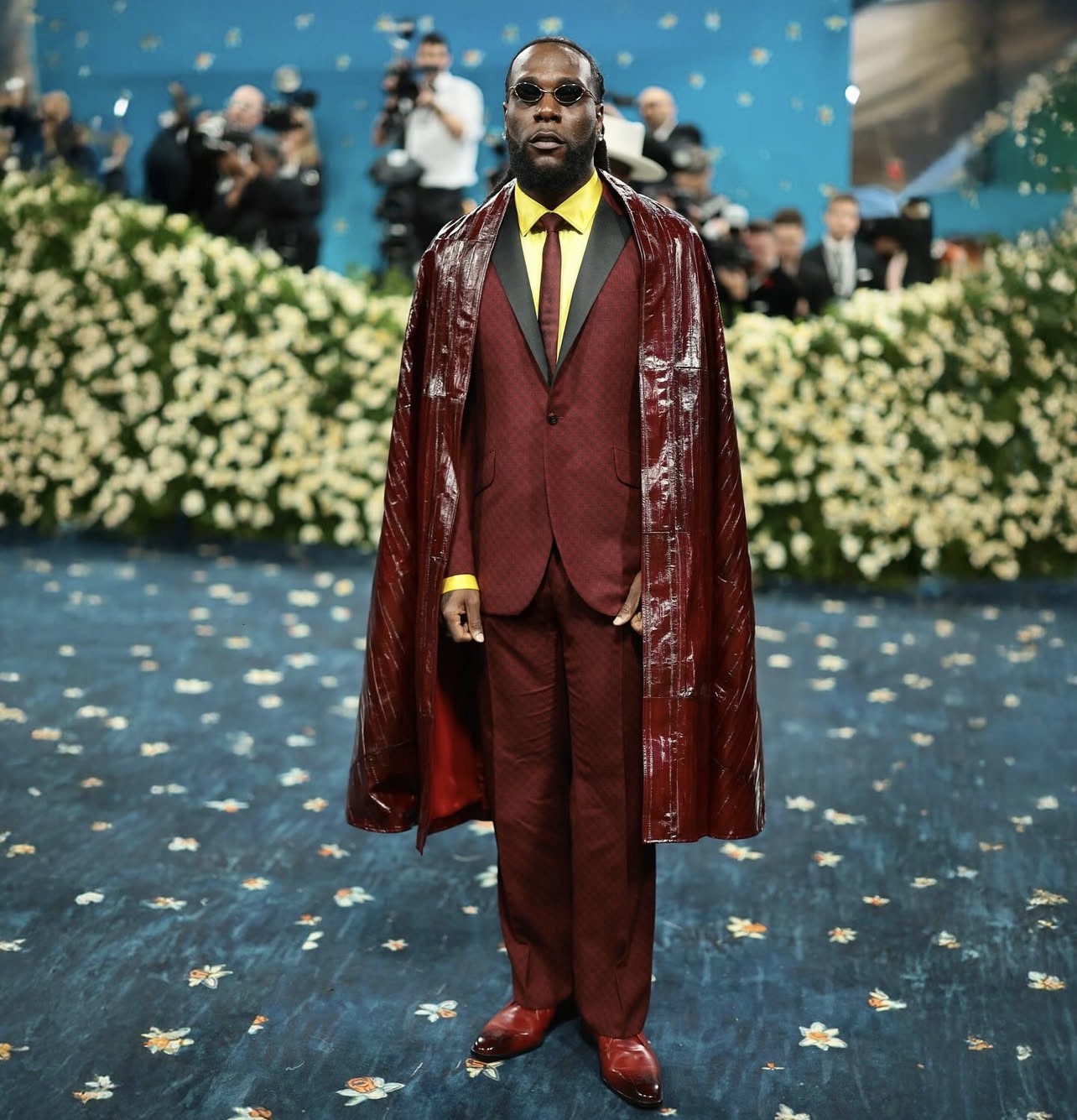
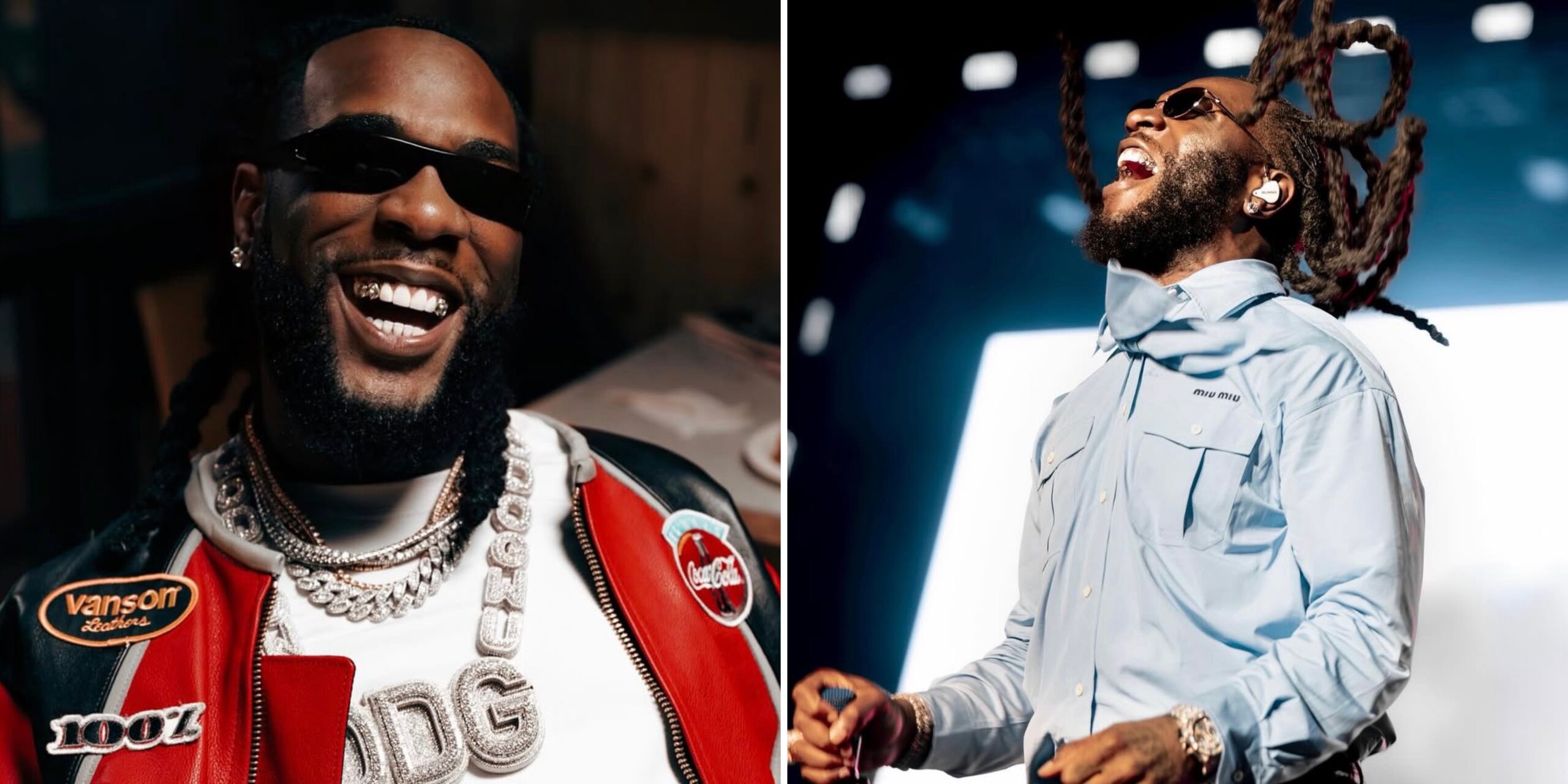
Burna Boy’s live performances are extensions of his Afrofusion identity. They are not designed simply to entertain, but to assert presence.
From African stages to global stadiums, his shows blend sound, movement, and cultural symbols. They reinforce the idea that African music does not need translation or apology. It belongs fully on the world’s biggest platforms.
This performance confidence feeds back into his recordings, strengthening the connection between artist, sound, and audience.
The Fifth Code: Naming the Sound
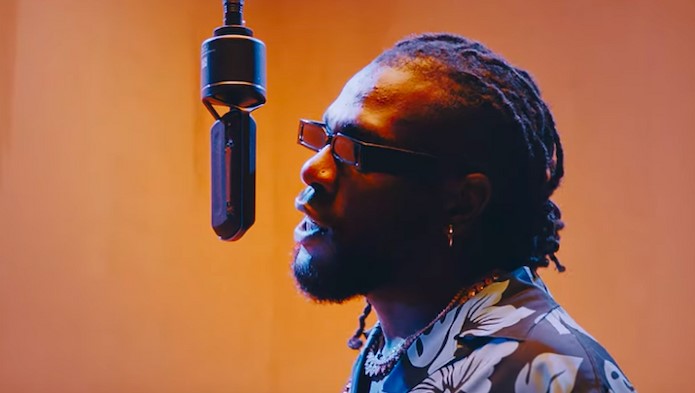
Perhaps the most overlooked element of Burna Boy’s longevity is his insistence on defining his music himself. By choosing Afrofusion, he resists the industry habit of simplifying African music into a single category.
This choice is strategic. It protects his creative freedom. It allows evolution without contradiction. It also reframes how African artists can talk about their work on their own terms.
Afrofusion becomes not just a genre label, but a claim to authorship.
Why Burna Boy Endures
Burna Boy’s success is often measured in awards, chart positions, and sold out shows. But his true achievement lies in sustainability. He has outlasted waves, sounds, and industry expectations by building a musical identity that adapts without losing its roots.
Afrofusion gives him that freedom. It allows change without erasure. Growth without compromise.
At its peak, Afrofusion is not about blending sounds for novelty. It is about telling African stories in global languages while remaining unmistakably African. Burna Boy’s career proves that when an artist controls the codes of their music, longevity follows naturally.