
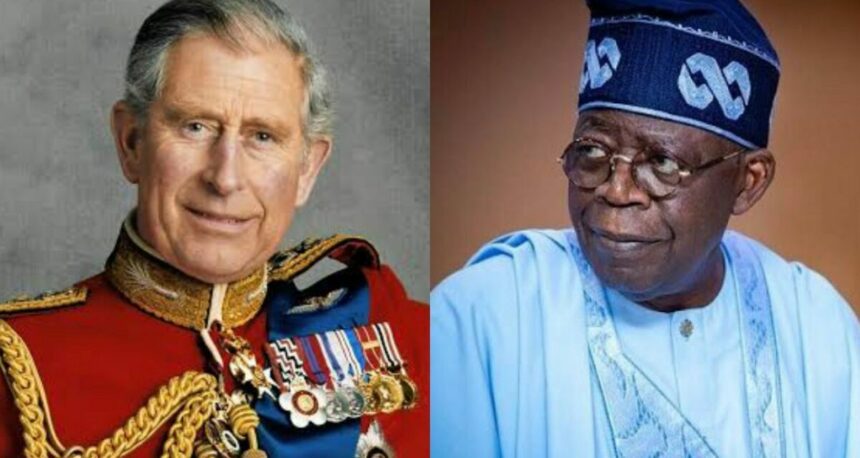
The upcoming state visit of Nigeria’s President Bola Ahmed Tinubu to the United Kingdom, scheduled for Wednesday 18 March to Thursday 19 March 2026, marks a historic milestone in UK–Nigeria relations. This visit is particularly significant as it is the first Nigerian head of state visit to the UK in 37 years, symbolizing renewed diplomatic engagement and mutual respect between the two nations.
The state visit is not only ceremonial but also strategic, encompassing discussions on trade, security, development cooperation, technology, and cultural ties. President Tinubu will be accompanied by First Lady Oluremi Tinubu, reflecting the importance of family representation in such high-level diplomacy. The visit has captured public attention in both countries, generating anticipation for formal agreements and symbolic gestures that will influence the trajectory of bilateral relations.
What the State Visit Is
A state visit is the highest level of formal diplomatic engagement between two countries, and in this context, it represents Nigeria’s renewed commitment to strengthening ties with one of its former colonial partners and key global trade and investment hubs. King Charles III personally invited President Tinubu, underlining the significance the British monarchy places on this engagement. Unlike ordinary diplomatic visits, a state visit involves ceremonial events, official talks, and public displays of respect that reinforce national dignity and political stature. The two-day itinerary is designed to blend symbolic gestures with substantive discussions on economic, political, and cultural collaboration.
State visits often serve multiple purposes simultaneously: they are platforms for negotiation, signals of political alignment, opportunities for showcasing cultural heritage, and instruments for reinforcing national prestige on the global stage. For Nigeria, this visit is especially critical as the country seeks to position itself as Africa’s leading economy while addressing contemporary challenges such as security concerns, trade diversification, and international investment. The visit will also reflect Nigeria’s strategic use of diplomatic relations to support domestic development objectives.
Where and Who Will Host
The formal reception for President Tinubu and his delegation will take place at Windsor Castle, one of the core royal residences of the United Kingdom. King Charles III and Queen Camilla will host the Nigerian delegation, symbolizing the ceremonial and historical significance of the engagement. Windsor Castle has frequently been used for high-profile diplomatic events, especially as Buckingham Palace undergoes refurbishment, making it both a practical and symbolic venue for showcasing the pageantry and gravitas of a state visit.
The setting at Windsor Castle also carries historical resonance. As a location long associated with British monarchy and diplomacy, the castle has been the backdrop for treaties, official receptions, and landmark announcements, giving the visit a layer of historical continuity. For Nigeria, the choice of Windsor underscores the importance of the visit, highlighting the prestige accorded to the President’s presence and the visibility of Nigeria as a key partner in international affairs. The venue will host ceremonial events, including the official welcome, state banquet, and bilateral meetings in a controlled and prestigious environment suitable for high-level diplomatic exchanges.
Profiles of Key Figures
Bola Ahmed Tinubu – President of Nigeria
Bola Ahmed Tinubu was born on 29 March 1952 in what is now southwestern Nigeria and studied accounting in the United States before returning home and entering politics. He served as Governor of Lagos State from 1999 to 2007, gaining prominence as a political reformer. Tinubu played a key role in forming the All Progressives Congress (APC) and was elected President of Nigeria in May 2023.
Under his leadership, Nigeria has pursued bold economic reforms, including tax restructuring and removal of a fuel subsidy, aimed at improving Nigeria’s business environment and long‑term growth outlook.
Tinubu has also actively engaged with global leaders since taking office, strengthening diplomatic partnerships — including private and formal meetings with King Charles III.
Remi Tinubu – First Lady of Nigeria
Remi Tinubu (born 21 September 1960) is a Nigerian politician, pastor and advocate. She served as Senator for the Lagos Central district from 2011 to 2023 and was First Lady of Lagos State during her husband’s governorship. She holds a Bachelor’s degree in Education and a postgraduate diploma, and is known for her work in education, health, and empowerment initiatives.
Her role in the planned 2026 state visit complements her public life, where she often represents Nigeria at international cultural and social engagements tied to the presidency.
King Charles III – Monarch and Host
King Charles III became King of the United Kingdom and the Commonwealth realms following Queen Elizabeth II’s death on 8 September 2022 and was crowned on 6 May 2023.
Before becoming king, he was Prince of Wales, a title associated with preparation for monarchy. During that time he made several visits to Nigeria, in 1990, 1999, 2006 and 2018, building personal and diplomatic rapport.
As king, Charles continues to act as ceremonial head of state, hosting diplomatic events and state visits that symbolise deepening bilateral relationships, including the upcoming 2026 state visit by President Tinubu.
King Charles also fosters various charitable and social initiatives through foundations like The King’s Trust International, focusing on education, youth employment and entrepreneurship.
Queen Camilla – Queen Consort
Queen Camilla became Queen Consort of the United Kingdom on 8 September 2022 when her husband ascended the throne, having previously been Duchess of Cornwall.
Queen Camilla’s duties involve supporting King Charles in official engagements, public service, and charity work, especially where royal representation intersects with cultural diplomacy and social causes. Her role in the Nigeria state visit will likely include welcoming social and cultural leaders and hosting auxiliary events related to bilateral cooperation.
What Happens During a State Visit
While the exact program for March 2026 has not been publicly detailed, typical elements of a UK state visit provide insight into what can be expected:
An Official Arrival Ceremony will mark the formal commencement of the visit. This usually includes military honours, ceremonial music, and a formal greeting at either the airport or at Windsor Castle. Such ceremonies serve to demonstrate respect, mark the importance of the visiting leader, and provide symbolic visibility for media coverage.
Formal Talks with UK Leadership are another central element. President Tinubu is expected to meet with Prime Minister Rishi Sunak and other senior officials to discuss matters of mutual interest, including trade, security cooperation, development partnerships, and technology initiatives. These discussions are both policy-driven and strategic, offering an opportunity to align priorities and explore joint projects.
The State Banquet is a highlight of the ceremonial aspect of the visit. Hosted by King Charles III and Queen Camilla, the banquet represents a formal expression of friendship and diplomatic goodwill. It is a carefully orchestrated event with speeches, presentations, and interactions that go beyond mere protocol, providing an opportunity for leaders to convey personal messages, reflect on shared history, and publicly demonstrate bilateral respect.
Diplomatic and Economic Meetings typically involve engagements with business communities, Commonwealth representatives, and cultural or educational institutions. These meetings are essential for translating ceremonial diplomacy into concrete agreements, fostering investment opportunities, and promoting joint ventures across multiple sectors.
Finally, Joint Statements or Declarations often conclude a state visit. Leaders may issue a joint communiqué outlining new agreements, shared priorities, or cooperative frameworks. These statements are important for signaling policy intentions to both domestic and international audiences and can set the agenda for future cooperation.
Historical Timelines of Nigeria–United Kingdom Visits and Interactions
Colonial and Early Relationship
Modern UK‑Nigeria relations began with colonisation, as Nigeria was part of the British Empire from the late 19th century until independence in 1960. Formal diplomatic and political ties continued post‑independence, often centred on Commonwealth membership and economic links, including trade and education exchanges.
Historically, senior British royals visited Nigeria long before current diplomatic traditions took shape. For example, the Prince of Wales (later King Edward VIII) visited Nigeria in 1925 as part of a broader West Africa tour, meeting traditional chiefs and local leaders in ceremonial events.
State Visits by Nigerian Heads of State
State visits by Nigerian leaders to the United Kingdom are rare and highly symbolic. The recorded Nigerian state visits include:
1973 — General Yakubu Gowon visited the UK
1981 — President Shehu Shagari undertook a state visit
1989 — General Ibrahim Babangida was hosted by Queen Elizabeth II in a four‑day engagement
After 1989, no Nigerian head of state received a formal UK state visit until March 18–19, 2026, a gap of 37 years that underscores the historical importance of the upcoming visit.
British Royal Visits to Nigeria
Longstanding personal ties between the British royals and Nigeria feature prominently in this history. King Charles III, before ascending the throne, visited Nigeria multiple times as Prince of Wales — specifically in 1990, 1999, 2006, and 2018. On at least one of those visits, his wife Camilla (then Duchess of Cornwall) accompanied him.
These visits were largely ceremonial but important for cultural diplomacy and maintaining Commonwealth links. British royal engagements in Nigeria, including charitable work like The King’s Trust International, often focus on youth empowerment, education, and cultural exchange, laying the groundwork for deeper political ties.
Why It Matters — Strategic Significance
The 2026 state visit is significant for multiple reasons. At the Nigeria–UK relations level, it emphasizes the priority both nations attach to trade and investment, security cooperation, migration management, Commonwealth partnerships, and technology and education collaborations. The discussions are expected to cover actionable areas that affect both countries’ strategic interests.
The symbolic value of a state visit is equally important. By inviting President Tinubu, King Charles III signals recognition of Nigeria’s role as Africa’s largest economy and its relevance in global diplomacy. The visit elevates bilateral relations beyond standard diplomatic engagement, emphasizing mutual respect, shared history, and a willingness to cooperate on pressing international challenges. It also provides a platform to showcase Nigeria’s achievements, policy reforms, and investment opportunities to a global audience.
Things to Watch Before and During the Visit
Observers will be attentive to multiple elements as the visit approaches. First is the announcement of the detailed program. Both Buckingham Palace and the Nigerian High Commission are expected to release official schedules specifying venues, timings, and confirmed events.
Second is the potential signing of bilateral agreements, which could include memorandums of understanding covering trade, infrastructure, security training, technology collaboration, and climate initiatives. These agreements have the potential to provide measurable outcomes from the visit beyond symbolic gestures.
Third is the public response in both countries. Commentary from media, civil society, and political groups often frames expectations around the cost, tangible benefits, and strategic implications of such high-profile visits. Discussions in Nigeria and the UK will reflect diverse perspectives on the value of diplomacy versus domestic priorities.
Closing Thoughts
The planned 2026 state visit of President Bola Ahmed Tinubu to the United Kingdom represents a generational milestone in Nigeria–UK relations. From the ceremonial arrival at Windsor Castle to the expected formal talks, state banquet, and potential signing of bilateral agreements, the visit blends symbolic diplomacy with substantive policy engagement.
It is a platform to reinforce historical ties, project national prestige, and create opportunities for practical collaboration. As Nigeria’s 37-year wait is about to end, this visit provides a rare chance to strengthen partnerships, build investor confidence, and advance shared interests in trade, security, technology, and development, establishing a foundation for enhanced cooperation for decades to come.