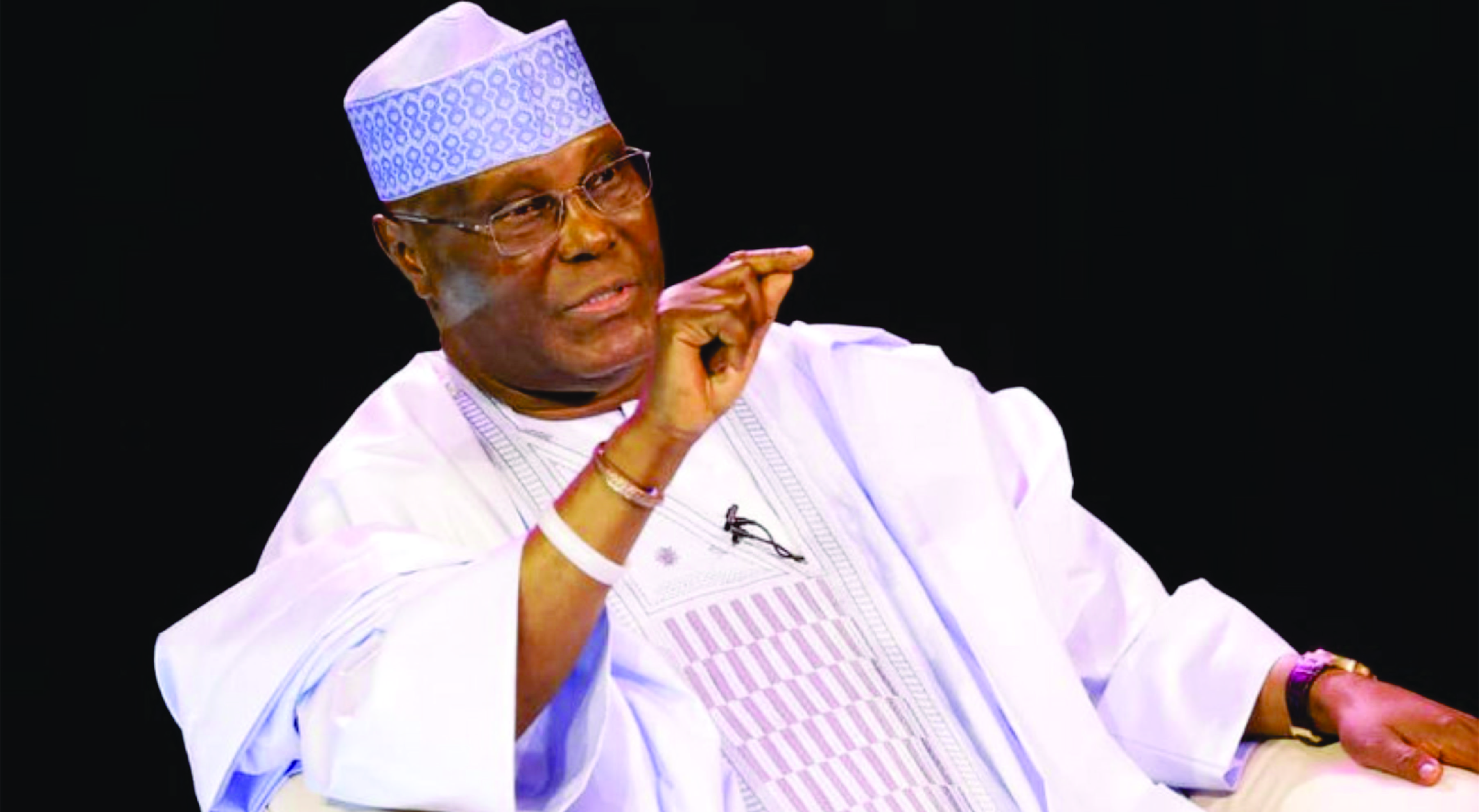


The courtyard outside the palace in Umudiwa felt heavier than usual, as though the walls themselves were holding their breath. Mist clung to the red clay paths, curling around the low verandas where elders usually gathered to exchange news, and even the wind seemed reluctant to move. The suspension letter lay on the carved stool like a weight pressing down on the very air. Six months of enforced absence, six months of quiet judgment, six months of uncertainty.
Eze Nnamdi Ofoegbu had walked these halls for decades, his presence a quiet guarantee of continuity and stability. Yet 2025 had introduced an unfamiliar tension, one that had nothing to do with ceremony or the rituals of ascension. Whispers of disobedience and accusations of defiance now clung to him like shadows, casting the palace in shades he had never known.
Outside, the villagers continued their daily routines, unaware of the invisible tremors that had begun to run through the heart of their traditional institution. To them, the king remained the same, yet those who moved within the palace walls knew the balance of authority had shifted. The suspension was not just a punishment; it was a declaration that the rules of loyalty, obedience, and influence were being tested in ways the kingdom had not seen in decades.
Even in the private chambers, Ofoegbu’s advisers whispered carefully, weighing their words with the precision of swords. Alliances formed and dissolved as quickly as shadows moved across the courtyard at dusk. For a monarch who had always believed in measured action, 2025 had become a landscape of unseen obstacles, where every gesture was scrutinized and every decision carried the weight of potential rebellion.
Origins of Conflict in Abia’s Royal Institutions
Abia’s royal councils have long been revered for their discipline, history, and intricate hierarchy. For generations, monarchs and chiefs maintained a delicate equilibrium between tradition and evolving societal expectations. Yet, the early months of 2025 saw that balance begin to fray. A forum led by Eze Nnamdi Ofoegbu had started to gather leaders from across the South East, advocating for recognition of monarchs operating outside their immediate domains.
The council perceived this initiative not as unity but as a parallel authority, a structural threat to the traditional chain of command. While Ofoegbu framed the forum as a modern attempt to strengthen the cultural voice of dispersed Igbo monarchs, the council interpreted it as a challenge, a potential fracture line in a centuries-old institution. Conversations in the corridors of power were hushed, with loyalty weighed against innovation, tradition measured against the need for evolution.

The tension culminated on June 6, 2025, when the Abia State Council of Traditional Rulers formally suspended Eze Ofoegbu for six months. The letter cited charges of “insubordination” and “flagrant disregard” for council directives, marking the formal escalation of a conflict that had been simmering for months. This suspension was not just punitive; it became a symbol of the delicate line between initiative and defiance in traditional governance.
Histories of previous challenges loomed over these events. Parallel rulers’ associations had existed in past decades but often dissolved under pressure from councils, leaving traces of resentment and suspicion. 2025’s tension echoed these past conflicts, only heightened by the visibility of Ofoegbu’s initiative and the expanding reach of his forum. Critics claimed the move undermined the authority of the council, while supporters argued it was a necessary recalibration for contemporary governance.
The stage was set for confrontation. The council had issued prior warnings, emphasizing adherence to protocol and the need for alignment with existing structures. Ofoegbu’s refusal to disband the forum became a fulcrum upon which the conflict pivoted. Every meeting, correspondence, and ceremonial gesture carried the silent weight of consequences that would reverberate through the palace for months, culminating in the suspension that defined 2025 in Abia’s royal institutions.
The Six-Month Suspension and Its Implications
When the suspension letter from the government arrived, it carried both precision and symbolism. Six months without access to the council chambers, six months barred from formal participation in decision-making, six months under the scrutiny of both allies and critics. The text outlined charges of insubordination and disregard for council directives, but the implications extended far beyond the legalistic language.
The palace itself transformed under this invisible pressure. Spaces once vibrant with debate became arenas of cautious observation. Courtiers and lesser chiefs measured each interaction, aware that a misstep could be interpreted as support or dissent. Trust fractured incrementally, replaced by the careful calculus of survival within an institution governed by both tradition and scrutiny.
For Ofoegbu, the suspension was not merely a setback; it was a mirror reflecting the tension between innovation and authority. He had envisioned a forum that would unify voices, modernize traditional influence, and ensure recognition for monarchs whose jurisdictions had expanded beyond historical boundaries. Instead, the action against him became a lesson in the persistence of old hierarchies and the subtle power wielded by councils resistant to change.

Despite the public formality of the suspension, the palace and surrounding communities were alive with speculation. Observers debated whether the measure would quell dissent or inflame it, whether other monarchs would quietly align with the council or find ways to protect Ofoegbu’s vision. Each day of the six months carried its own narrative, a blend of strategic patience, personal reflection, and the unspoken tension of what was to come.
Eze Ofoegbu’s Voice in the Midst of Silence
The suspension did not silence him, though it muted his formal authority. Behind closed doors, Ofoegbu convened his closest advisers, men and women who had grown with him through years of palace life, ceremony, and civic engagement. Their discussions were deliberate, often long into the night, weaving strategy, philosophy, and tradition into a tapestry of careful resistance. Each word was measured, knowing that leaks could be interpreted as defiance or dissent.
He reminded his inner circle that authority is not solely exercised through edicts or appearances but through the respect cultivated over decades. Those who had once doubted his decisions now watched his every move, reading subtle gestures and alliances, trying to gauge whether his influence had truly waned or merely shifted. The suspension letter, though official, became a study in perception, a lesson in the resilience of influence beyond formal titles.
Ofoegbu’s vision for the forum remained central to his actions. He framed it as a platform to amplify the voices of monarchs whose jurisdictions extended beyond traditional geographic boundaries, particularly those in urban centers or in diaspora communities. The forum had grown quietly but purposefully over the months preceding his suspension, and it was now a silent reminder that leadership is not confined to councils or chambers.
Yet the stakes were personal as well as institutional. Rumors whispered through the palace walls that the suspension was partially political, an echo of tensions between local leadership, state authorities, and national political figures. He could not openly challenge the council without risking further isolation, yet silence would be interpreted as capitulation. Each day became a careful negotiation between presence and absence, influence and discretion, hope and fear.
Community Tensions and the Ripple Effect
Outside the palace walls, the people of Umudiwa and surrounding communities sensed the undercurrents without knowing the details. Elders in village squares spoke in cautious tones, recounting stories of previous monarchs who had faced similar challenges, blending memory with speculation. The suspension of Eze Ofoegbu became a lens through which ordinary citizens considered loyalty, justice, and the weight of tradition in 2025.
Local leaders and sub-chiefs found themselves in a delicate position. Attendance at formal gatherings, participation in rituals, even casual greetings were now scrutinized for implied allegiance. Those who had previously acted freely now weighed their actions against the possible repercussions of being seen as supporters or detractors. The subtle psychology of observation transformed daily life, creating a community-wide awareness of the tension rippling from the palace.
Regional media began to report cautiously on the suspension. Headlines were factual but tinged with intrigue: “Abia Monarch Suspended for Six Months” and “Council and Forum at Odds Over Traditional Authority.” Online forums, social media pages, and diaspora groups debated the legitimacy of the forum and whether Ofoegbu’s vision represented necessary modernization or dangerous rebellion. Discussions extended far beyond Umudiwa, touching cities and towns across the South East.
Economic and social networks also felt the effect. Businesses owned by supporters or affiliated families were subtly pressured, invitations to council-sponsored events diminished, and public recognition of certain civic contributions was withheld. These practical consequences underscored the intertwining of power, respect, and survival within the ecosystem of traditional authority. The six-month period was not merely ceremonial; it was a microcosm of authority being tested in the modern age.
Shadow Alliances and Strategic Patience
Within the palace, unseen alliances began to form. Courtiers, chiefs, and advisers aligned themselves along delicate fault lines, balancing loyalty to the council against personal respect for Ofoegbu’s vision. Quiet gestures—an open door to a meeting, a whispered endorsement in a hall, a message sent discreetly to diaspora contacts—were the new instruments of influence. Politics in the shadow of tradition became a silent, almost invisible chessboard.
Ofoegbu relied on patience as a strategic tool. Every interaction was calibrated: a conversation could strengthen a bond, a misplaced word could fracture a relationship. He was acutely aware that the suspension, though limiting his formal authority, offered an opportunity to test the loyalty of allies, to observe which parts of the palace and community could be influenced without direct command. Every measured step reinforced the subtle power he still wielded.
Councils convened without him, but their deliberations were not immune to his influence. Decisions on ceremonial matters, disputes between sub-chiefs, and the allocation of traditional funds were quietly informed by his earlier guidance. In effect, his presence persisted even in absence, a lesson in the resilience of leadership that transcends formal decrees.
The broader lesson of these shadow alliances became clear: authority is not only in law or title but in trust, credibility, and the networks one nurtures over time. The six months of enforced suspension illuminated this dynamic, revealing the anatomy of influence within an ancient institution facing the pressures of modernity.
Lessons in Tradition and Modernity
Abia’s royal court in 2025 serves as a vivid study of the collision between centuries-old structures and contemporary pressures. Ofoegbu’s suspension highlighted the tension between formal authority and earned respect, between hierarchical compliance and adaptive leadership. Traditional institutions, though revered, are not immune to friction and reinterpretation.
The events of 2025 demonstrate that monarchs, even when temporarily sidelined, retain a moral and cultural influence that extends beyond ceremonial presence. For Ofoegbu, six months of absence has become a period of reflection, strategy, and quiet observation—an exercise in resilience that challenged both the council and the community to reconsider assumptions about obedience, loyalty, and legitimacy.
Modern governance and political engagement intersected with tradition, creating unforeseen complexities. Ofoegbu’s forum, though initially a flashpoint, revealed the evolving needs of monarchs in urban and diaspora contexts. It suggested that traditional authority must adapt to survive, but also that adaptation requires negotiation, patience, and the courage to challenge norms without eroding the fabric of legitimacy.

Finally, the human dimension cannot be overstated. The emotional strain on Ofoegbu, his advisers, and even those aligned with the council illustrates the personal cost of institutional conflict. Leadership, particularly within traditional settings, demands not only intellect and strategy but emotional resilience—a lesson that echoes far beyond Umudiwa, resonating across Nigeria’s cultural and political landscape in 2025.
Shadows and Lessons in the Palace (Closing Thoughts)
Six months of absence changed more than the schedule of the palace; it altered the rhythm of authority itself. The walls of Umudiwa held a new awareness, a silent acknowledgment that power is never only in titles or decrees. Influence travels in whispers, in gestures, and in the choices of those who watch and wait.
Eze Nnamdi Ofoegbu was not a subdued figure but one who had observed the currents of loyalty and doubt, understanding the subtleties that govern human allegiance. The suspension had exposed the delicate balance between tradition and initiative, showing that authority survives not only in obedience but in the quiet endurance of vision.
For the community, the months of tension became a lesson in the fragility and resilience of leadership. The Forum that had sparked the conflict continued quietly, a reminder that reform within tradition is possible, but only when guided by strategy, respect, and patience.
Ultimately, the shadow cast by those six months illuminated more than it concealed. It revealed that kingship, even in 2025, is a living interplay of trust, courage, and human insight—a force that persists beyond absence, decree, or suspicion, quietly shaping the future of tradition itself.