
President Bola Ahmed Tinubu, in March 2026, released one of the most comprehensive ambassadorial postings in recent Nigerian history. This list, approved by the presidency and confirmed by the Senate in December 2025, reflects both political strategy and diplomatic professionalism, blending career foreign service officers with influential non‑career appointees. Nigeria, Africa’s most populous nation, has long relied on strategic ambassadorial appointments to maintain its global influence, promote trade, and ensure the safety and prosperity of Nigerians abroad. Each posting carries weight not only in diplomatic terms but also in signaling Nigeria’s foreign policy priorities for the coming years.
With 65 envoys approved, the administration has ensured representation across key global capitals and international organizations. Among these, 31 are non‑career ambassadors, chosen from political and professional backgrounds, while 34 are career diplomats who have risen through the ranks of the Ministry of Foreign Affairs. This dual approach indicates President Tinubu’s intent to balance experience with fresh influence, combining deep professional training with political acumen.
Non‑Career Ambassadors and High Commissioners
Non‑career ambassadors are often political appointees or prominent figures with expertise in governance, law, or international relations. Their postings signal Nigeria’s intent to leverage relationships, strengthen bilateral ties, and sometimes reward individuals who have contributed significantly to the nation’s development or political landscape. The list for 2026 includes influential senators, former government officials, and notable personalities with global visibility.
Some notable appointments include:
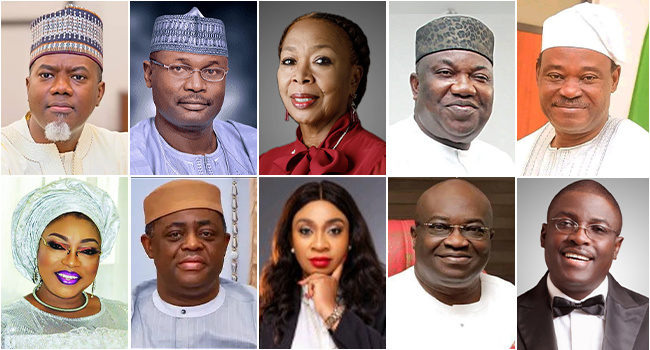
Senator Grace Bent – appointed to Lome, Togo, a strategic posting due to Togo’s position in West African politics and Nigeria’s role within ECOWAS. Senator Bent’s legislative experience and familiarity with regional affairs make her a prime candidate for fostering collaboration in trade, infrastructure, and security initiatives
Senator Ita Enang – assigned to South Africa, a country that has historically had complex bilateral relations with Nigeria, particularly in commerce and diaspora matters. Enang’s experience in legislative policy and advocacy positions him to address Nigerian interests in Johannesburg and Pretoria
Victor Ikpeazu – stationed in Spain, reflecting Nigeria’s efforts to deepen ties within the European Union beyond the United Kingdom and France. Spain, as an emerging hub for trade with West Africa, offers Nigeria opportunities in renewable energy, infrastructure, and investment partnerships
Nkechi Linda Ufochukwu – assigned to Tel‑Aviv, Israel, an appointment highlighting growing strategic relations in technology, agriculture, and defense sectors between Nigeria and Israel
Mahmud Yakubu – posted to Qatar, a key Middle Eastern partner, especially in energy, investment, and sports diplomacy, given Qatar’s hosting of international events and Nigeria’s interest in energy sector collaboration
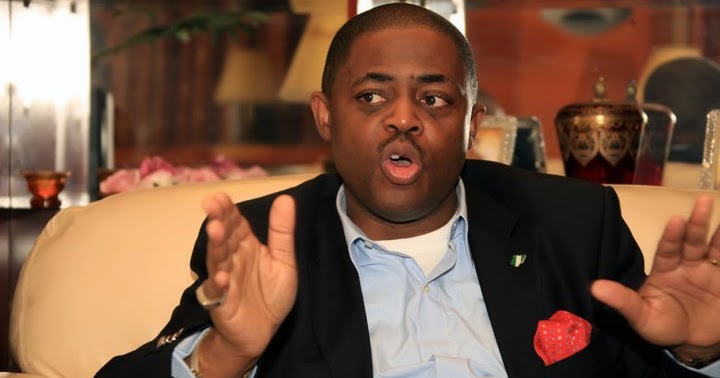
Other high-profile appointments include Paul Oga Adikwu to the Vatican City, Vice Admiral Ibok‑Ete Ekwe Ibas to the Philippines, former Aviation Minister Chief Femi Fani-Kayode as a non-career Ambassador to Germany, Reno Omokri to Mexico, and Barrister Olumilua Oluwayimika Ayotunwa to Tokyo, Japan. Each appointment reflects strategic interests, balancing political leverage with personal expertise. For instance, Mahmud Yakubu’s diplomatic acumen is expected to navigate complex bilateral agreements, while a figure like Reno Omokri may focus on public diplomacy and cultural outreach.
This category also includes postings to Europe, North America, and the Caribbean: Senator Jimoh Ibrahim as Permanent Representative to the United Nations is particularly significant, tasked with representing Nigeria in the multilateral arena at the UN headquarters in New York, focusing on peacekeeping, global security, and climate diplomacy. Similarly, Lateef Kayode Are in the United States assumes responsibilities in maintaining political, economic, and cultural bridges with Washington D.C., a cornerstone in Nigeria’s foreign policy strategy.
The appointment process for non‑career ambassadors followed a meticulous vetting process, including Senate confirmation, background checks, and consultation with key stakeholders within the Ministry of Foreign Affairs. Senate confirmation in December 2025 solidified these appointments, allowing envoys to begin the formal process of diplomatic agrément with their host nations.
Career Diplomats – Nigeria’s Professional Diplomats Abroad
Career diplomats remain the backbone of Nigeria’s foreign service. These are professionals who have spent decades in foreign affairs, understanding the subtleties of international relations, consular services, and multilateral negotiations. Their postings are essential to ensure continuity in policy implementation and professional management of embassies and consulates.
Notable career diplomats in the 2026 posting include:
Nwabiola Ezenwa Chukwumeka – assigned to Côte d’Ivoire, a pivotal partner in West Africa, particularly in regional trade, ECOWAS security matters, and infrastructural development projects
Besto Maimuna Ibrahim – Niger, a country sharing extensive borders with Nigeria and critical in migration, security, and transnational trade issues
Monica Okwuchukwu Enebichi – São Tomé & Príncipe, where Nigeria has significant investments in oil and maritime affairs
Mohammed Mahmud Lele – Algeria, focusing on counterterrorism collaborations, energy projects, and bilateral security agreements
Endoni Syndoph Paebi – Burkina Faso, a frontline state in regional security initiatives, particularly in combating insurgency and terrorism in the Sahel
Other postings include professionals like Ahmed Mohammed Monguno to Egypt, Jane Adams Michael to Jamaica, and Alexandra Clark‑Omeru to Zambia. These postings, while sometimes less publicly visible, are critical for executing trade agreements, consular protections, and diplomatic engagements on day-to-day matters, ensuring Nigeria’s international interests are safeguarded.
The balance between non‑career and career appointments reflects an understanding that diplomacy requires both political clout and technical expertise. Non‑career envoys bring strategic visibility, while career diplomats maintain operational excellence and long-term relationship building.
Regional and Global Significance of Appointments
Analyzing the geographical distribution of Nigeria’s ambassadors offers insight into the administration’s foreign policy priorities. Africa remains a central focus, with appointments to countries such as South Africa, Côte d’Ivoire, Niger, Gambia, Algeria, Burkina Faso, Mali, and Equatorial Guinea. These postings are designed to strengthen regional integration, economic partnerships, and security coordination. Nigeria, as a leading force within ECOWAS, relies heavily on these missions to coordinate regional initiatives on trade, security, migration, and development financing.
Europe remains equally important, with postings to France, Germany, Spain, Portugal, Sweden, Austria, and the United Kingdom. European appointments typically focus on economic collaboration, investment promotion, and leveraging Nigeria’s diaspora networks. Notably, Aminu Dalhatu in the United Kingdom has a critical role in nurturing post-Brexit relations, addressing consular needs of Nigerians, and promoting bilateral trade agreements.
In the Americas, postings to the United States, Canada, Argentina, Mexico, and Trinidad & Tobago reflect Nigeria’s interests in trade, cultural exchange, and diaspora affairs. The United States continues to be Nigeria’s largest trade and development partner outside Africa, and the appointment of Lateef Kayode Are emphasizes the administration’s intent to maintain strong communication channels with Washington and New York.
In Asia, strategic postings include China, Japan, Israel, the Philippines, South Korea, and Qatar. These appointments highlight Nigeria’s focus on technology transfer, energy collaboration, investment, and political alliances. With Lt. Gen. Abdulrahman Bello Dambazau in Beijing, Nigeria strengthens its engagement with China’s Belt and Road Initiative projects, while postings in Israel and South Korea focus on technological advancement, agricultural innovation, and defense cooperation.
Senate Confirmation and Diplomatic Agrément
The Senate of Nigeria plays a critical role in ambassadorial appointments. Following the submission of nominees by President Tinubu, the Senate conducted hearings to assess the suitability of appointees, their experience, and ability to represent Nigeria abroad. Confirmation in December 2025 was a necessary constitutional step, signaling legislative approval for executive recommendations.
Once confirmed, each ambassador undergoes the process of diplomatic agrément with their host nation. This formal approval by the receiving state is required before an ambassador can officially assume duties. Countries like the United Kingdom, France, and Israel have already granted agrément to Nigeria’s appointees. The Ministry of Foreign Affairs has begun induction programs, ensuring each envoy is well-prepared for their posting, briefed on bilateral relations, and aligned with Nigeria’s foreign policy priorities.
Induction and Preparation of Envoys
Induction programs for newly appointed ambassadors are comprehensive. They cover diplomatic protocol, legal frameworks of international law, consular responsibilities, economic diplomacy, and national interest promotion. Career diplomats often mentor non‑career appointees, helping them understand the operational realities of embassy management.
Key elements of induction include:
Briefings on host country politics, culture, and history
Economic and trade relations, including investment opportunities and challenges
Security considerations, particularly for postings in conflict-prone regions
Public diplomacy strategies to engage local media and diaspora communities
Multilateral responsibilities, especially for postings to the United Nations and other international organizations
This preparation ensures ambassadors are not only ceremonial representatives but active participants in advancing Nigeria’s strategic interests abroad.
Political Implications and Strategic Messaging
President Tinubu’s ambassadorial appointments send multiple political and strategic signals. Non‑career postings often reward loyalty, recognize achievement, or place influential figures in positions where they can leverage Nigeria’s soft power globally. Career diplomats, on the other hand, provide continuity and institutional knowledge.
Non-career appointments often involve senators, former ministers, or notable public figures, signaling Nigeria’s intent to combine influence with formal diplomacy
Career appointments maintain operational excellence and ensure Nigeria’s interests are effectively implemented on the ground
By blending political appointees with professional diplomats, Nigeria maintains its influence in both bilateral and multilateral arenas. Countries receiving these ambassadors receive signals of Nigeria’s commitment to partnership, trade, security collaboration, and political dialogue.
Concluding Outlook
The 65 ambassadors appointed by President Bola Ahmed Tinubu in March 2026 represent a careful blend of experience, political insight, and diplomatic skill. These appointments will shape Nigeria’s foreign relations over the coming years, impacting trade, security, international cooperation, and the welfare of Nigerians abroad.
As Nigeria continues to assert its global role, the performance of these envoys will be critical. Their postings reflect both the administration’s priorities and the long-term vision for Nigeria on the world stage. Each ambassador, whether career or non-career, carries the responsibility of not only representing the nation but also strengthening Nigeria’s influence, projecting its interests, and ensuring its voice is heard across continents.
The strategic distribution of envoys across Africa, Europe, the Americas, and Asia, combined with the Senate-confirmed approvals and rigorous induction programs, sets the stage for a highly professional, politically astute, and globally impactful Nigerian diplomatic corps.