The journey of Desmond Elliot from the glitz of Nollywood to the structured corridors of political office is a story that reflects both ambition and the intersections between celebrity influence and public service. Born into the entertainment industry and known widely for his acting and directing career, Desmond Elliot took the decision to step into elective politics in 2015, contesting for the Lagos State House of Assembly seat representing Surulere Constituency I under the banner of the All Progressives Congress. The move marked a shift not only for Elliot personally but also for the perception of celebrities in Nigerian politics, showcasing how public visibility could translate into political capital. Winning the election on April 11, 2015, Elliot entered the legislative sphere with a mandate that combined curiosity, skepticism, and expectation, setting the stage for a tenure that would now span three terms and attract both accolades and critiques from various quarters.
Transitioning from the entertainment sector to legislative responsibilities required Elliot to navigate the dual challenges of public perception and operational competence. Voters in Surulere Constituency I were not merely looking for a familiar face but a representative who could balance advocacy with measurable contributions to governance and community development. The task was further complicated by the need to shift from individual creative expression in film to collaborative policy-making and engagement with multiple stakeholders, including fellow lawmakers, community leaders, and youth organizations.
Elliot’s approach during this period revealed an understanding that his celebrity status could act as a bridge to constituents, yet it needed to be complemented by sustained legislative and community engagement.
First Term (2015–2019): Transition, Learning, and Constituent Engagement
Elliot’s first term as a legislator, spanning from April 11, 2015, to 2019, was marked primarily by adjustment and learning. Winning the seat in the April 2015 general elections, he had to quickly move from the largely individualistic environment of Nollywood into the collective, procedural environment of the Lagos State House of Assembly. Early reports from this period emphasize Elliot’s participation in stakeholder meetings and community engagements, reflecting a proactive stance toward understanding local governance needs and embedding himself in constituency concerns. These activities often involved town hall meetings, dialogues with youth groups, and collaboration with community leaders to bridge the gap between legislative processes and community expectations.
During this first term, most documented contributions of Elliot were tied less to landmark bills and more to his presence and accessibility. He emphasized consultation with constituents and the importance of integrating community priorities into broader legislative discussions, a stance that was acknowledged by observers as a learning and engagement phase. The approach demonstrated an understanding that political credibility at the constituency level often begins with visibility, responsiveness, and perceived commitment to the welfare of residents. While critics noted that the tangible legislative outputs were limited, supporters highlighted that Elliot was laying the groundwork for future terms by cultivating relationships and establishing trust within Surulere.
The first term also allowed Elliot to navigate the complexities of political alliances and party expectations within the APC. Surulere Constituency I presented a politically active and informed electorate, requiring careful balancing of popular initiatives with procedural adherence to legislative norms. This phase provided Elliot with insight into the workings of committees, policy discussions, and constituency advocacy, enabling him to frame his subsequent terms around both visibility and specific community initiatives. By 2019, this learning period had positioned him for re-election with a stronger understanding of the dual demands of political office and community representation.
Second Term (2019–2023): Project Support, Local Development, and Constituency Focus
Elliot’s second term, from 2019 to 2023, reflected a shift from acclimatization to active implementation of local projects and community-focused initiatives. He secured re-election in 2019 with over fifteen thousand votes, demonstrating a strong mandate from his constituents despite a competitive political environment. This term saw increased attention on tangible community contributions, as supporters highlighted multiple projects that Elliot facilitated across Surulere Constituency I. Among the widely acknowledged initiatives were classroom construction and rehabilitation at Itolo Secondary School, scholarship provision and funding for JAMB forms, and youth empowerment programs aimed at skills acquisition and employment creation.
Local infrastructure received some attention through reported road works, rehabilitations, and bio-toilet installations in select community areas. These efforts were presented as evidence of Elliot’s commitment to connecting legislative responsibilities with visible developmental impact. Constituency feedback during this period often cited the combination of education support, youth engagement, and infrastructure improvements as central to his appeal. Organizations like the Central Youth Movement Ward G2 publicly endorsed his work, praising what they described as performance beyond expectations, indicating a segment of the electorate that measured political success through direct community interaction and project implementation rather than solely through legislative output.
Despite the praise, critics raised concerns over the verifiability and scope of these projects, noting that many were initiated as short-term interventions rather than embedded structural solutions with lasting policy implications. Opposition voices highlighted that the absence of clearly documented legislative achievements, such as bills passed or systemic reforms initiated, limited the measurable impact of Elliot’s tenure during this period. This dual perception tangible but selective project impact versus limited systemic legislative influence later contributed to the polarized views surrounding his political trajectory as he sought a third term.
The second term also reflected Elliot’s increasing engagement with public events beyond strictly legislative duties. By participating in talent hunts, community programs, and public campaigns, he continued to leverage his celebrity status while emphasizing his role as a servant of the constituency. This phase represented the convergence of visibility, project execution, and civic engagement, consolidating Elliot’s brand as an accessible legislator who aimed to combine popular appeal with public service.
Third Term (2023–Present): Continuity, Outreach, and Public Perception Challenges
Elliot’s third term, beginning in 2023, has been characterized by both continuity in previous initiatives and emerging challenges regarding public perception and intraparty competition. His election in 2023 reflected sustained support within certain segments of the electorate, although reports indicate there were notable intraparty tensions during the APC nomination process, suggesting emerging questions about the consolidation of influence and internal party dynamics. This term has seen Elliot maintain his visibility through community-oriented activities, including talent hunts, anti-drug initiatives in schools, and annual Christmas goodwill drives under programs such as “Santa on the Street,” where gifts are distributed to residents.
Supporters continue to emphasize grassroots accessibility and personal interaction with constituents, portraying Elliot as a hands-on representative attentive to community needs. However, criticism has intensified around the tangible outcomes of his legislative and developmental efforts, particularly regarding infrastructure decay, youth unemployment, and deficiencies in primary health care facilities. Some civic groups and opposition stakeholders have articulated that despite three terms in office, significant transformative progress on systemic issues remains limited, raising questions about the overall impact of continued incumbency on long-term development goals.
The third term also highlights the complex interplay between celebrity influence and political effectiveness. While Elliot’s engagement strategies sustain public visibility and community recognition, they are contrasted against calls from civic coalitions for measurable legislative impact and structural improvements within the constituency. This dual narrative reinforces a broader tension present in Nigerian politics, where public appeal and visibility do not always align with expectations of policy-driven governance and measurable developmental outcomes.
Opposition to Fourth Term Bid: Coalition Concerns and Public Debate
Elliot’s attempt to secure a fourth term has prompted formal opposition from a coalition of local stakeholders under the banner of the Surulere Accountability Forum. The statement, issued on Wednesday in Lagos by the group’s spokesman, Olanrewaju Badmus, criticized Elliot’s record across his three terms as insufficient in delivering substantial constituency projects and legislative achievements. According to the coalition, Elliot has not adequately addressed enduring local issues such as infrastructure decay, youth unemployment, and inadequate primary health care, and therefore Surulere requires fresh leadership, new energy, and innovative ideas to drive meaningful progress.
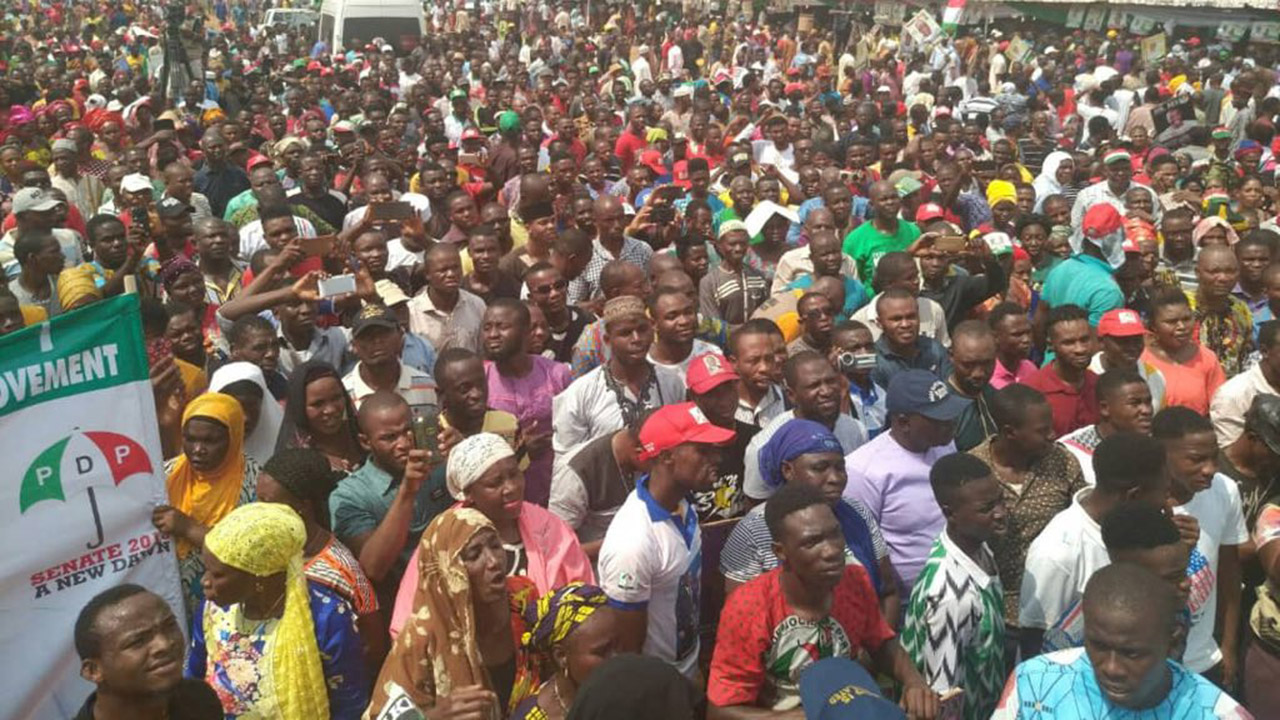
The coalition comprises community leaders, youth groups, small-business representatives, and civil society organizations who collectively assessed Elliot’s performance across multiple metrics. Their concerns emphasize measurable outcomes, transparency in public engagement, and the necessity for legislative action that tangibly improves the quality of life for residents. By contrast, Elliot retains support from other segments of the community, illustrated by rallies and endorsements highlighting his grassroots accessibility, empowerment programs, and community-focused initiatives. This division underscores a split in public sentiment, reflecting the broader political dynamics within Lagos and the APC as the 2027 general elections approach.
The dispute surrounding Elliot’s fourth term bid raises critical questions about accountability, performance, and the balance between popularity and legislative effectiveness. It illustrates the broader debate in Nigerian politics over long-serving officials, incumbency advantages, and the criteria by which constituents evaluate their representatives. For some, continued visibility, accessibility, and community engagement suffice as indicators of effectiveness, whereas others emphasize measurable developmental impact and the enactment of laws with systemic relevance as the ultimate markers of legislative success.
The Broader mechanisms for Nigerian Politics
The case of Desmond Elliot in Surulere Constituency I exemplifies the complexities of celebrity transition into politics, the expectations of constituents, and the challenge of aligning public appeal with substantive governance outcomes. Elliot’s three terms showcase a combination of personal visibility, community interaction, and selective project implementation, which has produced a mixed record that is praised by supporters and critiqued by civic groups and opposition coalitions.
This scenario also provides insight into the mechanisms by which Nigerian voters evaluate political performance, highlighting the importance of both direct constituency engagement and measurable policy results. The tension between these two dimensions is amplified in constituencies where social media presence, celebrity influence, and public perception can elevate a candidate, while structural development, legislative output, and problem-solving capacity define the lasting legacy of officeholders. As Elliot seeks a fourth term, these dynamics will shape both his political trajectory and the broader discourse on accountability, governance, and the performance expectations of elected representatives.
Summary of Three Terms and Public Perception
Across his three terms, Elliot’s tenure can be summarized as follows: the first term (2015–2019) emphasized political transition and stakeholder outreach, serving as a learning phase; the second term (2019–2023) focused on constituency projects, education, and youth empowerment, receiving praise from supporters while facing criticism for limited legislative impact; the third term (2023–Present) continued community programs and social drives while contending with intraparty challenges and growing public scrutiny. This trajectory illustrates the polarized nature of public opinion in Surulere, where popularity and project visibility intersect with demands for measurable governance outcomes.
As debates surrounding his potential fourth term continue, the case underscores the significance of both perception and performance in Nigerian politics, reflecting the evolving expectations of constituents who seek both responsiveness and structural improvement. Elliot’s career trajectory provides a lens through which the interplay of celebrity influence, legislative action, and community engagement can be examined, offering lessons for both policymakers and voters on the metrics of political success in contemporary Nigeria.